
Energy Cost Support Fund Launches Amid Rural Concerns
A new fund aimed at assisting households struggling with rising energy costs has been introduced, but concerns remain that it may not effectively reach those most in need. This is particularly true in rural areas, where many residents are reportedly "too proud to claim a benefit."
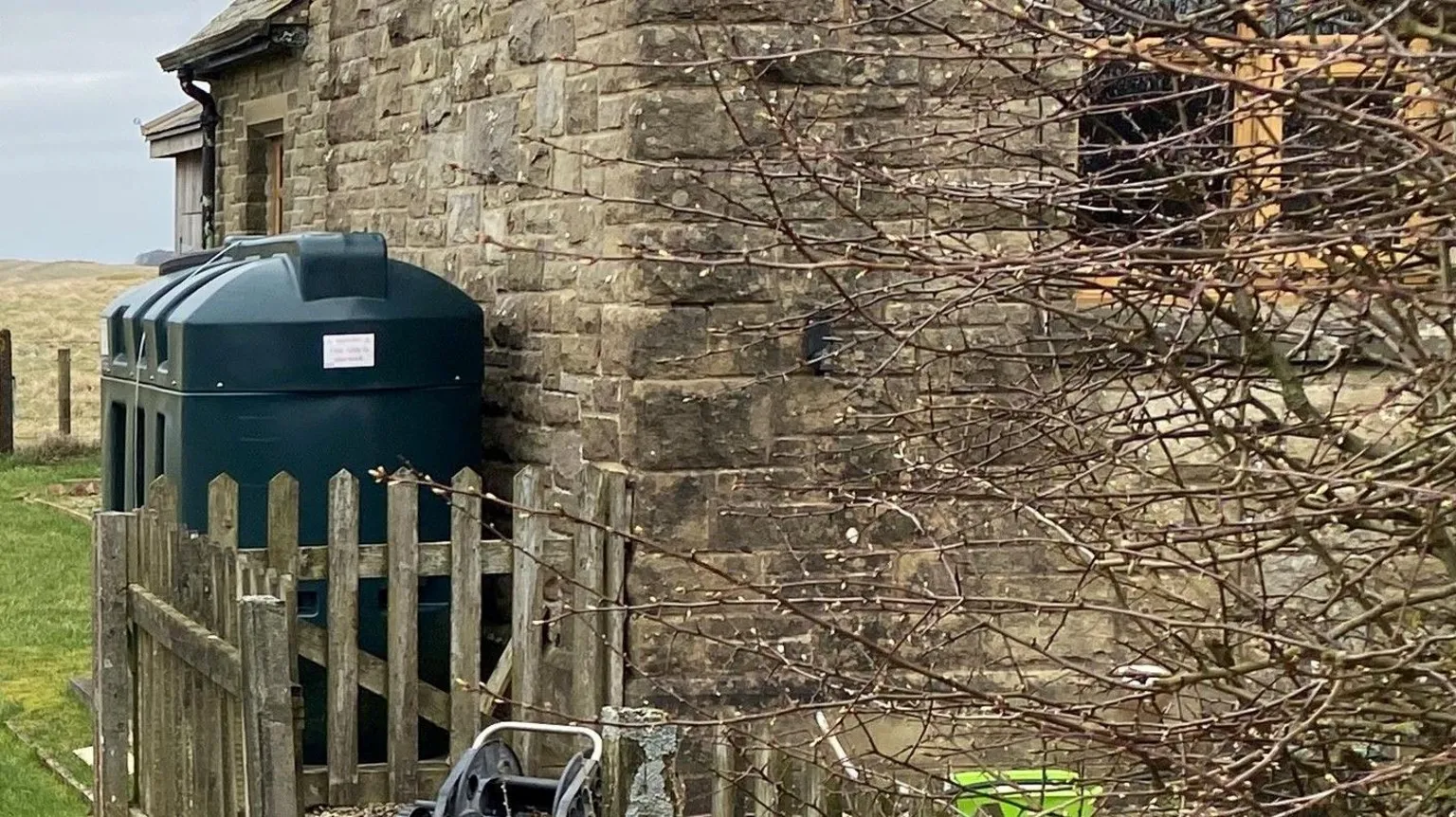
In regions such as Northumberland, Cumbria, and County Durham, over 20% of homes lack access to mains gas and instead rely on alternative heating fuels like LPG or oil. The price of these fuels has more than doubled within a month, a surge linked to the ongoing US-Israel conflict involving Iran.
Government Response and Fund Details
Residents in England facing financial difficulties can now apply to the Crisis Resilience Fund. Lorrainne Smyth, chief executive of the charity ACTion with Communities in Cumbria, has advocated for a more focused approach to ensure aid reaches those who need it most.
The government has stated it acted "quickly and decisively" to support vulnerable households. The Crisis and Resilience Fund will allocate £1 billion annually over the next three years, replacing the previous Household Support Fund. Applications for emergency funds will be managed through local councils.
Additionally, the government has announced an extra £53 million specifically to assist with heating oil costs. This funding will be distributed to local authorities proportionally based on the number of heating oil users in their areas.
Challenges in Rural Areas
Smyth expressed concerns that many eligible individuals may not claim the support available.
"We did some research in the Eden area a couple of years ago, and most of the people we spoke to who were entitled to benefits were just not applying for them,"
"It's just how it is in rural areas, people are too proud, and they don't want to fill in a bunch of forms."
She also highlighted the issue of limited broadband access in many rural communities.
"A lot of older people might not have the time or the skills to make an online application,"
Smyth suggested that many policies are designed by individuals based in London who may not fully understand rural challenges.
"I'm really worried, it's lambing time too with all those extra energy costs,"
"It's a real crisis out there, it's really, really difficult for people."
Personal Impact and Community Perspectives
Farm worker Richard Smith from Bellingham, Northumberland, recently paid to refill his ex-wife's heating oil tank. Although he has arranged to spread the payment over three months, the cost is still double what it was in February.
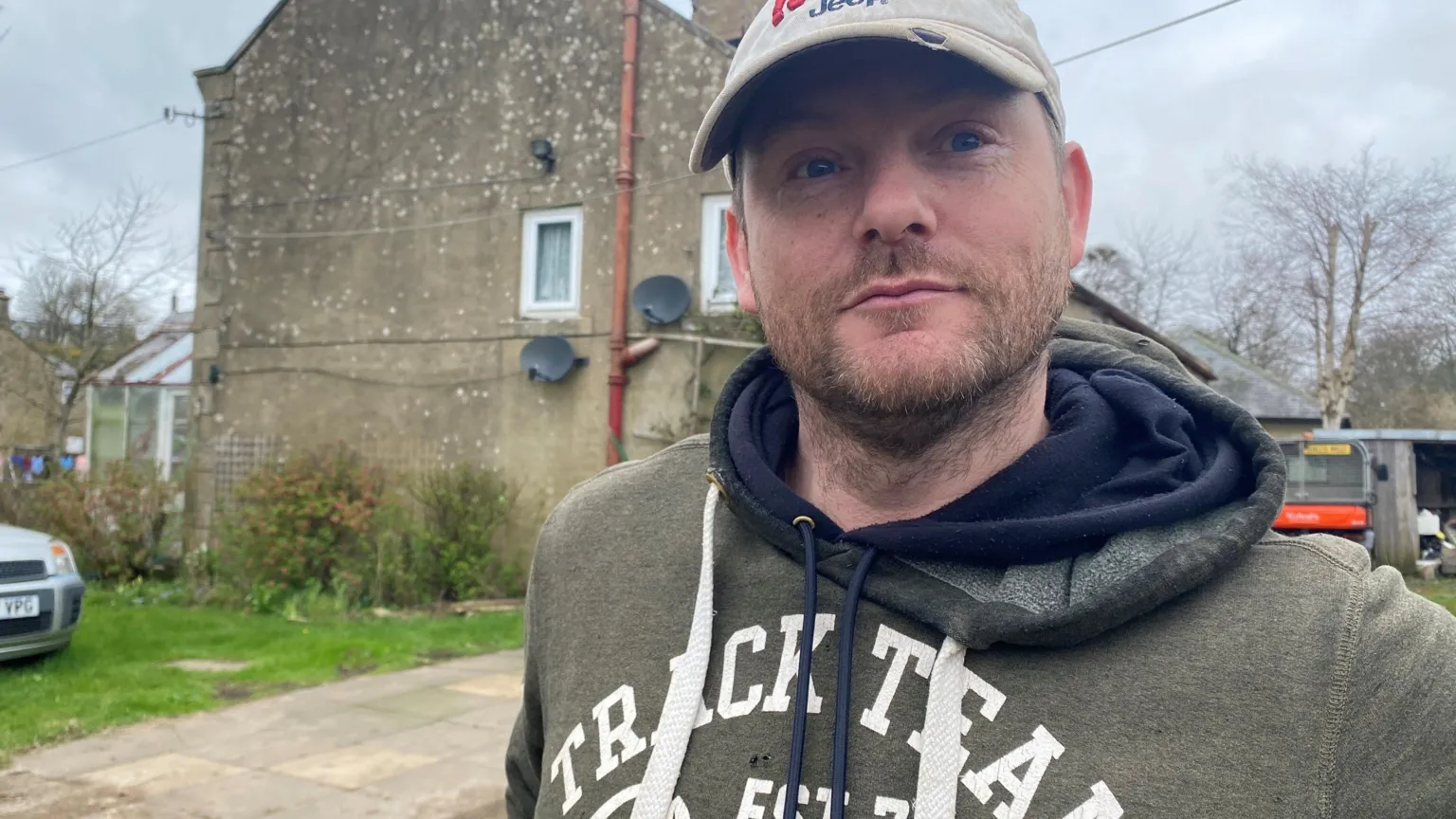
Smith noted that many people feel they have no option but to accept the high prices.
"Diesel, heating oil, price of shopping, it's all going up, but what can you do?"
Smyth believes that a more effective approach would be to provide a one-off payment to everyone using alternative heating fuels, similar to the support given during the Covid pandemic.
"If you have to apply for something, most people won't do it,"
Government and Local Authority Actions
A Treasury spokesperson reiterated the government's commitment to support households at risk of losing access to heating and hot water.
"The government has acted quickly and decisively to support households at risk of losing access to heating and hot water.
Local authorities will design and implement schemes that reach those households."
The BBC contacted councils in affected areas for guidance to residents.
Cumberland Council announced its Heating Oil Support Fund opened on 1 April for applications from eligible low-income households using heating oil as their primary heating source. Cumberland's allocation from the national support package is £370,000.
Durham County Council also opened applications from 1 April but noted that due to website maintenance, applications must be made by telephone at 03000 267900.
Westmorland and Furness Council indicated that applications would open in the coming weeks, with further information to be provided on its website.
Northumberland County Council has yet to release details, which will be updated when available.
Residents are encouraged to follow BBC North East and BBC Cumbria on social media platforms including X, Facebook, Nextdoor, and Instagram for updates.


