

Struggles with Universal Credit and Rising Meal Demand
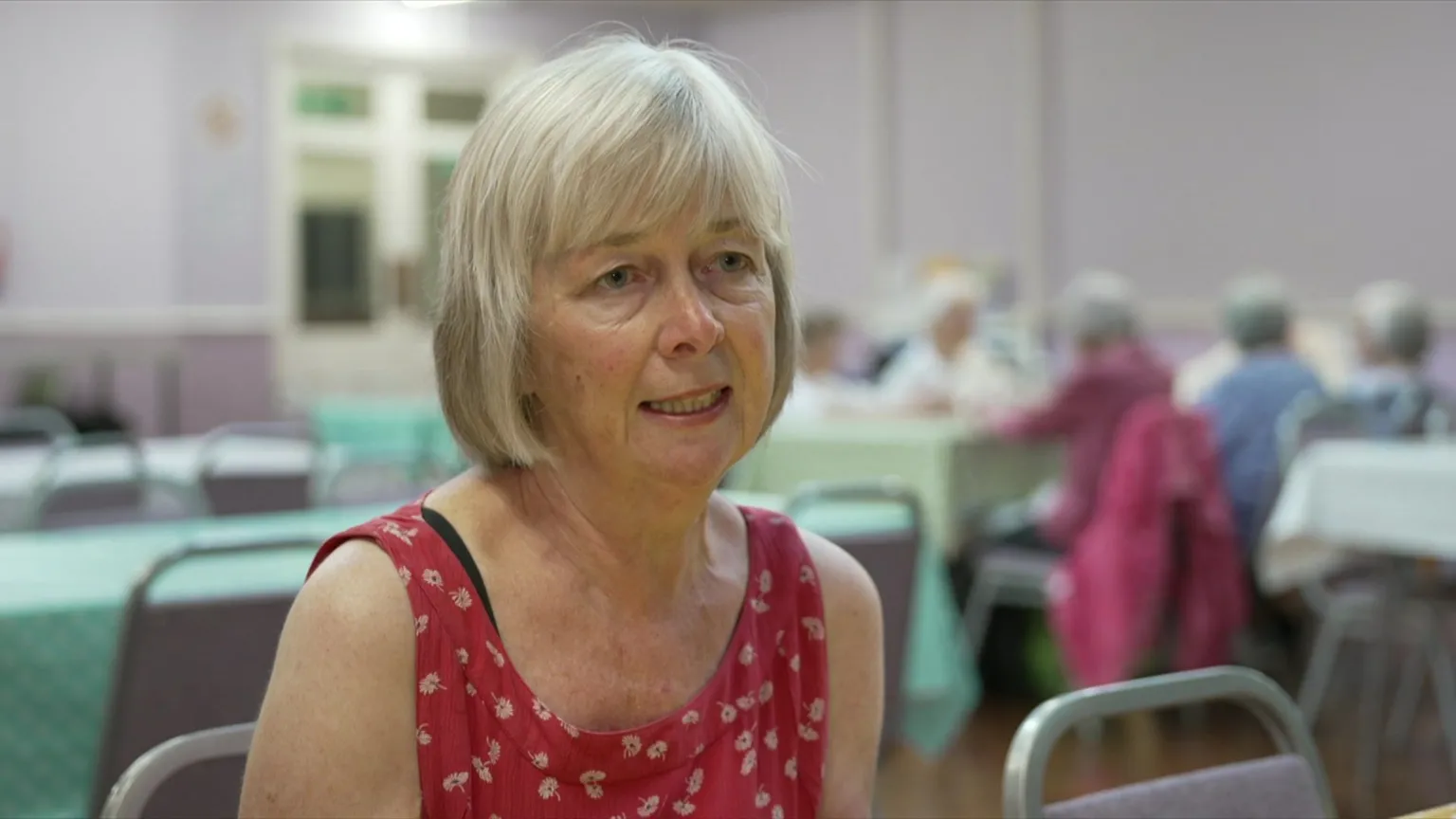
Carol Kemp, 64, is among an increasing number of individuals relying on free hot meals provided by the Centenary Methodist Church in Boston, Lincolnshire. Volunteers report a significant rise in demand for these meals, reflecting growing financial difficulties faced by many.
Kemp shared the challenges she faces, often resorting to "a packet of soup and a bit of bread" for dinner due to the high cost of bills.
Government Response and Community Impact
The government has stated that household incomes have increased by 5% in real terms, food bank usage has declined, and support is being extended to local authorities to prevent households from falling into crisis.
The church has observed about a 50% increase in the number of people attending for meals since the start of the year.
Joanna Criddle, responsible for community meals, explained the seasonal factors contributing to the rise in attendance.
"Especially January, February, people are perhaps a bit short of money after Christmas, they've got the heating on longer as well.
Our numbers, which are usually around 60 to 70, went up to over 90."
Criddle also emphasized the availability of assistance, though acknowledging the difficulty some face in seeking help.
"There is help available, but it's not always easy to find it or to admit that you need help."
Personal Experiences of Financial Hardship
Kemp expressed the emotional toll of her situation.

"I come here on a Wednesday and a Friday, and then I have to go to my mate's and say, can you give me this, can you give me some food?
I shouldn't be doing that. It's horrible."
The cafe initially started providing meals for homeless individuals during the Covid-19 pandemic before expanding services to the broader community.
Scott, a 36-year-old single father, described his financial challenges.
"I use my car for work and petrol prices are creeping up and up. Then the gas and electric will be going up,"
he said. At the cafe, he benefits from a "good home-cooked meal" and the opportunity to socialize with friends.
Social Benefits of the Cafe
Audrey Burrell, a 90-year-old widow and former volunteer, attends the cafe to combat loneliness.
"I'm a bit of a person who worries about things. I come to (the cafe) talk them over with other people,"
she said. "I sit and chat to everybody and anybody."
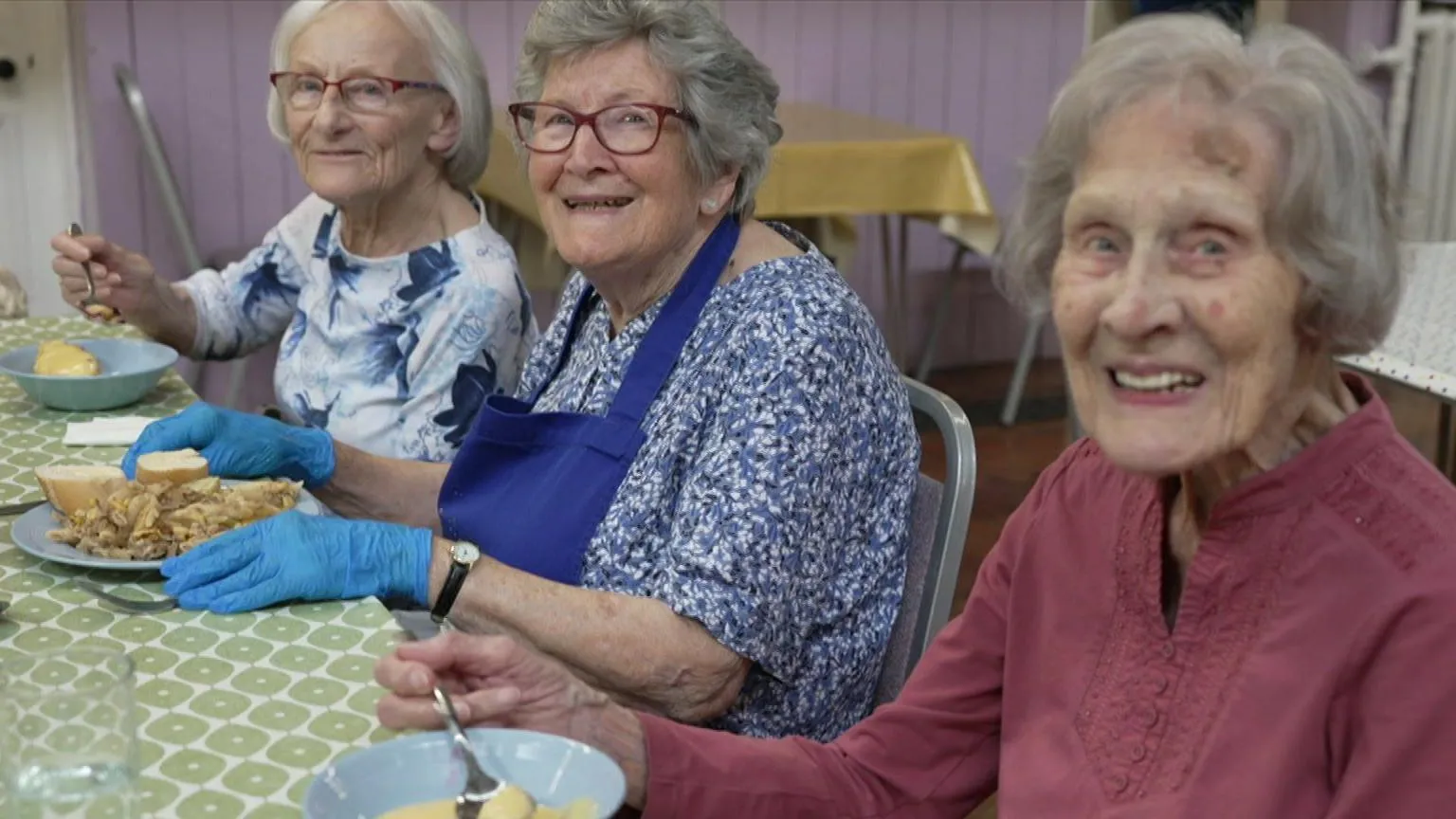
The cafe operates every Wednesday and Friday from 09:30 to 13:00 BST. Criddle stressed that everyone is welcome and there is "no stigma" attached to attending.
Official Statement from the Department for Work and Pensions
A spokesperson for the Department for Work and Pensions commented on the government's efforts to address poverty.
"This government is determined to turn the tide on poverty after years of rising hardship.
Our recent statistics show that effort is beginning to make a difference – household incomes have risen 5% in real terms, food bank usage has fallen and food insecurity is down.
Our £1bn multi-year crisis and resilience fund will give local authorities the certainty to help prevent households from falling into crisis and this can be used to support food banks."
Additional resources include highlights from Lincolnshire available on and the latest episode of Look North.
For further updates, the app can be downloaded from the App Store for iPhone and iPad or Google Play for Android devices.


