

Memorial and Meeting at Aberdeen Harbour
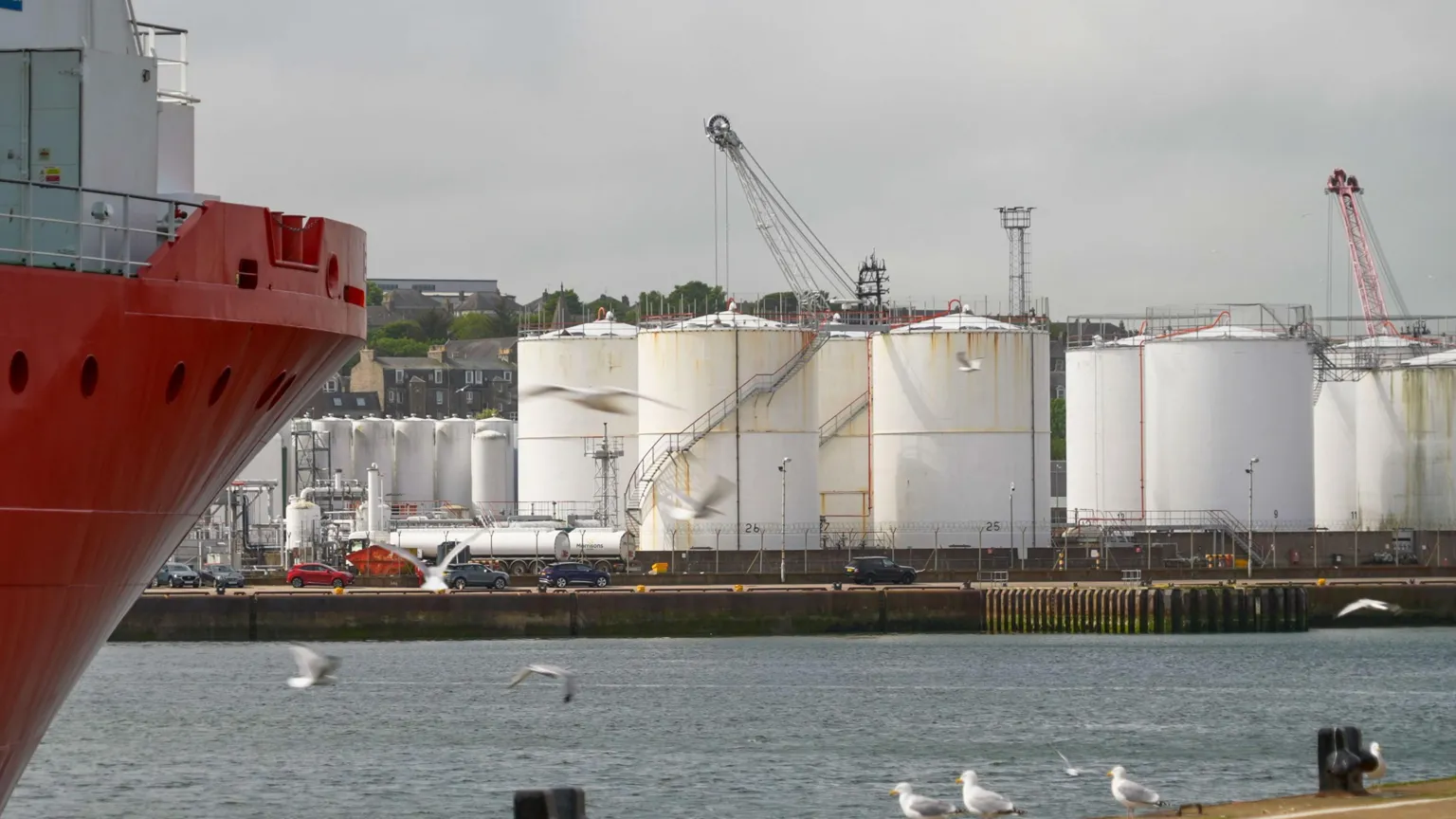
As ships navigate Aberdeen Harbour, they pass a memorial dedicated to 103 deep sea divers who lost their lives working in the North Sea.
It was here we met James, who was cleaning the bronze statue. A former diver himself, James was actually the model for the figure. His career involved descending to depths exceeding 200 metres, sometimes carrying explosives, to perform pipeline repairs.
He acknowledges the dangers of the job, noting it could "bite you" if caution was not exercised.
James emphasizes the significance of the oil and gas industry, describing it as "massively important" to the region.
By-Elections and Political Stakes
This importance is reflected in the political landscape, as the forthcoming by-election in Aberdeen South appears to be centered on energy issues.
Voters in Aberdeen South will cast their ballots on 18 June, alongside two other by-elections: one in Arbroath and Broughty Ferry, and another in Makerfield, Greater Manchester.
The Makerfield contest carries notable political implications, with Andy Burnham seeking a Westminster seat to challenge the Labour Party.
Nevertheless, Aberdeen South remains a significant contest, situated at the core of discussions about the UK's energy future. This is underscored by the UK government’s decision to base GB Energy, a new publicly-owned energy company, in the city.
Following the SNP's former Westminster leader Stephen Flynn's move to Holyrood, the Aberdeen South seat is now open. Despite Labour's involvement, the main contest is expected to be between the Conservatives and the SNP.
Both parties assert they are best positioned to advance Aberdeen's energy prospects, whether in renewables or oil and gas.
Internal Party Perspectives on Energy Policy
However, some voices within both parties believe their sides have misjudged the debate.
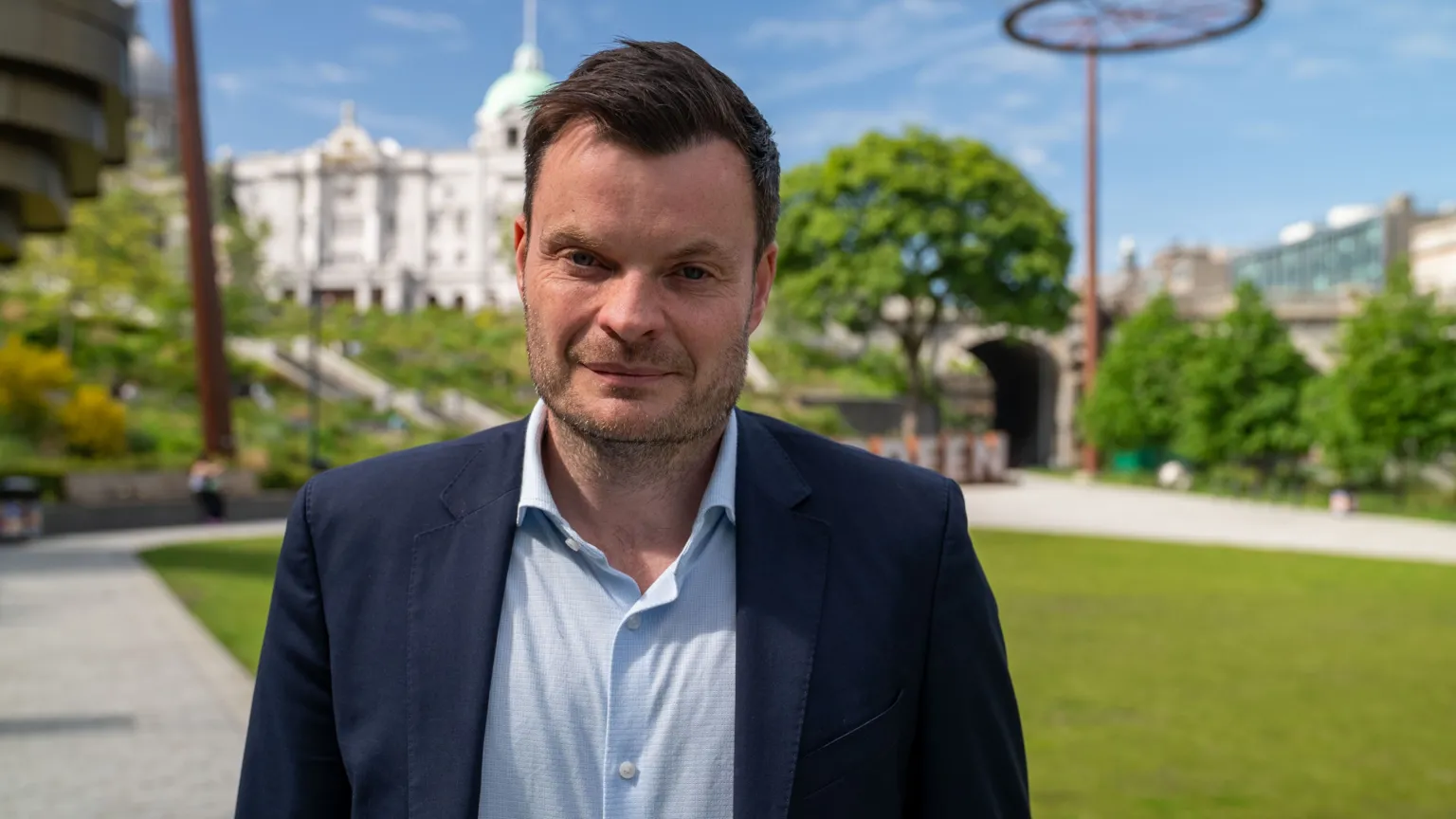
Geoff Aberdein, a former chief of staff to ex-First Minister Alex Salmond and now an energy consultant advising both oil and gas and renewables sectors, stresses his full support for renewables. Yet, he argues that oil and gas must be sustained to manage the transition to alternative energy sources.
Aberdein expresses strong criticism of the SNP government under Nicola Sturgeon for adopting an "assumption against" new oil and gas drilling, accusing the party of "going with the latest fad" in making this policy change.
"I just can't believe any leader of a national party of Scotland would take that decision,"
he says, calling it a "completely misguided" move that led to the loss of thousands of Scottish jobs.
The Scottish government has yet to publish its current energy strategy, which is overdue. While energy policy is reserved to the UK government, there is an expectation that Scottish ministers clarify their stance on North Sea developments, especially as they seek greater devolution in this area.
Aberdein notes a slight shift towards a more positive view of oil and gas from the current SNP leadership and urges them to explicitly support the industry during the transition to renewables.

John Swinney recently remarked that proposed projects "must take into account the need for energy security for households and businesses in Scotland," indicating a possible alignment with Aberdein's perspective.
Aberdein believes that a more supportive stance on oil and gas could help the SNP secure victory in this by-election but warns that "the Tories are really smelling blood."
Scottish Conservative Party Messaging
Within the Scottish Conservatives, messaging on energy is not uniform.
The party frames the by-election as a "referendum" on oil and gas, with UK party leader Kemi Badenoch pledging to "get Britain drilling."
While not as direct as former US President Donald Trump's "drill, baby, drill" slogan, this approach causes discomfort among some members.
Maurice Golden, a former Conservative MSP for northeast Scotland who recently stepped down, identifies as a "green" Tory and finds some party slogans "deeply concerning".
"It's bordering on jingoism and Trump-esque language,"
he says, suggesting the Conservatives are attempting to "mimic Reform" by moving away from net zero commitments.
Golden recalls the party's previous leadership on environmental issues and advocates for a return to that direction.
He highlights that the Conservatives introduced the energy profits levy, commonly known as the "windfall tax."

Calls for a Faster Transition to Renewables
While much of the discussion revolves around balancing carbon-based industries with renewables, some in Aberdeen argue for a more rapid shift to renewable energy.
Ainhoa Burgos Aguilera, an environmental campaigner residing in the city, expresses frustration that the by-election debate seems focused on weighing fossil fuels against renewables.
"Keeping oil and gas as an industry is just going to delay achieving the climate targets and will only make global warming worse,"
she warns.
Aguilera believes that only renewables can ultimately reduce energy bills in Scotland, as any increase in North Sea drilling would result in oil and gas being sold on international markets.

Broader Implications of the By-Election
By-elections are typically localised events, but sometimes they reflect wider issues beyond constituency boundaries.
The Aberdeen South contest centers on the future of the North Sea, energy security, and the potential impact on energy costs.
Residents may wish to influence the pace of transition from an oil and gas industry that historically provided substantial jobs and investment to a renewables future expected to do the same.
The key questions remain: how quickly do constituents want this transition, and which party best represents their views?


