

Reptiles Relocation Delays New School Opening
Common lizards and slow worms whose presence caused a delay in the opening of a new school by at least two years are currently being relocated to a new site.
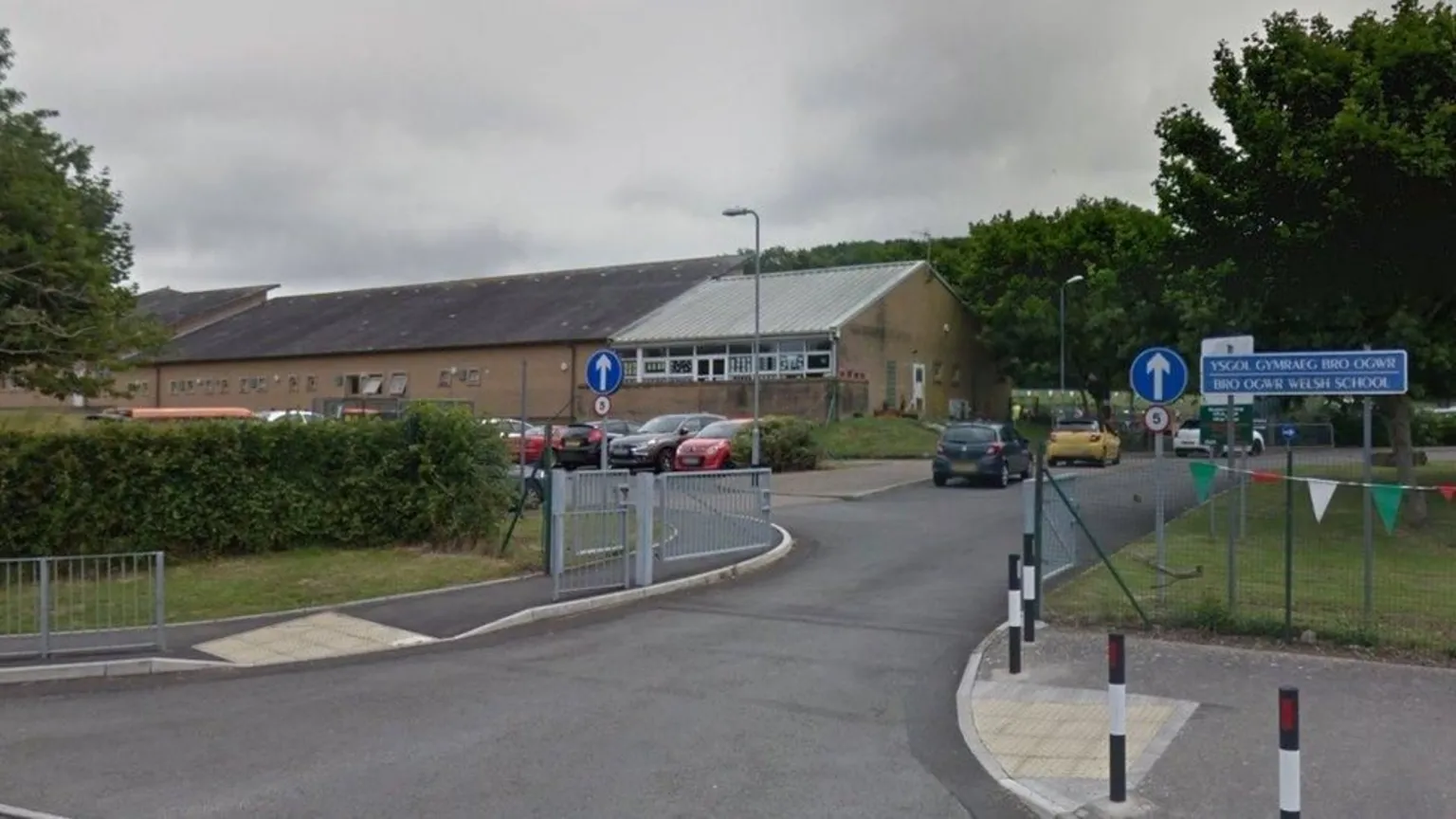
Ysgol Gymraeg Bro Ogwr, a Welsh-medium school in Brackla, Bridgend, was originally scheduled to move to a nearby new location in September 2025. However, this move has been postponed until September 2027.
That date "will be reviewed as the scheme progresses in line with normal practice," a council spokesperson said.
The reptiles were initially planned to be moved last summer, but the council has confirmed that the "translocation is currently underway."
A council spokesperson emphasized that relocating reptiles is considered a "last resort" and that the delay has provided an opportunity to revise plans to "minimise" the number of reptiles that need to be moved.
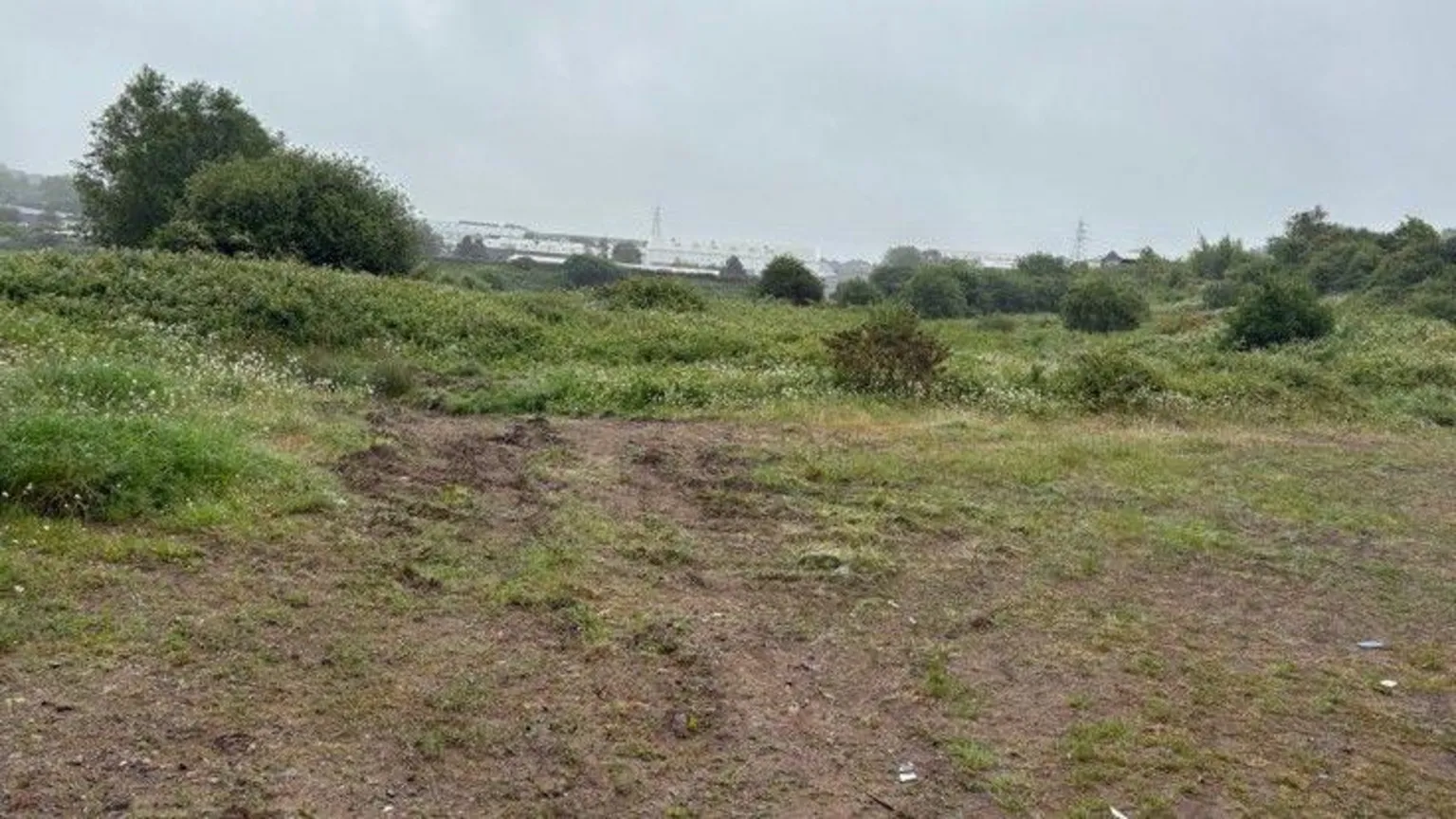
Preparations for the reptiles' new habitat have been made at an undisclosed location in Ogmore Valley, referred to as a "receptor site." This includes the construction of a protective shelter to accommodate the relocated reptiles.
Strict regulations govern the relocation of reptiles, and delays can occur due to factors such as weather conditions and temperature fluctuations.
The relocation of the school to the larger site was initially estimated to cost approximately £18.6 million. The new facility is expected to provide 525 places for children aged four to 11, along with a 90-place nursery.

There has been no announcement regarding any increase in costs resulting from the delay.
A Bridgend council spokesperson stated that "reptile translocation" is currently in progress "in line with ecological regulations."
To accommodate an increase in pupil numbers before the move, two temporary classrooms have been installed at the existing school site. Additionally, a Welsh government grant of £1.1 million will assist in "support[ing] the delivery of a co-located Welsh-medium childcare facility."
Common Lizards and Slow Worms: Status and Protection
The common lizard is not currently classified as rare or endangered in Britain, though its population is believed to be declining due to habitat loss.
Unlike most British reptiles, common lizards give birth to live young rather than laying eggs.
According to the Wildlife Trust, common lizards measure between 10cm (3.9in) and 15cm (5.9in) in length and have an average lifespan of five to six years.
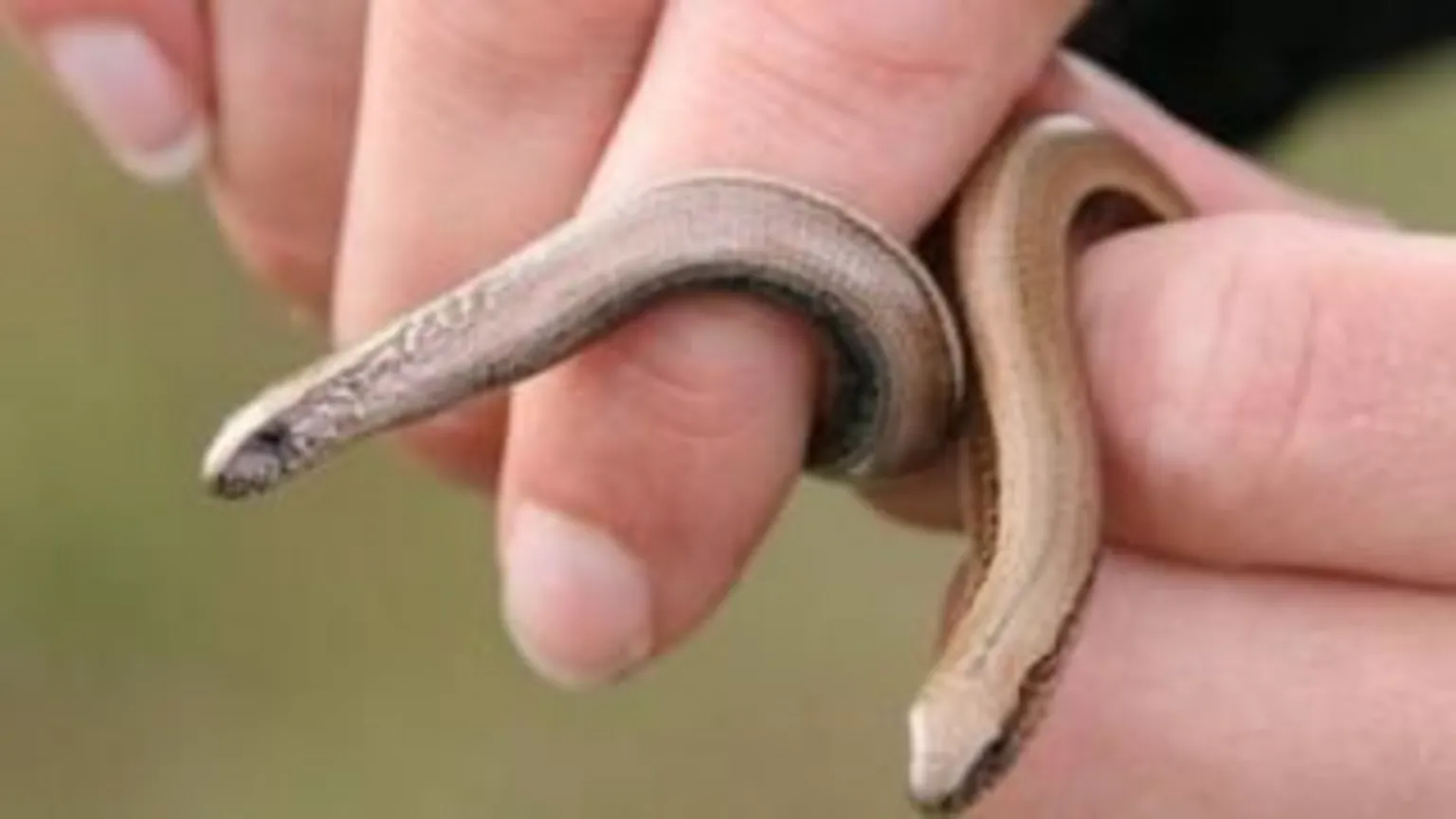
Slow worms have protected status in the UK, and under the Wildlife and Countryside Act 1981, it is illegal to intentionally kill or injure them.
Of the six native reptile species in the UK, four have been recorded in Bridgend county. These include common lizards, slow worms, grass snakes, and adders.


