

Significant Decline in Little Tern Population at Seaton Carew
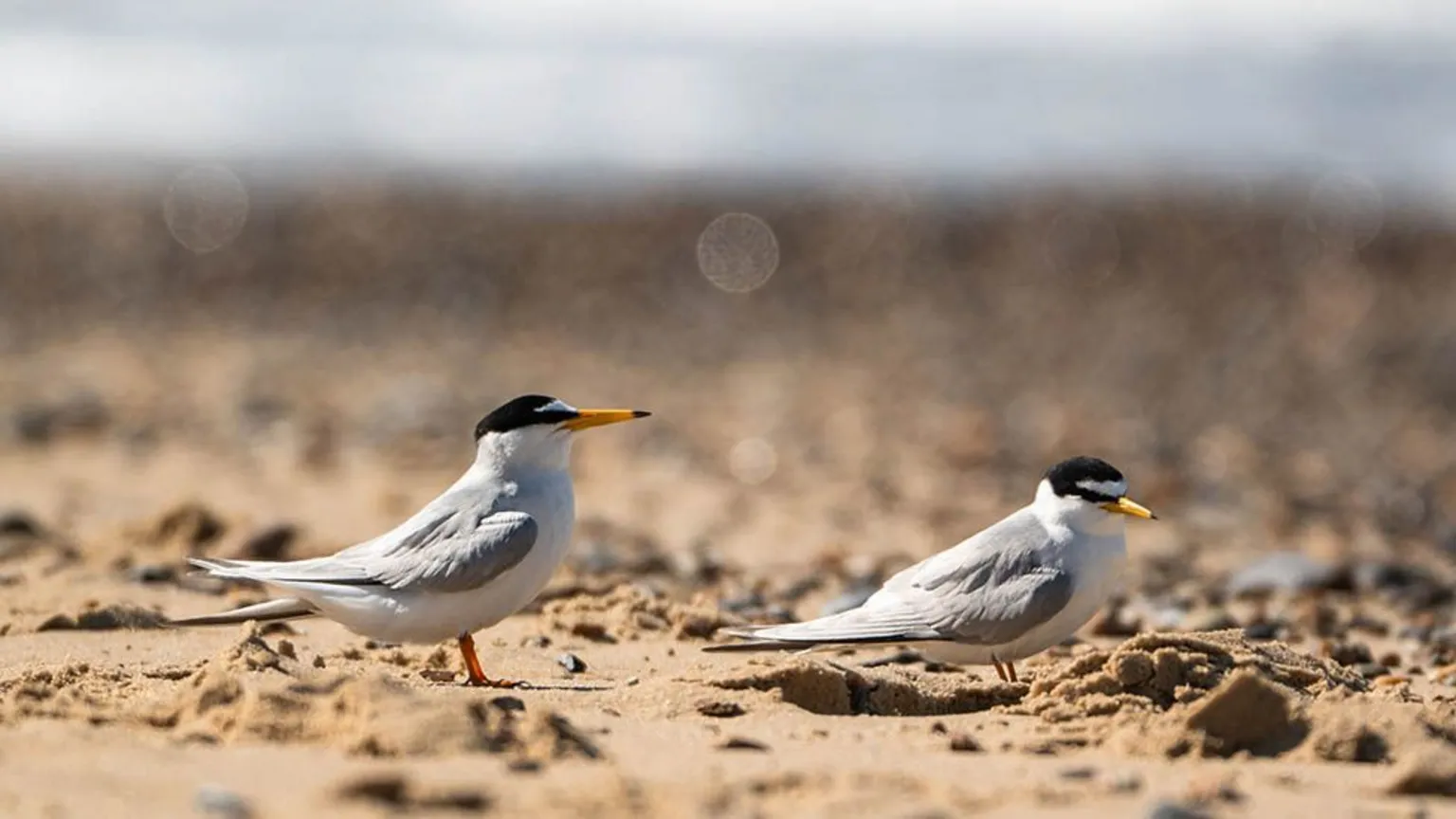
Little tern numbers at one of the United Kingdom's most critical seabird colonies have decreased by 50%, a decline attributed to an increase in the number of people allowing their dogs to approach the birds too closely, according to a wildlife trust.
The small seabirds have consistently nested on the beach at Seaton Carew, near Hartlepool, every year since 2019.
Incidents of Dogs Breaching Exclusion Zones
In May, volunteer wardens documented 427 instances where dogs entered the designated exclusion zone intended to protect the birds. On a single day in June, 93 such breaches were recorded.
Derek Wood, the little tern warden for the Tees Valley Wildlife Trust, expressed concern that any additional stress at the site could cause the birds to abandon their nests and potentially not return in subsequent seasons.
Current Nesting Pairs and Expectations
At present, there are 55 nesting pairs of little terns on the beach at Seaton Carew, whereas volunteers had anticipated up to 110 pairs.
"Total dog count in the exclusion zone for May was 427 and that is only from monitoring between 14:00 to 20:00 Monday to Friday.
"The exclusion zone is clearly not working, especially if you consider the 93 violations in one day in June."
Wood noted that after years of improvement following the establishment of a safe area around the terns, he was uncertain as to why the situation had deteriorated.

Impact of Environmental Factors and Protective Measures
When the first little terns arrived this year, the protective fencing around their usual nesting ground had been washed away by high tides.
The protective barrier has since been repaired, and an outer dog exclusion zone has been implemented on the surrounding beach area to minimize disturbance to the terns.
"The birds are arriving already spooked by flooding and disturbance so any additional threat will probably move them on to another site," Wood said.
Even brief disturbances can cause adult birds to leave their nests, leaving eggs and chicks vulnerable to predation or environmental hazards.
About Little Terns and Conservation Status
Little terns, the smallest members of the tern group in the UK, typically depart from Seaton Carew in mid-to-late August after migrating from West Africa.
They are currently classified as being in the "amber" category on the UK list of conservation concern.
Follow BBC Tees on X, Facebook, Nextdoor, and Instagram for updates.


