

Reform UK Announces Controversial Migrant Detention Centre Policy
Just days before millions of voters head to the polls, Zia Yusuf, Reform UK's shadow home secretary, announced that a Reform government would
‘prioritise’ the citing of migrant detention centres in Green-voting areas. The announcement was made in a video filmed on the beachfront of the Brighton Pavilion constituency, which notably elected Britain’s first Green MP.
“That means areas like right here in ,”Yusuf said with evident satisfaction while pacing the Brighton beachfront.
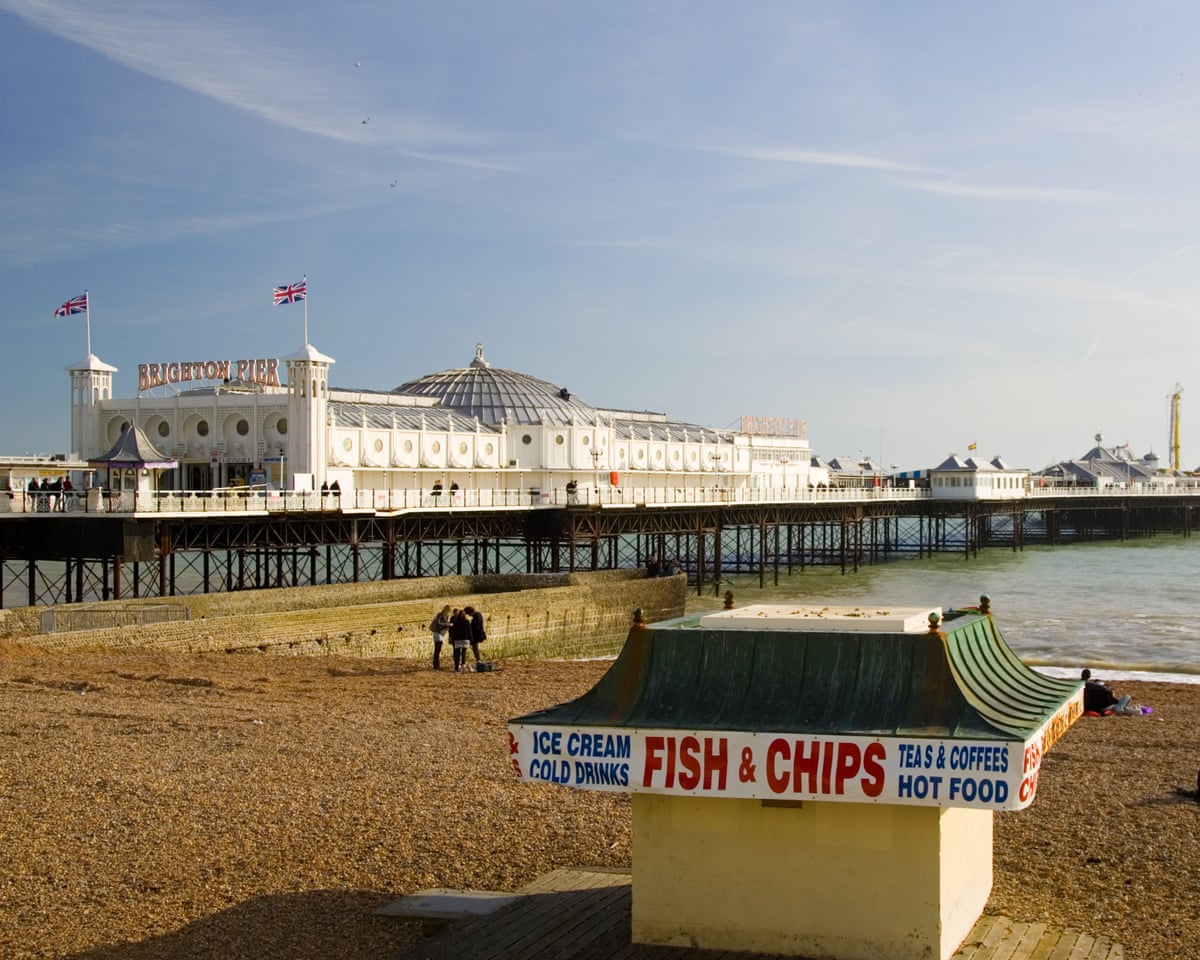
The policy was launched alongside a dedicated webpage where voters can enter their postcode to check if their area is likely to be selected for a detention centre. For example, entering the postcode E8 1EA, which corresponds to Hackney town hall—where the Greens are predicted to win council elections—returns a red warning box stating:
“Yes – on the list. Your area will be prioritised to receive a detention centre under this policy. Stand with Reform to change that.”
This announcement drew swift criticism from various political parties. Both the Greens and Labour labelled the policy as
“disgusting” and “grotesque”, while the Conservatives dismissed it as
“not a serious policy” and one “made up on the spot for a social media video.”Imran Hussain, director of external affairs at the Refugee Council, described the plan as
“unworkable and profoundly un-British.”
YouGov polling conducted on the same day, surveying over 4,000 adults, revealed that 45% of respondents found it unacceptable for a government to make decisions affecting constituencies based on the political party voters supported at a general election. Among Reform UK’s own supporters, 37% opposed such decision-making, while 34% supported it.
Strategic Motivations Behind the Policy
Reform UK's policy appears to serve multiple purposes. On one level, it was designed to capture attention on social media. By Tuesday, Yusuf’s video filmed in Brighton had amassed 3.7 million views on his X account. Yusuf, like Green leader Zack Polanski, lacks the platform of a parliamentary seat, making social media exposure particularly valuable.
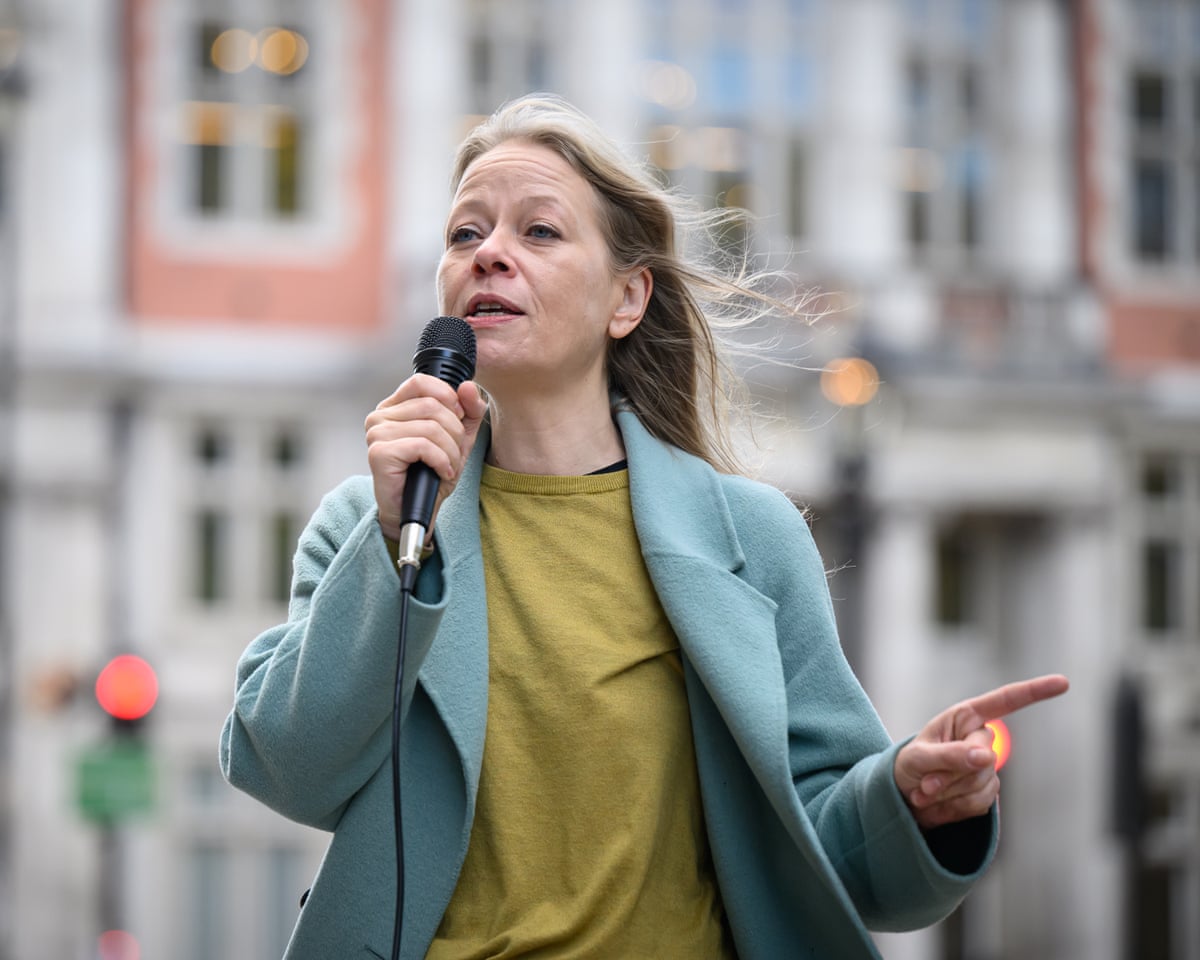
Beyond social media impact, the policy seems to reflect a broader strategic aim. It is believed to have been primarily developed within Yusuf’s office, illustrating the party’s evolving structure. A party insider remarked,
“Zia’s office moves in marvellous and mysterious ways.”
Reform UK seeks to position itself and the Greens as the two primary choices for voters, especially in the English council elections taking place this week. Yusuf stated,
“It’s clear that the failed uniparty era is over and there is a battle for the soul of our country between Reform and the Greens.”He has previously challenged Green leader Zack Polanski to a live, head-to-head debate, though without success.
The policy’s primary audience is Reform’s base in areas beyond those where the Greens are expected to gain ground, such as former Labour strongholds in London and other cities. Political analyst John McTernan, a former adviser to Tony Blair, commented,
“Reform are a very modern political party, which farms outrage and wants people to be angry, so in a low turnout election – as local elections are – this is about ensuring that their voters continue to have something to feel strongly about.”
He added,
“Reform are genuinely an authoritarian party and they say that they want to deport tens of thousands of people because they really want to do it. This new policy is the rhetorical flourish to get people talking about that policy.”
Background on Reform UK’s Deportation Policy
Reform UK’s core deportation policy was initially outlined in August of the previous year when the party unveiled its immigration manifesto. This document pledged to deport hundreds of thousands of asylum seekers, pay regimes such as the Taliban to accept their return, and dismantle the UK’s postwar human rights commitments. The plan included a five-year “emergency programme” to identify, detain, and deport illegal immigrants.
This week’s announcement marked a shift from the original manifesto. The earlier policy specified that Secure Immigration Removal Centres (SIRCs), capable of detaining up to 24,000 people, would be located in
“remote parts of the country.”In contrast, Yusuf’s new plan explicitly targets urban and Green-voting areas such as Hackney, Lambeth, and Brighton.
It remains unclear whether this pivot resulted from voter focus groups, although Reform UK has the financial resources to conduct such research. What is evident is the competition for voters who might consider either the Greens or Reform UK—two parties that, despite ideological differences, both position themselves as populist agents of change.
Reactions from Green Activists and Local Perspectives
The policy has not gone unnoticed among Green activists campaigning in areas where the party expects to make gains. James Meadway, a former adviser to Labour’s shadow chancellor John McDonnell and a Green candidate for the Bromley North ward of Tower Hamlets council, noted,
“It hasn’t come up when we knock on doors here and talk to people who are – quite obviously – much more concerned about bread and butter things.”
Meadway interpreted Reform’s policy as an attempt to appeal to its core supporters. He further observed,
“The other thing we are seeing is that even where we are finding people who are torn between voting Reform or Green, or not voting. We’re talking about people who are upset at the state of the world and who want something to change.”


