

Farage Criticizes Welsh Labour Government Ahead of Senedd Election
Nigel Farage has described Wales as a "basket case" following 27 years under a Welsh Labour government. The leader of Reform UK urged voters to decisively defeat Labour in the upcoming Senedd election, accusing the party of taking Wales for granted.

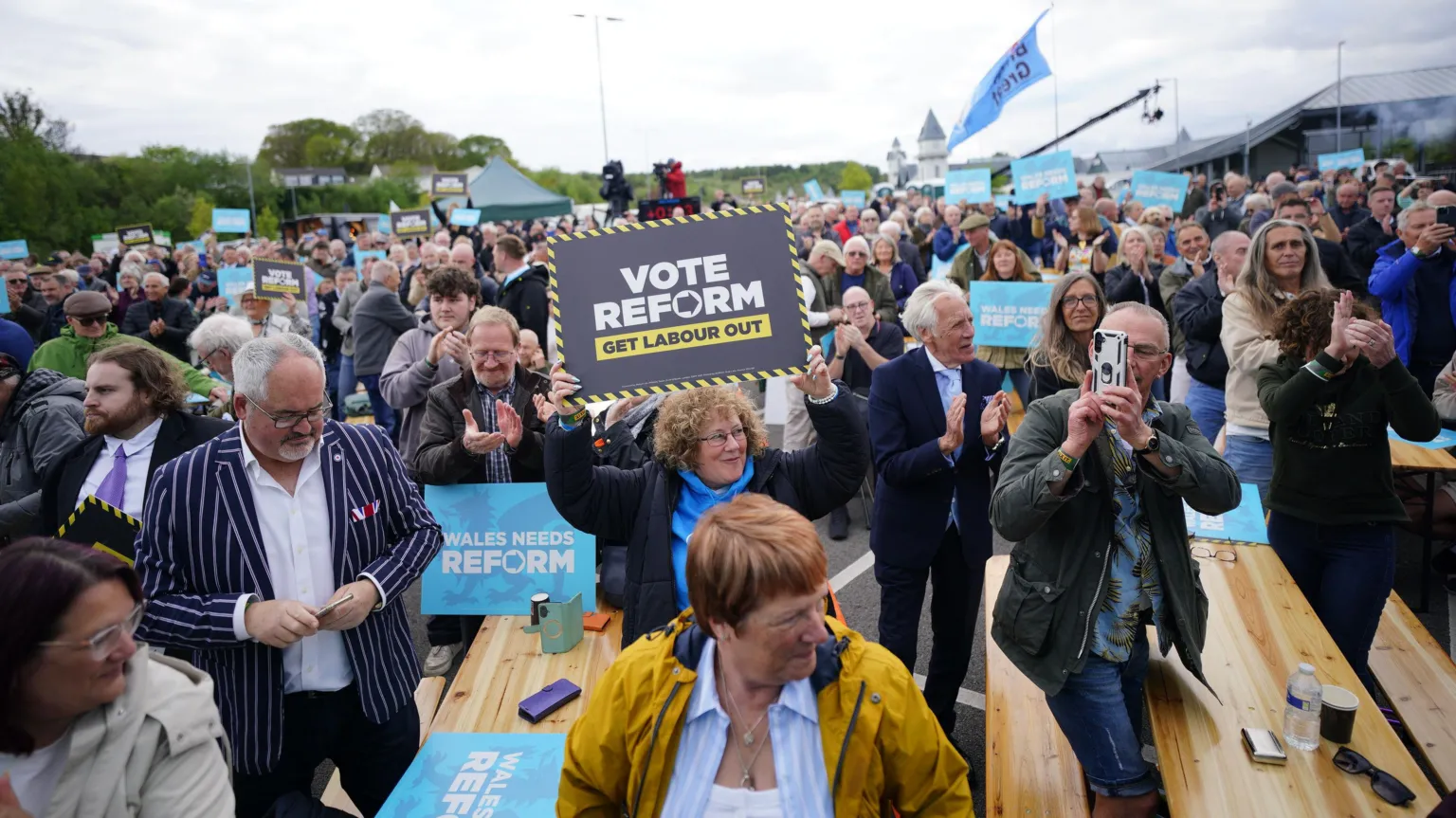
At Reform UK's final Welsh campaign event on Tuesday, held in Merthyr Tydfil, Farage also criticized Plaid Cymru candidates, labeling them "anti-English" and warning that polls showing Plaid leading in the Senedd race were as misleading as those predicting a Remain victory in the Brexit referendum.
Joining Farage at the rally was Dan Thomas, Reform UK's Welsh leader, who expressed confidence that Reform could secure a majority in the 7 May election—an outcome considered unlikely by many observers.
Comments on Migrant Detention Centres and Party Policies
Thomas appeared to endorse the notion of establishing migrant detention centres in constituencies that elect Plaid Cymru MPs in a UK general election, echoing Reform UK's earlier suggestion to locate such centres in areas voting for the Green Party.
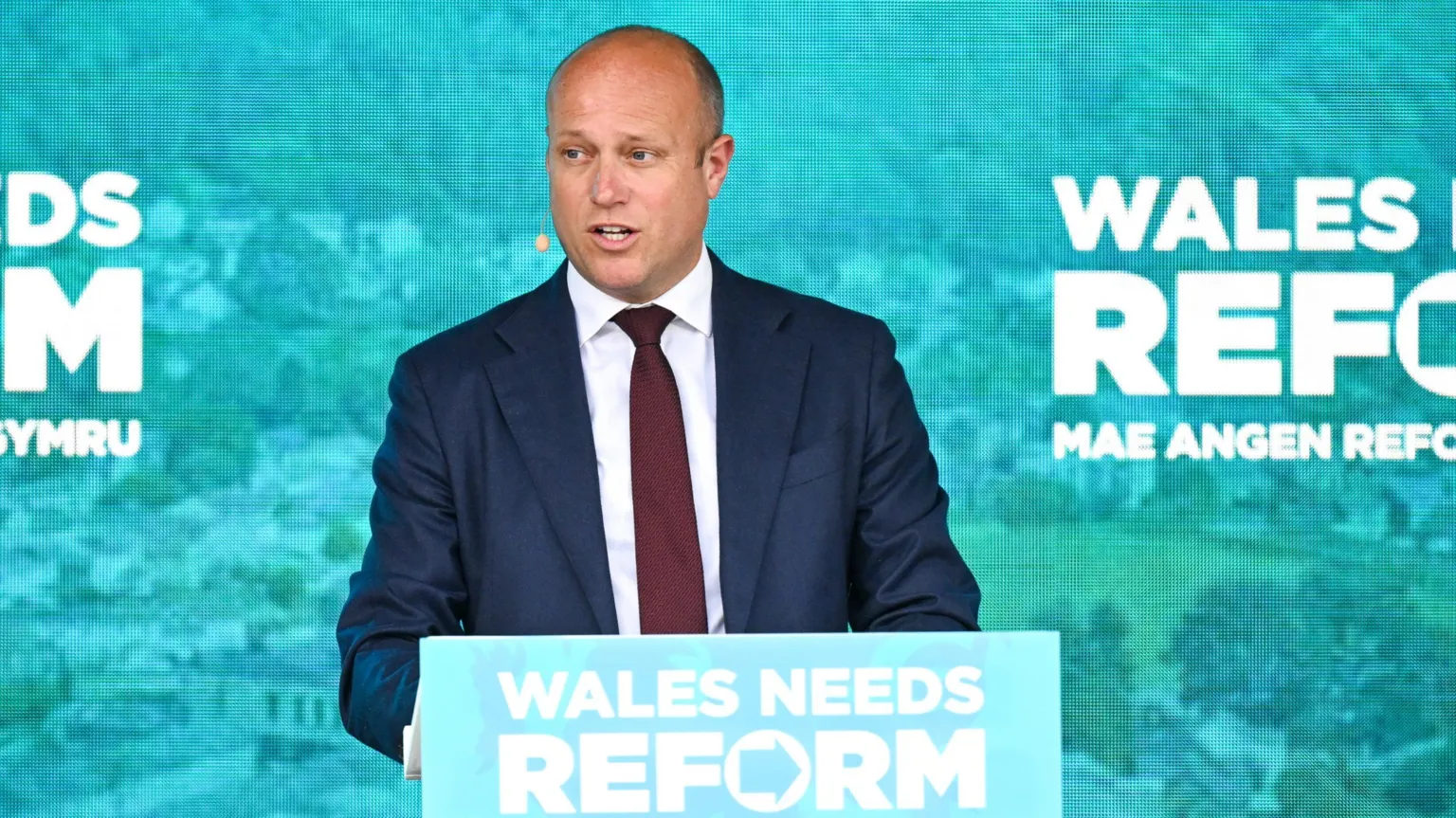
Speaking at the rally, which took place in a Trago Mills car park, Farage stated:
"Under 27 years of bad government, Wales has become a basket case - there's no doubt about it. Poorly led, idiotic policies.
What is about to happen here is that the party that has been able to take Wales for granted for over 100 years on Thursday will deservedly get smashed to smithereens by the electorate."
Farage argued that voting for Plaid Cymru would not bring change to Wales. Without providing specific evidence, he claimed that "very few" Plaid candidates had "ever had a proper job or a real life in the community," describing them as political operatives with extreme left-wing views and "frankly just plain anti-English."
"They are political apparatchiks, they are hard leftists. Many of them have very, very extreme views and are frankly just plain anti-English,"
he added.
He further cautioned against believing opinion polls that placed Plaid Cymru in the lead, comparing them to the polls that predicted a Remain win in the Brexit referendum.
"Don't believe what you're being told,"
Farage said.
Polling and Election Prospects
Recent polling has indicated that either Reform UK or Plaid Cymru could emerge as the largest party in the Welsh Parliament following the election. The latest YouGov poll released on Tuesday showed Plaid slightly ahead of Reform.
Dan Thomas expressed agreement with Reform's home affairs spokesperson Zia Yusuf, who suggested that migrant detention centres would be prioritized in areas controlled by the Green Party under a Reform UK government, citing the Greens' support for "open borders."
Thomas told the Welsh language magazine Golwg:
"If there is locations where people predominantly want so-called asylum seekers to live amongst them, or live near them, then they are welcome to have those centres.
I would say though, I don't think there's going to be any Green strongholds in Wales. I don't think its applicable to us."
When asked if Yusuf's policy would apply to areas voting for Plaid Cymru in the next general election, Thomas responded:
"Clearly people who live there would be happy as because they are voting for a pro-immigration party, so what's the problem?"
Reform UK's Ambitions and Polling Challenges
Thomas also stated at the rally that Reform UK could exceed expectations and win a majority in the Senedd, which requires securing at least 49 of the 96 seats.
Most election analysts anticipate that no party will achieve an outright majority, necessitating coalitions or informal agreements to pass legislation.
When questioned by BBC Wales about his path to power, Thomas said:
"The only reason people are saying you can't win a majority is the opinion polls,"
"I think they're out. The pollsters are struggling with this system, and with politics in general."
He added:
"I'm not saying we will. I can't take anything for granted."
Experts generally expect that the election winner will need to collaborate with other parties to secure crucial votes in the Senedd, either through formal coalitions or looser arrangements.



