

Ofcom Delays Decision on STV News Changes
The television regulator Ofcom has postponed its decision on whether to approve STV's proposed changes to its news programming, which have sparked controversy. STV intends to discontinue the separate news service for the north of Scotland and reduce the volume of local news coverage.
Originally, Ofcom planned to announce its decision before Easter, but it has now stated that the ruling will be made after the Scottish parliamentary election in May.
The National Union of Journalists (NUJ) described the delay as "astonishing."
STV's proposals have faced criticism from the Scottish government, leaders of all major parties at Holyrood, trade unions, and local politicians.
Ofcom attributed the postponement to the substantial number of responses received during its consultation period, which ended in early February.
A spokesperson for Ofcom said:
"We are now aiming to publish our decision as soon as practicable after the Scottish parliamentary elections. This will give us time to engage with representations we have received throughout the process."
Details of STV's Proposed Changes
STV's plan involves ending the completely separate news service for northern Scotland, a legacy of the former Grampian Television. Under the proposal, all news programmes would be presented from Glasgow, with viewers in both central and northern Scotland seeing largely the same stories.

However, approximately one-third of the main 18:00 programme would differ between the two regions.
STV stated it would maintain journalists based in Aberdeen, Dundee, and Inverness, and argued that the changes are intended to make the news service "sustainable." The broadcaster highlighted ongoing declines in television viewing figures and advertising revenue as factors influencing the proposal.
Strike Votes and NUJ Response
The NUJ strongly criticized Ofcom for delaying the decision, asserting that STV staff have been overextended while producing the current news service amid uncertainty.
Scottish organiser Nick McGowan-Lowe commented:
"Either Ofcom choose to stand by their earlier statement that these proposed changes are 'the best thing for audiences', or they listen to the 83% of viewers in the north of Scotland, the leaders of the five main political parties and STV's own journalists. Whichever way they choose to decide, STV's viewers and journalists deserve to know the decision now and there is no sound reason why this decision should be delayed until after the Scottish elections."
STV is expected to provide an update on its cost-saving efforts and the status of the advertising market when it releases its annual results on Tuesday.
The broadcaster is also engaged in a dispute with the NUJ and the broadcasting union BECTU over a proposed pay freeze. Both unions are currently conducting strike ballots, with results anticipated next week.
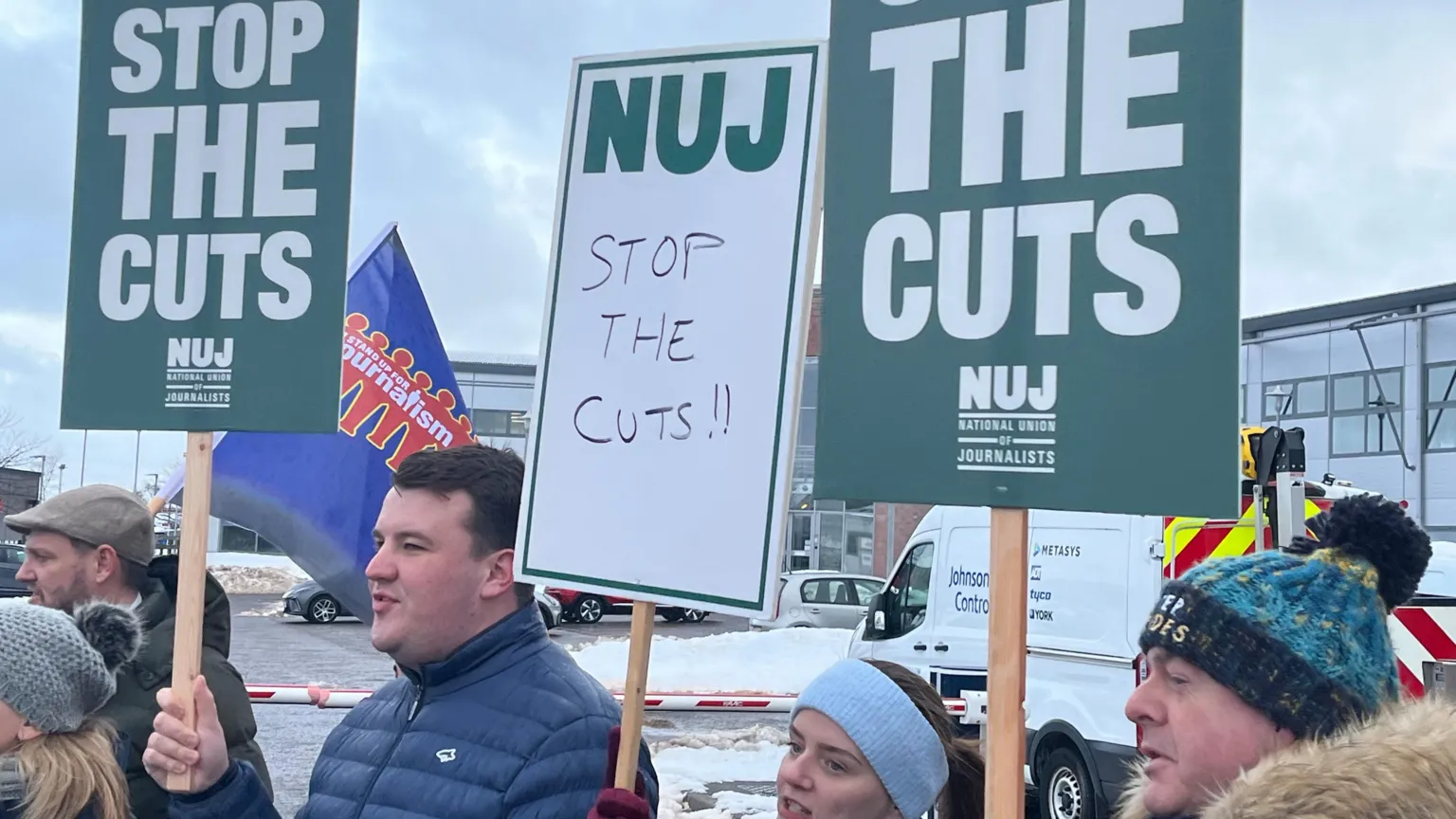
In January, the NUJ organized a one-day strike in protest against the news cuts and the potential for compulsory redundancies.
STV has been contacted for comment regarding the ongoing developments.


