

Smacking Children Remains Legal in Northern Ireland
Proposals to outlaw smacking children have been removed from new legislation progressing through the Northern Ireland Assembly. Advocates for a ban argue it would provide young people with legal protection against assault, while opponents contend it would criminalise parents.
Physical punishment of children is prohibited in Scotland, Wales, and the Republic of Ireland. Despite calls for a ban, smacking remains legal in both England and Northern Ireland.
The Justice Bill, introduced to the Assembly in September 2024, proposes significant reforms including changes to bail and custody arrangements for children, as well as enhanced services for victims and witnesses. Numerous amendments were submitted and selected for debate; however, the amendment seeking to ban smacking children was not selected.
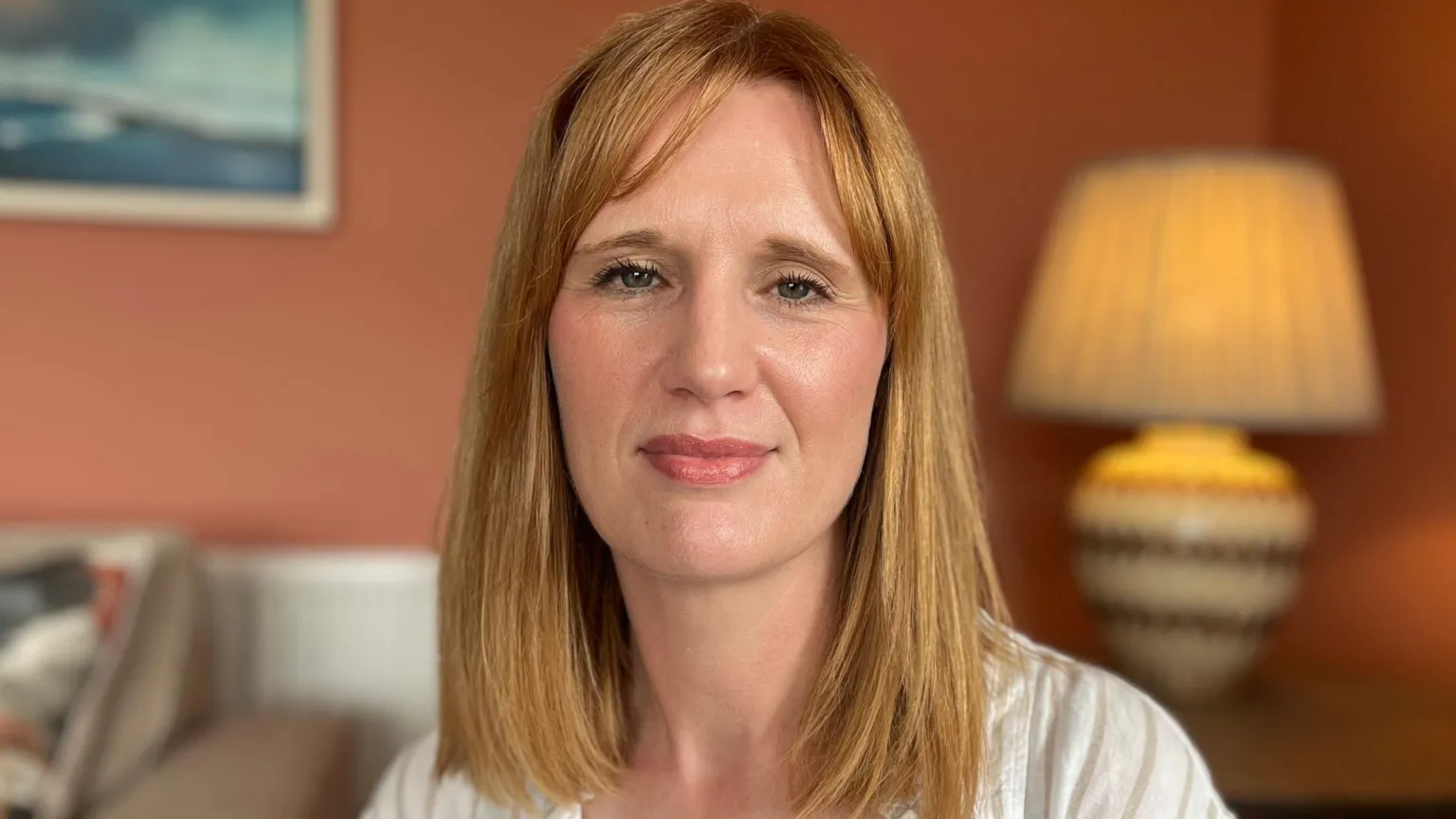
Michelle Guy of the Alliance Party proposed an amendment to abolish the defence of "reasonable punishment," which currently allows parents and caregivers to physically discipline children under certain circumstances. By the time the bill was debated in the chamber, this amendment was not selected by the Speaker.
The Equal Protection Working Group, a coalition of children's rights organisations, health professional bodies, charities, and community and voluntary sector groups, expressed profound disappointment at the amendment's exclusion. They stated the amendment would have aligned Northern Ireland with international human rights standards and ensured children have the same legal protection from physical assault as adults.
The coalition also expressed uncertainty regarding the reasons behind the amendment not being selected, stating,
"In our view, the amendment fell within the scope of the bill, and it would have allowed elected representatives the opportunity to consider and debate this important issue."
An Assembly spokesperson explained that the Speaker selects amendments based on a variety of procedural considerations and that these decisions are not subject to challenge. The spokesperson added that there is a longstanding parliamentary convention whereby the Speaker does not provide reasons for such decisions.
Out of 143 amendments tabled to the Justice Bill, the Speaker selected 132 amendments from ministers, committees, and individual members across different parties covering a wide range of issues.
Prospects for a Smacking Ban in Northern Ireland
Michelle Guy commented on the issue, stating,
"What we're trying to achieve here is to ensure that children have the same protection in law against assault as adults already do. Right now in Northern Ireland there is a legal defence available that you can physically punish children in some circumstances.
The change that I was hoping to see through the amendment would have repealed that legal defence. It would not have created a new criminal offence and that's really important."

Guy emphasised that parents would still be able to discipline their children and set boundaries within the home. She noted that although the amendment was not selected for inclusion in the Justice Bill, the most realistic opportunity for such reform would be through private member's legislation, which could only occur in the next mandate.
"What we're trying to say is not criminalising loving parents, we're trying to make sure there isn't a legal defence that abusive parents can hide behind."
Northern Ireland's Children's Commissioner, Chris Quinn, supports this position, stating,
"We will keep continuing to make these recommendations because Northern Ireland is an outlier. It's really mind-boggling to me as to why we don't want to give children the full protection that they ought to have and it's a widely supported campaign.
We recognise that children need boundaries. Children need positive discipline and they need, they need to be able to de-escalate when things get stressful. But parents need support."
Opposition Viewpoint: "If a System's Not Broken, Why Fix It?"
Paul Frew, the DUP's justice spokesperson, expressed opposition to the proposed ban, stating,
"I think that if a system's not broken, why try to fix it? I think that parents have enough to be dealing with without the state encroaching on things like this.
I believe it would criminalise parents, and I think the state will do well to stay out of what is a debate about good parenting.
If you're going to ban smacking effectively, are we going to ban grounding children because you're taking away the freedom? You're incarcerating children."
Frew added that there is no definitive manual on parenting and what constitutes good or bad parenting. He stressed that police resources should focus on investigating genuine crimes rather than parenting practices.
"I think this would also lead to an influx of reports against parents that the police then would be duty bound to investigate. I think common sense would go out the window."
Protecting Parents from Prosecution
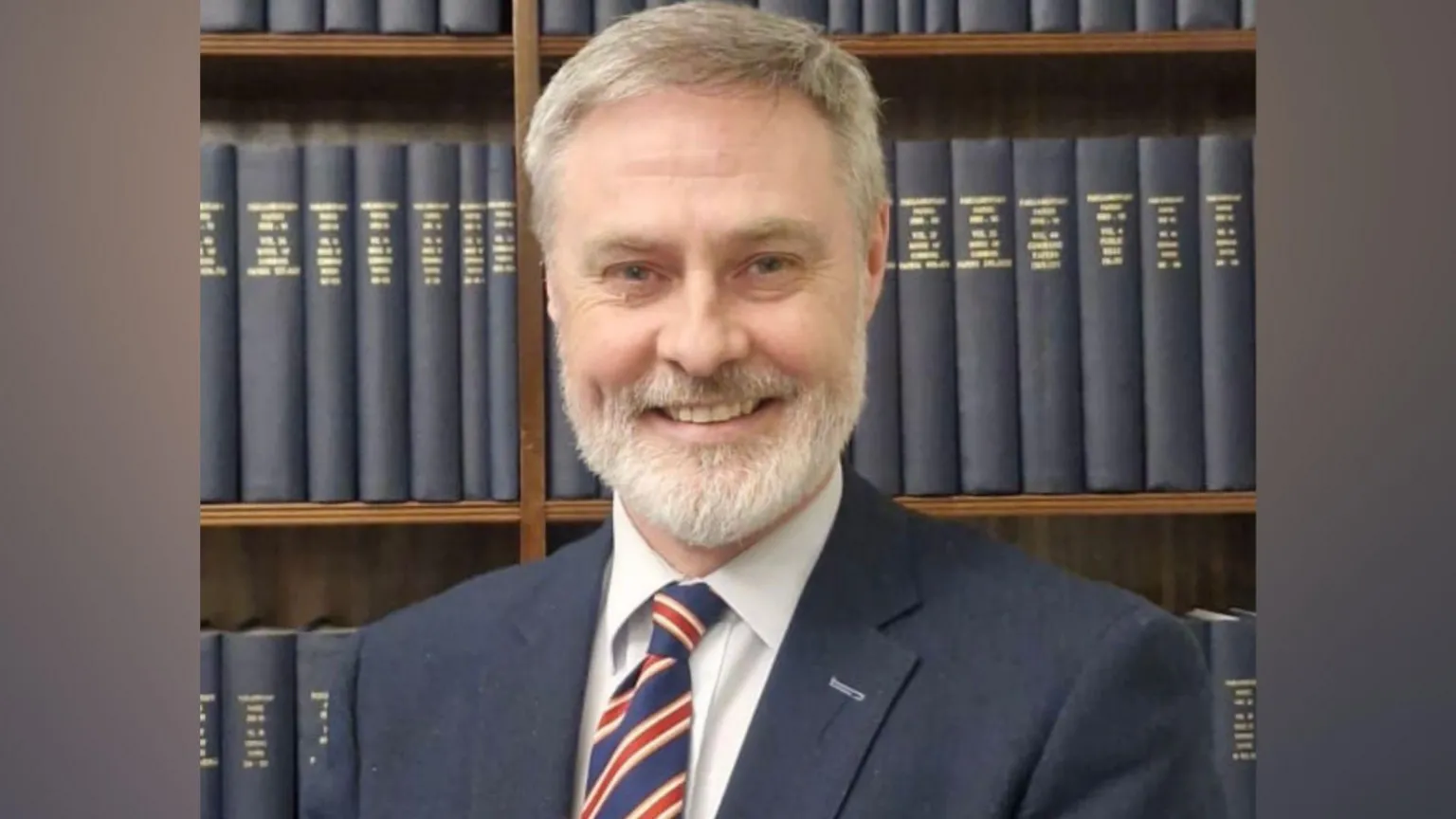
Simon Calvert, Deputy Director of the Christian Institute, highlighted that all physical abuse is already illegal. He explained that the reasonable chastisement defence protects parents from unfair prosecution for minor, reasonable actions, such as a parent tapping a toddler's hand to prevent them from touching an electrical socket.
"The reasonable chastisement defence protects parents from unfair prosecution over very minor, reasonable actions, like a mum tapping a toddler on the back of the hand to stop them reaching for an electrical socket - the kind of thing most of us experienced as kids from parents who loved us.
Repealing the defence would, by definition, make this kind of reasonable parental behaviour prosecutable."
Calvert argued that criminalising reasonable parenting decisions would not benefit genuinely abused children but would instead burden police and social services with investigations of good parents, reducing their capacity to assist children in real need.
Legislative Changes in Other Jurisdictions
In 2015, the Republic of Ireland banned smacking children. Jersey became the first part of the British Isles to implement such a ban in April 2020. Scotland followed in 2020 by outlawing physical punishment of children under 16, with Wales enacting a similar ban in 2022. Northern Ireland and England remain the only parts of the UK where smacking children is still legal.


