Secret Nato Command Bunker Hosts War Games in London
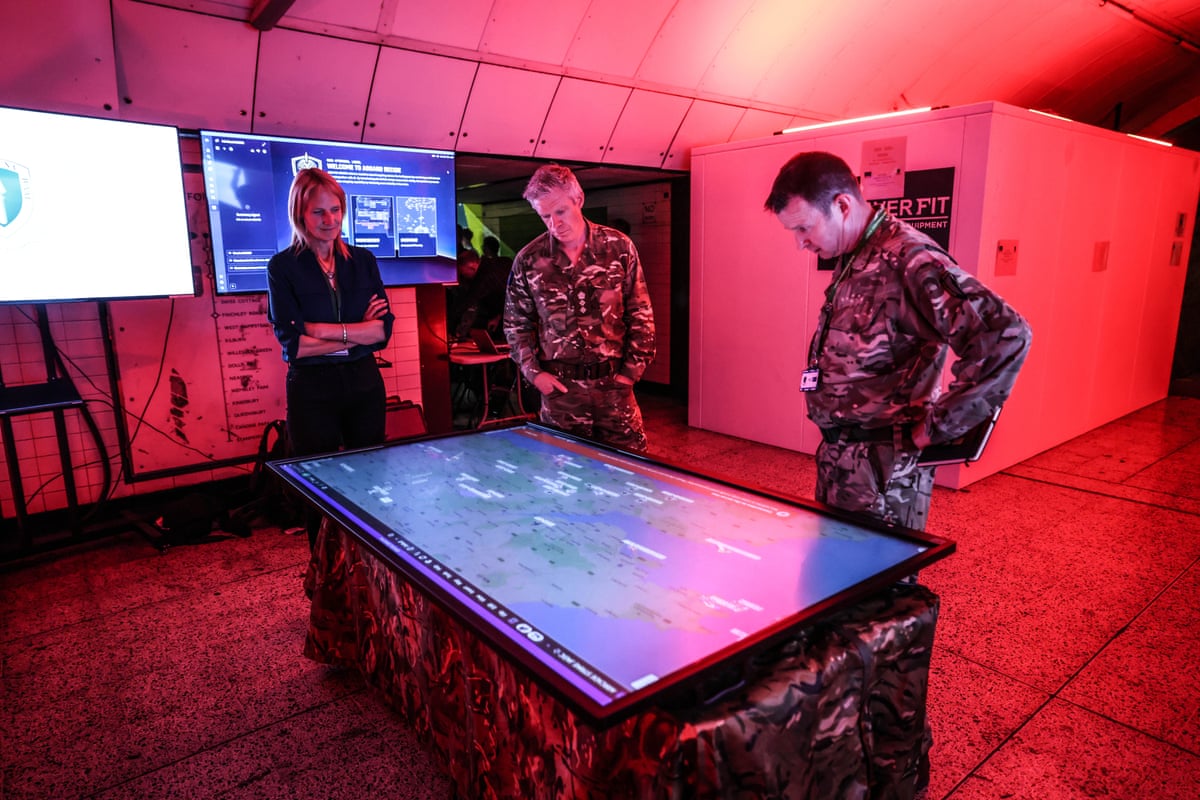
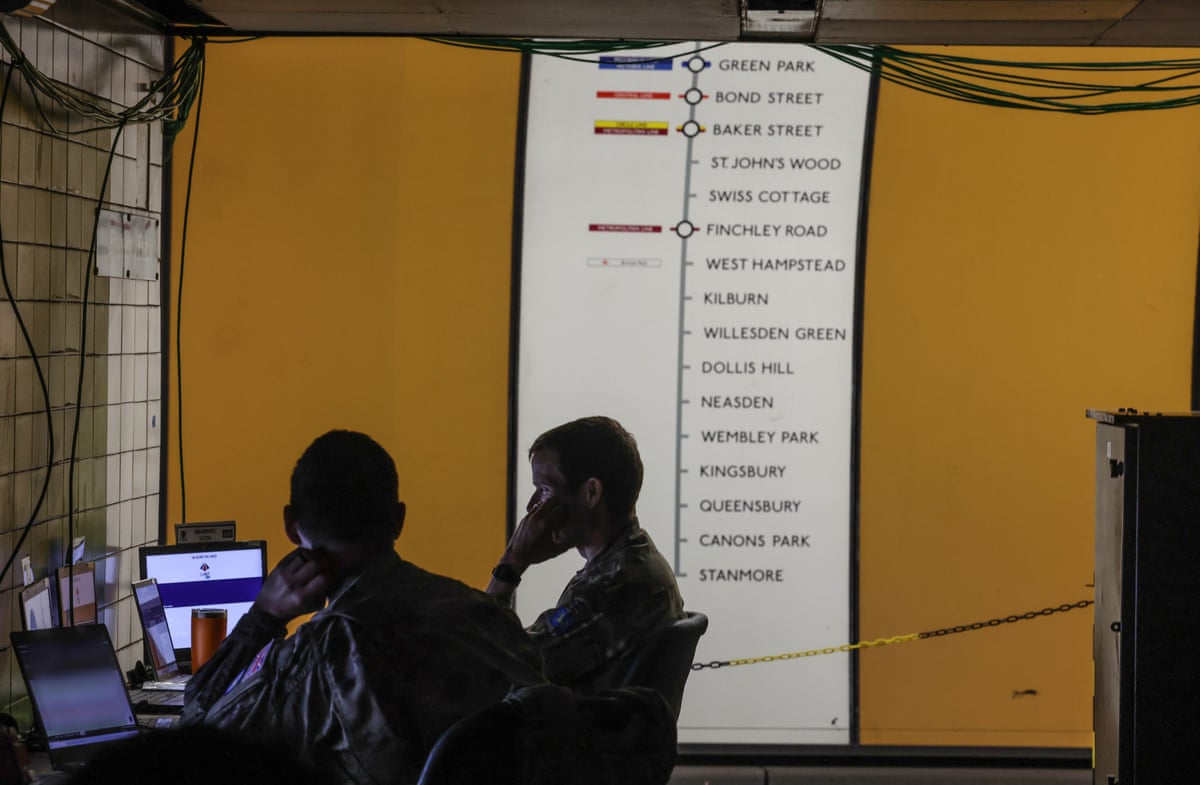
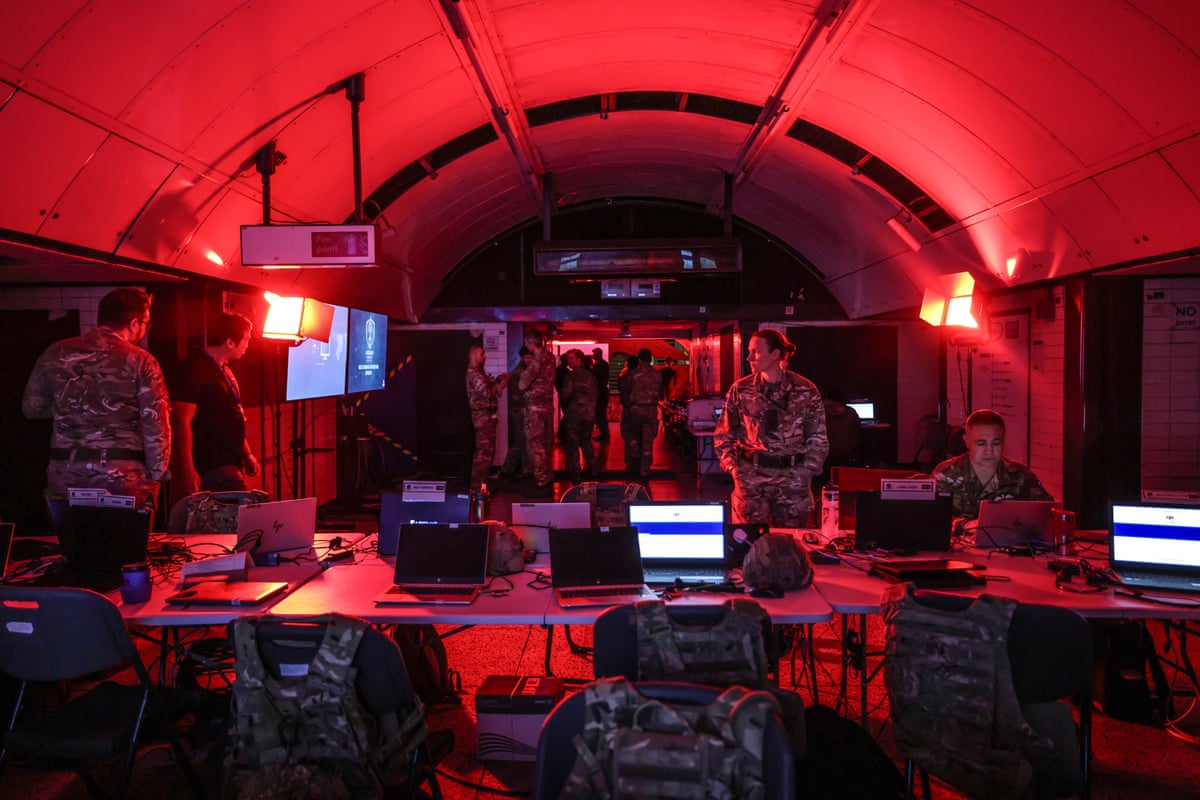
Deep within Charing Cross underground station, in the disused terminus of the Jubilee line, a covert Nato command bunker has been active this week. Dozens of predominantly British soldiers participated in a war game simulating the defence of Estonia against a Russian invasion projected for 2030, all unbeknownst to the commuters and tourists above.
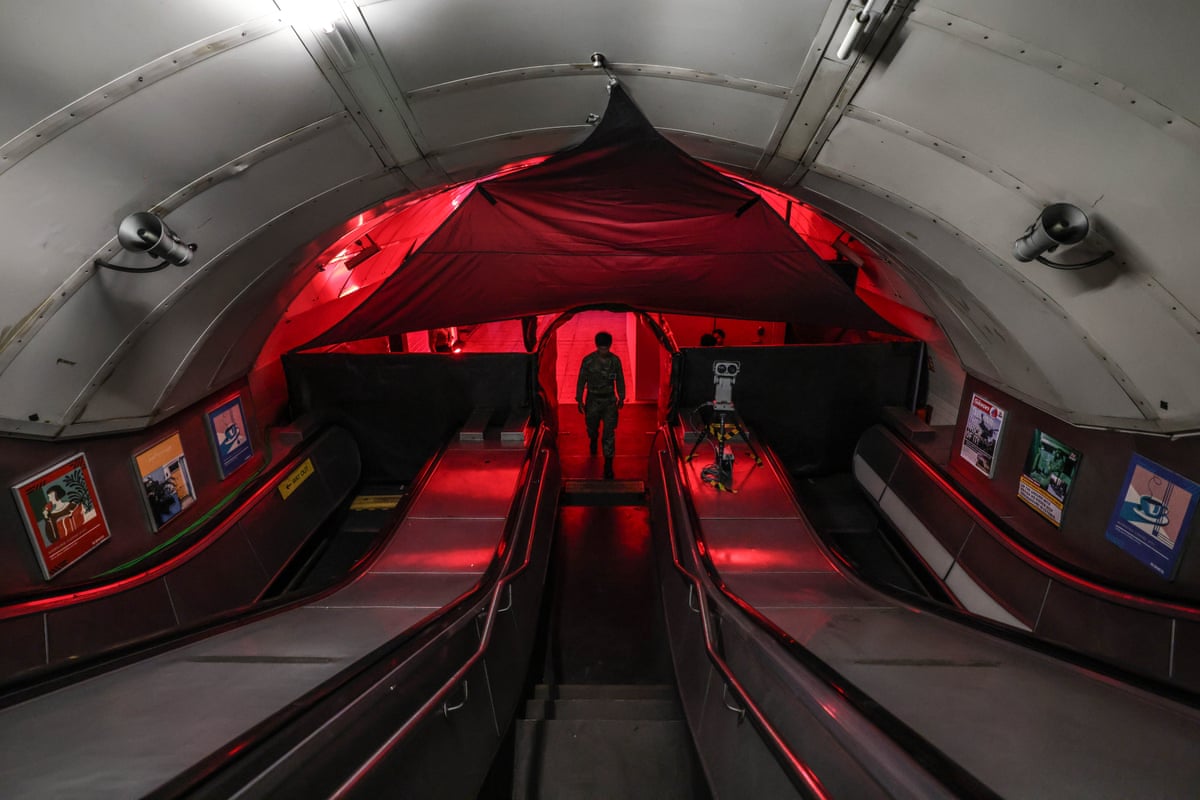
The secret chambers lie behind two sets of normally locked metal double doors. A red glow at the bottom of the escalator beyond signals the presence of troops below, followed by mocked-up newspaper covers pasted over aging advertisements. Headlines proclaim a British force deployed to Estonia in response to a Russian troop buildup on the border.
“The scenario you are about to see is very deliberately set in 2030 because that is where we see the threat from Russia to be at its most acute,”
explains Lt Gen Mike Elviss, commander of the Allied Rapid Reaction Corps, in a video briefing. Military analysts estimate that if the war in Ukraine concludes, 2030 will mark the point at which a remilitarised Russia could be poised to launch another attack on Europe.
Strategic Messaging and Funding Challenges
The exercise aims to demonstrate to Moscow that despite former US President Donald Trump’s rhetoric, Nato remains operationally prepared to defend its most vulnerable Baltic members. However, a critical audience is located about a mile away in Westminster, where the Ministry of Defence has been engaged in a prolonged funding dispute with the Treasury.
Restructuring the British army is projected to require billions in investment, particularly in drone technology. It is estimated that £50 million annually is needed to stimulate the arms industry to produce sufficient quantities of simple one-way attack drones, with £500 million per year required for the development of more advanced models.
In the event of a full-scale war in Eastern Europe tomorrow, it is understood the British military would exhaust its drone supply in less than a week, capable of launching only a few hundred drones daily. Current assessments indicate the British army is between 80% and 90% short of the drones it requires for reconnaissance, air defence, and attack roles.
Exercise Arrcade Strike and Its Objectives
The exercise, named Arrcade Strike, is designed to illustrate “the strategic reserve corps that you could have by 2030,” according to Lt Gen Elviss. On Wednesday, three junior defence ministers visited the secret bunker, though Secretary of State John Healey was occupied with official duties in Estonia, where the majority of the UK 4th brigade is currently deployed as part of a related exercise.
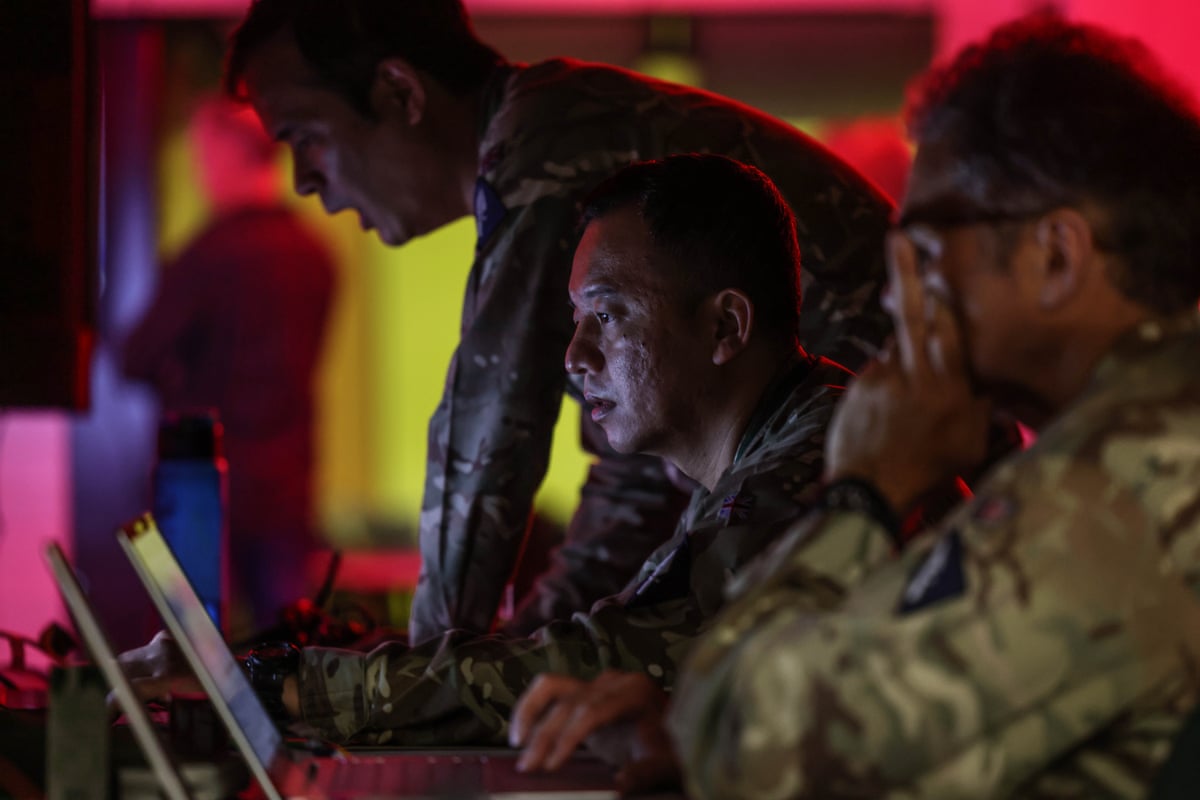
Inside the underground hall, chairs, computers, and screens fill the space, extending onto a platform. The setup resembles a temporary Ukraine-style bunker, prepared for a simulated conflict influenced not only by the war in Ukraine but also by the recent US attack on Iran.
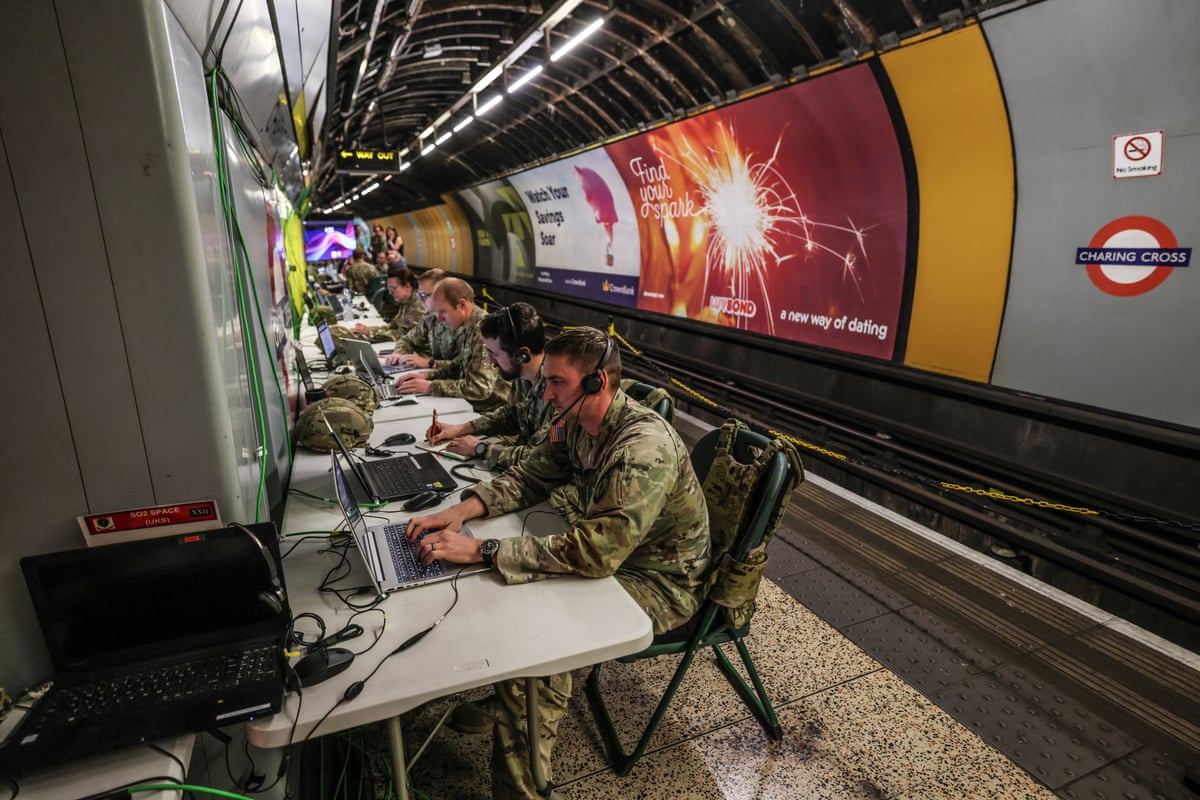
The command centre has the capacity to accommodate 500 personnel and can transmit 10 terabytes of data daily, equivalent to three months of Netflix streaming.
Simulation Details and Technological Integration
The proceedings are meticulously choreographed. Journalists attending the exercise were invited to wear virtual reality headsets provided by US technology company Anduril, which displayed a 3D model of the battle plan. In this advanced computerized simulation, the initial waves of drones are lost, but Russian positions are quickly identified and neutralized.
The operation explicitly outlines that a Nato force would deploy thousands of drones or more to spearhead a counterattack against Russian forces. These drones would locate and disable enemy air defences, other military positions, and command centres with support from fighter jets and artillery, extending the offensive from the border all the way to St Petersburg. The rehearsals are conducted openly because, as Elviss notes, “the adversary is watching.”
Artificial Intelligence and Future Warfare
One key aspect of the exercise is to demonstrate the British army’s project Asgard, a digital communication system employing artificial intelligence, referencing Hivemind technology from US firm Shield AI. This system links any surveillance node to any weapon on the battlefield. The primary purpose of AI integration is to accelerate decision-making processes, including target acquisition, reducing the time from 72 hours to two hours, following precedents set by other nations.
A virtual target is identified during the exercise, though the method of identification is not disclosed. The simulation includes a new deep strike unit capable of engaging targets up to 90 miles away using M270 artillery, hypothetically allowing it to strike Leicester if the rocket launcher were positioned at Charing Cross.
Three bombing options are presented via a dropdown menu, with AI assisting in selecting the optimal attack based on available weapons. Once an option is chosen, a new screen appears with a red flashing fire button at the bottom.
Nato’s military chief, Gen Alexus Grynkewich, an American, commended the British efforts “to transform into an AI-fuelled command post” in a video message. If the AI made any errors during Arrcade Strike, none were apparent, though it is important to note this was a demonstration exercise.
Implications and Future Funding
This exercise represents warfare in both 2026 and 2030: a rapid, high-tech method of delivering lethal force from a secure underground location. Concurrently, at the Ministry of Defence, indications suggest that several billion pounds more will be allocated next month to increase the defence budget, aiming to close an £18 billion funding gap and begin financing the British army of the near future.