

Eid al-Fitr Celebrations Amid Political Debate on Public Ramadan Prayers
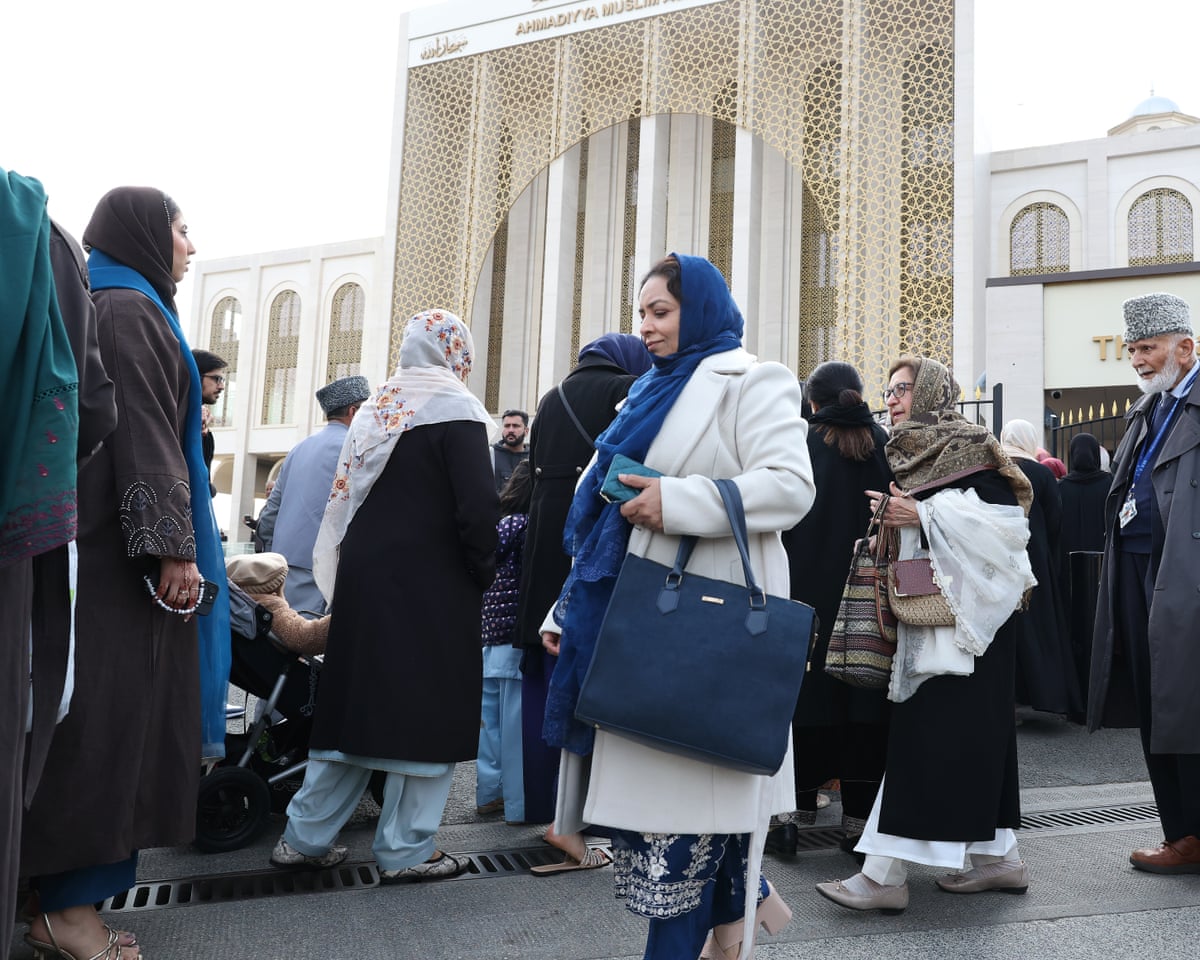
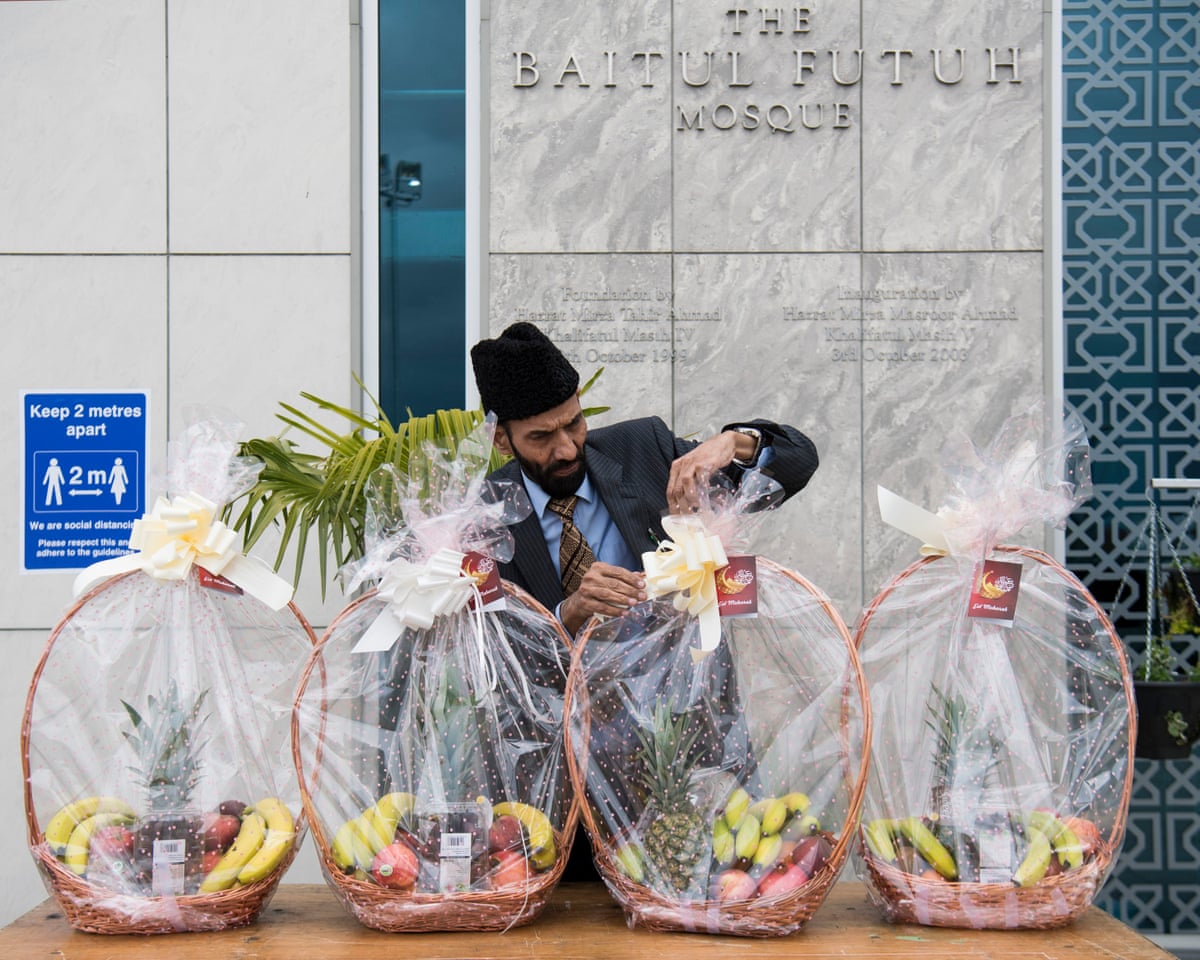
On Friday morning, Baitul Futuh mosque in south London was nearly full as thousands gathered to mark the end of the Islamic holy month of Ramadan. The mosque, one of the largest in Europe, provided a view of Eid al-Fitr celebrations observed by millions of Muslims across the UK. This year, however, the holiday has been overshadowed by political controversy, dividing UK party leaders and leaving members of the Muslim community feeling unsettled and disappointed.
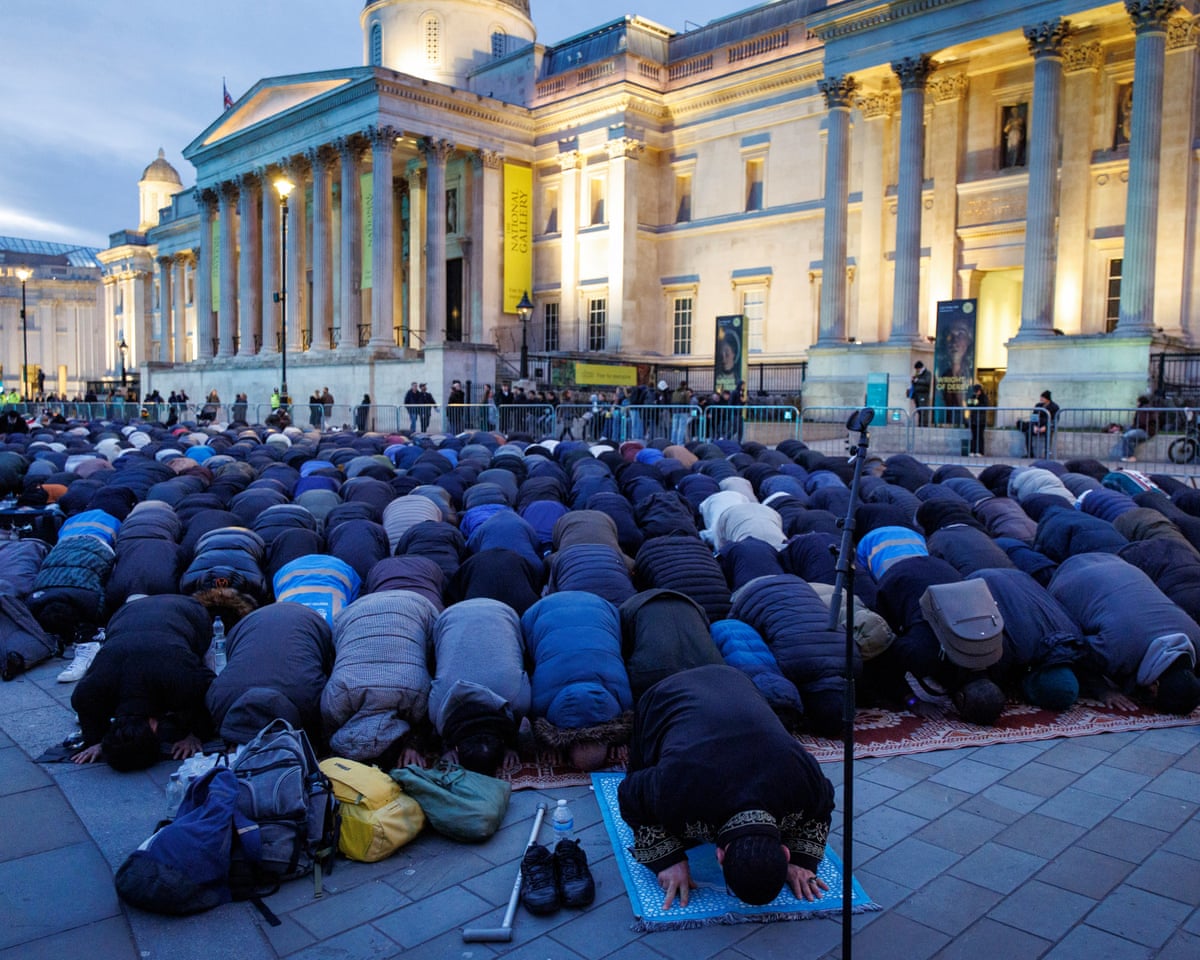
Earlier in the week, Nick Timothy, the shadow justice minister, described Islamic prayers held in public as an “act of domination” following a Ramadan event in London’s Trafalgar Square. Nigel Farage, leader of the Reform party, criticized the event—which has occurred five times previously without incident—as an attempt to "assert dominance".
Taufique Ahmad, 22, standing outside the mosque as worshippers arrived for Eid prayers, expressed concern over the “harsh and potentially harmful language” directed at the Muslim community.
“The British identity is such a strong thing that it’s not fragile enough that you see a glimpse of diversity that you’ll wither away and shatter,”
said Ahmad, a legal intern and member of the mosque’s press team.“At least my British identity is that strong that if I see other communities practising their faith publicly and peacefully, if anything it makes me feel more British.”
Political figures including Kemi Badenoch and Keir Starmer have weighed in amid concerns about shifting public discourse on identity, race, and religion. Badenoch stated that Timothy was “defending British values,” while Starmer asserted that the Conservative party “has a problem with Muslims.”

The prime minister’s response on Wednesday was welcomed by members of the Muslim community who fear they have been singled out for political gain, which they believe could lead to real-world harm.
In response to rising prejudice and discrimination against Muslims, the government has recently adopted a formal definition of anti-Muslim hostility.
Taahir Ahmad, 35, shared his personal experience growing up with such hostility. “9/11 happened when I was a kid,” he said as he headed to visit his mother after Friday prayers. “It was horrifying, I was the only brown kid at my school at the time, and kids being kids, they blamed me for everything and what not, it was kind of traumatic.”
Regarding the recent political rhetoric, Ahmad believes the intent is to create division and chaos. He suggested that leaders should attend such events to witness their peaceful nature.
“If you target a certain ethnicity or religious group, you are isolating them and what you’re trying to do is organise the public to go against those people,”
said Ahmad, a streamer living in Morden.“It’s a tactic, I understand that, not welcome, not appreciated but we learned to live with it, we learned to deal with it. We’re not as bad as the media or politicians portray us to be.”
Michelle Rahman, a practising British Muslim woman from east London, expressed that the views of some politicians do not reflect those of the broader public.
“We expect our politicians to hold unity in society, so how do I look at it? Disappointed. But what I don’t see is that that defines the United Kingdom,”
said Rahman, an NHS worker and youth leader at the mosque.“That is not the opinion of the masses. There’s been division throughout society and I see this as just one of those events, but actually it’s not a representation of the broader community.”
Related Coverage
- Definition of anti-Muslim hate will not harm free speech, says Steve Reed
- Head of UK Muslim charity ‘deeply worried’ as anti-Muslim hate crimes up by a fifth
- Suspected arson attack at East Sussex mosque investigated as hate crime
- UK Islamophobic assaults surged by 73% in 2024, anti-hate crime charity reports
- UK mosques allotted record security funding from hate crime scheme
- Sadiq Khan fears rise in UK hate crime linked to Middle East violence
- ‘We wake up with anxiety’: victims of far-right riots on lingering fear and an uncertain future
- Police in England urged to protect mosques as far right plans more rallies
- UK anti-Islamophobia body has not met for four years despite hate crime rise


