Vetting Officials Flag £1m Loan and Foreign Ties in Mandelson Security Review
Peter Mandelson’s connections to senior figures in China, Russia, and Israel were highlighted as concerns by the UK’s vetting agency, which recommended denying him security clearance, multiple sources told .
The United Kingdom Security Vetting (UKSV) agency flagged Mandelson’s associations with China’s finance minister Lan Fo’an, the sanctioned Russian oligarch Oleg Deripaska, and former Israeli military intelligence general Tamir Hayman shortly before Mandelson assumed his role as the UK ambassador to the US, the sources said.
Additionally, UKSV noted Mandelson’s close relationship with a fourth British individual that could be compromising. Another issue raised was a £1 million loan Mandelson received to invest in an Israeli startup. UKSV also observed that Mandelson appeared naive about the risks that historical relationships with certain individuals could be exploited.
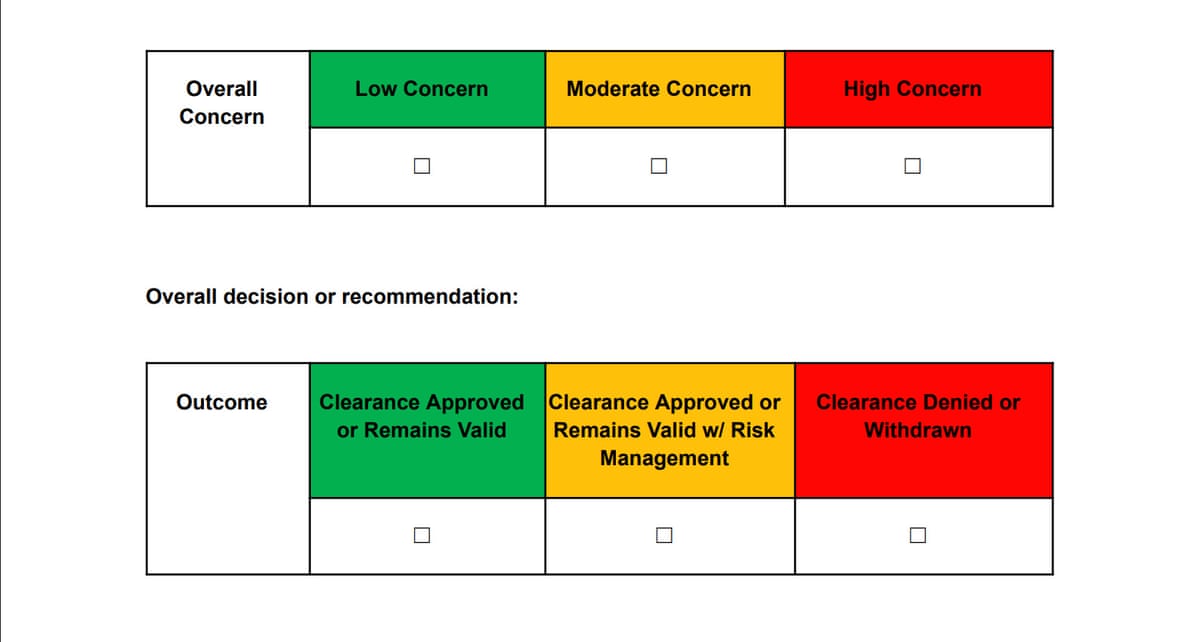
These concerns were detailed in a nine-page UKSV summary of Mandelson’s vetting file dated January 2025, according to sources who spoke on condition of anonymity. The agency’s overall assessment was that Mandelson posed a “high” concern, leading to a recommendation to the Foreign Office to deny him developed vetting clearance.
Despite these warnings, Olly Robbins, the then Foreign Office permanent secretary, granted Mandelson security clearance after being briefed on the UKSV summary.
’s disclosure of these concerns follows a parliamentary motion known as a humble address, which ordered the release of all documents related to Mandelson’s appointment. The intelligence and security committee (ISC) publicly accused the government of withholding some vetting documents and applying overly broad redactions.
During a parliamentary debate, MPs from multiple parties criticized the Cabinet Office’s handling of the vetting process, warning that public trust was being undermined. Some MPs accused the government of a cover-up and threatened motions to hold ministers in contempt.
The second tranche of Mandelson’s files is expected to be released in June, with ministers describing it as one of the largest document releases of its kind. However, sources familiar with the Cabinet Office’s work indicated that officials have heavily redacted or withheld files to avoid political embarrassment. One source said the crucial nine-page UKSV summary file was initially set to be withheld entirely.
’s revelations increase pressure on Keir Starmer’s government to release all relevant files and clarify what “mitigations” were implemented to manage the risks associated with Mandelson’s wide-ranging connections.
Ministers will also face questions about potential national security harm during Mandelson’s seven months in Washington, especially concerning his links to Lan and Deripaska, both senior figures in hostile states.
Starmer criticized the clearance decision last month after revealed Mandelson had been cleared despite UKSV’s recommendation to deny clearance. Starmer called it “unforgivable” and “staggering” that senior civil servants did not inform ministers of the agency’s findings.
Robbins granted clearance on 29 January 2025, hours after receiving the UKSV file. In testimony to MPs, Robbins described Mandelson’s case as “borderline” and declined to specify UKSV’s concerns, except to confirm they did not relate to Mandelson’s association with convicted sex offender Jeffrey Epstein, which led to his dismissal in September 2025.
Mandelson’s security vetting began on 23 December 2024, three days after Starmer announced him as the UK’s ambassador to the US. National security vetting aims to assess risk objectively rather than identify wrongdoing. Applicants disclose detailed personal, financial, and business information, which UKSV evaluates for concerns ranked low, moderate, or high.
The nine-page UKSV summary file, completed on 28 January 2025 and sent to the Foreign Office the next day, concluded with a recommendation to deny clearance. Robbins decided to grant clearance hours later, citing mitigations to manage risks.
Ties to China’s Finance Minister
Lan Fo’an was appointed China’s finance minister in October 2023 after serving in Guangdong’s finance department and as Shanxi’s provincial party leader. The nature and timing of Lan’s association with Mandelson remain unclear. UKSV noted that they spoke several times annually but had not communicated for 12 months before Mandelson’s vetting began.
During the vetting process in January 2025, Mandelson reportedly received sensitive Foreign Office briefings on China. Philip Barton, Robbins’ predecessor, told MPs that these briefings likely included the UK government’s policy audit on China.
Mandelson’s interest in China dates back to his tenure as EU trade commissioner, during which he negotiated trade policies and tariffs on multiple visits. He also cultivated China contacts through his lobbying firm, Global Counsel, though it is unknown if his relationship with Lan had commercial aspects.
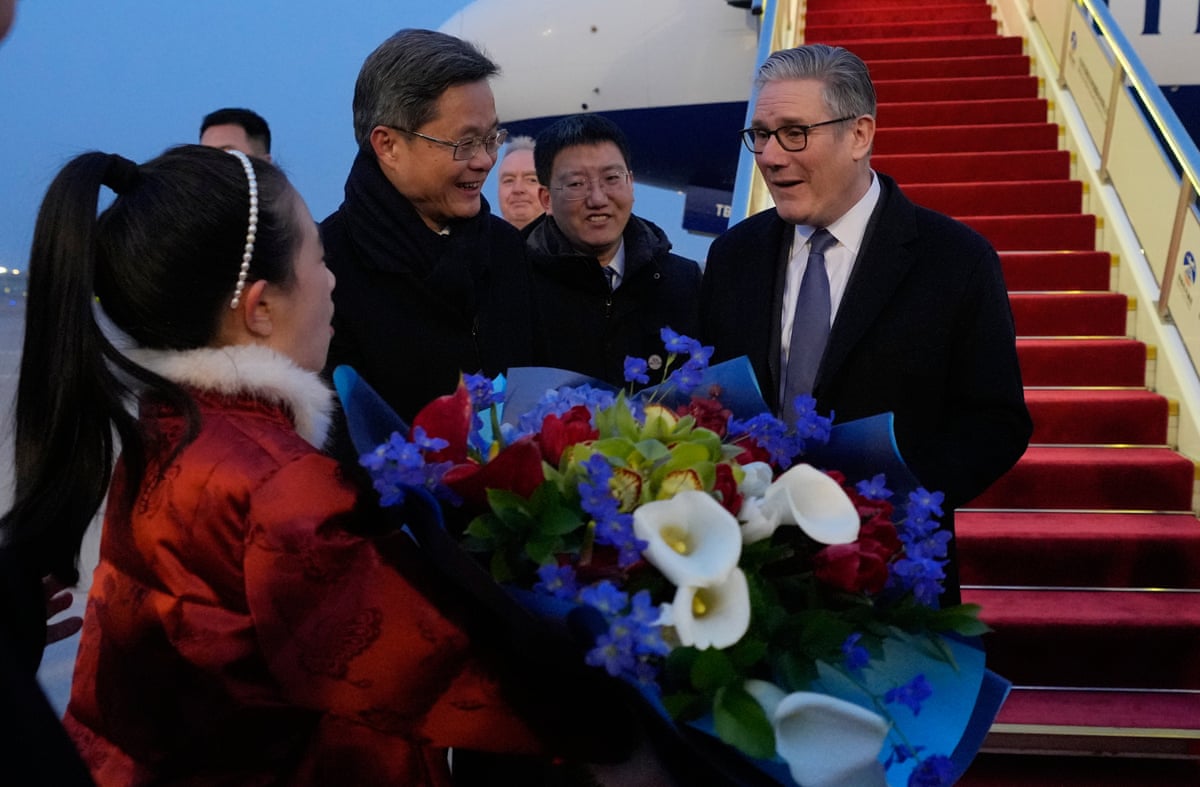
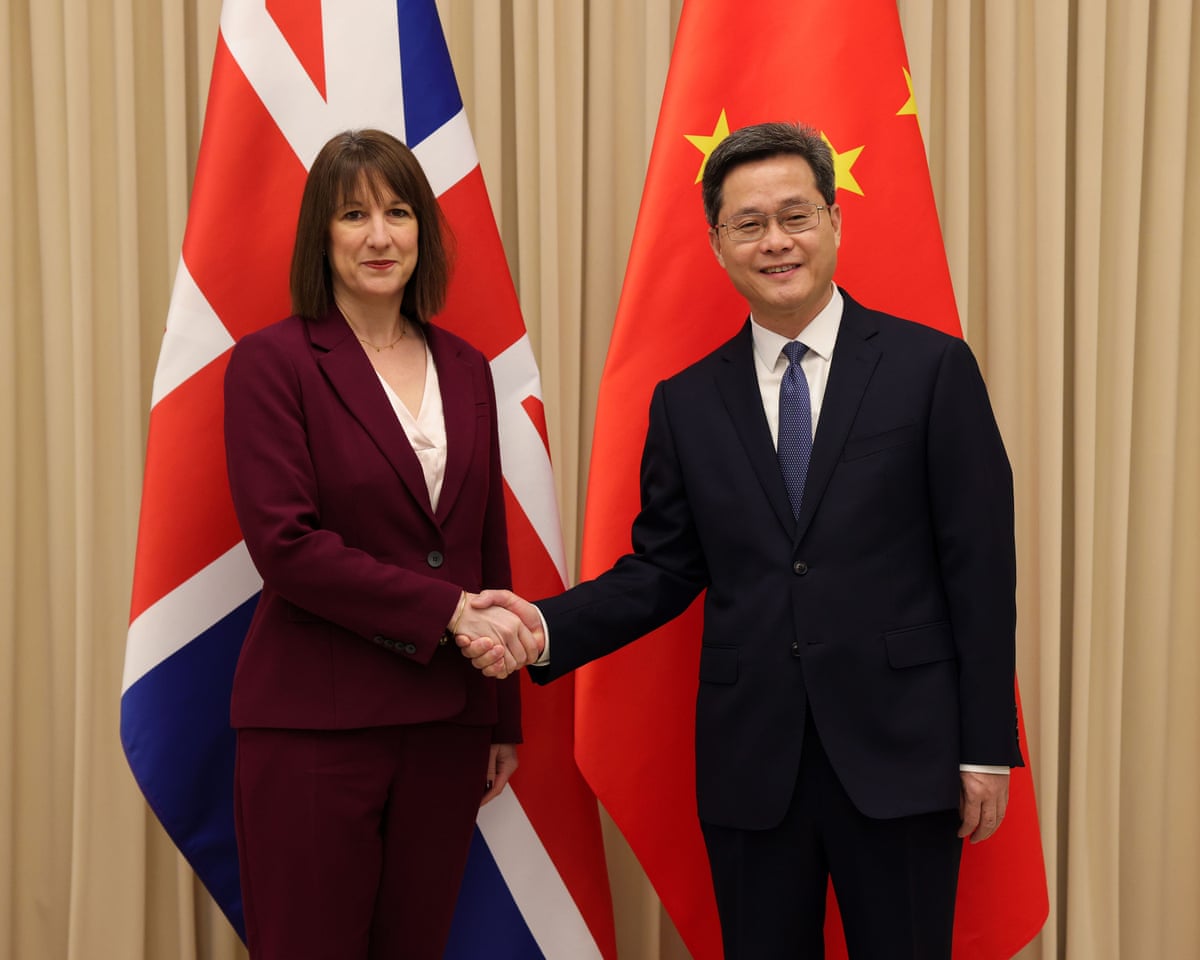
Since Lan’s appointment as finance minister, he has played a key role in UK-China talks. Lan greeted Starmer in Beijing in January 2026 during the first British prime ministerial visit since 2018. Lan also met Chancellor Rachel Reeves in Beijing in January 2025, while Mandelson’s vetting was ongoing, and again in Washington in April 2025, during Mandelson’s tenure.
The government faces questions about whether Mandelson was involved in these meetings and how any conflicts of interest were disclosed and managed.
Friendship with Russian Oligarch
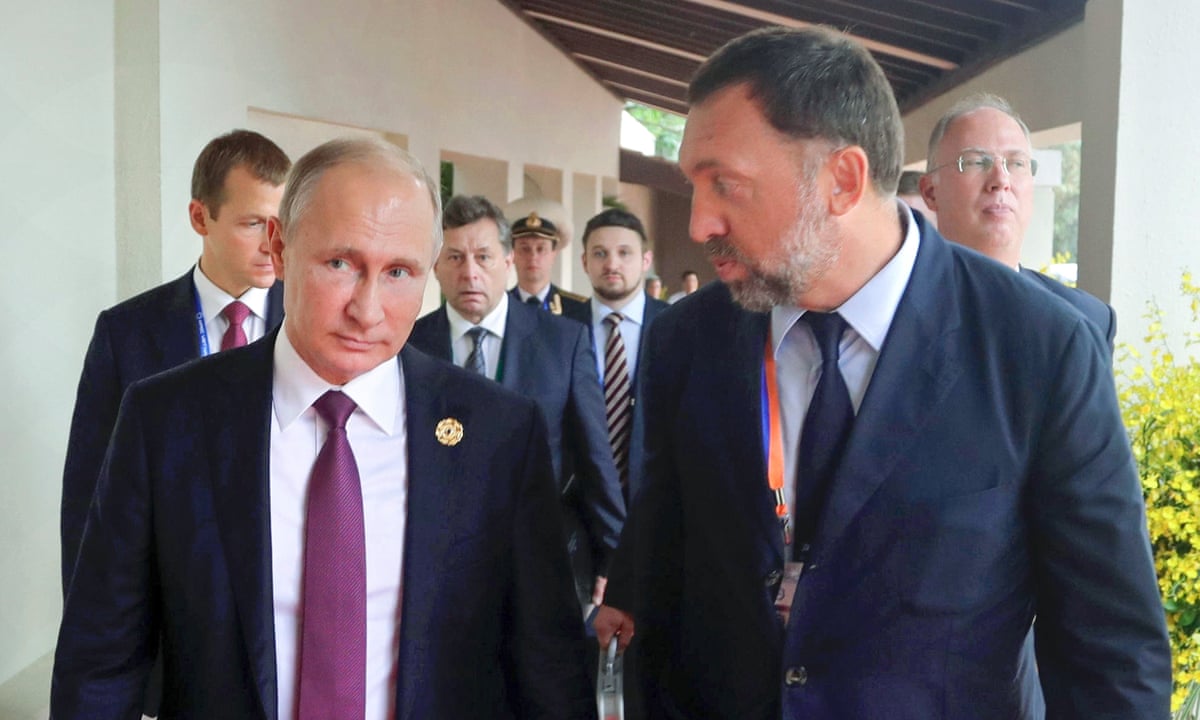
Mandelson’s controversial friendship with Oleg Deripaska has been publicly known for nearly two decades. The relationship predates a 2008 gathering on Deripaska’s 73-metre yacht off Corfu, where Mandelson reportedly criticized then-Prime Minister Gordon Brown to George Osborne.
Deripaska, once dubbed “the king of aluminium” for his vast metal holdings, is among Russia’s wealthiest oligarchs. Mandelson’s relationship with him began before the yacht event and continued for years afterward.
US Department of Justice files reveal that in 2010 Mandelson sought Deripaska’s assistance to secure a visa for Jeffrey Epstein to travel to Moscow. Emails from that period refer to Deripaska using codes like “OD” and “Mr D.”
In 2016, Mandelson and Global Counsel helped Uber executives gain access to Deripaska’s party at the World Economic Forum in Davos.
Deripaska was sanctioned by the US in 2018 for alleged ties to the Russian state and accusations of money laundering, racketeering, and extortion, which he denied. Following Russia’s 2022 invasion of Ukraine, the EU and UK sanctioned Deripaska for his links to Vladimir Putin’s regime.
Sources said UKSV noted Mandelson considered Deripaska a friend and maintained occasional contact, though they had not spoken for about a decade.
Links to Israeli Spy Chief and Tech Firm
Unlike his relationship with Deripaska, Mandelson’s connection to Tamir Hayman, a former Israeli military intelligence chief, was not publicly known. UKSV noted Mandelson spoke with Hayman bimonthly.
Hayman led Israel’s military intelligence directorate from 2018 to 2021, overseeing surveillance, espionage, and cyberwarfare operations. He has claimed that under his leadership, the directorate influenced the US’s decision to assassinate Iranian commander Qassem Suleimani.
Hayman currently directs the Institute for National Security Studies, a prominent security thinktank in Tel Aviv. The origin of Mandelson’s association with Hayman remains unclear.
Another Israeli connection identified by UKSV concerns Mandelson’s stake in Moon Active, an Israeli company behind the popular mobile game Coin Master. The company reportedly earned over $2 billion in revenue last year and is known for its secrecy.
Mandelson declared his Moon Active investment in the House of Lords register of interests in July 2019, but did not disclose a £1 million loan used to purchase shares, raising questions about compliance with disclosure rules.
UKSV noted the loan was provided by a businessman and was intended for shares scheduled for sale in 2026.
It remains unknown whether Mandelson disclosed the loan or his associations with Lan, Deripaska, and Hayman on the Foreign Office conflict of interest form, which requires disclosure of financial interests and personal relationships that could pose conflicts.
Why We Have Revealed the Vetting Details
decided to publish UKSV’s concerns about Mandelson after careful consideration of the public interest.
In February, parliament passed a humble address ordering the government to release all papers related to Mandelson’s appointment. The motion stipulated that sensitive documents should first be reviewed by the ISC to determine if redactions were necessary for national security or international relations.
Following the motion, debates occurred at the highest official levels about whether Mandelson’s vetting documents should be sent to the ISC. Cabinet Office permanent secretary Cat Little and Robbins confirmed that some advocated for keeping the files in a “hermetically sealed box” citing national security.
Only after ’s April 16 report revealing Mandelson’s clearance against UKSV advice and Robbins’ subsequent dismissal were key documents shared with the ISC.
A source familiar with ISC work said a “flood of materials” was released to the committee after ’s story, including the critical nine-page UKSV summary file.
The Cabinet Office published a template of that file, and Starmer disclosed parts of the contents in parliament, noting UKSV officials had marked two red boxes indicating “high” overall concern and a recommendation to deny clearance.
Nevertheless, concerns have grown that the government continues to withhold materials it is obligated to release and may block public access to the key summary file.
On May 15, the nine-member ISC publicly expressed concerns that the government was withholding documents without authority.
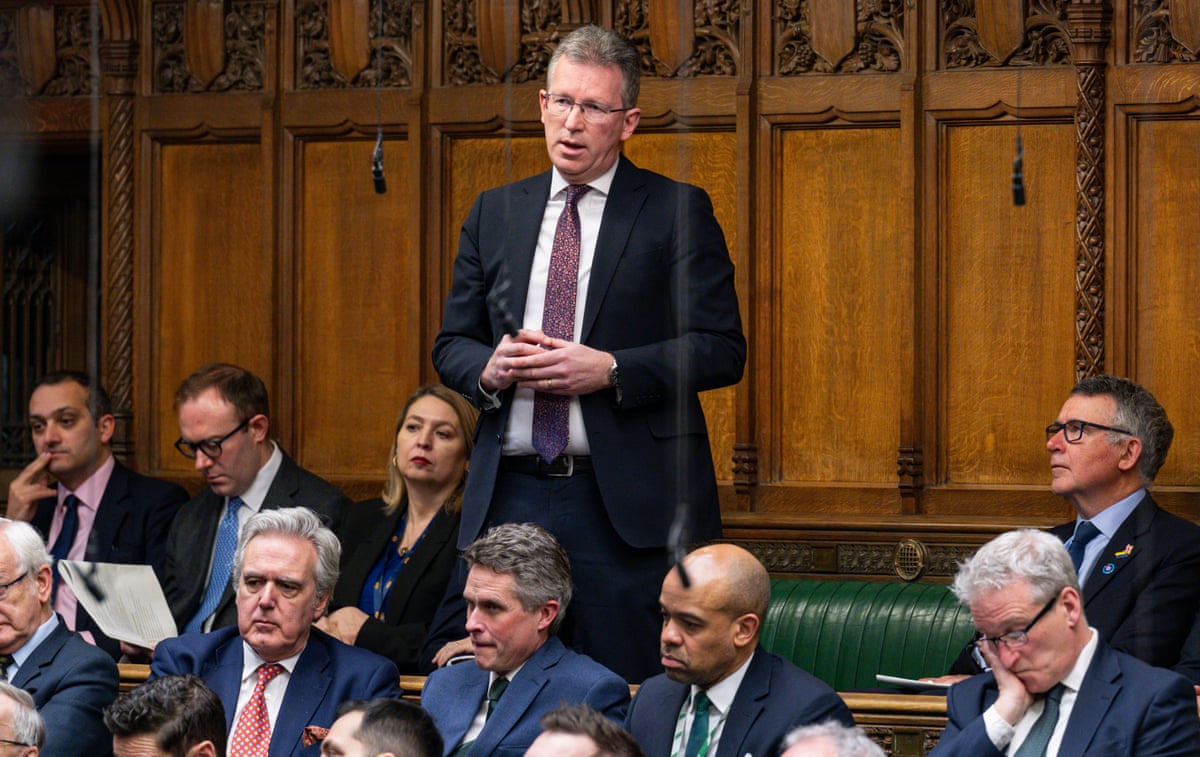
During a House of Commons debate on May 19, Jeremy Wright, KC and ISC deputy chair, revealed ministers were withholding some vetting documents entirely and applying redactions unrelated to national security or international relations, citing commercial sensitivity of third-party data. He warned this could challenge parliamentary sovereignty.
Emily Thornberry, chair of the foreign affairs select committee, shared these concerns, stating,
“My committee and the ISC are trying our best to get to the truth, and we are having obstacles put in our way.”
A government source familiar with Cabinet Office redactions said officials sought legal arguments to comply with the letter but bypass the spirit of the humble address. Another source said the nine-page UKSV summary file, which the ISC believes should be public, was planned to be withheld entirely.
During the parliamentary debate, Darren Jones, the prime minister’s chief secretary overseeing the Cabinet Office’s release of Mandelson files, defended the government’s right to redact and withhold sensitive vetting files from parliament.
Jones said the second batch of Mandelson files would be released after parliament’s June recess and denied cover-up allegations, stating,
“If there was any suggestion of a cover-up, I would not be standing at this dispatch box to defend the process. I would resign.”
The Cabinet Office, Foreign Office, and representatives for Mandelson, Robbins, Lan, Deripaska, and Hayman have been contacted for comment.
Additional reporting by Harry Davies