

Mayor to Consider Charges on SUVs in London
The mayor of London, Sir Sadiq Khan, is evaluating the possibility of imposing charges on drivers of SUVs in the capital. This consideration follows research by Transport for London (TfL) indicating that SUVs contribute to "intensifying risks across London."
Data from City Hall highlights that large SUVs are significantly more likely to cause pedestrian fatalities compared to smaller vehicles when involved in collisions.
This proposal is part of a newly published Vision Zero action plan, which aligns with the mayor's broader strategy to eliminate deaths and serious injuries on London's roads by 2041.
However, the City Hall Conservatives criticized the proposal, labeling it "ridiculous" and asserting that the Vision Zero plan reflects the mayor's "anti-car agenda" rather than a genuine effort to enhance safety for Londoners.
The number of SUVs in London has increased dramatically over the past two decades, rising from approximately 80,000 in 2002 to 800,000 in 2023, according to the campaign group Clean Cities.
Impact of SUVs on Urban Streets and Road Safety
The Vision Zero action plan analysis states:
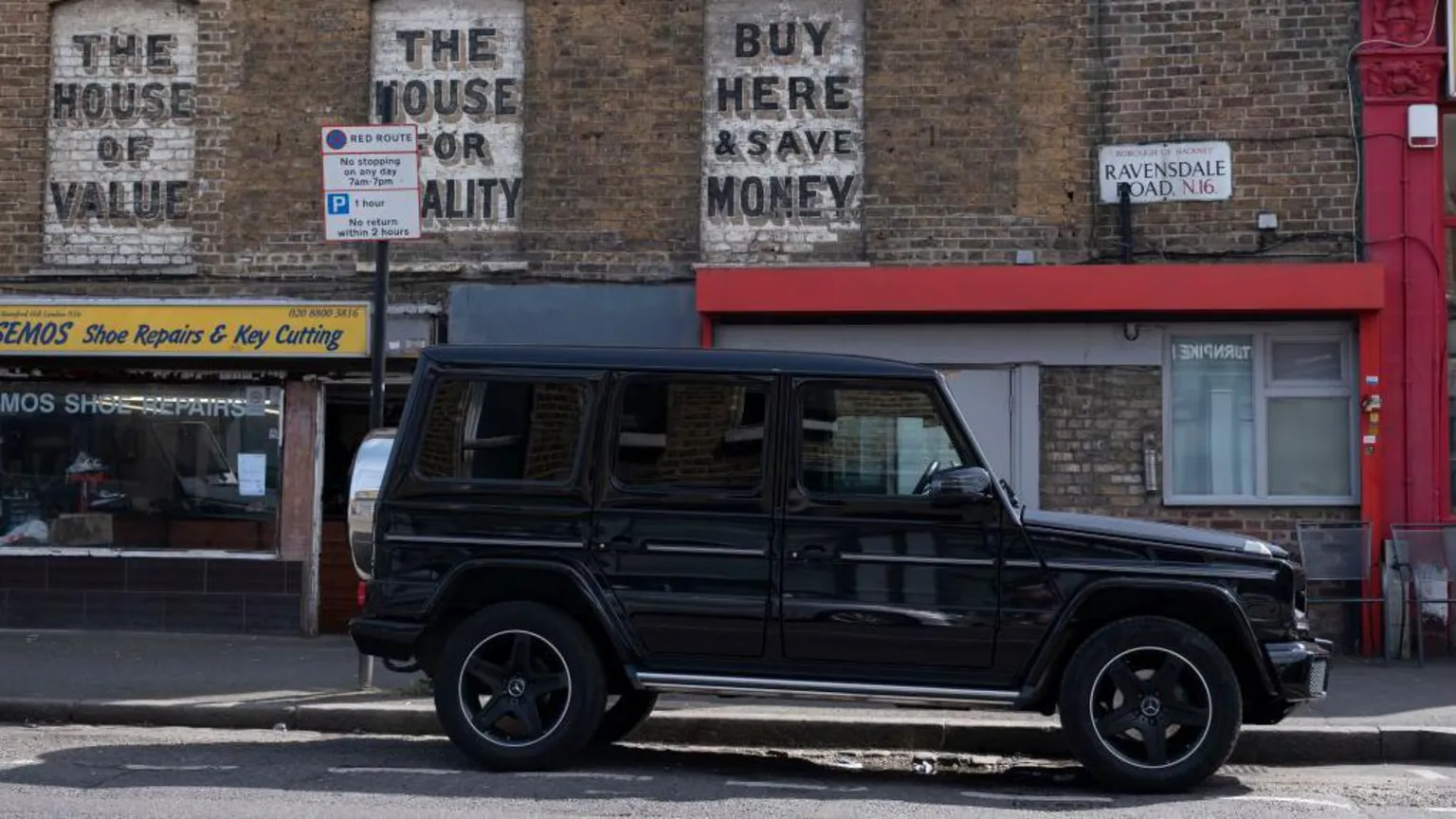
"Large SUVs are physically reshaping urban streets, with half of new cars now too wide for minimum specified parking spaces.
They take up more road space, leaving less for people cycling and motorcycling, and block sight lines needed to cross or use the road safely.
Their bulk makes junctions, crossings and residential streets more hazardous for everybody outside the vehicle.
Without action to address oversized and heavier vehicles, more people will be seriously injured or killed."
The plan outlines 43 actions aimed at reducing road risks, including the use of artificial intelligence to identify dangerous drivers, expanding 20mph speed limits, and introducing 1,000 new pedestrian crossings.
City Hall Conservatives' transport spokesperson, Thomas Turrell, criticized the proposal, comparing it to previous traffic schemes initiated by the mayor. He stated:
"These schemes ignore the fact that, at the current rate, the mayor is 1200 years away from his target of eliminating road deaths.
More of these ridiculous see-what-sticks policies are making Londoners' lives worse, not better.
This is not about making London safer, it is about an ideological agenda. Sadiq Khan's war on motorists cannot be disguised by claims that he is trying to make the capital safer."
Understanding SUVs
Mike Hawes, from the Society of Motor Manufacturers and Traders, commented on the classification of SUVs:
"SUV is a marketing term with no specific definition. However, every car sold in the UK, regardless of size, is certified to exacting safety and pedestrian protection standards - part of the reason why the UK has one of the world's best road safety records.
Manufacturers also invest billions in advanced safety technology such as automated braking systems, assisting licensed drivers to get around more safely while protecting other road users such as pedestrians, mopeds and e-bikes.
Singling out specific cars based on size restricts consumer choice and would unfairly penalise the many drivers who require a larger vehicle for essential mobility."

Campaigners Highlight Risks to Children
Campaign groups have long advocated for restrictions on larger vehicles in London. Nicola Pastore from Solve the School Run expressed support for increased charges on SUVs:
"We really welcome steps from TfL and local authorities to increase charges for SUVs.
We get contacted by so many parents who are really worried about their children's safety and exposure to road danger - the number and size of supersized SUVs on the streets at the moment is often their number one concern."
Pastore explained that children are particularly vulnerable to blind spots caused by SUV bonnets and that the size of these vehicles can obstruct children's view when crossing roads.
She described the idea of charging SUVs as "a good start," but advocated for national government regulation regarding vehicle width and size. Additionally, she suggested the government should consider "fairer" vehicle taxation.
A spokesperson for the mayor emphasized the heightened risks posed by SUVs, stating it was "startling" that these vehicles are "77% more likely to kill a child if involved in a collision."
The spokesperson added:
"The mayor has asked TfL to undertake detailed analysis of the safety risks posed by large SUVs and their wider impact on London's roads.
This could then inform any future policy proposals in London or recommendations to government or the sector.
As the numbers of large SUVs increase on London's roads, it is right that TfL consider their impact on safety and how they affect other road users."
While these ideas are under consideration by City Hall, no decisions have been finalized regarding future SUV charges.
Vision Zero Plan and Safety Goals
Lilli Matson, TfL's safety officer, stated:
"We cannot accept that it is inevitable that anyone should lose their life while travelling in the capital.
This new five‑year plan sets out the clear, evidence‑led actions we know will save lives."
The Vision Zero action plan is supported by London Fire Brigade, the Metropolitan Police, and London Ambulance Service.
For further updates, listeners can access BBC Radio London on Sounds and follow BBC London on Facebook, X, and Instagram. Story ideas can be sent to hello.bbclondon@bbc.co.uk.


