

Labour's Changing Brexit Stance
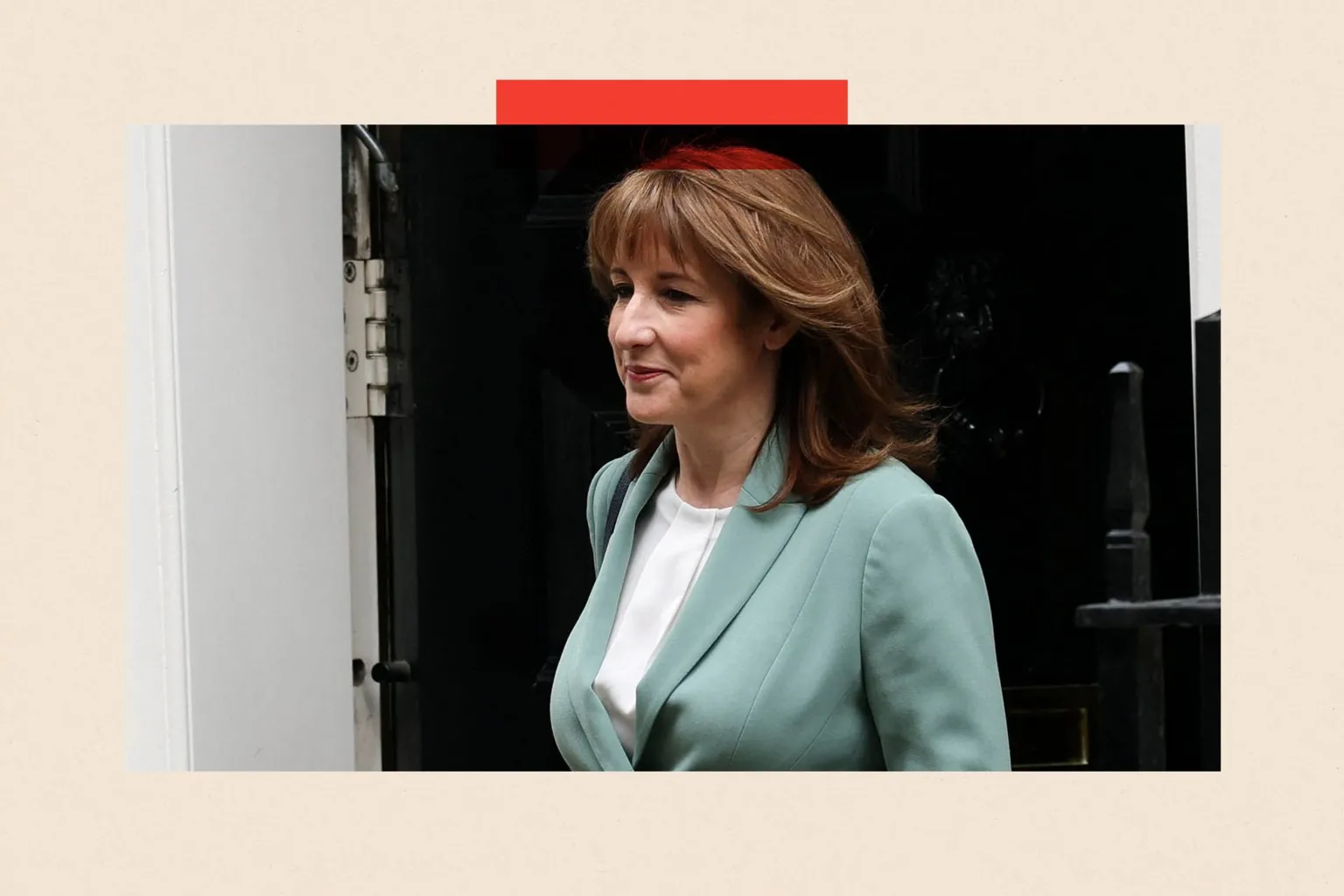
"Brexit did deep damage."With these words at her Mais lecture on Tuesday, Chancellor Rachel Reeves highlighted a significant shift within the Labour Party—one that government ministers have been indicating for some time.
"Let me say this directly to our friends and allies in Europe. This government believes a deeper relationship is in the interest of the whole of Europe,"she stated, while also emphasizing that the government was not seeking to "turn back the clock" on Brexit.
This explicit acknowledgment of Brexit's negative impact partly reflects a belief that, as the government works to improve the UK's persistently sluggish economic performance, it must adopt a more ambitious approach to "reset" the post-Brexit relationship with the EU.
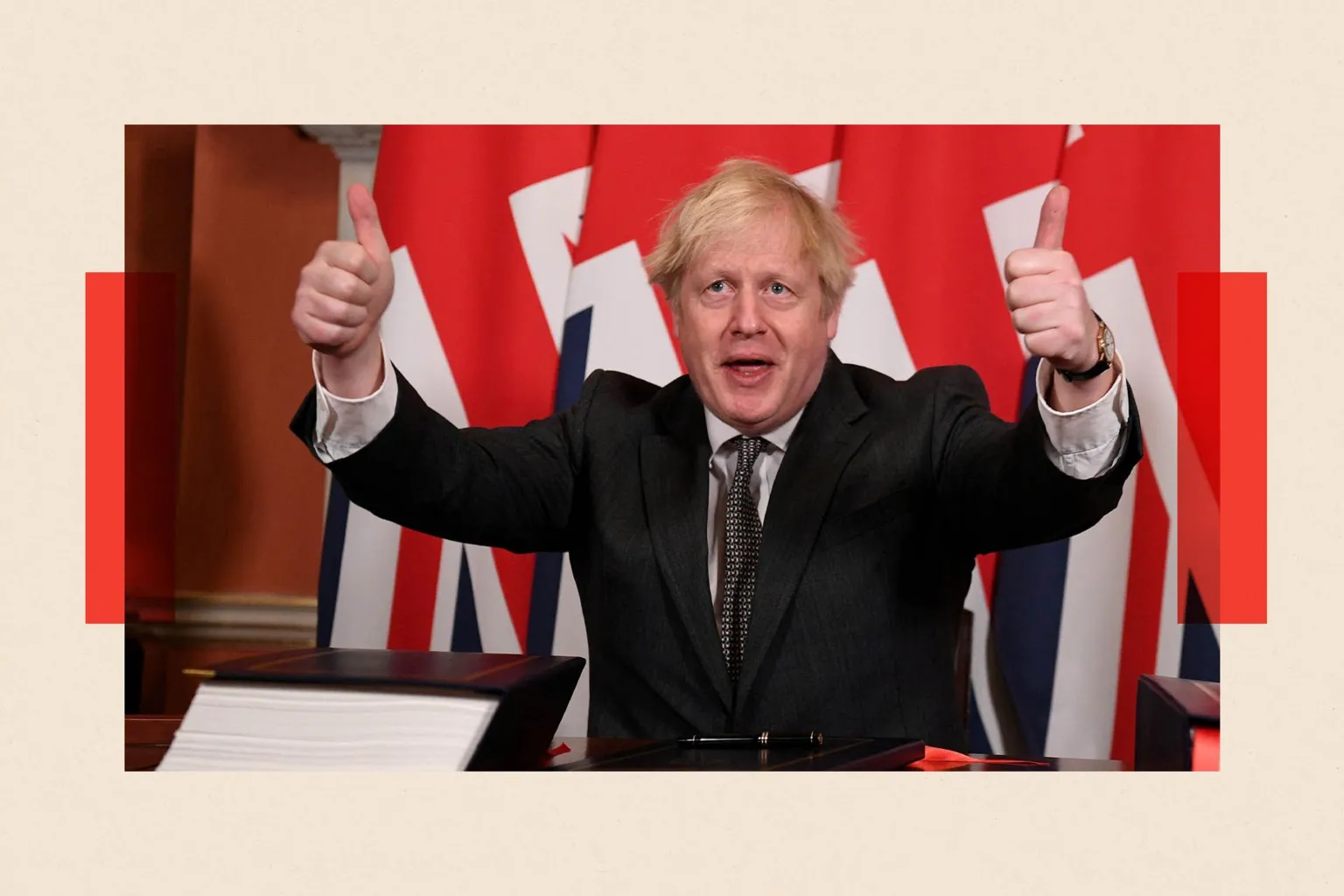
Labour's 2024 election manifesto proposed renegotiation of parts of the Trade and Co-operation Agreement negotiated by Boris Johnson in 2020. Specifically, it aimed to eliminate EU customs checks on food and agricultural exports by aligning Britain's regulations with those of the EU.
However, the manifesto also established clear red lines: no return to the single market, customs union, or freedom of movement.
Of rejoining the EU, there was no suggestion whatsoever.
Labour's Post-2019 Election Position
This position resulted from Labour's heavy defeat in the 2019 election. Following that loss, the party accepted the decision to leave the EU and voted in favor of Johnson's Trade and Co-operation Agreement.
Nevertheless, Labour's tone has evolved. Shortly after the autumn Budget, Prime Minister Sir Keir Starmer declared that
"Brexit had significantly hurt our economy"and that Britain needed to
"keep moving towards a close relationship with the EU".
While the manifesto's red lines appeared intact, Starmer's remarks suggested Labour was concluding that to revive Britain's struggling economy, it needed a more ambitious approach to the reset.
Some ministers have expressed willingness to go further.
At a literary festival in October, Health Secretary Wes Streeting said,
"I'm glad that Brexit is a problem whose name we now dare speak,"indicating that being outside the EU hindered delivering the promised economic growth.
Deputy Prime Minister David Lammy stated in a podcast that it was
"self-evident" that Brexit had damaged the economyand cited Turkey's economic benefits from its customs agreement with the EU.
Further internal pressure was evident when London Mayor Sadiq Khan called on Wednesday for the UK to rejoin the EU customs union and single market before the next election and campaign on a promise to rejoin the EU.
Although Reeves reiterated on Tuesday that the manifesto's red lines remain, her Mais lecture clearly signaled a shift. She indicated that where it benefits Britain, the government seeks to align UK regulations with the EU in more areas.
She suggested this alignment is key to delivering the economic growth Labour promised in the 2024 campaign but has yet to achieve. The economy grew by 1.3% in 2025, an improvement over 1.1% in 2024, though below the 1.5% official forecast.
These developments carry economic and political significance.
Will pursuing a closer EU relationship risk alienating Brexit-supporting voters and cause electoral harm? Or has the political landscape shifted so that Labour's Brexit approach must change?
Reconnecting with Working-Class Voters
Labour's Brexit stance originated from its 2019 defeat.
After losing the 2019 election—when it pledged to renegotiate Brexit and hold a second referendum including Remain as an option—the party concluded it could not regain power without reconnecting with working-class voters who traditionally supported Labour but backed Leave in 2016 and supported Boris Johnson's "get Brexit done" campaign in 2019.
The defection of these voters contributed to the collapse of Labour's "Red Wall" in the Midlands and North England, seats Labour needed to win back to regain power.
Although Labour won the 2024 election, it made limited progress between 2019 and 2024 in reconnecting with working-class Leave voters.
Data from the British Election Study and the National Centre for Social Research indicate that 80% of Labour's support came from those favoring rejoining the EU—only slightly less than 86% in 2019.
The party was more successful in attracting 2019 Conservative voters who supported rejoining the EU than those who wanted to remain outside.
Labour's gains among working-class voters were no stronger than among middle-class voters and may have been weaker. Consequently, working-class voters were no more likely than middle-class voters to support Labour.
Now, nearly two years later, Labour faces more serious electoral challenges than in 2019. Recent polls average Labour's support at just 19%.
It trails Reform, whose support mainly comes from Brexit supporters, by eight points. One in ten 2024 Labour voters now supports Nigel Farage's party.

However, Labour's main electoral problem is not Reform's rise.
For every voter who switched from Labour to Reform since 2024, nearly twice as many (19%) have moved to the resurgent Greens. Labour has also lost 8% of former voters to the Liberal Democrats.
Most who switched to the Greens or Liberal Democrats favor rejoining the EU, while those moving to Reform nearly all oppose it.
Thus, Labour's vote has declined by nine points among Leave voters but by 19 points among Remain supporters.
This indicates Labour cannot restore its electoral fortunes by appealing solely to Brexit-supporting Reform voters; it must also win back pro-EU voters who have defected to parties advocating reversing Brexit.
Labour Voters and Rejoining the EU
What underpins Labour's Brexit strategy?
Labour's reset approach assumes it will satisfy pro-EU supporters without alienating its minority of Brexiteers.
In June, 76% of 2024 Labour voters told YouGov they supported
"Britain having a closer relationship with the European Union, without rejoining the European Union, the Single Market, or the Customs Union"with only 11% opposed.
However, this does not imply the reset is more popular than rejoining the EU.
In the same YouGov poll, 82% of Labour voters supported
"Britain rejoining the European Union"with 12% opposed. More recently, in December, YouGov reported 73% of 2024 Labour voters supported
"starting negotiations for Britain to rejoin the European Union"with 18% opposed.

Core Elements of Labour's Approach
The popularity of Labour's reset strategy's core elements is not guaranteed.
The central aim has been to remove customs checks on food and agricultural exports to the EU.
At first glance, this is popular among Labour voters.
In January last year, 63% of 2024 Labour voters told BMG they supported negotiating a
"veterinary agreement to remove paperwork required on food and drink exports"between the UK and EU, with only 10% opposed.
However, question framing affects responses.
Redfield & Wilton, also in January last year, asked voters which was better for Britain:
- The UK follows EU laws and regulations for food sold in Britain, and food made in Britain to be sold abroad does not go through border checks upon arrival in the EU.
- Or: the UK follows its own laws and regulations for food sold in Britain, and food made in Britain to be sold abroad does go through border checks upon arrival in the EU.
Labour voters narrowly favored the first option over the second by 45% to 40%.
These differing poll results suggest Labour cannot assume that even if talks on its reset proposals succeed, the outcome will be well received by its voters.
Much depends on the party's ability to persuade voters of the benefits.
Reform and the Conservatives are likely to portray the reset as a betrayal of Brexit, involving a return to following EU rules rather than British ones.
Polling suggests Labour supporters are not immune to this argument.
Rather than being easier to sell, Labour's reset strategy faces challenges because the trade-offs are apparent to some supporters.
John Curtice is Professor of Politics at Strathclyde University, Senior Fellow at the National Centre for Social Research, and affiliated with The UK in a Changing Europe.
Top picture credits: and
BBC InDepth is the website and app's hub for in-depth analysis, fresh perspectives challenging assumptions, and comprehensive reporting on major issues. Emma Barnett and John Simpson present their selection of thought-provoking reads and analysis every Saturday. for the newsletter here.



