

High Remand Numbers Impact Rehabilitation Efforts at HMP Stirling
Officials at Scotland's largest female prison, HMP Stirling, have expressed concern that the substantial number of women held on remand is hindering their rehabilitation efforts.
Deputy Governor Pam Terry stated that approximately 40% of women at HMP Stirling are remand prisoners who have not been convicted, with some awaiting trial for periods exceeding two years.
Ms Terry highlighted that women are more frequently detained on remand before trial, despite the majority of female custodial sentences relating to less serious offenses.
Staff have also observed an increase in older women and individuals with mental health issues entering the justice system for the first time.

Measures to Address Remand Population
The Crown Office has indicated that it has implemented measures aimed at easing some of these pressures, including efforts to reduce unnecessary remand for individuals who do not pose a risk.
Terry emphasized that the high remand population presents challenges to rehabilitation.
"I think the amount of women coming into custody on remand is an issue."
"It's an issue for the prison service as well because we need to ensure that we have space for all these people but we also need to make sure that when women are coming into custody, we can put them out the door in a better position.
"Remand is really difficult issue for us to manage."
She noted that at HMP Stirling, the remand population regularly exceeds 40%.
Across Scotland, about 25% of male prisoners and one-third of female prisoners are on remand awaiting trial.

Complex Factors Behind Female Remand
Dr Hannah Graham, a criminology lecturer at the University of Stirling, explained that the reasons for women being placed on remand are multifaceted.
"It's likely to be multiple reasons," she said.
"It might be that there are alcohol and drug recovery considerations or there is mental distress.
"Women might also be put on remand so we know they will turn up to court, as well as small numbers of women being accused of offences that are sufficiently serious that we would expect remand to be imposed."
HMP Stirling: A Reception Prison
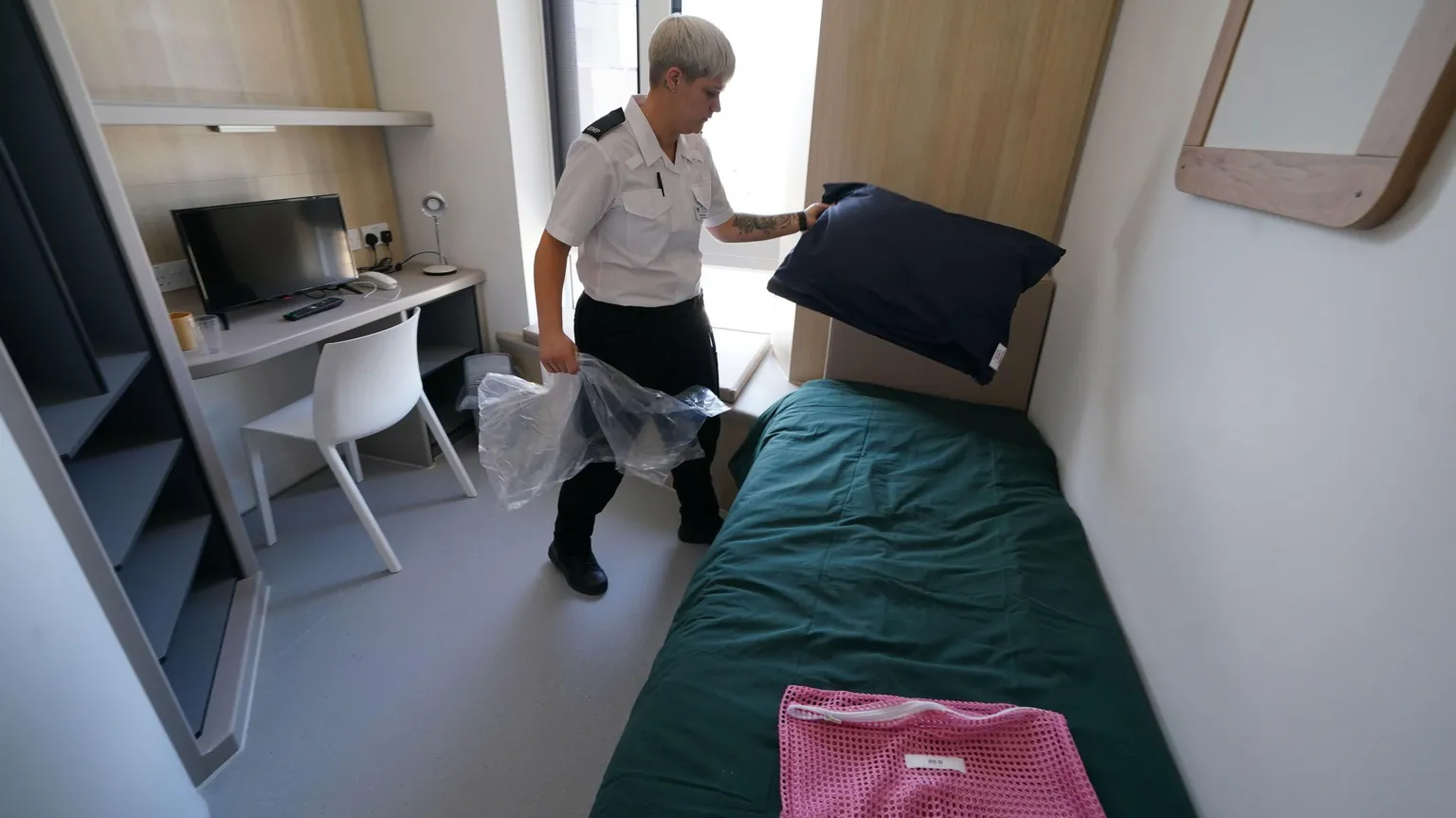
HMP Stirling, which opened in 2023 at a cost of £85 million, serves as a reception prison and can be the initial location for women on remand or those convicted and awaiting sentencing. It accommodates approximately 100 prisoners.

Increasing Numbers of Older Women and Mental Health Concerns
In addition to the high remand rates, Deputy Governor Terry reported a rise in older women entering custody for the first time.
"We're seeing more women coming into custody that you wouldn't normally anticipate," Terry said.
"We are seeing women who are new to us. They might be later on in life and they've never actually been in custody before and they do have quite significant mental health issues when they come into prison."
Terry added that often it is through contact with the prison system that chronic mental health issues are identified.
She noted that many of these women have addiction problems and some have sustained brain injuries resulting from domestic violence.
"There's a huge amount of trauma built up over the years and when the women come in, a lot of the time they have hit breaking point and that's how they've ended up here because they're not able to cope out in society anymore.
"This is, in some cases unfortunately is a better place for them to be."
Challenges of Managing Remand Prisoners
The unpredictable length of remand sentences presents particular challenges for prison staff. Remand prisoners may be transferred to other facilities, acquitted, or released at any time.
Additionally, remand prisoners do not always have access to the same services as those serving sentences.
Christina Hogg, a support and wellbeing manager, described efforts to assist remand prisoners.
"You've got healthcare provision here, obviously through the NHS but when it comes to certain things they won't get access on remand because they might be out the next day, they might be out in seven days."

Official Response from the Crown Office
A spokesperson for the Crown Office & Procurator Fiscal Service stated:
"The lord advocate has issued guidance setting out measures that may help alleviate some of these pressures, including, reducing unnecessary remand for individuals who do not pose a risk, preventing the escalation of lower level offending and the assisting with the review of those already on remand."


