

Leadership Contest Emerges Amid Uncertainty
"Every morning when he wakes up, it's been the same two questions. Does Wes have the numbers? And does Andy have a seat?"
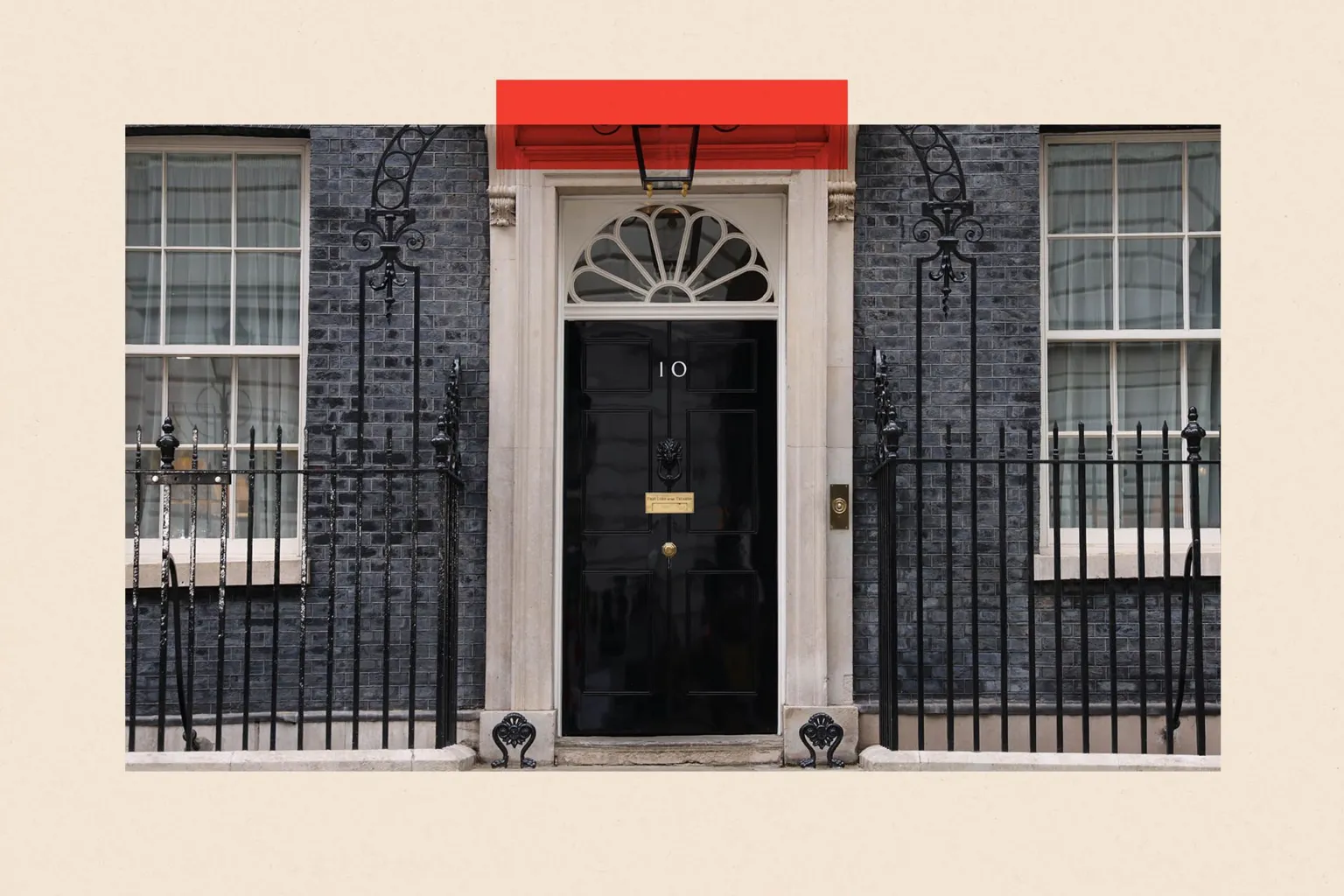
An ally of the prime minister reveals that for several months these have been the primary concerns within No 10. The answer to the first remains contested—Wes Streeting's team insists "Yes," while Team Starmer firmly states "No way."
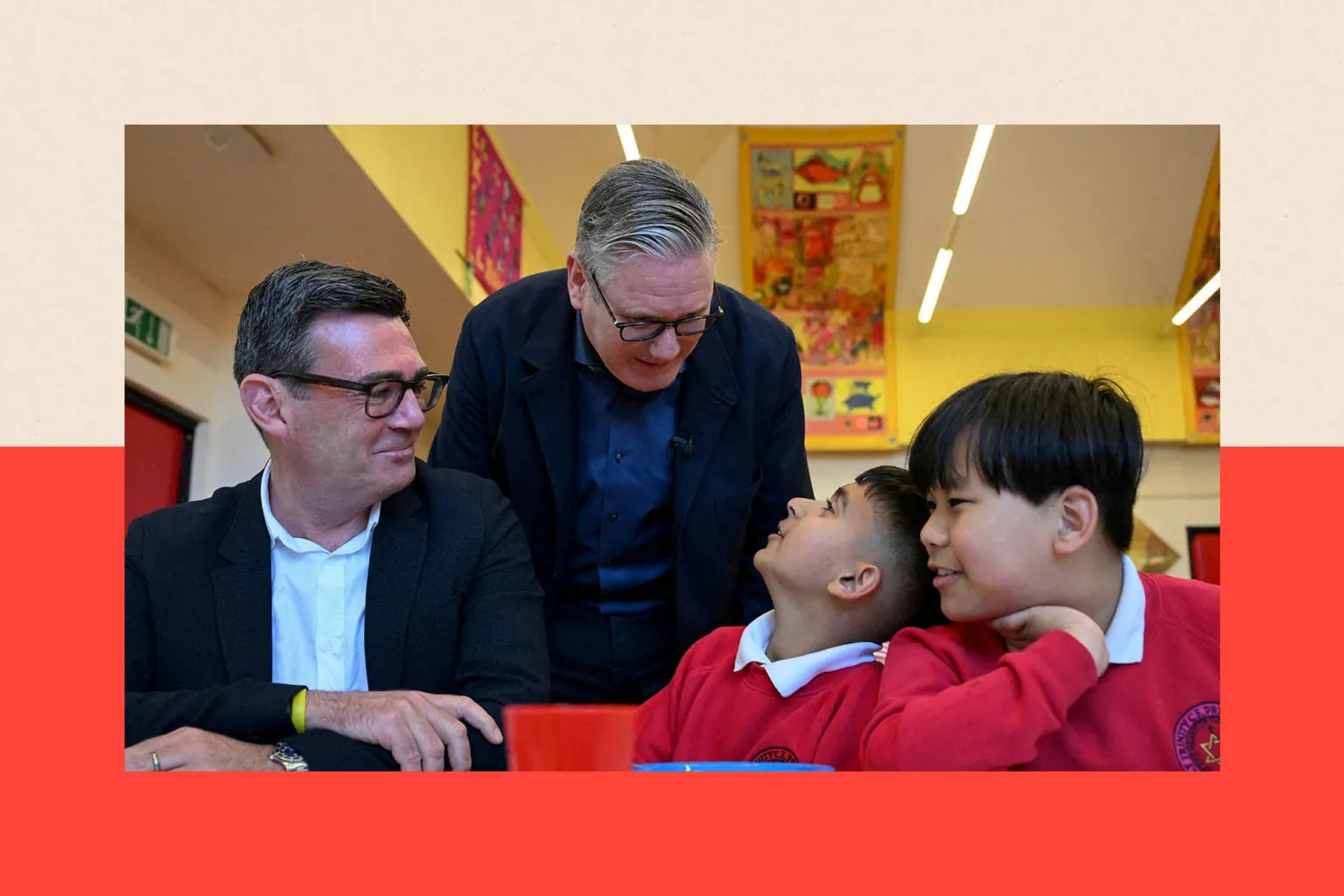
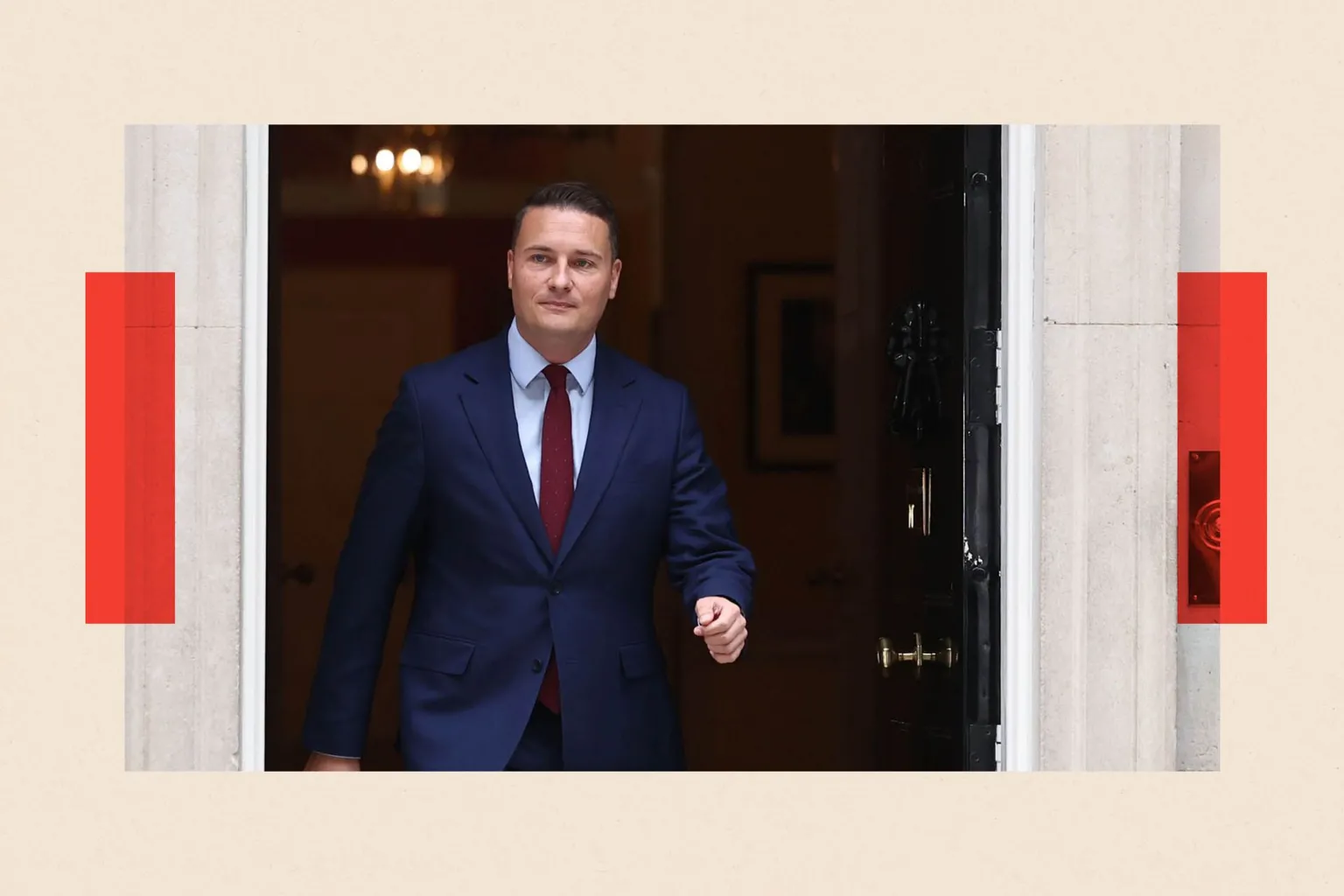
However, this debate has become somewhat academic as Streeting has resigned from government to prepare for a leadership bid. Subsequently, on Thursday morning, No 10 discovered that Andy Burnham, the Mayor of Greater Manchester, had secured an MP willing to vacate their seat, enabling Burnham to attempt to return to Parliament and launch his anticipated campaign for the prime ministership. Although not officially declared, the contest to succeed the prime minister is underway, with both Burnham and Streeting publicly expressing their ambitions on Saturday.
Public and Political Reactions
Opinions among cabinet ministers vary. One minister commented,
"the public are pretty horrified"by Labour's rapid move toward replacing its leader. Conversely, another minister believes the public's message in recent elections
"just had to be respected."
Labour's factions have reached a contentious decision that a leadership contest is overdue. Nevertheless, Starmer faces numerous critical choices—decisions that impact the nation and one pivotal decision that rests solely with him.
Potential Timetable and Internal Debates
If challengers' plans proceed, a leadership contest could take place over the summer, culminating in a new leader and prime minister by the party conference in late September. This timeline implies that even if Starmer is departing, he will remain in office for a significant period.
It is important to emphasize that this schedule is far from confirmed.
Within Labour's senior ranks, debate persists over whether a contest will occur at all. Should Burnham win the by-election, one minister suggests he and Streeting should reach an
"accommodation"to avoid what might become a
"catastrophic"leadership contest. Another senior figure predicts no one would challenge Burnham due to his momentum, stating
"he'll be carried south for a coronation."This scenario could result in a quicker transition to a new prime minister.
However, this perspective is not universally held. Some government members express strong dissatisfaction with Burnham and insist a contest is necessary for the party to resolve its internal differences.
Challenges Facing Andy Burnham
It is also crucial to recognize that Burnham's bid to re-enter Parliament is not guaranteed. Reform UK is heavily investing resources to win the Makerfield seat and block his return. Despite Burnham's personal popularity, Labour currently lacks both popularity and financial resources.
When asked about the implications if Burnham fails to win, a minister responded with a
"painful sigh."Questions arise whether Burnham's supporters would shift allegiance to Angela Rayner or if some MPs would rally back to Starmer. Despite the apparent momentum against the current leadership, the political landscape remains unpredictable as the 2026 election approaches.
Starmer's Responsibilities Amid Turmoil
Regardless of leadership uncertainties, Starmer has significant responsibilities ahead. Internationally, the UK, alongside France, is working to build a coalition of approximately 40 countries to reopen the Strait of Hormuz. Upcoming NATO and EU summits will address defence spending and the UK's relationship with the European Union.
Domestically, the government's agenda is extensive and pressing. A delayed defence spending plan awaits the prime minister's signature. A consultation on tightening children's social media regulations is closing soon. Millions of households await decisions on energy bill assistance amid expected price increases. Additionally, a promised review of fuel duty remains incomplete.
Other urgent issues include public sector pay, AI regulation, youth employment, business energy costs, mental health services, migration, special educational needs, and NHS staffing.
Moreover, significant structural challenges persist, such as elderly social care and welfare reform, which remain promises without legislation. These areas require decisions in the coming months, underscoring that government functions must continue despite leadership uncertainties.
Starmer's Authority and Decision-Making Challenges
Following recent upheavals, questions arise regarding Starmer's authority to act decisively. One cabinet minister asserts that as long as Starmer remains in office, the government must continue its work:
"We may have a way to go on this, so the focus in cabinet has to be on the job."
However, Labour MPs doubt Starmer's tenure will be lengthy, limiting his ability to secure support for controversial measures. Cabinet ministers also no longer rely on his favor for their political futures.
Starmer's challenges extend beyond communication difficulties or waning authority. According to a minister who previously supported him, the core issue is his
"inability to make decisions with strong political instincts of what he wants to do."The minister elaborated,
"Where we've gone wrong is lacking a clarity of conviction and belief in our project,"highlighting Starmer's struggle with
"making good quality decisions at speed."
Comparisons to former prime ministers Theresa May and Boris Johnson reveal a shared pattern of decision-making difficulties. May was known for requesting excessive information before deciding, and Johnson earned the nickname "the trolley" for frequently changing his views.
Starmer's colleagues often find it challenging to discern his intentions. One ally joked that his approach involves arriving at the correct decision in the slowest and most painful manner possible.
Starmer is well aware that a leadership change mid-government disrupts Whitehall operations and frustrates the public, having criticized such disruptions during his time in opposition.
The Pivotal Decision Ahead
The most significant decision Starmer faces is whether to resign before a leadership contest officially begins or to remain and contest the leadership. With numerous MPs, ministers, and affiliated unions publicly expressing doubt about his suitability to lead the next election campaign, standing in the race could be self-damaging. This would be a considerable setback for a leader who achieved the remarkable feat of restoring Labour's prominence within four years.
Downing Street's official stance during recent tumultuous days has been that Starmer intends to run. However, as the contest unfolds, this position may evolve.
Even those close to Starmer find his intentions difficult to interpret. Following the week's intense activity, there is a perception within No 10 that there is now time to deliberate:
"Now we are out of the constant live fire, we can do some thinking about what to do."
Starmer appeared before cameras on Friday during a visit to a police station ahead of planned weekend protests but avoided answering questions from reporters.
Meanwhile, Burnham and Streeting have publicly declared their intentions. Yet, Starmer must still make critical decisions regarding both government affairs and his political future.
Further Analysis and Reporting
BBC InDepth offers comprehensive analysis and fresh perspectives on major current issues. Emma Barnett and John Simpson curate a selection of thought-provoking deep reads and analyses every Saturday. Readers can to the newsletter for regular updates.



