

John Swinney's Quest for Victory
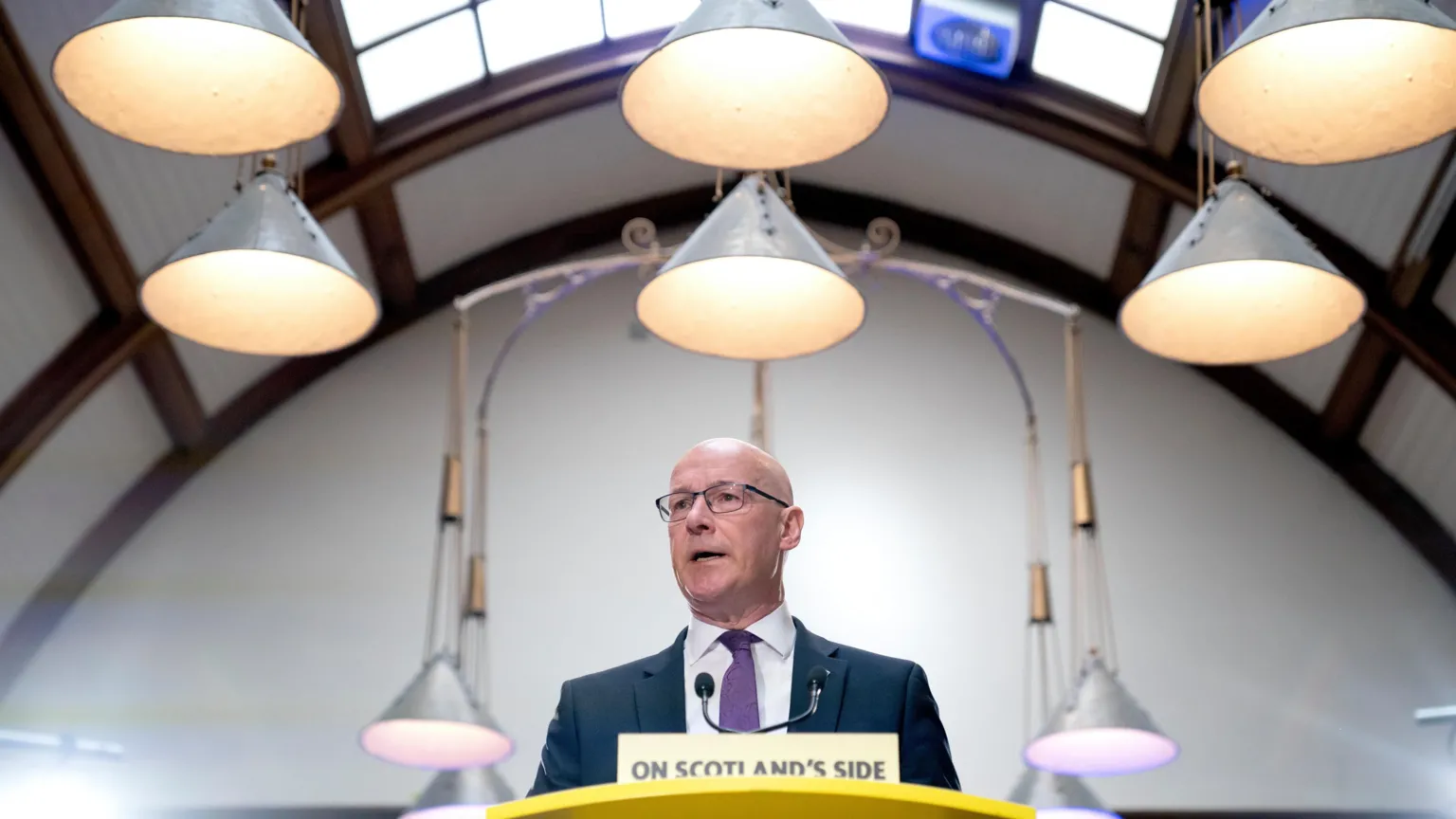
This marks the fifth national election that John Swinney has contested as leader of the Scottish National Party (SNP), yet he has not secured a personal electoral victory. In the 2024 UK general election, the SNP lost to Labour, though responsibility was largely attributed to his immediate predecessors, Humza Yousaf and Nicola Sturgeon.
Historically, when Swinney last led the SNP in the early 2000s, the party experienced setbacks in Westminster elections in 2001, Holyrood in 2003, and the European elections in 2004. However, current opinion polls suggest this election could be different, potentially marking a fifth-time lucky scenario for Swinney.
A victory would grant the SNP a fifth consecutive term overseeing devolved public services such as the NHS, education, and law enforcement.
Reflecting on the SNP manifesto from 2003, Swinney then sought "the chance to prove ourselves". This opportunity was eventually granted, and after 19 years in power, the party is now focused on renewing itself and demonstrating continued energy and innovative governance.
The SNP manifesto promises enhanced public service delivery and another independence referendum, though it largely avoids addressing issues that have arisen under its administration, including NHS diagnostic and treatment delays, overcrowded prisons, and ferry projects that are significantly overdue and over budget.
Labour leader Anas Sarwar contends that the SNP has already had its opportunity, urging voters to "give me five" years to begin resolving Scotland's challenges.
His approach appears to emphasize new leadership rather than comprehensive policy changes in most devolved sectors. The core divergence between Labour and the SNP remains the independence debate, although Labour's endorsement of new nuclear power stations introduces an additional point of contention.
Regardless of who leads the next Scottish government, they will face a projected £5 billion spending shortfall in the devolved budget by 2029/30 if no significant adjustments occur. Addressing this gap will require either public spending reductions or tax increases, barring unexpected increases in UK Treasury grants or economic growth.
Fiscal Challenges and Party Positions
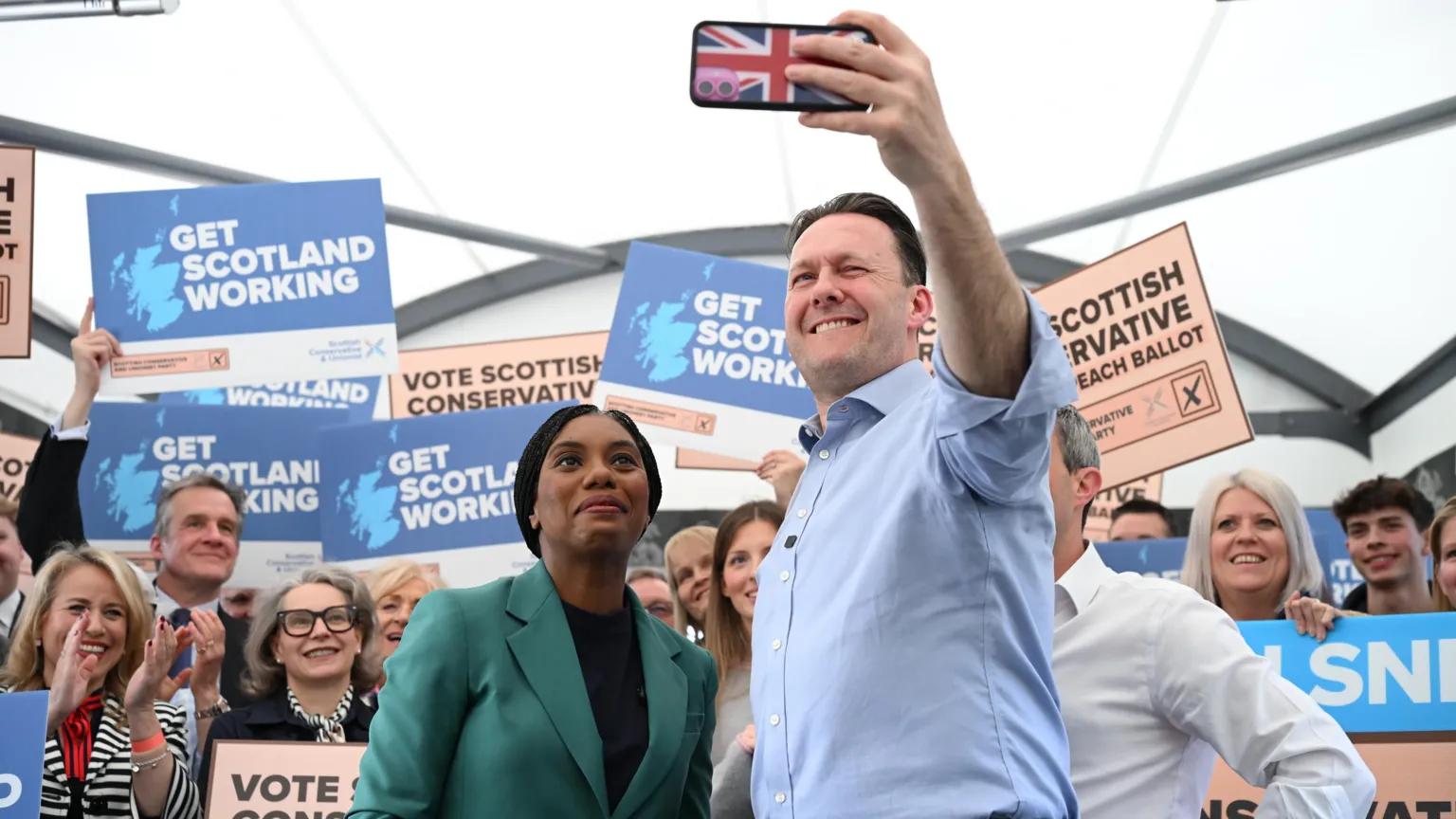
Conservative leader Russell Findlay has consistently highlighted the budget deficit during the campaign, alongside his party's proposals to reduce welfare spending. The Conservatives also intend to allocate some savings towards income tax reductions.
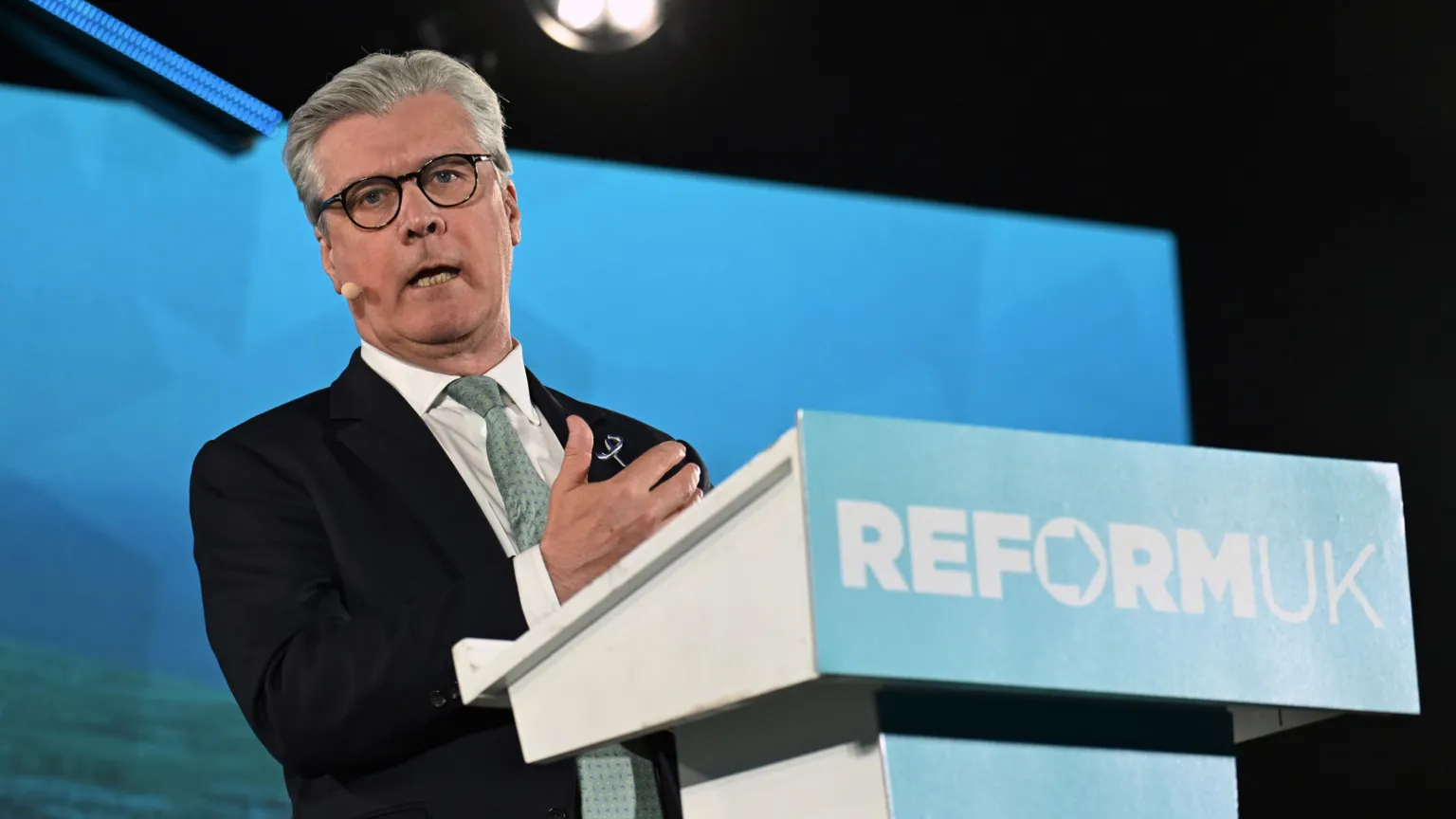
Reform UK's Scottish leader, Malcolm Offord, advocates for more substantial income tax cuts funded by closing certain public agencies and abandoning the goal of achieving a carbon-neutral economy by 2045.
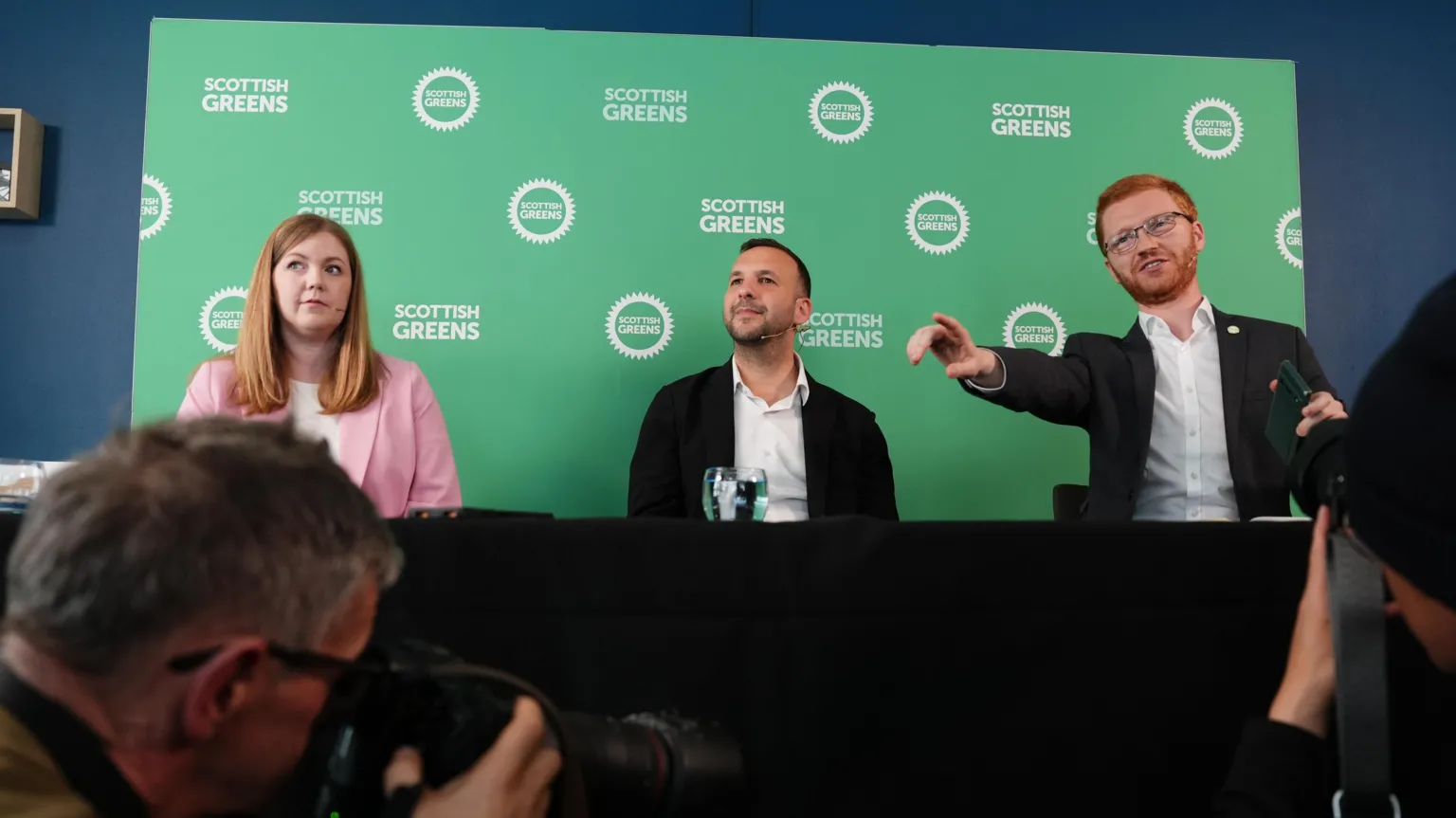
The Scottish Greens, co-led by Ross Greer and Gillian Mackay, propose increasing taxes on the wealthy to better finance public services and expanding free bus travel to all residents.
Labour and the Liberal Democrats aim to reduce taxes when economic conditions permit. The SNP, which established the current six-band tax system, seeks to simplify it.
The debate over tax responsibilities and welfare funding from the Scottish government's budget emerges as a defining issue in this election.
The Greens and Reform UK occupy opposite ends of the political spectrum, each attempting to attract voters disillusioned with traditional parties.
This contrast was notably evident during the STV leaders' debate when Offord disclosed owning six houses, six boats, and five cars due to his business success. He challenged Greer on whether the Greens desired more or fewer individuals like him in Scotland. Greer responded that fewer were preferable and suggested Offord should relinquish properties to those lacking accommodation.
Social Care and Health Priorities
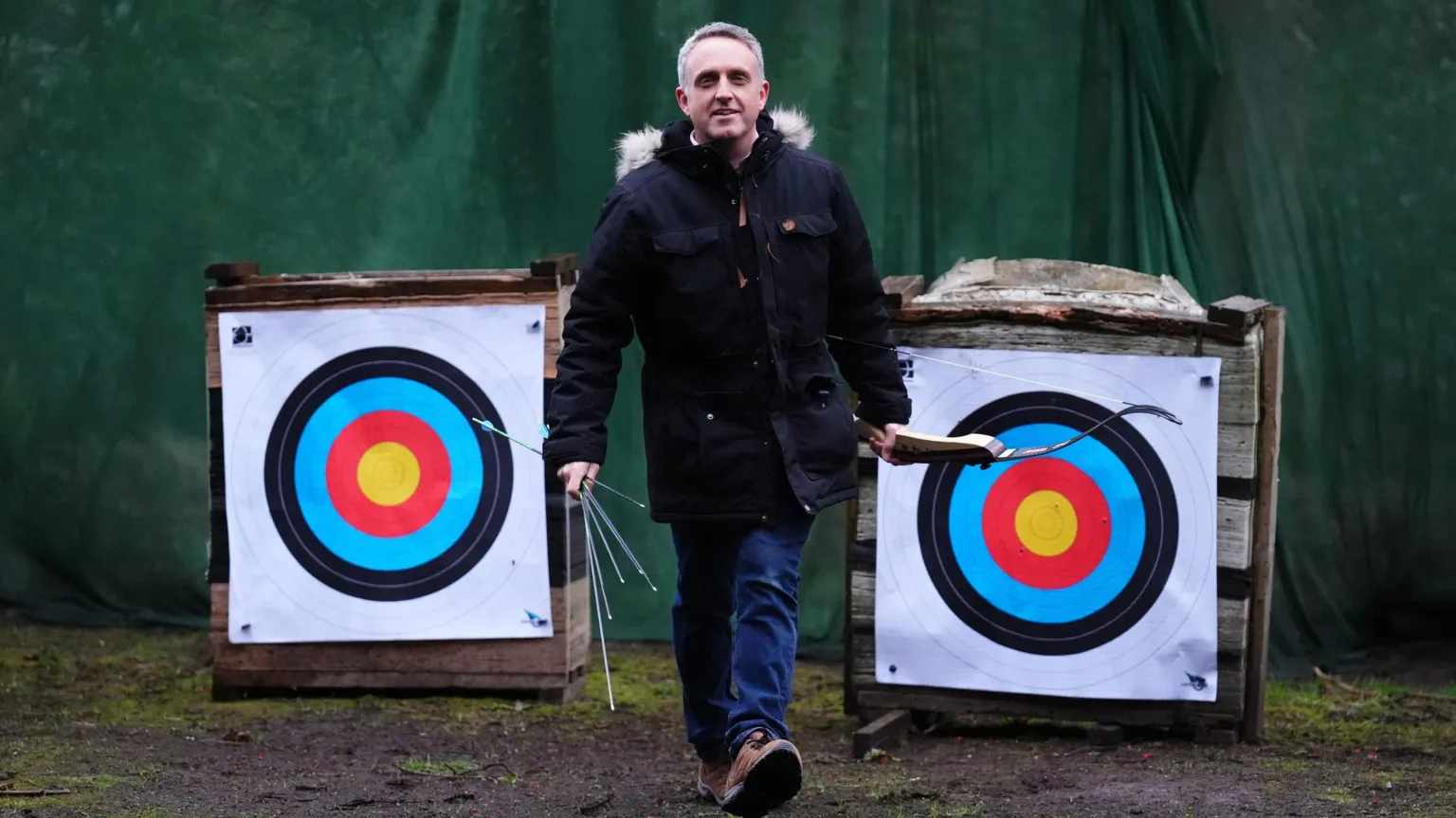
The Liberal Democrats, led by Alex Cole-Hamilton, prioritize increased social care spending to free hospital beds and alleviate NHS pressures.
All major parties have emphasized reducing health waiting times as a priority, reflecting public concern. Additionally, they have proposed various measures to assist with the rising cost of living, which has been exacerbated during the campaign by the conflict in Iran driving up fuel prices.
Energy and International Influences
Amid international tensions, renewed discussions have emerged regarding increased oil and gas extraction from the North Sea. Although this is a Westminster jurisdiction, parties have expressed their views.
Former US President Donald Trump has advocated for expanded drilling, a stance shared by the Conservatives and Reform UK.
Scottish Labour urges the UK government to honour licences for the Rosebank and Jackdaw fields, while the Liberal Democrats support increased domestic production if it is less environmentally damaging than imports.
The SNP appears to have moderated its previous opposition to new oil and gas developments during this campaign, with only the Greens maintaining firm resistance.
President Trump further influenced the campaign by lifting import tariffs on whisky in honor of the King and Queen's state visit to the US. This move was broadly welcomed but sparked political disputes over credit claims.
Labour credited the UK government for delivering benefits to Scotland, while the SNP highlighted John Swinney's direct lobbying of the president.
Supermarket Pricing Proposal and Political Reactions
The SNP proposed legislation requiring supermarkets to cap prices on a basket of essential goods to address cost-of-living pressures.
This measure would take time to implement and potentially challenge Holyrood's powers due to UK internal market rules granting Westminster veto authority.
Retailers dismissed the proposal as a "potty gimmick," and political opponents echoed this skepticism.
An SNP source remarked that the party was "annoying all the right people."
Other Parties and Campaign Dynamics
Additional voting options include the pro-life Scottish Family Party and Tommy Sheridan's independence-supporting Alliance to Liberate Scotland.
The campaign's early phase was dominated by reports concerning the personal conduct of candidates and political figures. Subsequently, the controversy surrounding Peter Mandelson's appointment and dismissal as UK ambassador to the US diverted attention from the Scottish election.
This incident underscored Labour leader Anas Sarwar's call for the prime minister's resignation and his justification for doing so.
Labour's UK leader, Keir Starmer, has yet to campaign in Scotland and is unlikely to do so. His brief prime ministerial visit to the Faslane naval base was not considered a significant campaign event.
In contrast, the Conservatives, Reform UK, and Liberal Democrats have deployed their UK leaders as electoral assets. The Scottish Greens received support from Zack Polanski, leader of their sister party in England and Wales.
Polling, Voting Patterns, and Potential Outcomes
Labour maintains that it remains possible to unseat Swinney despite national polls indicating a strong SNP lead.
Questions arise as to whether polls adequately capture local and regional variations or account for differences between survey respondents and actual voters.
Labour asserts that its canvassing data, primarily from central belt constituencies, presents a contrasting picture.
If pro-independence parties—the SNP and the Greens—fail to secure a majority in Holyrood, pro-UK parties could potentially form a government. However, they would first need to reconcile differences and agree on a candidate for first minister.
This prospect appears challenging, highlighted by a significant confrontation during the leaders' debate between Labour's Anas Sarwar and Reform UK's Malcolm Offord. Offord alleged that Sarwar privately proposed collaboration to remove the SNP, which Sarwar denied, accusing Offord of dishonesty. Both leaders seemed to dismiss cooperation.
Historically, the leader of the largest MSP group becomes first minister, but there is no rule preventing the election of another candidate if they command greater support.
The election on 8 May will reveal the parliamentary composition and determine who is best positioned to lead Scotland's government for the next five years.
Additional Resources
A summary of main party positions on key voter issues, based on campaign promises, has been compiled. Voters can compare policies by selecting specific issues via the provided link.
A postcode search tool is also available to identify candidates standing in each seat for the 7 May election.



