

Controversy Surrounding M4 Relief Road Continues Before Election
Over £114 million was spent on planning the relief road before the project was halted.
Whether to build the M4 relief road has been a subject of discussion for more than 30 years, and the issue remains contentious this year.
As the Senedd election campaign enters its final week, Reform UK and Plaid Cymru have revived the political debate.
Reform UK states that if they form the next government, they intend to proceed with the new motorway to alleviate congestion in the Bryn-glas tunnels near Newport.
Plaid Cymru claims the original project, supported in 2019 by former First Minister Mark Drakeford, is outdated and that they will develop a new plan.
However, not all parties share the same vision, with Labour, the Green Party, and the Liberal Democrats opposing the construction of a new road.
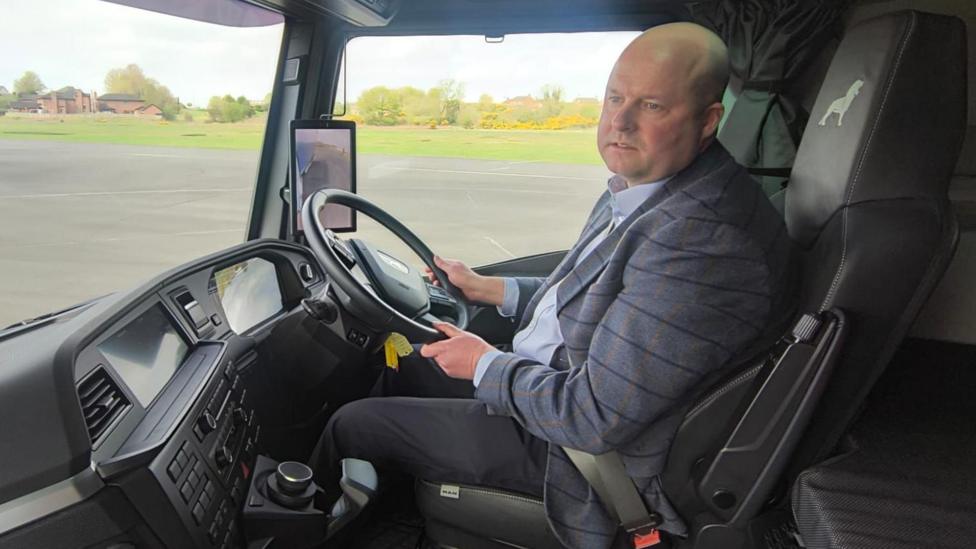
Bu Geraint Davies hefyd yn yrrwr lori i gwmni cludo ym Mhen-y-bont 'nôl yn 2019
Transport Industry Concerns
According to Geraint Davies of the Road Haulage Association (RHS), the traffic jams are a "huge problem" with serious effects on haulage company profits.
"This has been on the plan for 20 years; it is very unfortunate that the last Labour Government decided to abandon the M4 widening," he said.
"If there is no solid, adequate infrastructure, then significant funding and investment are needed to build new roads and improve existing ones.
"Anything that changes how haulage companies operate – such as congestion – can greatly affect profits."
Mark Drakeford decided to abandon the plan in 2019, citing excessive costs and environmental harm.
"I have not changed my assessment," he said, "and I am quite sure the costs today would be completely unreasonable."
Since then, the Welsh Government has prioritized funding public transport as a strategy to reduce congestion.
£114 Million Spent on M4 Relief Road Planning
Despite the rejection of the relief road plan, Geraint Davies warns the situation will "continue to worsen."
"We represent a large number of transport companies in Wales and have been saying for years that significant investment in the M4 is urgently needed.
"We are seeing companies withdrawing from Wales," he added, also claiming jobs are being lost.
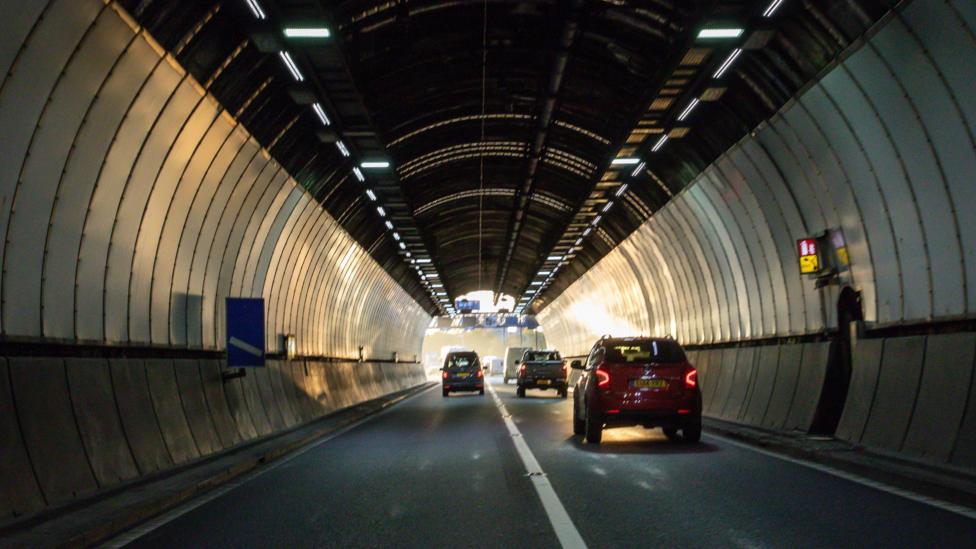
According to UK Government figures from 2024, an average of 81,578 vehicles pass junctions 25 and 26 of the M4 eastbound daily, down from 85,379 in 2019.
In 2005, the count was 72,540 vehicles.
How Would Parties Fund the Plan?
Reform UK leader in the UK, Nigel Farage, has mentioned using private funding to build the road, with the possibility of tolls.
In a election debate, Dan Thomas, Reform UK leader in Wales, said rail funding could be redirected to motorways.
He argued that most of the seven train stations supported by the UK Government were "neither essential nor desired."
Rail spending is managed by the UK Government, while motorway funding is the responsibility of the Welsh Government, meaning the money comes from different sources.
The Conservative manifesto does not specify how they would pay for the relief road, but a spokesperson said costs would be shared with the "next UK Government." They reject the idea of tolls.
In a Wales Online election debate, Plaid Cymru leader Rhun ap Iorwerth expressed support for solving congestion by improving roads but declined to commit to a specific plan.
A Plaid Cymru spokesperson said the original plans were "outdated," with environmental protections in Gwent strengthened.
"We will consider how practical, affordable, and sustainable a new road would be, and its environmental impact before deciding on next steps," they said.
David Phillips of the Institute for Fiscal Studies (IFS) said building the relief road would not be "impossible," but compromises would be necessary.
He suggested Reform's proposals might include a "collaborative investment model" where the private sector lends funds upfront and the government repays over time.
He stated the capital budget could be reduced to fund the road or use the investment model, "but that is a very expensive option."
"A third option would be funding through tax increases, with a penny on income tax rates raising about £400 million annually on average over the Senedd term."
Party Policies on the Relief Road
Learn about the main political parties' policies by selecting an option below.
Some of this policy area remains under UK Government control.
Control over this matter lies wholly or partly with the Welsh Government.
Control over this matter lies wholly or partly with the UK Government.
Select an area of interest.
Control over this area lies wholly or partly with the UK Government.
Labour Wales
Welsh Conservatives
Plaid Cymru
Welsh Liberal Democrats
Welsh Green Party
Heritage Party
Labour, the Green Party, and the Welsh Liberal Democrats do not support building the relief road.
The Green Party manifesto states maintenance is the priority.
"We need to proceed with providing new train stations," they said.
Jane Dodds, leader of the Welsh Liberal Democrats, told Wales Online she wants investment in infrastructure "across all of Wales."
Labour Wales said they stand by the decision not to build the relief road.
"The long-term solution is public transport and active travel methods that allow better connectivity," they said.
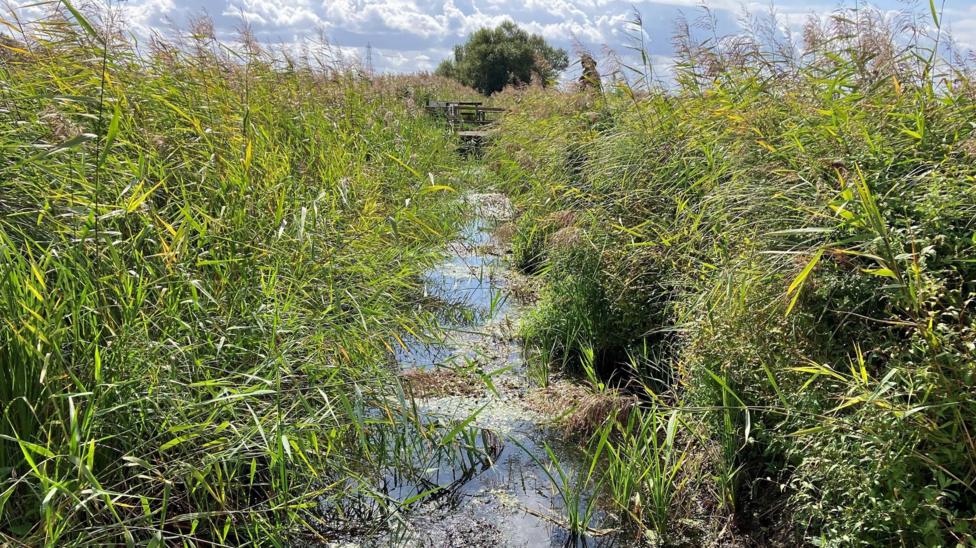
The relief road would cross the Gwent Levels site.
Environmental Opposition
Environmentalists have opposed the relief road, citing its impact on natural sites along the Gwent Levels.
Catherine Linstrum, part of the campaign against the plan and now living outside Wales, was a former Green Party candidate.
"The Gwent Levels include several Sites of Special Scientific Interest.
"Anything that directly affects those sites would have a knock-on effect on the entire area," she said.
Haf Elgar of Friends of the Earth Wales claims new roads "lead to more cars on the road, more carbon emissions, and more air pollution."
She added the plan would "distract from much-needed public transport improvements to help people travel safely and affordably."
Follow Cymru Fyw on Facebook, X, Instagram, or TikTok.
Send story ideas to cymrufyw@bbc.co.uk or contact via WhatsApp at 07709850033.
for the latest Wales news on your mobile device.


