

Victims Tested for Drugs and Alcohol, Attacker Was Not
The father of a university student who was killed while trying to protect her friend expressed his "disgust" at a public inquiry upon learning that the stabbing victims were tested for drugs and alcohol, but their attacker was not.
Valdo Calocane fatally stabbed Barnaby Webber and Grace O'Malley-Kumar on 13 June 2023, before killing Ian Coates and attempting to kill three others.
The Nottingham Inquiry was informed that Calocane refused consent for toxicology samples while in custody following the attacks.
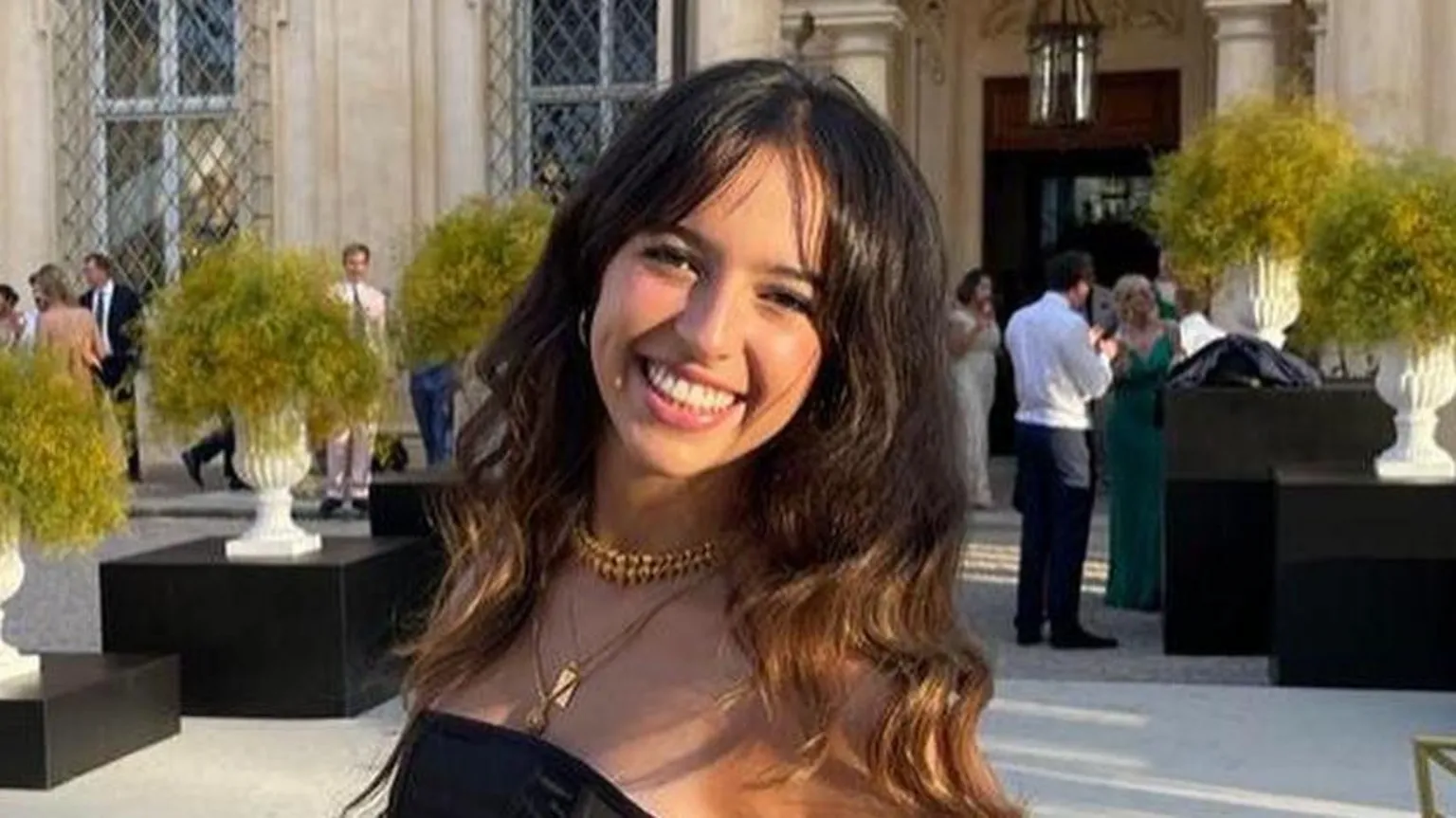
On Wednesday, Grace's father, Dr Sanjoy Kumar, described it as "disgusting" that the bodies of his daughter and her friend Barnaby were tested for drugs or alcohol after their deaths.
Inappropriate Access to Medical Records
The judge-led inquiry also heard that medical records of Grace, Barnaby, and Ian—whose sons and partner gave evidence on Tuesday—were accessed inappropriately after their deaths.
Chaired by retired senior judge Deborah Taylor KC, the inquiry continues to examine the events leading up to the attacks, as well as the investigations, actions, and decisions made by various agencies in the aftermath.
Parents' Testimony at the Inquiry
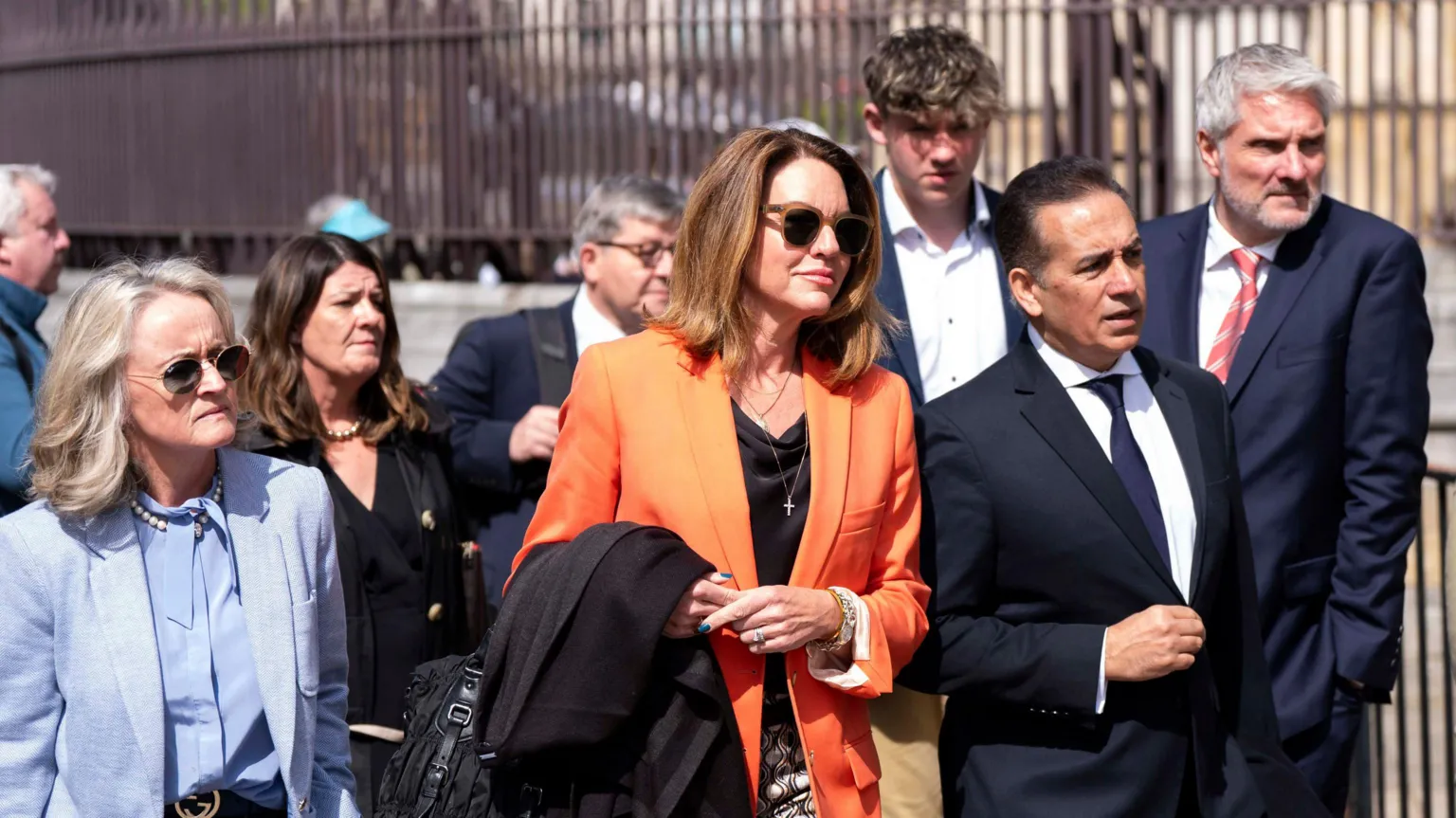
Grace's parents, Sanjoy and Dr Sinead O'Malley-Kumar, along with David and Emma Webber, Barnaby's parents, provided testimony at Mary Ward House in London.
Sanjoy told the inquiry that he and Sinead were asked by police to sign a "human tissue form" to allow Grace's body to be released after the attacks.
As a GP and former forensic medical examiner with the Metropolitan Police, Sanjoy said he had never encountered such a form professionally but was told the body would not be released without it.
"You had to sign them, but what was not highlighted was that this is a point in time where you are also signing to say samples could be taken," he said.
"That was absolutely not pointed out.
They took samples from our children to test for drugs and alcohol. I was really struck by that being really quite disgusting."
Opposition to Prosecutors and Police Over Toxicology Testing
Sinead and Sanjoy said they were "constantly pushing back" against the Crown Prosecution Service (CPS) and police before Calocane's sentencing to a hospital order in January 2024.
They believed toxicology needed to be excluded but later learned no samples were taken from Calocane.
Sanjoy said he specifically asked whether a hair sample was taken from Calocane after he refused blood and urine tests.
He stated that, based on his experience, a hair sample to test for drugs would not have required Calocane's consent, calling it a "basic" step and that not taking it left an "enormous gap."
"It may have proved nothing or it may have proved everything," he said.
Police Apology and Forensic Psychiatric Assessment
Earlier in the inquiry, Nottinghamshire Police apologised for failing to take toxicology samples from Calocane but noted there was a "complete absence of any reference of drugs or drug abuse" in the investigation.
Before sentencing, Calocane—diagnosed with paranoid schizophrenia in 2020—was assessed by Prof Nigel Blackwood, a forensic psychiatrist who provided reports to the CPS.
Sinead said she asked Nottinghamshire Healthcare NHS Foundation Trust, which cared for Calocane before discharging him months prior to the attacks, whether they had shared his medical records with Blackwood.
She was informed the trust would conduct an audit and respond.

However, through that audit, the trust discovered "inappropriate access that spread from their own trust to the acute trust."
Father's Reflections on the Attacker's Actions
Sanjoy expressed his belief that had Calocane—noted as VC throughout the inquiry—not attacked his daughter, he would have attacked someone else.
"The analogy I use with VC is that VC was like an oil tanker who crashed into our children and Ian.
A one-degree change in his course, he could have ended up in a different continent."
"If he'd missed our children, he would've hit someone else's."
Families' Anger Over Police Conduct
David and Emma Webber described their inability to "ever forgive" Nottinghamshire Police after it emerged that officers shared offensive messages about the attacks in a WhatsApp group chat.
Emma said a family liaison officer informed her that a story might run in the media about the messages but did not provide further details.
The families only learned the content after Sanjoy contacted the chief constable.
"Reading the content of that WhatsApp message was so destructive, so destroying, so awful.
And I don't mind the words being made public because the author of that message chose to refer to our children as being 'properly butchered'.
That's disgusting and grotesque."
The inquiry heard that officers involved were disciplined for the messages.
David said his family was told throughout that Calocane's privacy was "massively important," but it seemed this was not the case for the victims.
He said:
"At the very core of this is a tragic, disgusting, horrible incident that's happened and resulted in the loss of our child."
"It just makes me feel physically sick to be honest with you."
David, a father of two, told the hearing that while he had "nothing but respect for the police," in this case, they had "fallen very short" of his expectations.
"They have acted in a way that I think is abhorrent and I really can't forgive them for that because this is my son, again, at the bottom of this," he said.
Delay in Informing Parents of Victims
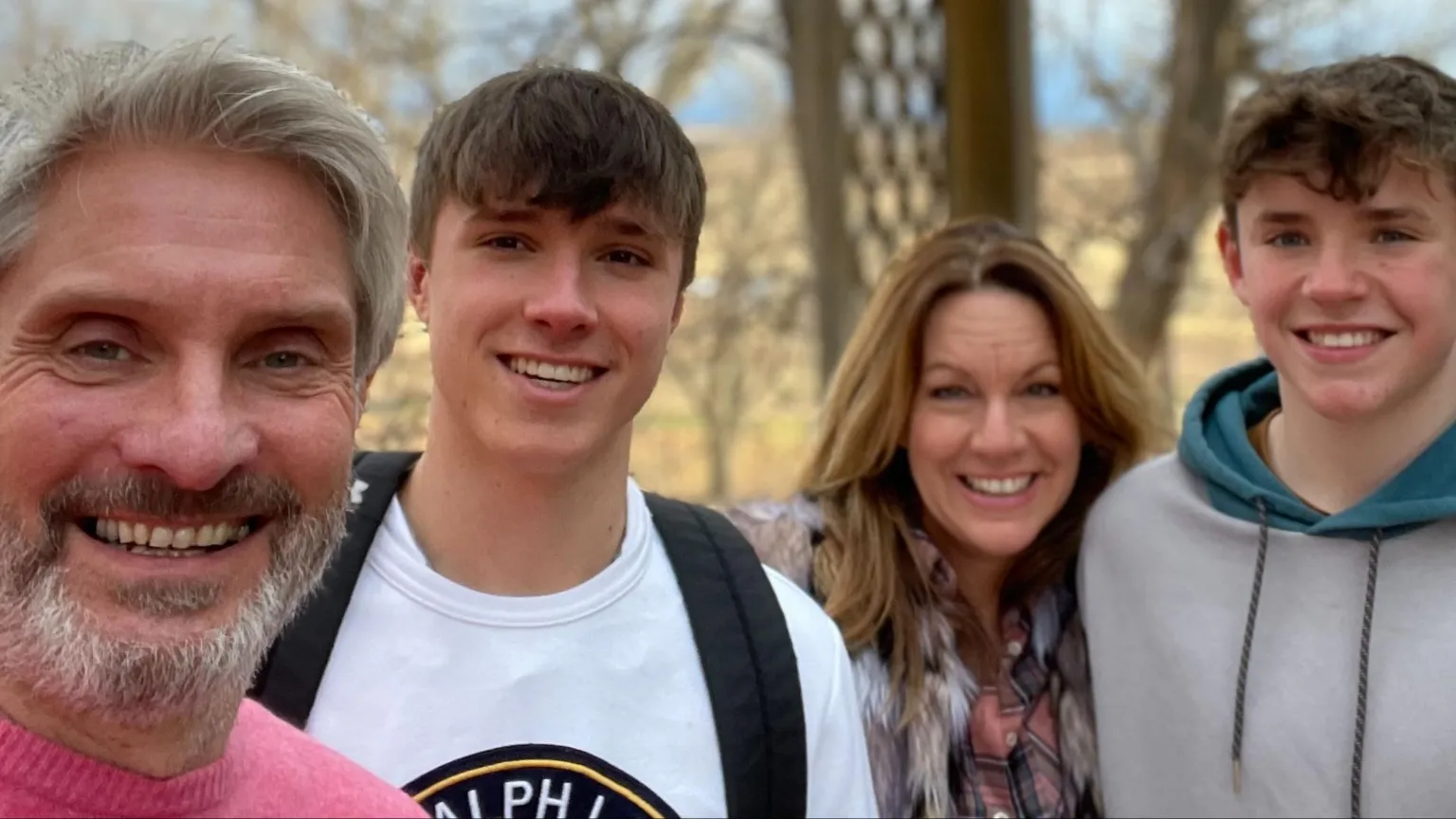
The inquiry heard that Barnaby's parents were informed hours after police had established his identity.
David and Emma, who were in Cornwall, began to suspect Barnaby was among the victims mentioned in local and national media when they tracked his phone from the scene.
After seeing news reports and attempting to call Barnaby without success, David used the Find My Phone app to locate his son's phone.
"I decided to have a look on my phone to see if I could see where he was and I could see he was in Ilkeston Road, but he was quite close to his accommodation, or the phone was quite close to his accommodation, so I didn't really think too far beyond that," David said.
When he later called the police, he noticed a "distinct change of voice in the lady [he] was speaking to," but was told it was a "fast-changing scene" and no one could speak to him at that time.
By then, the media had reported a man and woman had been found dead.
"And then I just saw the phone start to move and that's when I really panicked," David said.
"I phoned it [Barnaby's phone] a couple of times thinking maybe he's just there, and we tracked the phone and we watched it go all the way to Radford Road Police Station."
The inquiry heard that David and Emma, believing Barnaby was a victim, wanted to collect his younger brother Charlie—who was on a school trip in Taunton—before he found out.
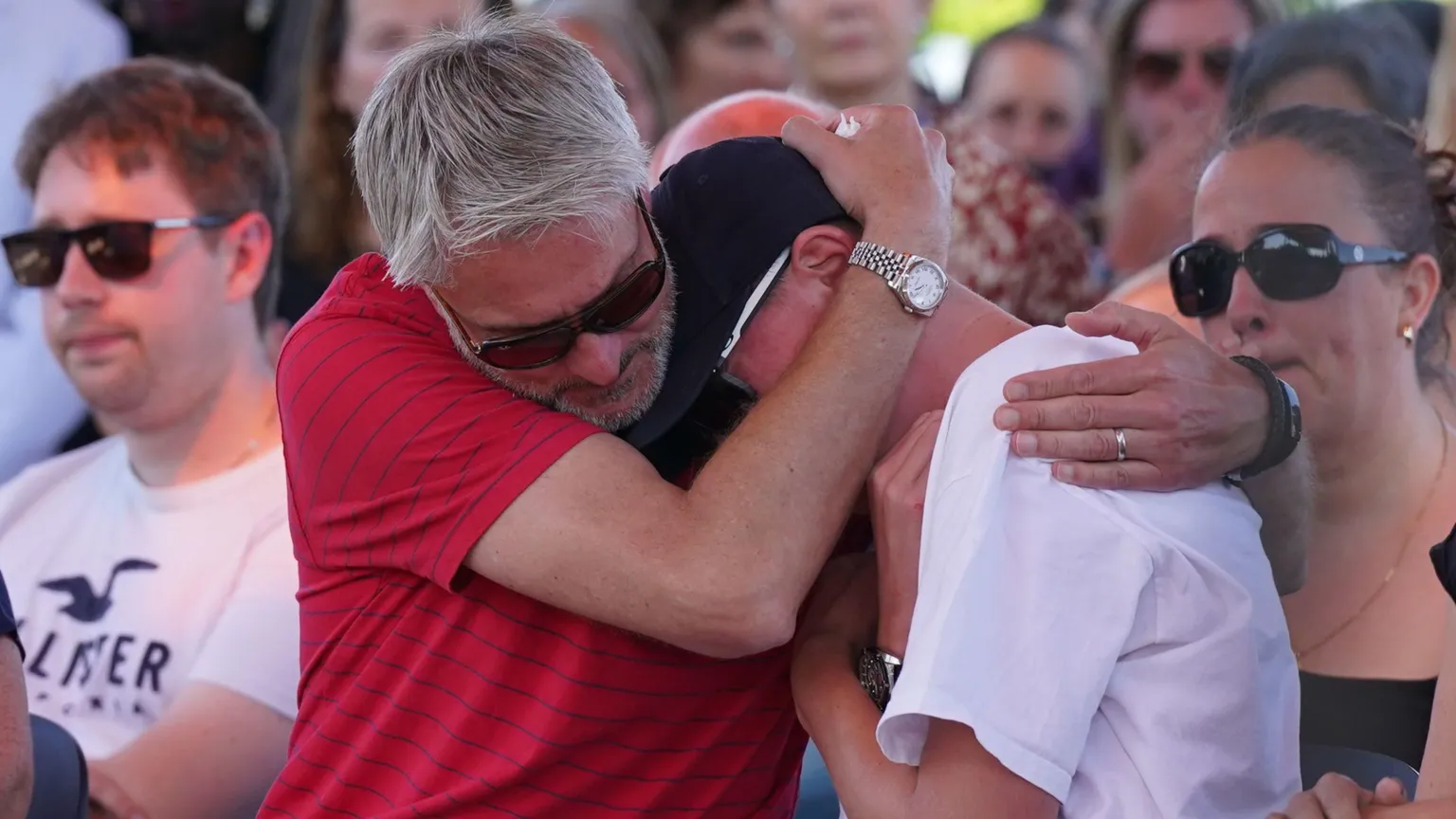
David and Emma were later called by police and stopped in a pub car park, where they were informed of their son's death.
Listen to BBC Radio Nottingham on Sounds and follow BBC Nottingham on Facebook, on X, or on Instagram. Send your story ideas to eastmidsnews@bbc.co.uk or via WhatsApp on 0808 100 2210.


