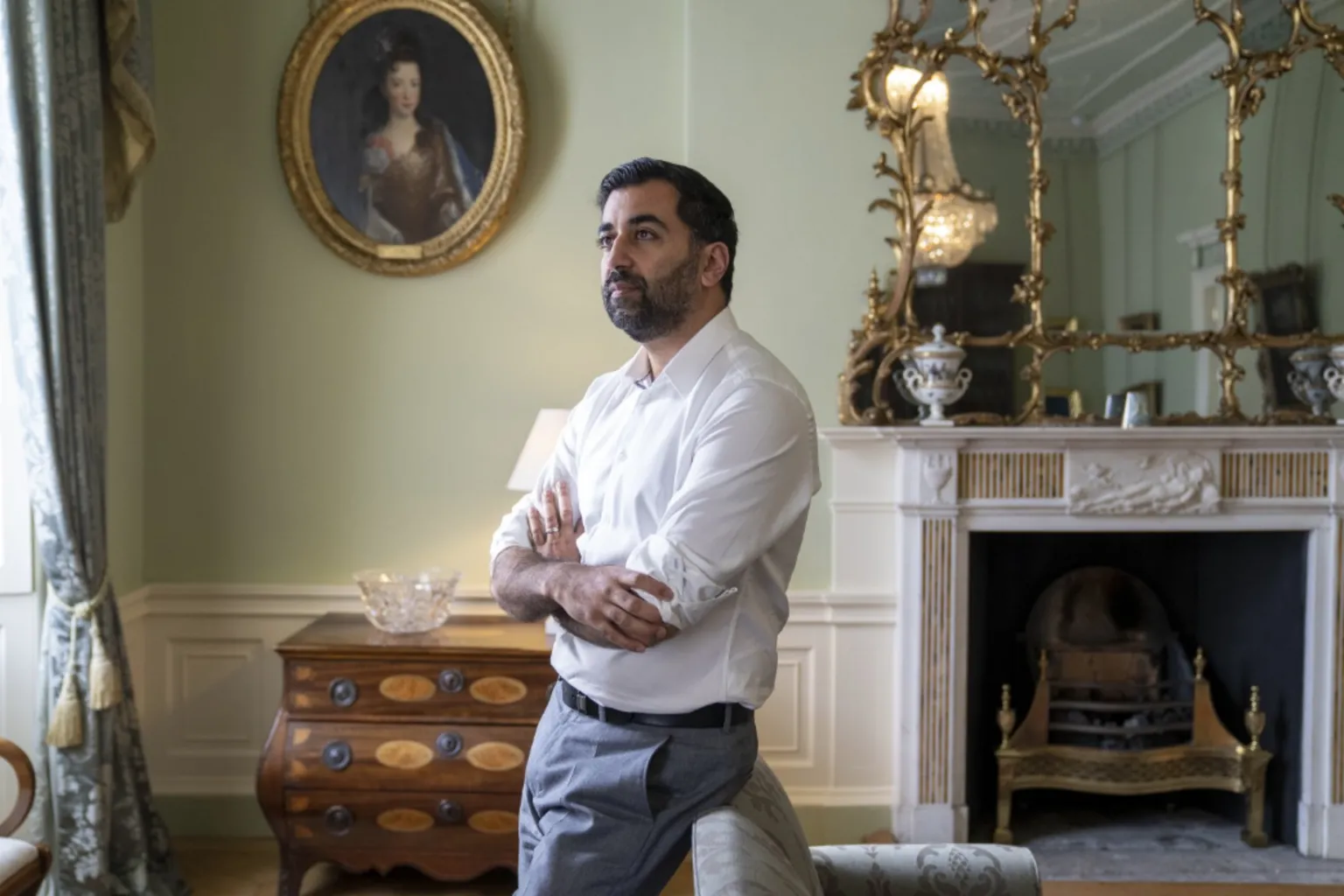
Transition from First Minister to Backbencher
Humza Yousaf described the experience of going shopping without police protection as "surreal" following his resignation as Scotland's first minister. Having served as the first Muslim leader of a Western democratic nation, Yousaf transitioned to the SNP backbenches and found himself uncertain about how to occupy his time.
Yousaf, who is not seeking re-election, recently said farewell to the Scottish Parliament, concluding a 15-year tenure as an MSP. Reflecting on his departure amid global tensions, including conflict in Iran and a fragile ceasefire in Gaza, he characterized this period as one of the "most challenging, fractious and worrying times" worldwide.
The 40-year-old MSP from Glasgow Pollok, who has spent his entire political career with the SNP, acknowledged that his journey in politics was "incredible" but also admitted to having made mistakes and experiencing mental health pressures.
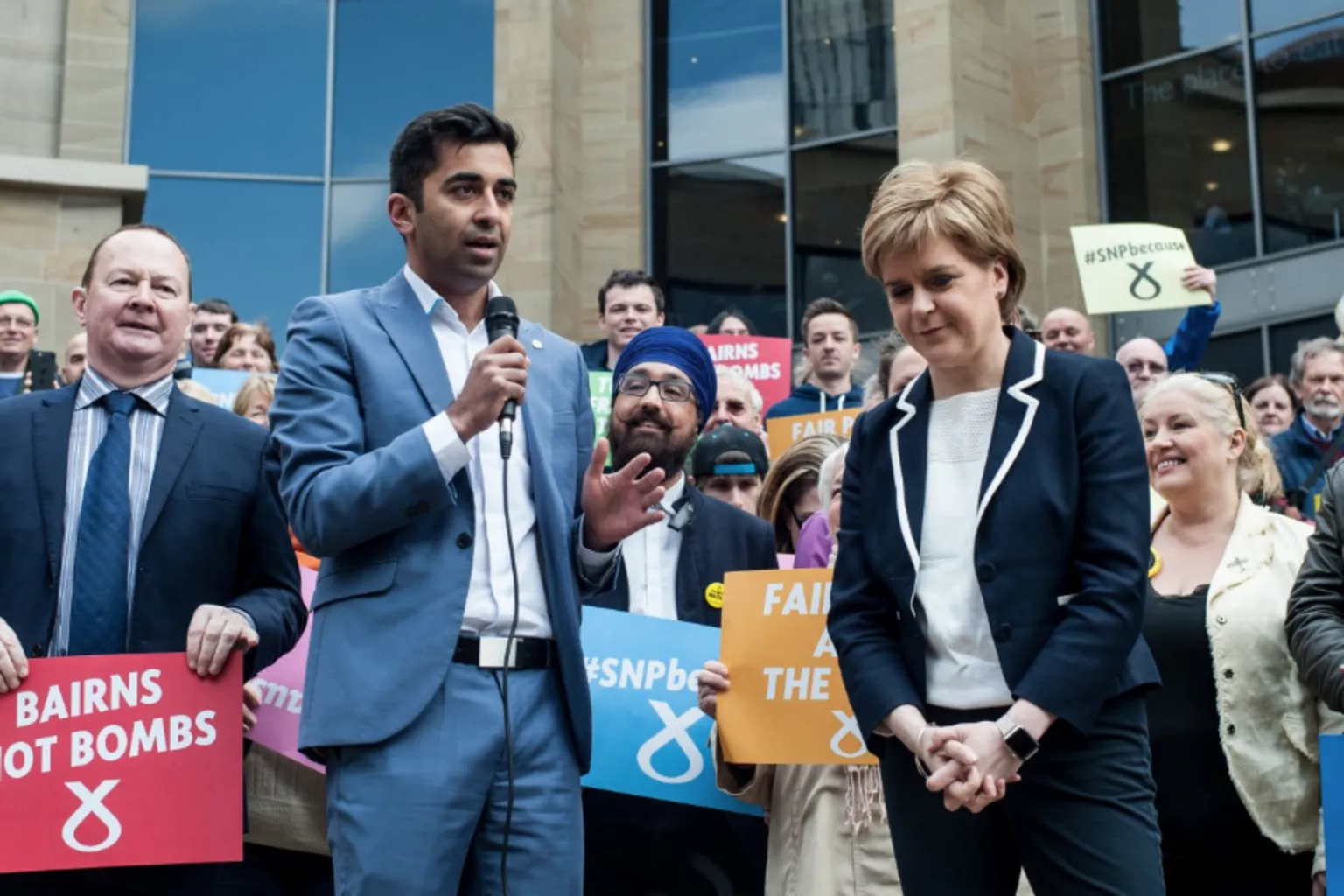
Yousaf was widely regarded as the natural successor to Nicola Sturgeon when she stepped down after nine years as first minister. However, his own tenure was notably shorter, lasting just 13 months. He told BBC Scotland's The Sunday Show that the transition felt "a bit odd and strange".
"I wasn't quite sure what to do with the time that I had,"
"I'd been in government for about 12 years in different roles, including first minister, then I was a backbencher."
"And I wasn't like other backbenchers, I wasn't on a committee, so I was just kind of scratching my head."
He described the shift from the responsibilities, formalities, and security of the first minister's office to backbench life as a "surreal experience." For a year, Yousaf was accompanied everywhere by police officers as part of his security detail, including during family outings.
"For a year I'd had these police officers accompanying me everywhere as part of my security detail.
Even when I took my kids to the park there would be kind of burly police officers there.
I remember the first time going to the supermarket with my wife and there was no security.
We got our messages and got back home and there was no incidents to speak of - but it just felt quite surreal having been surrounded by people."
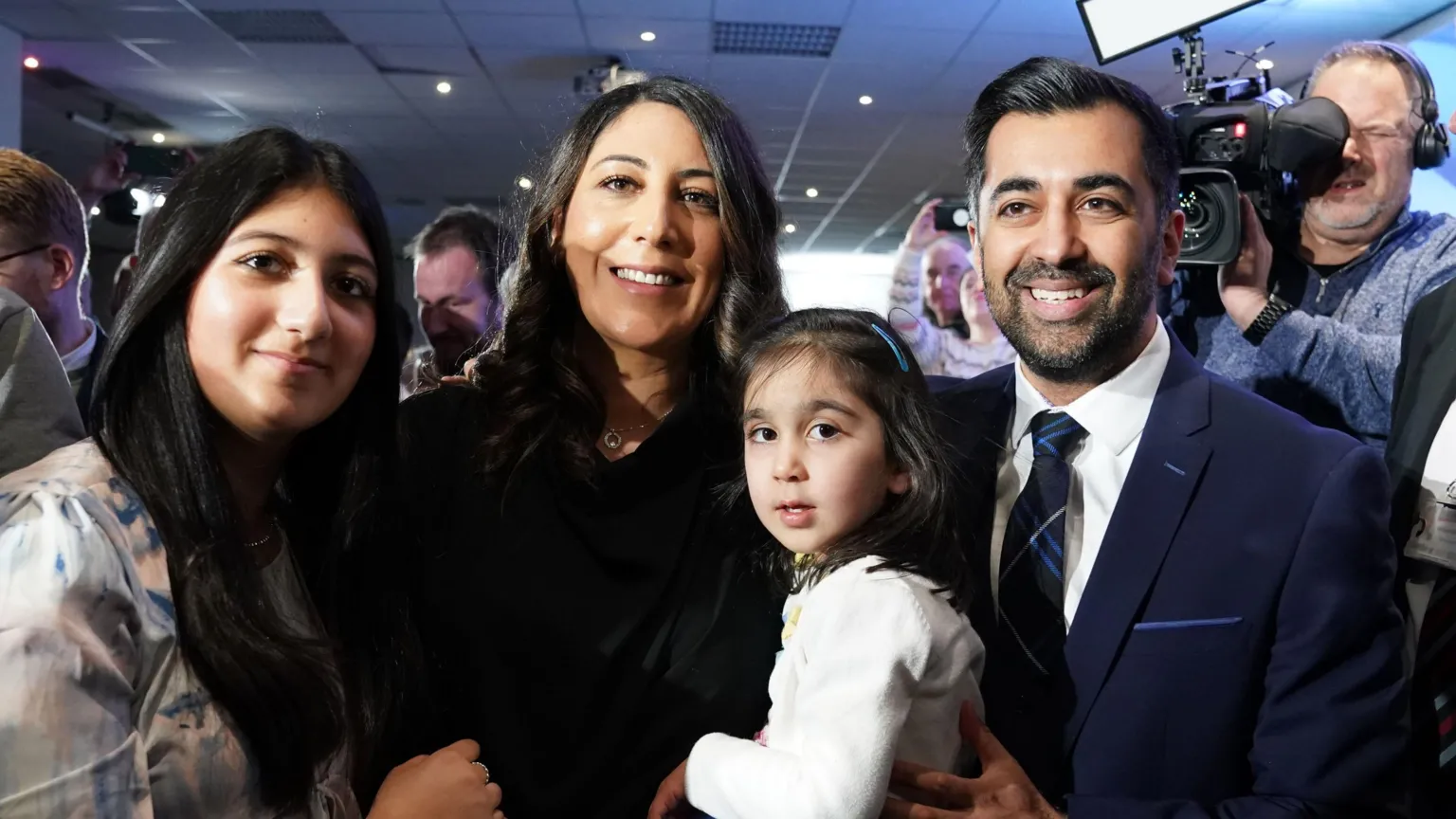
Challenges During First Ministership
Yousaf assumed the role of first minister in March 2023 after a narrow victory in the SNP leadership contest. His year in office was marked by significant challenges, including a police investigation into SNP finances and a failed Scottish government court case against the UK government concerning gender recognition reforms.
"I can sit here and kind of complain about the hand I was given,"
"You've got to step up and do the best you can when you're in that position."
Other issues during his leadership included the abandonment of plans for highly protected marine areas and the Scottish Greens' deposit return scheme.

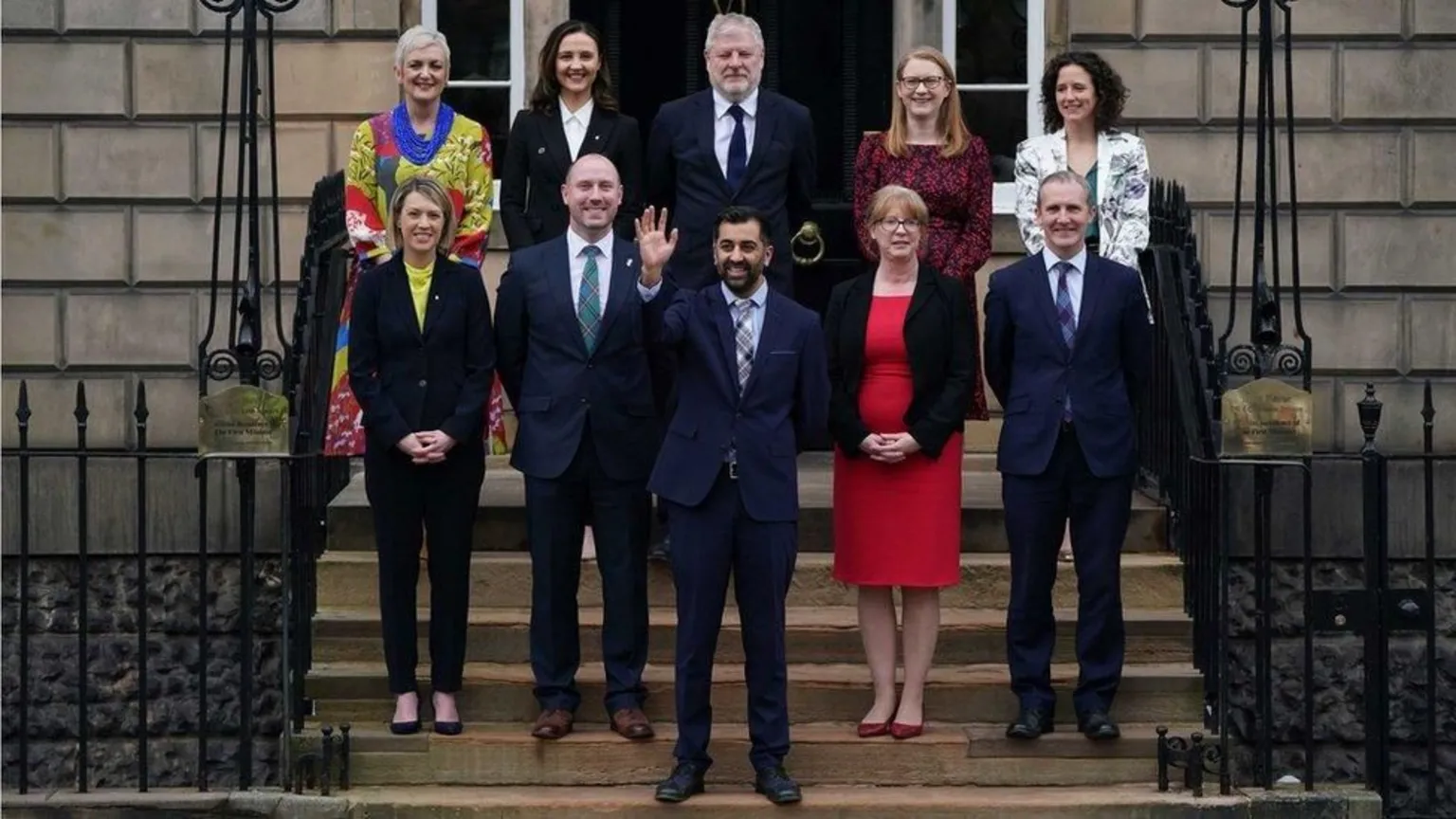
Yousaf's tenure ended after he terminated the Bute House Agreement, the SNP's power-sharing deal with the Scottish Greens. He later expressed regret over how this decision was handled but denied yielding to internal party pressure.
"There was lots of internal pressure and advice given but ultimately I was the one that made the decision and I remember it very clearly.
I've certainly made mistakes and what I've tried to do is during that period own up to them, hold my hands up and say take responsibility.
Ultimately that's what I did when I stepped down as first minister."
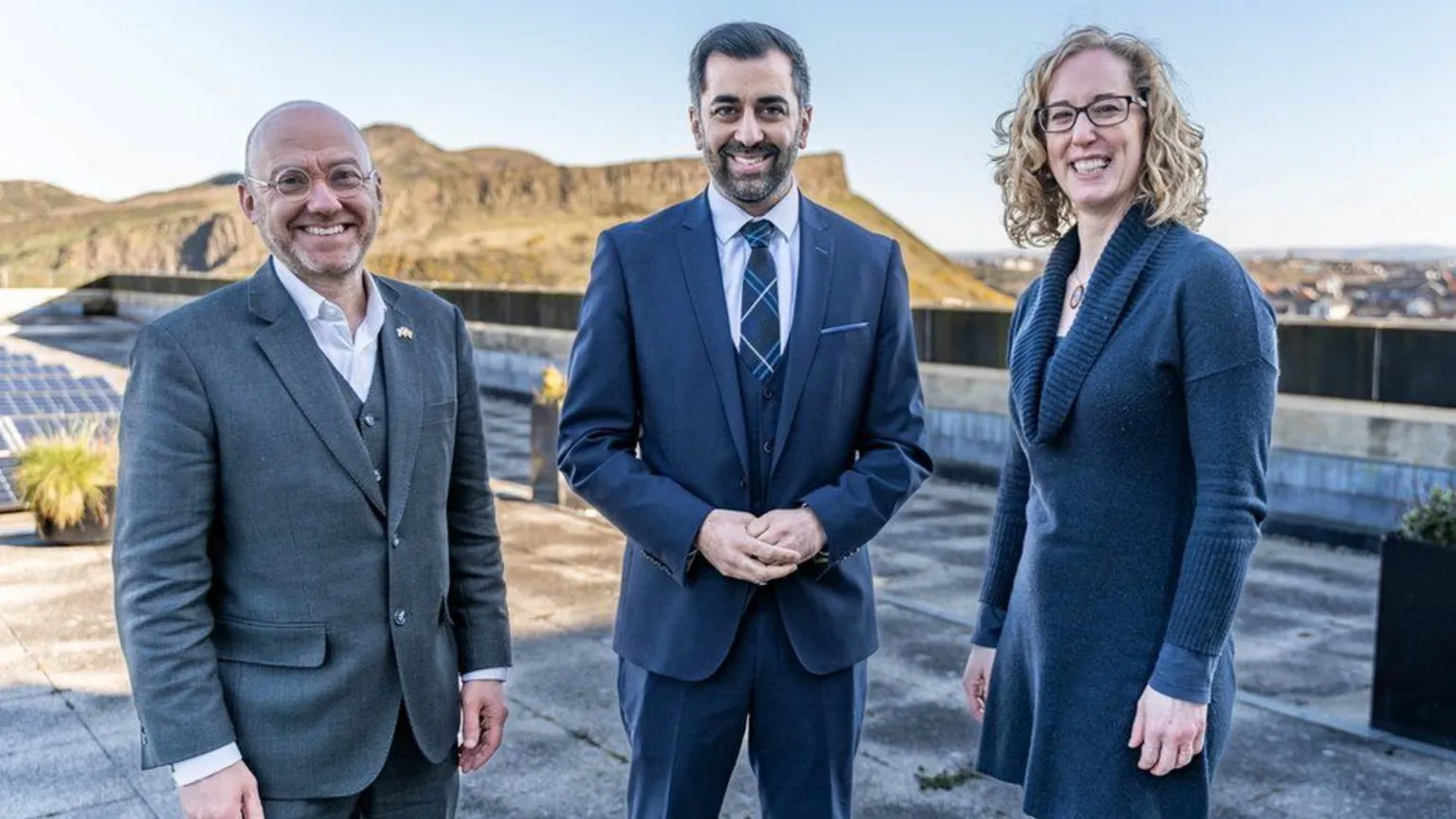
The dissolution of the Bute House Agreement left the SNP as a minority government. Facing a motion of no-confidence, Yousaf chose to resign.
International Affairs and Personal Impact
During his time in office, Yousaf took a strong stance against the war in Gaza, advocating for an immediate ceasefire. His wife, Nadia El-Nakla's parents, were trapped in Gaza for four weeks following the Israeli invasion, which occurred after Hamas's deadly attacks on 7 October 2023.
"It was the most traumatic four weeks of my family's life,"
"I mean, I was first minister and you can imagine the pressure of it every day.
My in-laws were trapped. We didn't know whether they would survive day by day.
Most of Nadia's family - not just her mother and father, her granny was there, her brother was there, her niece's nephews and cousins - could all have been wiped out in a single-air strike."
Yousaf noted that this period coincided with his first conference as SNP leader, during which the party was "quite divided." He described the personal toll of managing national responsibilities while supporting his family.
"At home I had an inconsolable wife and two children who didn't know whether their granny or grandpa would come back home alive.
And I've got to keep running the country."
Nearly six months after a formal ceasefire, Yousaf described the situation in Gaza as "still very bleak." Regarding the ongoing conflict in Iran, he emphasized the necessity of consequences for nations violating the international rules-based order.
Recent reports indicate that approximately 3,500 US personnel have arrived in the region.
"We're now living in an era where those that are the mightiest and the strongest are doing whatever it is they want to do with virtually zero consequences.
That, of course, leaves everybody else at the peril and the mercy of those superpowers.
What I would have liked to have seen from world leaders is saying, we are going to stand by the international rules-based order, and there should be consequences for those that violate that."
Yousaf also stated that Europe must reconsider its reliance on the United States for defense and security, suggesting that the Gulf region is likely contemplating the same question given recent developments.
"We're now living in an era where those that are the mightiest and the strongest are doing whatever it is they want to do with virtually zero consequences.
That, of course, leaves everybody else at the peril and the mercy of those superpowers.
What I would have liked to have seen from world leaders is saying, we are going to stand by the international rules-based order, and there should be consequences for those that violate that."
"I suspect, given what's happened in the last couple of weeks, the Gulf region is asking itself the very same question."