

Expansion of Military Sites for Asylum Seeker Accommodation
The Home Office is pursuing plans to utilize three additional military sites to accommodate thousands of asylum seekers, aiming to reduce reliance on hotel accommodations.
Potential sites include Ministry of Defence (MoD) locations in Bicester, Oxfordshire; Barnham, Suffolk; and Linton-on-Ouse, North Yorkshire. If planning permission is approved, these sites could collectively house approximately 3,750 asylum seekers.
Additionally, the government intends to extend the use of existing military sites at Crowborough Training Camp in East Sussex until 2030 and RAF Wethersfield in Essex beyond 2027.
Current Accommodation Statistics and Government Actions
As of March 2024, 20,885 asylum seekers (21%) were housed in hotels, while 72,768 (75%) resided in other forms of accommodation as they awaited decisions on their claims. The number of asylum seekers in hotels has decreased from a peak of 56,000 in September 2023.
On Thursday, the Home Office announced the closure of 20 additional asylum hotels, reducing the total number in use to 170.
Official Statements on the Transition
"We are moving asylum seekers into ex-military sites that are a far cry from the hotels the last government left us with. This is a system being brought back under control – and we will not stop until the job is done." – Border security and asylum minister Alex Norris
"Labour should be putting illegal immigrants on a plane home rather than messing around with military camps and hotels. They will not do what is needed to tear down the barriers to deportation, and without deportation, there is no deterrent." – Conservative shadow home secretary Chris Philp
Local Opposition and Concerns
Lib Dem MP Callum Miller, representing Bicester and Woodstock, expressed opposition to the use of an MOD site in his constituency. Speaking on BBC Radio 4's Today programme, he criticized the government's planning and questioned the feasibility of integrating 1,250 asylum seekers into a community where the nearest village has only 370 residents.
"The question we are looking for the answer to is why the government thinks it is possible to put 1,250 asylum seekers into a community when the nearest village numbers 370... I've literally no idea how the government thinks that can be absorbed into the community."
Background on Military Site Usage
The government announced its intention to increase the number of MoD sites used for asylum accommodation last year. Currently, two former military sites—RAF Wethersfield in Essex and Crowborough Training Camp in East Sussex—are already housing asylum seekers.
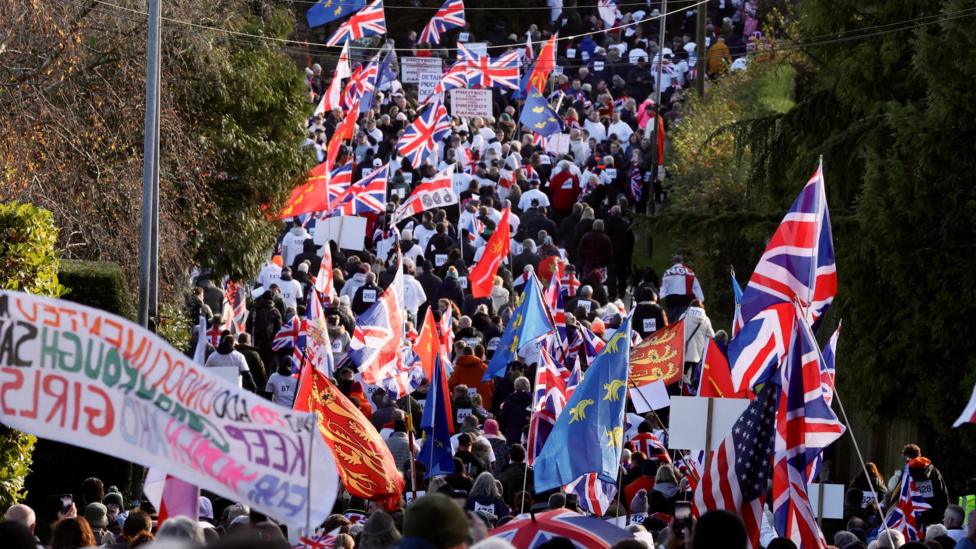
However, the use of military sites has faced practical challenges and opposition from local residents and human rights organizations.
This week, plans to house up to 300 male asylum seekers at Cameron Barracks in Inverness were reportedly abandoned following protests.

The British Red Cross highlighted concerns about the suitability of military barracks, noting their isolated locations and potential to retraumatize individuals fleeing conflict and persecution.
"It's clear that housing people seeking asylum in hotels isn't working well for anyone, but any alternative accommodation must enable people to live in safety and dignity." – Sam Turner, British Red Cross director of migration and displacement
Upcoming Immigration Reforms
The move to increase the use of military sites precedes immigration reforms expected to be introduced in Parliament next week. The Immigration and Asylum Bill aims to enhance the forced removal of individuals refused asylum and is scheduled for consideration in the House of Commons on Tuesday.
These reforms are anticipated to face significant opposition from some Labour MPs. Home Secretary Shabana Mahmood will advocate for the reforms, which will be overseen by the next prime minister following Sir Keir Starmer's resignation.
Andy Burnham, widely expected to become Labour leader and prime minister, expressed support for the general direction of Mahmood's proposals in an interview last month.
History and Controversy of Hotel Accommodation
The use of hotels to house asylum seekers increased sharply in 2020 due to a backlog in processing asylum claims and insufficient long-term housing options. This approach has been controversial, sparking protests in local communities, legal challenges from councils, and concerns regarding costs.
Expenditure on hotel accommodation for asylum seekers was £2.1 billion in 2024-2025, down from £3 billion the previous year, equating to approximately £8.3 million per day.
Recent Hotel Closures
The Home Office has confirmed the closure of several hotels previously used for asylum accommodation, including:
- Dayz Away Lodge – Dudley, Black Country
- Holiday Inn Ashford Central – Ashford, Kent
- Best Western Atlantic – Chelmsford, Essex
- The Collection Hotel – Birmingham, West Midlands
- Adagio – Leicester, East Midlands
- Norwich Hotel – Norwich, Norfolk
- Allerton Court – Northallerton, North Yorkshire
- Mercure George – Reading, Berkshire
- TLK Apartments – Bromley, Greater London
- Best Western Stoke – Stoke-on-Trent, Staffordshire
- The Granby (1 The Hill) – Gravesham, Kent
- Delta Hotel Cheshunt – Broxbourne, Hertfordshire
- Episode Leamington – Leamington Spa, Warwickshire
- Oxford Witney Hotel – Oxford, Oxfordshire
- Shambrook – Bedford, Bedfordshire
- OYO Evesham Hotel – Evesham, Worcestershire
Asylum Seekers' Arrival and Political Context
The majority of asylum seekers residing in hotels entered the UK after crossing the English Channel on small boats. Labour has pledged to reduce these crossings by targeting trafficking gangs, but arrivals remain high, with 41,472 individuals arriving in 2025.
- Inverness barracks asylum seeker plan dropped, says MP
- Number of asylum hotels falls to 185 after 11 close
- Asylum hotel vacated after fire safety concerns


