

Food Insecurity During School Holidays
According to Aine Leslie, principal of Malone Integrated College, many pupils experience "food insecurity" during school holidays. At Malone Integrated College, over half of the 750 pupils qualify for free school meals.
During Christmas, staff at the school raised £3,000 to provide supermarket vouchers to families of pupils in need.
Leslie supports a Stormont Bill aimed at reinstating holiday hunger payments to families during school breaks. The Education (Holiday Meal Payments) Bill was introduced by Sinn Féin MLA Danny Baker.
How Much Were Holiday Hunger Payments?
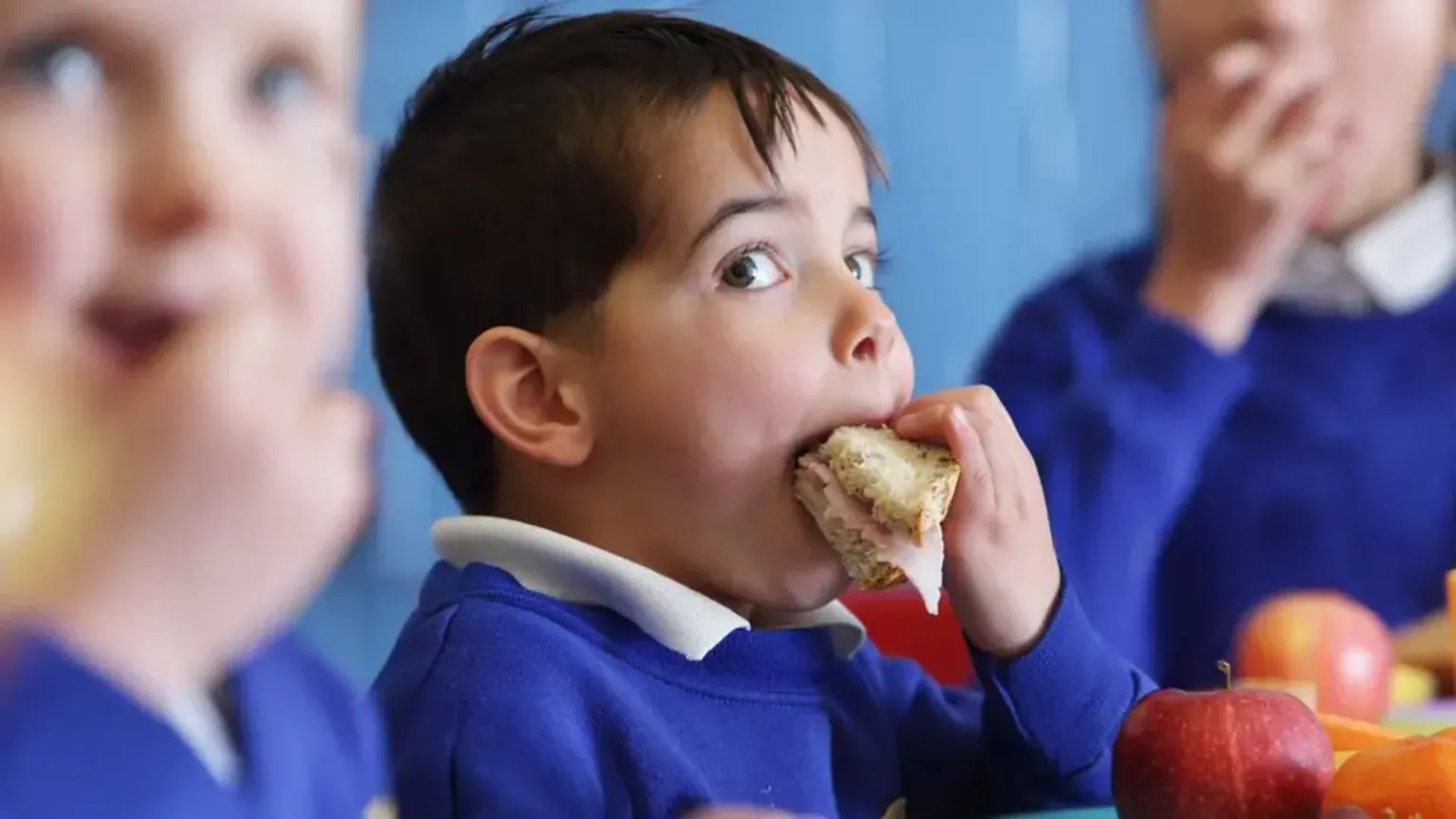
Between July 2020 and March 2023, families of 90,000 children eligible for free school meals received £27 per child every fortnight during school holidays. These school holiday food grants helped low-income families cover the cost of feeding children when school was not in session.
Payments were made during summer, Easter, Christmas, and half-term breaks. However, the Department of Education (DE) discontinued the payments in March 2023 due to budget constraints. Dr Mark Browne, then Permanent Secretary in DE, described it as the most difficult decision he had to make.
The Education (Holiday Meal Payments) Bill, introduced by Baker, proposes reinstating these payments at an estimated initial cost of around £20 million annually. Children qualify for free school meals if their household income is below £15,390 per year.
Perspectives from School Leaders
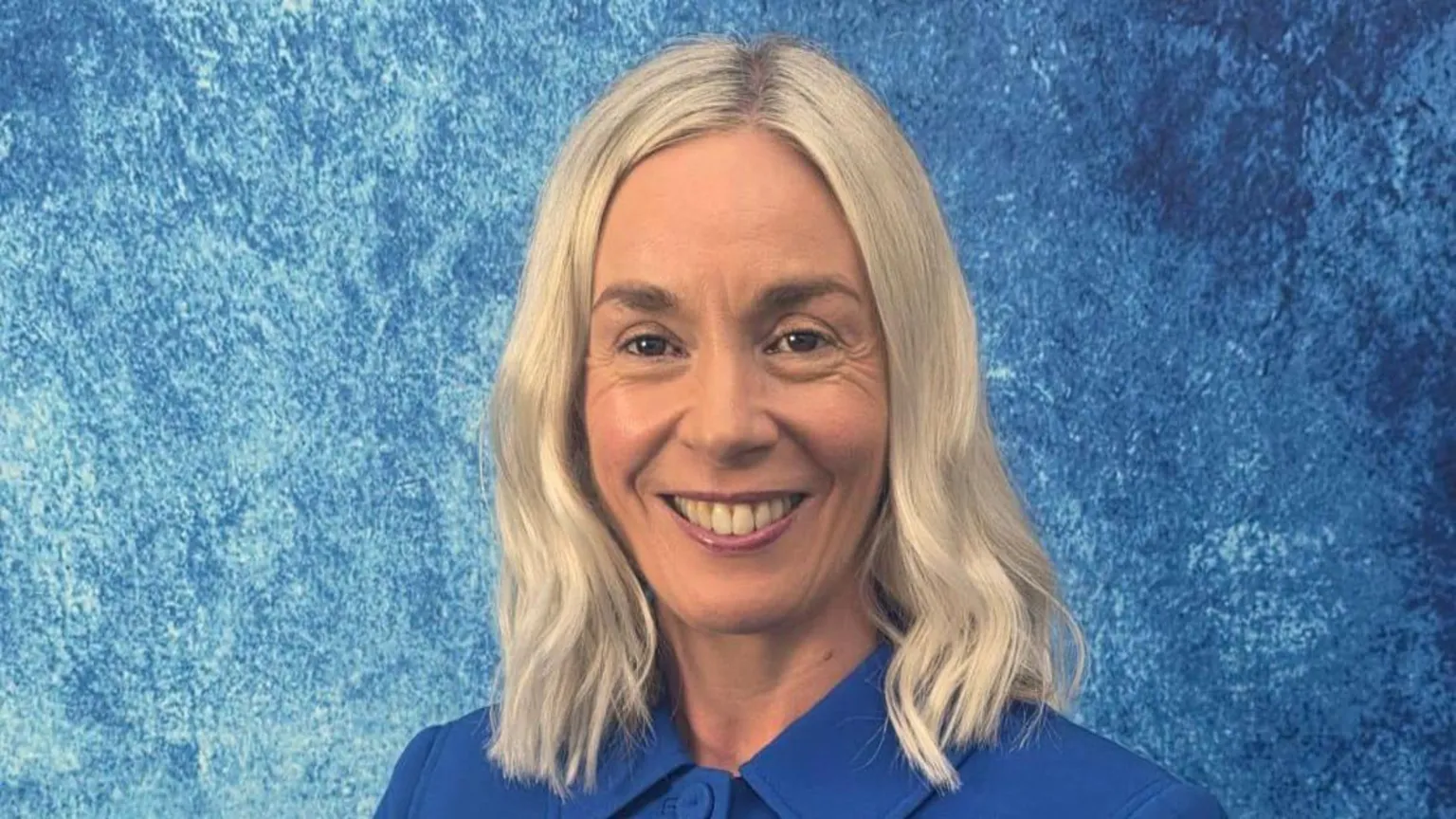
At Malone Integrated College in Belfast, more than half of the 750 pupils are eligible for free school meals. Aine Leslie notes this reflects "the significant levels of deprivation within the communities we serve."
"For many of our pupils, the school day provides not only education but also a reliable source of food and stability."
The school operates a subsidised breakfast club and provides uniforms and shoes for some families. In Christmas 2025, instead of hosting a Christmas dinner or Secret Santa, staff raised £3,000 to distribute supermarket vouchers to families in need.
"When schools close for extended holiday periods, that support disappears, and families already struggling with the cost-of-living face even greater pressure,"Leslie explains.
"Bringing back holiday hunger payments would provide practical, dignified support for families and ensure that vulnerable children are not placed at a further disadvantage simply because the school term has ended."
"For many of our most vulnerable pupils, the summer break is not a time of opportunity but a period of isolation, food insecurity and limited access to safe, structured activities,"she adds.
Families Outside Eligibility Also Facing Challenges
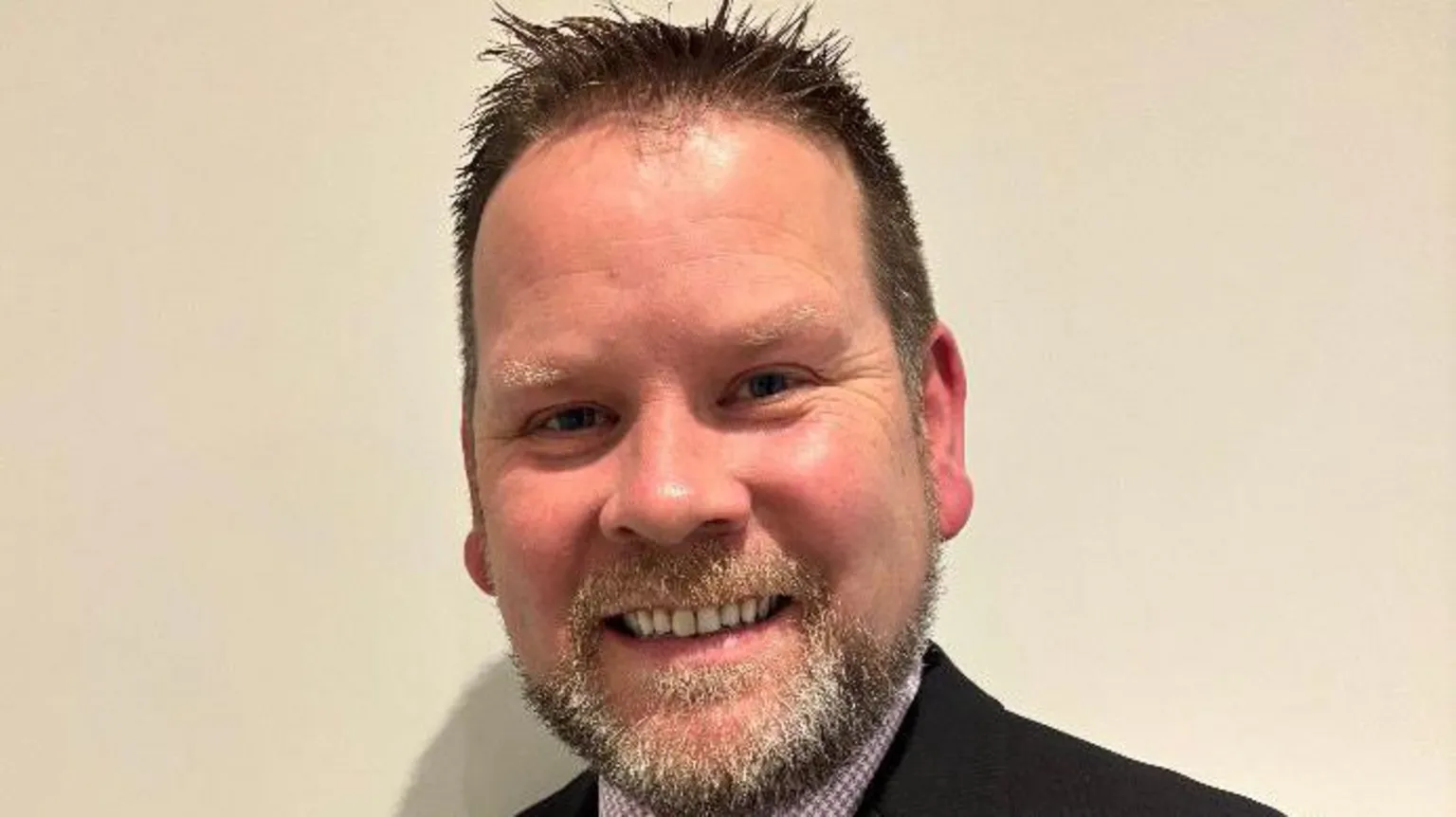
At Dungannon Primary, approximately one-third of the 320 pupils qualify for free school meals. Principal David Thompson emphasizes the importance of support for vulnerable families.
He notes an increasing number of families are struggling financially and believes additional holiday support would be warmly received by those facing difficulties.

However, Thompson also highlights that families above the free meal eligibility threshold, often referred to as the "working poor," face significant financial pressures during school holidays.
"These households—often referred to as the 'working poor' —frequently carry a heavy financial burden and can face just as much pressure during school holiday periods,"he says.
He advocates for a "fairer and more inclusive system that recognises and supports these families as well" to ensure no child is disadvantaged due to their family's income marginally exceeding the threshold.
Thompson expresses concern about the education budget's current state.
"Given the current financial climate within our schools, where budgets are under unprecedented strain, I am not convinced that a holiday hunger allowance is where limited resources most urgently need to be directed,"he states.
"While the intention behind the proposal is understandable and well meaning, it is essential that any new initiatives are balanced against the immediate and pressing needs within our school system."
Motivation Behind the Holiday Hunger Bill
Sinn Féin MLA Danny Baker was inspired to introduce the bill based on his experiences with breakfast clubs and meal schemes in youth work.
"There was a young boy, about the same age of my youngest, around seven years old,"Baker recounts.
"He was filling his wee pockets up and we caught on to this. To cut a long story short, he was bringing home food for his siblings because there just wasn't enough food in the house,"he adds.
"So much great work is done in our community and voluntary sector but it shouldn't be on them. I know this is only one piece of a much wider puzzle but we have to start somewhere."
In preparation for the bill, Baker estimates the cost to reintroduce payments would be around £20 million annually.
"I'm not naive to say that it won't cause issues for a department,"Baker acknowledges.
"But departments and ministers have their own priorities and their own budgets. It does come down to hard choices. This will be a decision for the house to take but there will be ramifications for the budget. But I want to make this an inescapable pressure for any minister coming forward in education,"he says.
The bill has been introduced to the assembly, and Baker hopes it will be passed before the next election in early 2027.

Department of Education Response
A spokesperson for the Department of Education stated that additional funding was provided by the executive to enable payment of School Holiday Food Grants from July 2020. However, this additional funding ended in March 2023.
The department continues to support children through free school meals for low-income families and collaborates with other government departments and agencies to explore ways to address holiday hunger.


