

Scammers' Growing Sophistication and the Fight Against Them
In 2024, Kirsty, a woman in her 40s from North Yorkshire, encountered a man on a dating website who claimed to be an English businessman working in Turkey. He shared a photo purporting to show his toned physique on a beach and asserted financial stability, even presenting a banking website to convince her he had $600,000 (£443,600) in savings.
After two weeks of communication, he reported being mugged, with his phone and computer stolen, and requested Kirsty purchase a phone and pay some bills on his behalf. This incident exemplifies the complex international networks scammers employ.
Kirsty bought a phone in the UK and sent it to a block of flats in northern Cyprus, where the man said he was working. Over two months, she transferred £80,000 from her bank account, borrowing £50,000 from family, trusting the man’s promise to reimburse her once he regained access to his bank account.
However, the phone was actually sent to Lagos, Nigeria, and the £80,000 was transferred to individuals with Nigerian, Romanian, and other European names through money transfer services. The man was Nigerian, not British, and used a voice disguiser to deceive Kirsty. The banking website he showed her was a sophisticated fake registered in Baltimore, USA.
Kirsty’s case is one among many, as experts report a surge in scams since the Covid lockdowns of the early 2020s. According to the Global Anti-Scam Alliance, global fraud losses exceed half a trillion dollars annually.
Reports of romance scams increased by 20% year on year between the first quarters of 2024 and 2025, according to Barclays. The City of London police reported £106 million lost in the UK in 2024 alone to scams similar to Kirsty’s.
Kirsty’s experience also highlights the increasingly international nature of scamming. In response to rising costs, governments and companies are advocating for international cooperation to combat scammers.
For the first time, a joint agreement between nations has been signed to fight scamming. However, criminal methods are becoming more sophisticated and often originate in regions where authorities have limited control.
This raises the question of whether countries can effectively counter scammers and prevent further victims like Kirsty from losing their savings.
The Covid Boom
Scams are defined as attempts by individuals, via text, phone, or email, to deceive victims into losing money or personal data. With two decades of experience investigating fraud for the BBC, it is clear that while scams vary, they all involve deception to extract money.
Fraud is the most common crime in the UK, accounting for over 40% of crimes against individuals. The UK government states that 70% of scams originate overseas, often operated by criminal gangs.
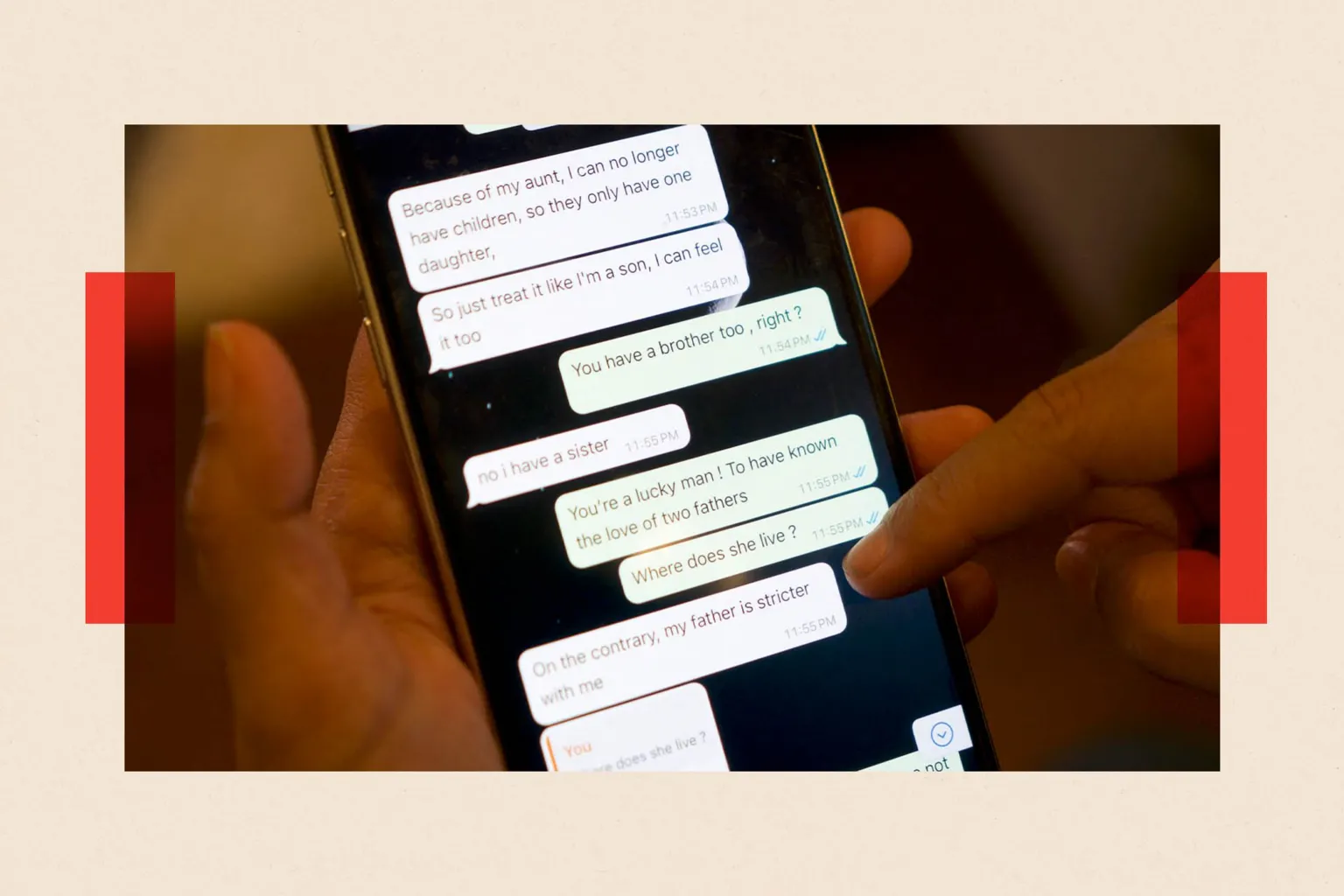
During Covid lockdowns starting in 2020, people spent more time online for shopping and socializing, increasing exposure to scammers. Simultaneously, realistic video impersonations, voice alterations, fake websites, and texts became more prevalent, with scammers expanding their use of social media platforms like WhatsApp.
Global layoffs created a new labor pool for criminal networks, according to Ilias Chatzis, acting head of the UN Office on Drugs and Crime. These networks are difficult to dismantle.
"Some of these scams are in almost lawless areas or in areas which are controlled by armed gangs… that the governments may have very little control over."
Myanmar is noted for its scam centers, which originated in the 1990s with illegal casinos. Though these were shut down, during the pandemic, the buildings were repurposed as scam operation hubs. The 2021 military coup and ensuing civil war created conditions that allowed scam centers to thrive.

Victims Creating Victims
Another complexity is that scammers may themselves be victims. Fake job advertisements lure individuals overseas who cannot find work locally. These individuals are trafficked to scam centers, where they are trapped and forced to defraud others for criminal bosses.
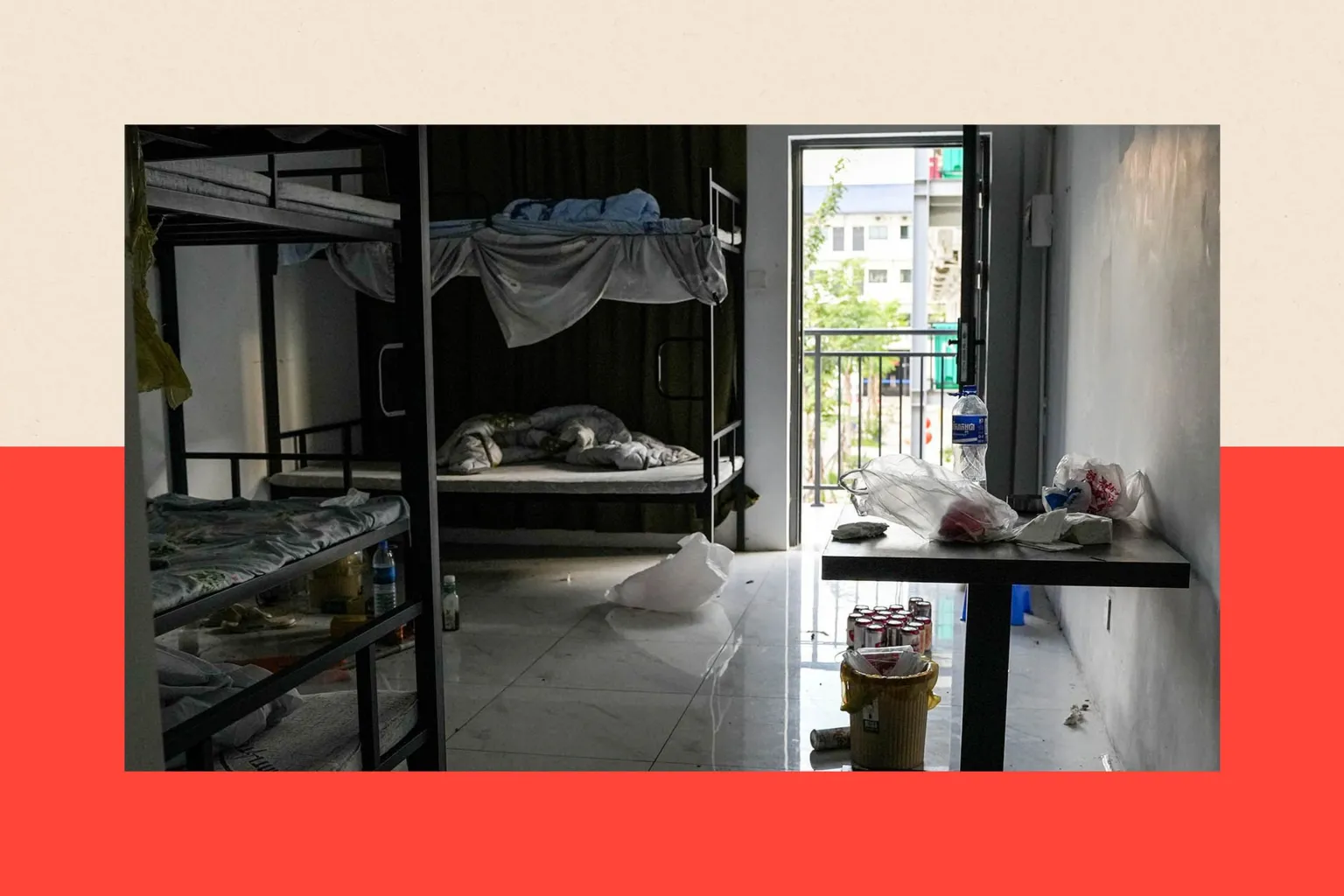
The BBC recently visited a large abandoned scam compound in Cambodia, deserted after shelling during a border dispute with Thailand. The compound revealed harsh living and working conditions.

One room’s walls bore motivational messages in Chinese, such as "Money Coming From Everywhere." Records tracking employees’ bathroom breaks, fake police uniforms, and counterfeit police summons were found, designed to intimidate victims into handing over money.
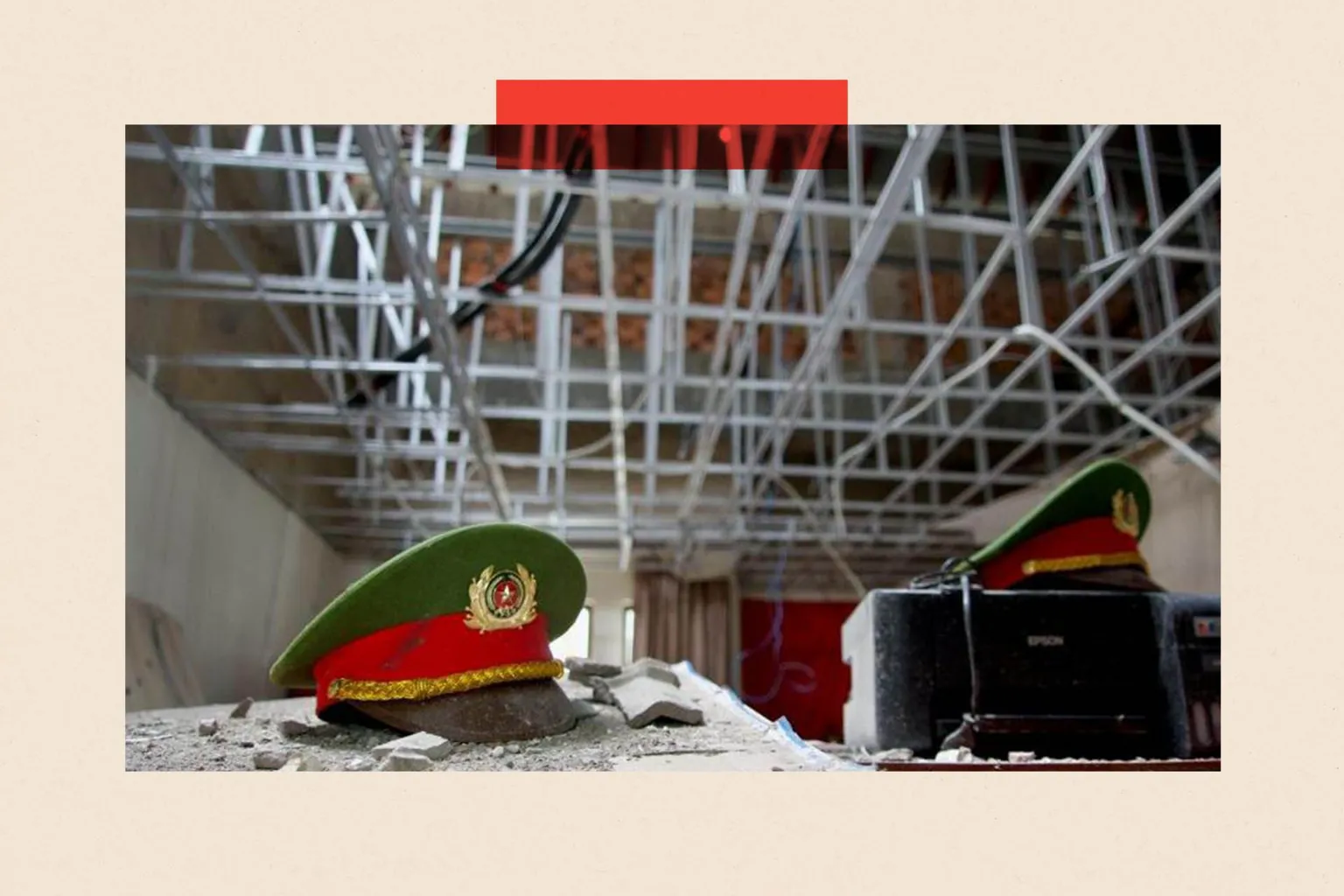
Recruiting people to scam centers is itself a scam. Victims are met at airports, believing they are traveling for legitimate jobs such as teaching or customer service. Once inside the compound, they lose freedom and passports, becoming subject to traffickers.
"Everything looks normal - until they are in the compound, and they're totally in the hands of the traffickers," Chatzis explains. "From then on, the nightmare starts. Passports are taken away."
Those inside these centers endure long shifts with targets to defraud victims worldwide. Failure to meet targets can result in solitary confinement, beatings, or transfer to harsher compounds.
Chatzis notes, "For every victim in the UK, there may be another victim on the other side that has been forced to commit this scam."
Scam centers are not limited to Southeast Asia but also exist in countries such as India and the UAE. Some operate as legitimate businesses by day and scam centers by night. For example, in northeast India, legal call centers become scam operations after hours, exploiting time differences to target English-speaking countries like the UK, US, and Australia.
Nick Court, former City of London police officer and current head of Interpol's financial crime and anti-corruption center, emphasizes the need for awareness in wealthy nations.
He describes these areas as "lawless areas where law enforcement officers cannot enter, except with huge military escorts, where the pay is low and the benefits of being involved in fraud are incredibly high."
Tackling the Scammers
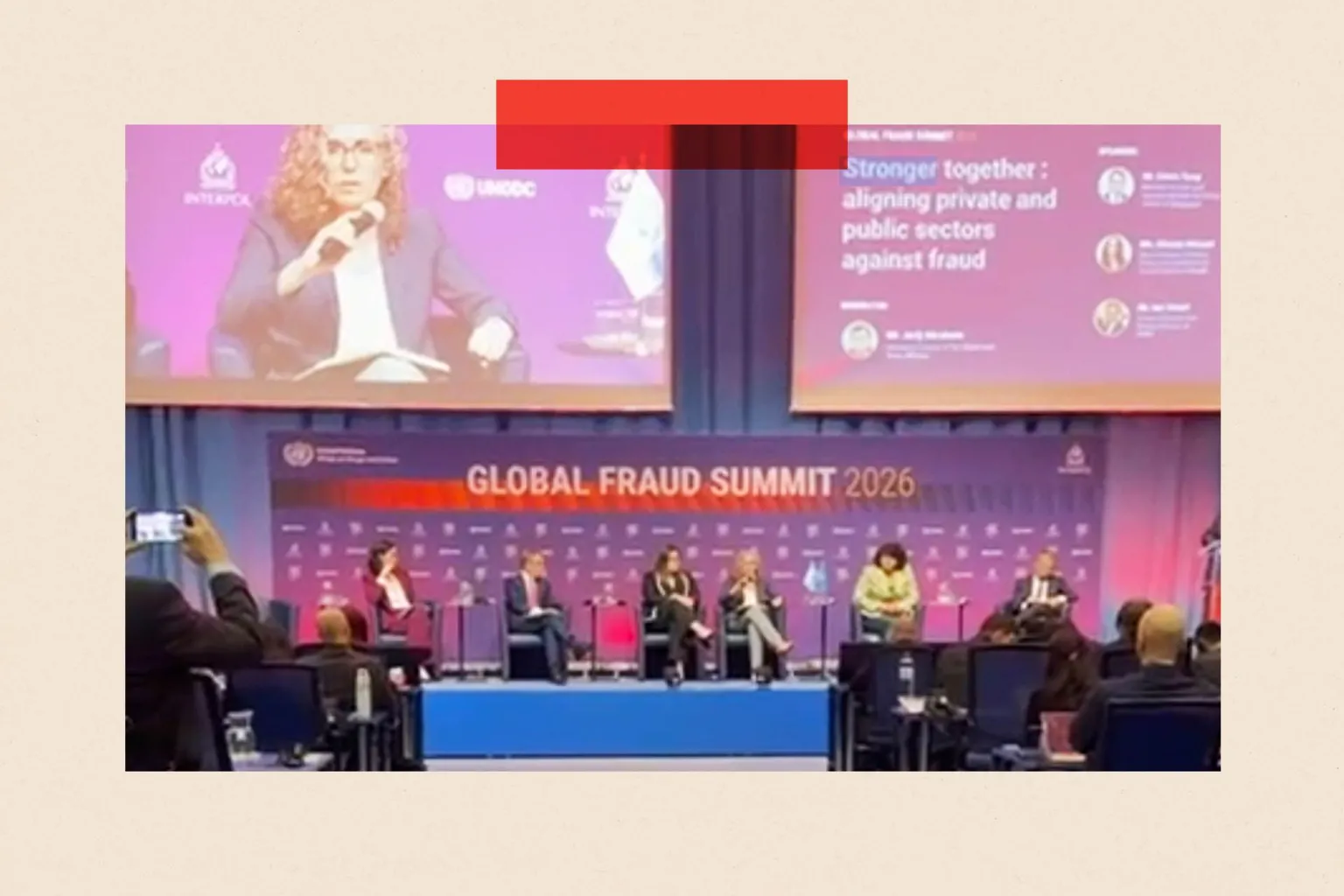
The Global Fraud Summit in Vienna, organized by the United Nations and Interpol last month, gathered 1,400 participants including governments from the UK to China and major technology companies.
Such gatherings have occurred since 2024, but this summit was notably larger, with government ministers, tech giants, and law enforcement officials present. For the first time, a joint agreement was signed between some nations.
The summit saw 44 of 120 countries sign a pledge to "disrupt fraud at the source and enhance victim support." While more countries are expected to join, many have yet to commit to cooperation.
Wealthier nations, often victims of scams, have a vested interest in resolving the issue. Developing nations, where many scam operations are based—particularly Myanmar, West Africa, and South Asia—are urged to do more despite limited resources.
This highlights a disparity: criminals exploit impoverished communities for financial gain, while some countries prioritize more fundamental challenges over financial crimes affecting wealthier nations.
Xolisile Khanyile, a financial crimes prosecutor from South Africa, highlighted the importance of mutual collaboration.
She stated, "If developing nations are to help destroy fraud networks, wealthier countries need to share their technical expertise and resources too."
"In my experience, developed nations will complain about a lack of resources without understanding that fighting industrialised fraud needs fit-for-purpose skills like your forensic accountants, experts on crypto, experts in open source investigations, so that we will be able to make a difference."
The UK's Fraud Minister, Lord Hanson of Flint, expressed that punishing non-cooperating countries might be counterproductive and advocated for "soft power."
"What I can do is try to get international cooperation to ensure that we have outcomes which support the making of fraud harder for criminals, make their costs harder, bring them to account, and if we can freeze any assets they're making from those fraudulent activities."
Concerns remain about whether authorities and major technology companies collaborate sufficiently.
Steve Head, former UK National Coordinator for Economic Crime, emphasized the need for greater operational involvement from tech and social media giants.
"It's long been my opinion that the big tech companies and social media giants need to be far more involved and at a far more operational level," he said. "It's these multifaceted international relationships with big business that we really need to be strengthening far more than we have."
Digital firms such as Amazon and Meta attended the summit, signed the joint statement, and have enhanced anti-scam measures. Dating platform Match.com reports removing 50 fake accounts every minute.
Head noted, "Laying the groundwork for successful action took time before any operational activity took place, and the same applies to cooperating with tech firms. That's still about creating and demonstrating that mutual benefit, and it's about building trust between the partners and mutual respect."
Show Me the Money
Despite challenges, there were successful examples shared at the Vienna summit.
Alex Wood, a former fraudster and member of the BBC Scam Secrets team, recounted a small-scale but effective collaboration.
"I was listening to someone from the German police in one of the sessions and he was explaining how a victim in Germany was defrauded and the money ended up in Hong Kong," Wood said. "He happened to have the mobile phone number for somebody at Interpol, phoned that person, the person at Interpol happened to have the mobile phone number for someone in Hong Kong, and they managed to stop the payments and get the money back."
Another example involved Google collaborating with the Singaporean government to prevent 2.8 million malicious apps from being downloaded. Criminals were encouraging users to "sideload" fake banking apps from outside official stores.
While many remain hopeful about the future of anti-scam efforts, victims like Kirsty remain poignant reminders of the human cost. Beyond financial loss, she suffered a loss of trust in others.
As scammers become increasingly agile and cross-border, efforts to counter them must be equally swift.
BBC InDepth provides in-depth analysis and fresh perspectives on major issues. Emma Barnett and John Simpson curate thought-provoking deep reads and analysis every Saturday. Readers can for the newsletter.



