

Concerns Raised Over Proposed Lamb Tail Docking Changes
Farmers have expressed concerns regarding the potential financial and practical impacts of proposed amendments to lamb tail docking regulations following a UK-wide consultation on the practice.
Currently, many lambs undergo tail docking within hours or days of birth to maintain cleanliness and reduce disease risk.
The proposed changes include mandates for pain relief during certain procedures, the introduction of alternative methods, and restrictions on the timing and manner of performing these procedures.
A spokesperson for the Department of Agriculture Environment and Rural Affairs (Daera) stated that the proposals follow advice indicating that current methods "cause chronic pain".
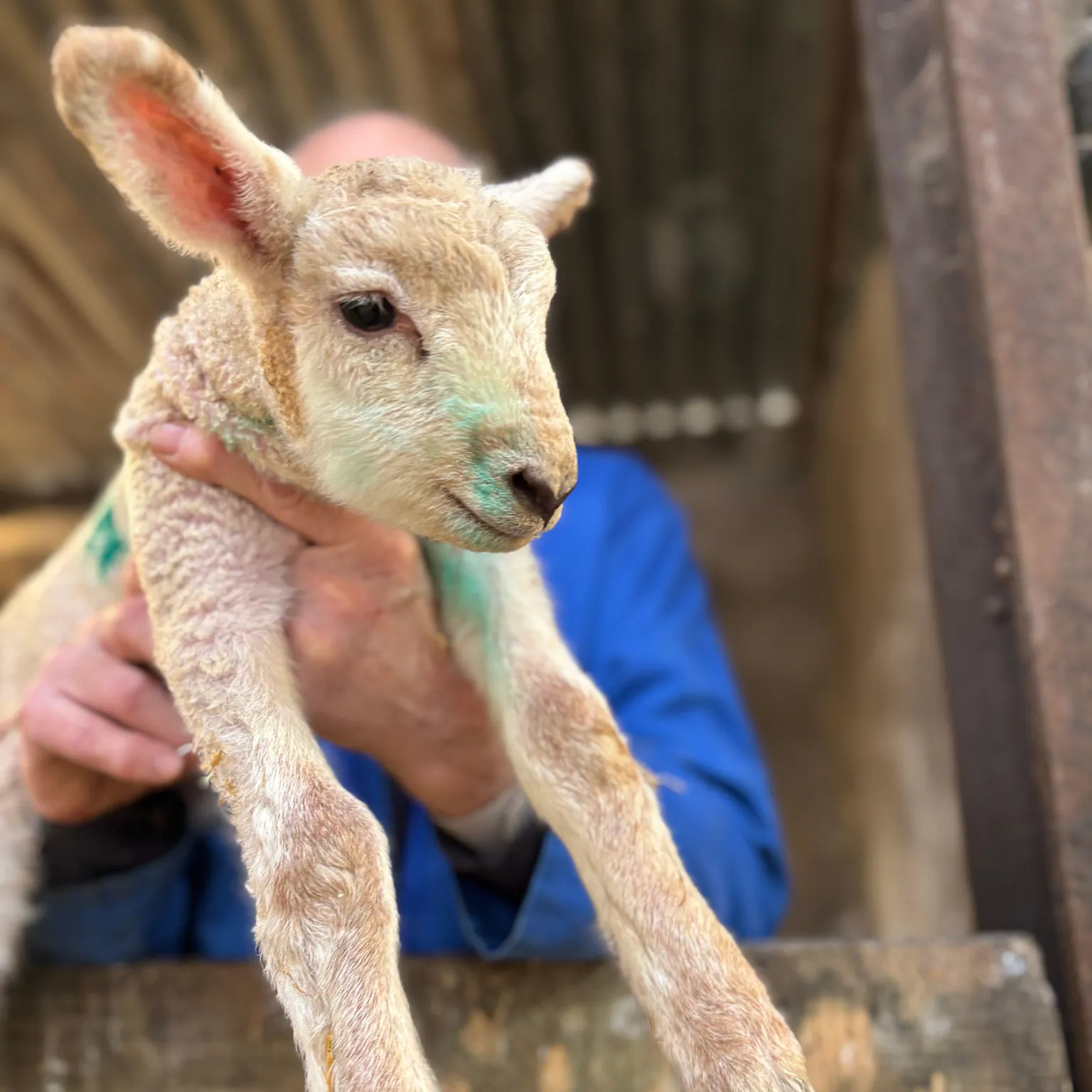
On-Farm Experience with Tail Docking
On a farm in County Fermanagh, 18-year-old student Jessica McCullough has "ringed" the tails of nearly 400 lambs during this lambing season.
"We take the tail and a wee rubber ring and use pliers to put it around the tail, snap it off there and over time it loses circulation and falls off.
We do it on lambs that were born last night or early this morning before they get too old.
It gives them a wee bit of discomfort just there and then.
It works out well in the long-term for severe conditions that can be fatal for the sheep."
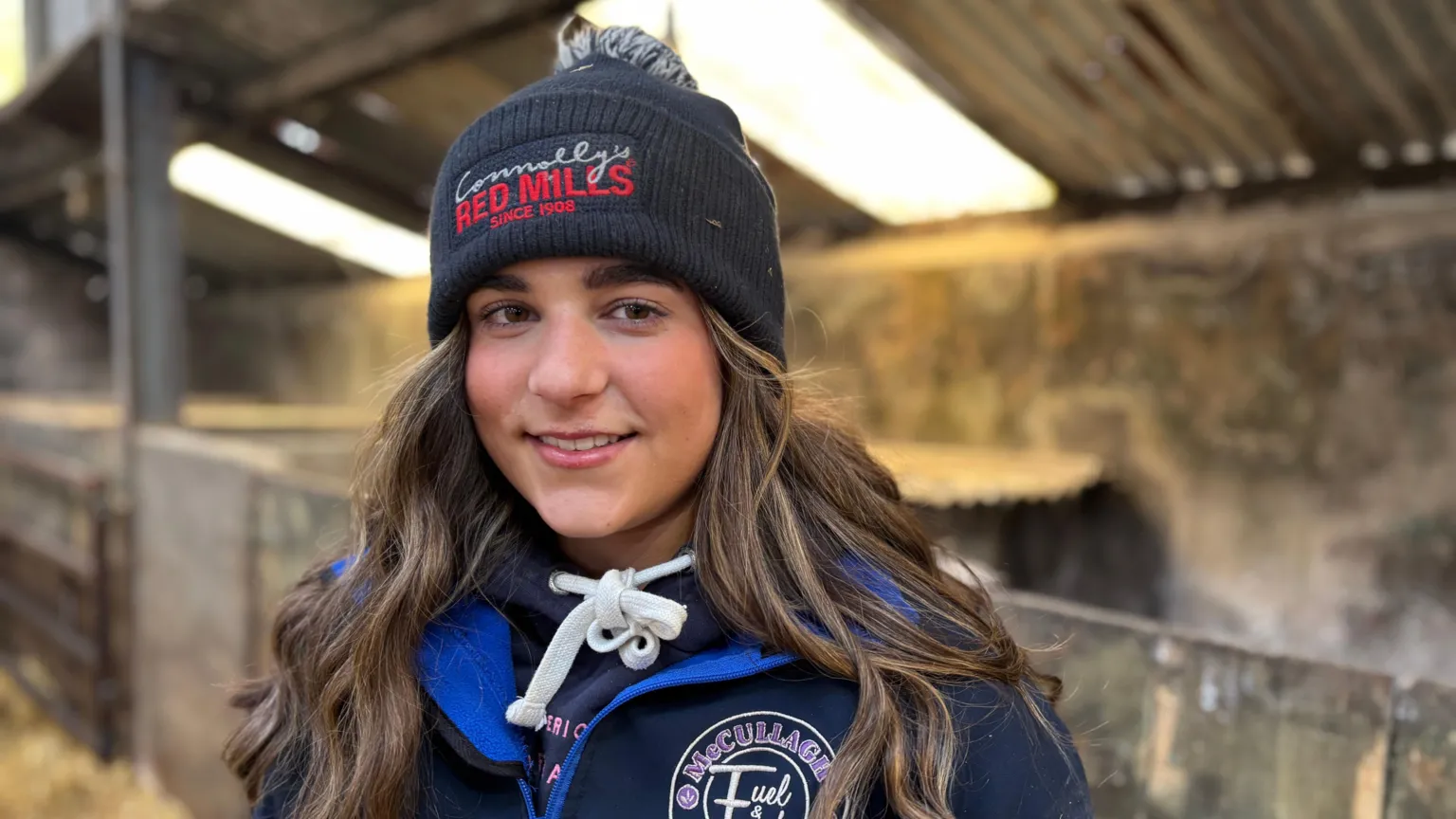
Supervising her work is farmer Alan Brady, who emphasizes the necessity of tail docking to prevent disease.
"It's essential. We've been doing it all my life here. If we didn't take those tails off in May or June any slight bit of dirt around the lambs tails with a fly strike you'd get maggots and in three or four days you'd have the lamb dead."
Brady questioned the need for additional measures such as anaesthesia.
"There's absolutely no need when a lamb can be tailed at four to six hours of age with no pain. It works quite easily. We just lift the lamb up, slip the ring and they never feel a thing."
He also warned about the financial impact on farmers if ministers decide that the procedure should be medicated.
"Cost is a big enough problem with meal and fertiliser and labour we don't need any more cost. There's little enough margin there."
Evidence of Pain from Tail Docking
Across the UK, lamb castration and tail docking are commonly performed using rubber rings, typically without anaesthesia or pain relief.
The consultation document states that "rubber ring castration and tail docking caused significant, acute and chronic pain".
It adds that the proposals aim to "ensure that where castration and tail docking is carried out, pain caused to the animals by these procedures is appropriately minimised".
The document also notes that "mutilations such as castration and docking are routinely carried out within the sheep sector" but are "painful procedures" with the government intending "to reduce the prevalence of mutilations and safeguard animal welfare where these procedures are properly justified".
In 2022, a report by the government's Animal Welfare Committee suggested: "Tail docking, as currently practised, cause a welfare harm that includes immediate and ongoing pain."
It further stated: "These mutilations should generally be avoided", while acknowledging wider challenges.
"This is a multifaceted, systematic problem, which will require systematic change,"the report said.
Farmers' Reactions to the Proposals
The Ulster Farmer's Union (UFU) expressed "serious concerns" about the proposals.
UFU Deputy President Glen Cuddy emphasized that farmers take animal welfare "extremely seriously", noting that the procedures are "only carried out where necessary to protect the health and well-being of lambs".
"They remain essential management tools,"he continued.
"Current methods are quick, safe and minimise stress. Adding extra handling, labour or veterinary involvement risks increasing stress on animals and costs for farmers, while making these practices less practical."
Veterinarian Paul Crawford indicated that implementing the proposals would likely increase costs.
"There is going to be a financial cost, both in the terms of medicine, buying the medicine and the needles and syringes to administer it, as well as the time it's going to take for them to do that."
He also highlighted potential issues with access to medicines for these procedures.
"There's nothing authorised in the UK for sheep, full stop.
Never mind for lambs of under two weeks of age or under one week of age,"when, he said, most would be undergoing the procedure.

Department's Position on the Consultation
A Daera spokesperson stated that no commitment to action has been made yet.
"Participation was considered a useful exercise to gain stakeholder views on this matter without committing to any specific course of action.
Farmed animal welfare remains a devolved matter under the responsibility of Minister Muir.
Defra (the UK Department for Environment Food and Rural Affairs) is currently analysing the consultation responses and any future decisions in this area will require further ministerial consideration and agreement."
The consultation outcome is currently under review.


