

Farmers Remain Concerned Despite Bluetongue Restrictions Easing
Farmers continue to be "very fearful" of the bluetongue virus (BTV) even as restrictions on livestock movements are being relaxed, according to the Ulster Farmers' Union (UFU).
From 09:00 GMT, animals will be permitted to move within Northern Ireland and across the border into the Republic of Ireland.
Movements have been limited since BTV, a disease transmitted by midges, was detected at a farm in November.
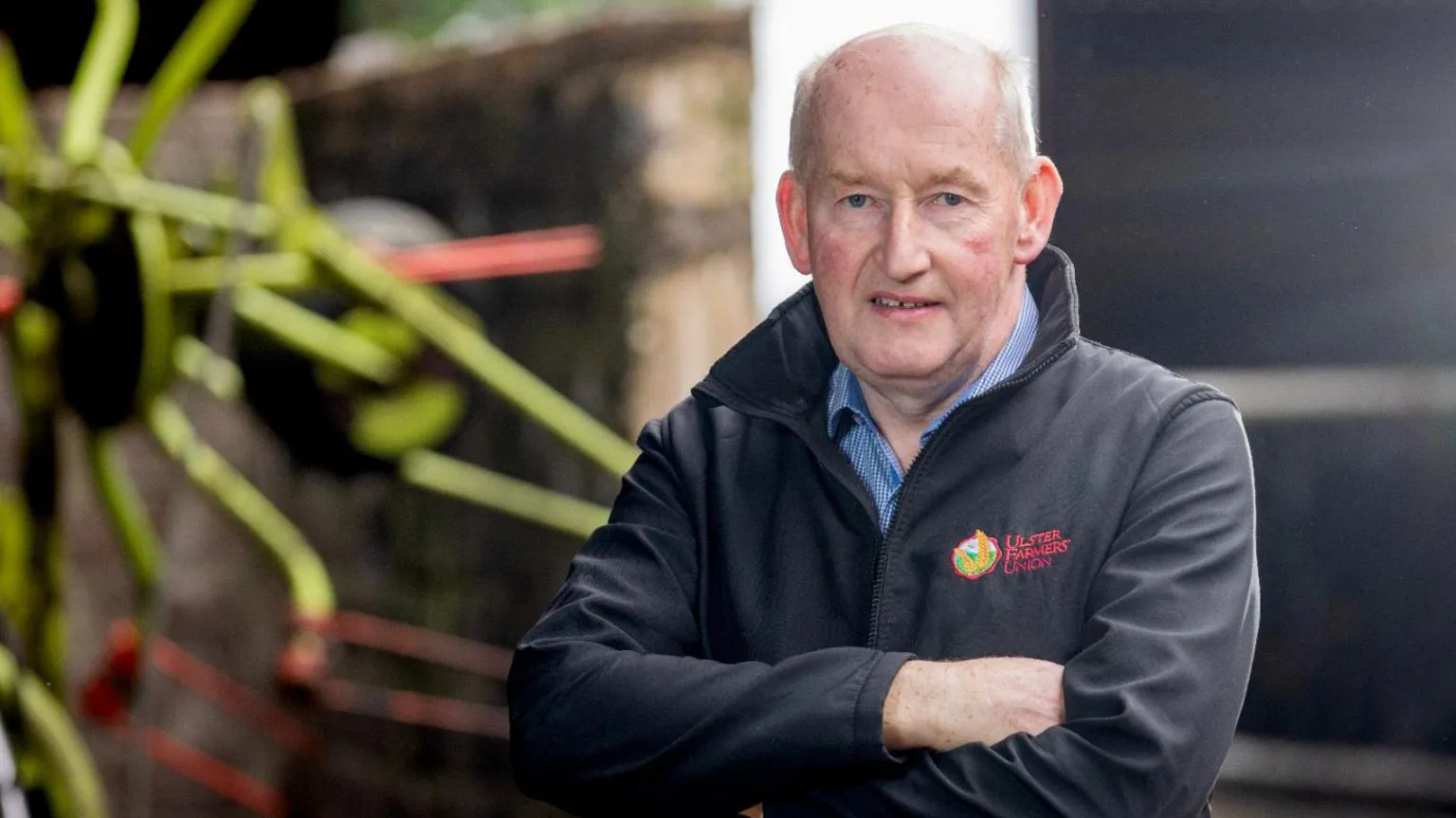
Glenn Cuddy of the UFU described the development as "significant news" but cautioned farmers against hastily importing stock from the European Union, advising them to "be mindful of where they are getting the breeding stock from".
Agriculture ministers from Northern Ireland and the Republic of Ireland have agreed to allow animal movement between the two jurisdictions and to lift the temporary control zone in County Down.
However, they acknowledged that easing restrictions carries "an increased disease risk".
Cuddy added:
"The strain which we seem to have, it hasn't done the sheep or the cattle any harm but through the rest of Europe there's other strains there that can come here by the midge as they migrate."
He emphasised the need for farmers and stock keepers to "keep a good eye on their animals".
The relaxation does not extend to the movement of live animals from Great Britain to Northern Ireland, which remains suspended.

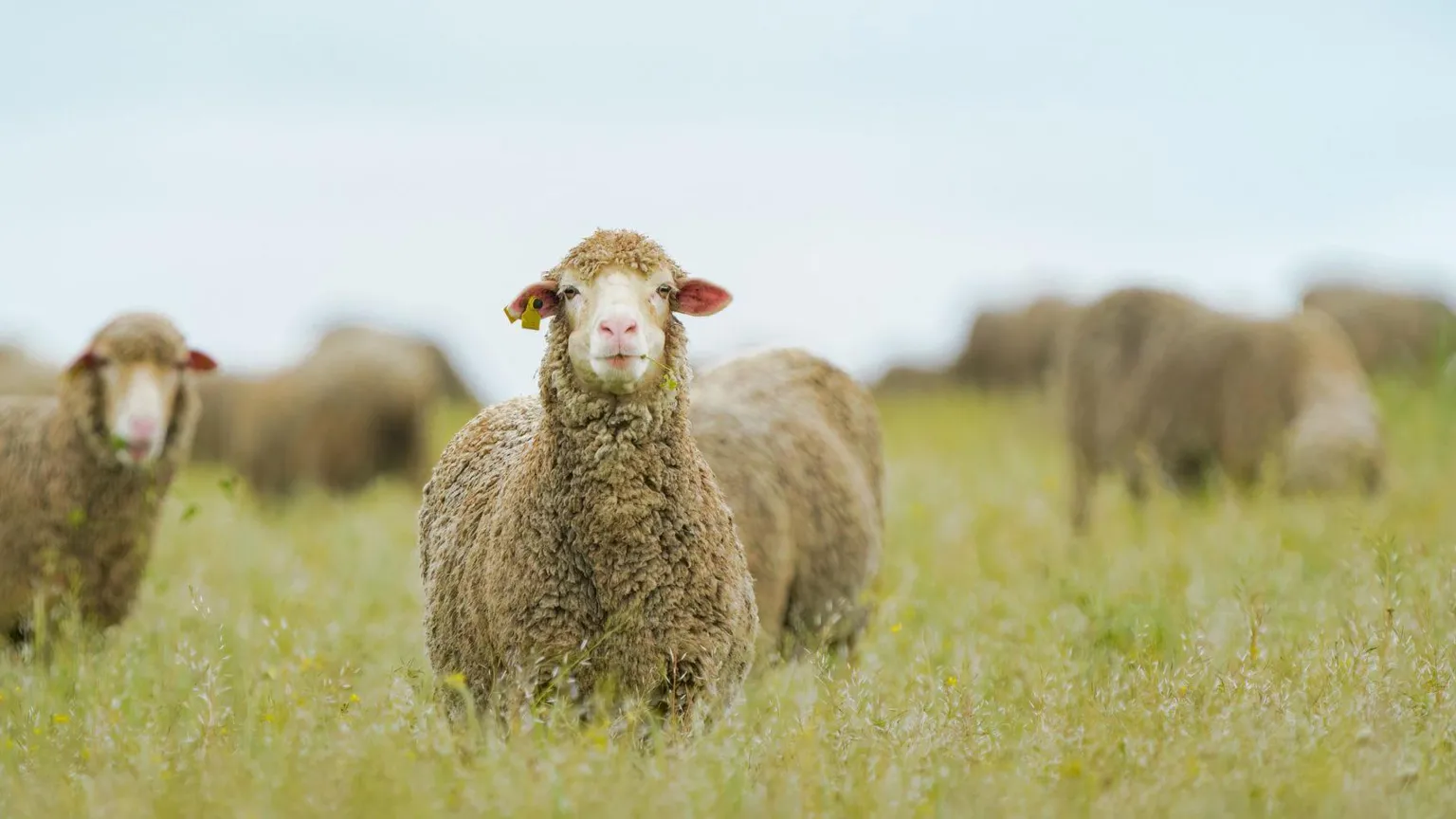
BTV is a viral disease affecting ruminants such as cattle and sheep. Although it poses no risk to human health or food safety, it has significant implications for animal health and trade.
A vaccine against BTV has been approved, and farmers are encouraged to consult with their veterinarians regarding vaccination options.
Cross-border Trade and Bluetongue Virus
Agriculture Minister Andrew Muir stated that protecting animal health remains "paramount" but acknowledged the "significant disruption that trade restrictions have caused".
"This balanced and proportionate approach, developed in close collaboration with farming organisations and wider industry, will allow trade to resume while managing disease risk," he said.
Martin Heydon, Irish Minister for Agriculture, Food and the Marine, highlighted the importance of cross-border trade, calling it "essential to the all-island agri-food economy".
Since the Republic of Ireland confirmed its first case of BTV Serotype 3 (BTV-3) in January 2026, only cattle and sheep movements directly to slaughter have been permitted due to certification requirements not being met.
Veterinary authorities in Ireland and Northern Ireland, along with the EU Commission, have been engaged in ongoing discussions to establish a pathway to restore trade flows.
What is Bluetongue Virus?
Bluetongue virus affects cattle, goats, sheep, deer, and camelids such as llamas and alpacas.
The virus can cause ulcers or sores around the mouth and face, difficulty swallowing and breathing, fever, lameness, fetal deformities, and stillbirths.
Transmission primarily occurs through biting midges, which are most active from April to November.
Bluetongue virus poses no risk to public health and does not threaten food safety.


