

Farmers Struggle with Persistent Rain Affecting Slurry Management
More than six weeks of continuous rainfall have created significant challenges for farmers as the new year begins, impacting essential farming activities.
Dairy farmer Mervyn Gordon describes the situation as
"Hectic". He manages a 400,000 gallon slurry storage tank beneath the shed housing most of his 250-strong herd during the winter months.
Typically, this time of year involves emptying the slurry tank and spreading the slurry on grasslands to allow absorption before the first silage cut in May. However, ongoing wet weather has delayed these operations.
The adverse conditions have also disrupted early potato planting schedules.
The Ulster Farmers' Union (UFU) has urged the Department of Agriculture, Environment and Rural Affairs (Daera) to acknowledge the pressures farmers are currently experiencing.
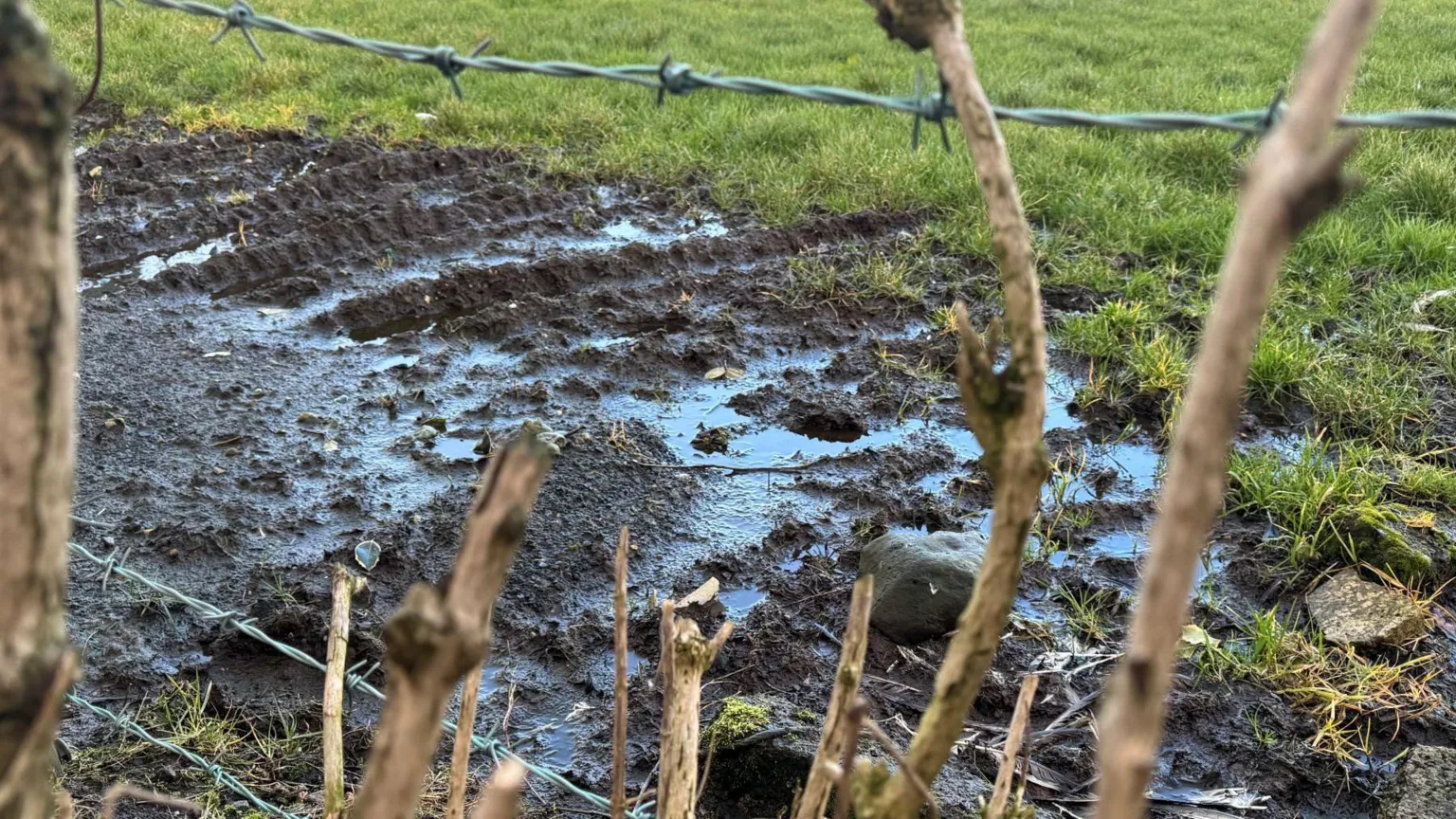
Why is slurry important?
Slurry, a mixture of animal manure and farmyard water run-off, contains essential nutrients that support the growth of grass, crops, and plants.
It serves as a readily available fertiliser during winter when livestock are housed, collected in storage pits for application in spring.
Due to its high nutrient concentration, regulations govern the timing and methods of slurry application.
In Northern Ireland, slurry spreading is prohibited from 15 October to 31 January, except under very limited conditions. This closed period aims to protect water quality during times when plants are dormant and unable to absorb nutrients.
Slurry spreading may only resume when ground and weather conditions are suitable.
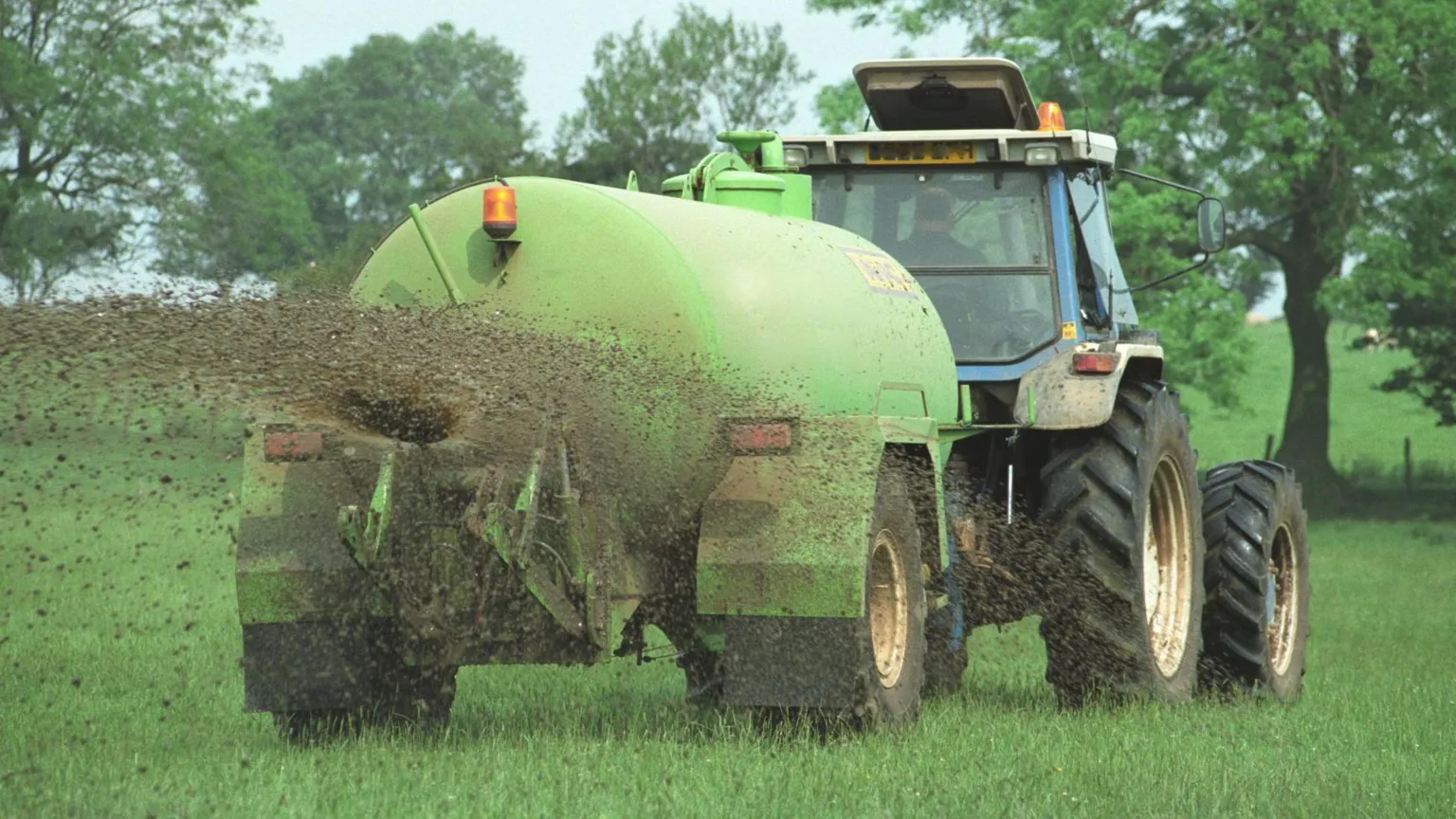
Farmers are required to maintain adequate slurry storage to avoid animal welfare issues and prevent pollution risks from potential overflow.
However, when storage reaches capacity, Daera policy includes a "reasonable excuse" clause permitting farmers to spread a minimal amount of slurry if all other options have been exhausted.
Pressure on farmers 'piling on'
Mervyn Gordon’s approximately 300-acre farm is located at the foot of the North Sperrins. In addition to his large dairy herd, he manages 100,000 chickens.
He describes this as
"one of the worst years"he can recall.
"It has just been fairly hectic, just watching the slurry tanks fill up,"he said.
His farm is currently under a bovine tuberculosis (bTB) restriction, preventing movement of extra stock and resulting in increased slurry production.
"That has added a wee bit of extra pressure,"he explained.
"So we had to take other steps just to try and make sure that we didn't run out of storage."
These steps have included employing specialist equipment to separate slurry, thereby increasing storage capacity.

A robotic slurry scraper operates regularly in the cowshed, pushing manure through the slatted floor into the large storage pit below.
With the herd producing up to 6,000 gallons of slurry daily, any available storage space is quickly utilized.
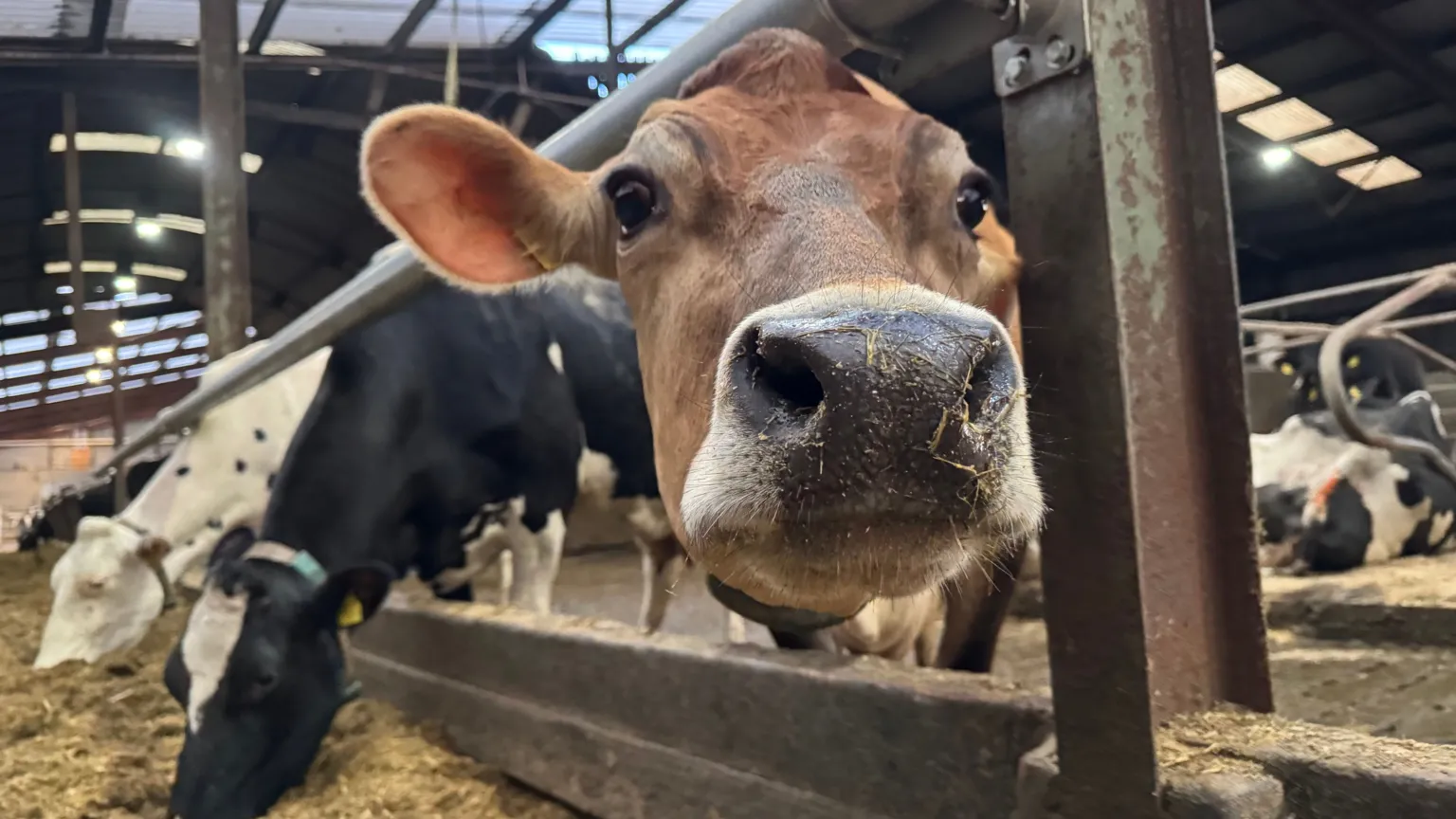
Gordon noted that adverse weather leaves farmers
"flat out"trying to complete necessary tasks.
"Jobs that you would be doing now, all that's piling up,"he added.
"You'll just be working night and day once the weather turns good."
Like other dairy farmers, Gordon relies on favorable spring and summer weather to grow and harvest silage—grass baled for winter fodder.
Slurry application promotes grass growth as daylight increases and soil temperatures rise.
However, slurry must be spread at least two months before silage cutting to ensure quality, so delays have consequential effects.
"If we haven't got good quality first-cut silage in then the cows are not going to be milking and that's going to have an impact on the profits,"he said.
Early potato planting 'impossible'
Potatoes are a staple in many diets, and this period typically marks the planting of early potato varieties.
Wilson's Country, a supplier of potatoes to retailers year-round, has faced challenges due to the weather.
Chief Executive Angus Wilson stated,
"At this stage in February we would usually have some early potatoes planted but this year that has been impossible because of the excessive rainfall."
"However, nature usually has a way of re-balancing, so we are hopeful to get planting in the next month and see the crop grow even faster in the warmer mid or late spring weather."

Changing weather patterns have caused frustration within the sector in recent years, prompting some growers to warn of potential shortages and price increases.
Nevertheless, Wilson emphasised the importance of maintaining optimism among farmers.
The Ulster Farmers' Union has criticised
"draconian planning rules"that hinder some farmers from modernising and managing nutrients effectively on their farms.
Deputy President John McLenaghan highlighted that increased slurry storage demands have created challenging conditions for farms striving to comply with environmental regulations.
He acknowledged farmers' resilience but cautioned that
"resilience isn't unlimited", urging Daera to offer
"appropriate" flexibility.
"If storage capacity is becoming a welfare concern or issues are emerging, farmers should contact their UFU Technical Officer for advice and guidance,"he advised.


