
Craig Lewis-Williams' Life-Altering Injury and Care Needs
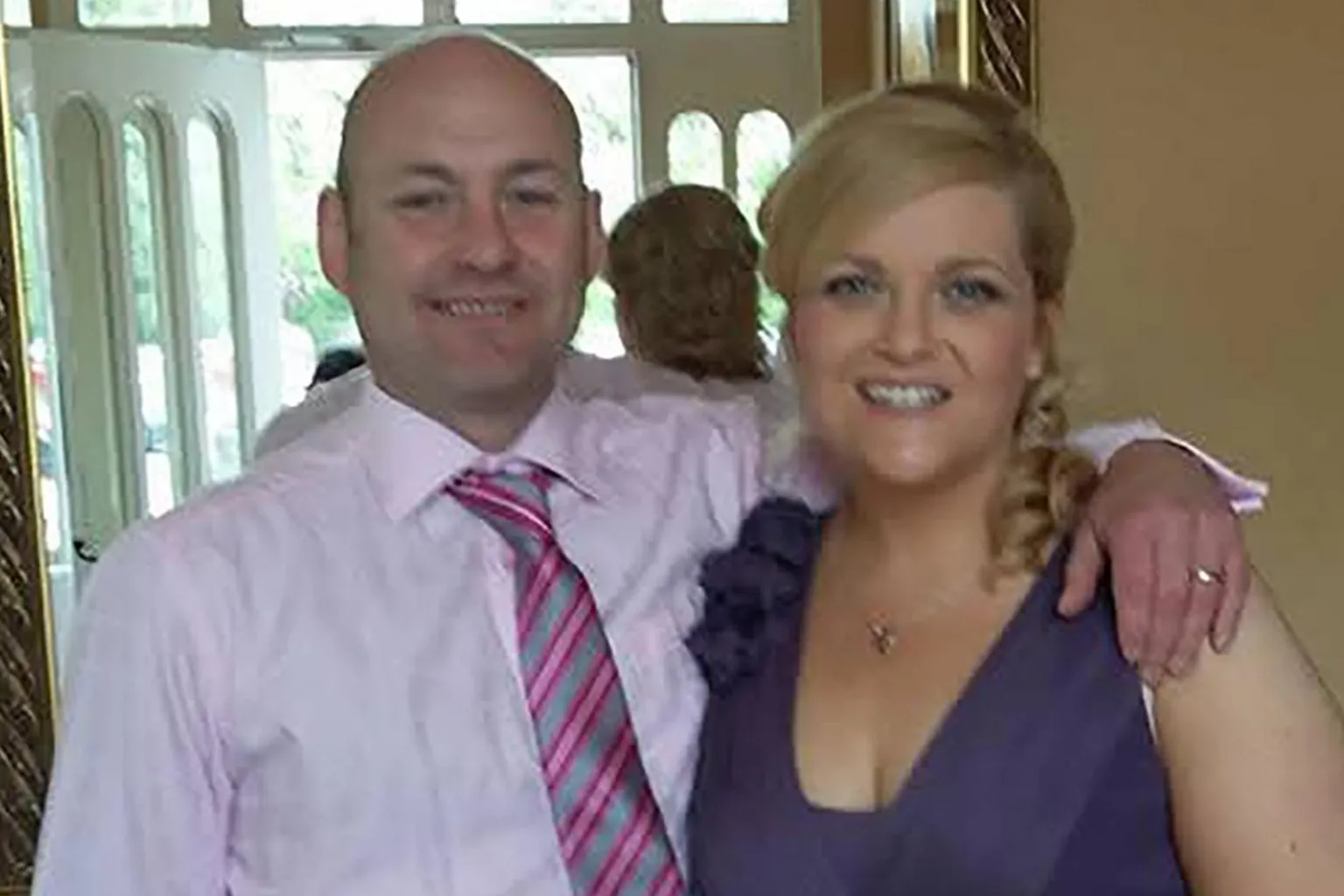
Craig Lewis-Williams is currently fed through a tube and requires carers to visit him six times daily following a one-punch attack that left him unable to walk and caused brain damage.
The assault occurred in November 2021. The 50-year-old from Llay, Wrexham, will require specialist care for the remainder of his life.
He was awarded the highest possible compensation payout of £500,000. However, this amount was established in 1996, and campaigners argue that if it had increased with inflation, victims like Craig would receive approximately £1,015,000 today.
Advocates are calling for increased payouts for victims of crime. The Ministry of Justice stated it is leaving "no stone unturned to make sure brave survivors get the support they deserve."
"Things are going to need replacing like his wheelchair and the van, they're big things to pay out for which are not what the layman needs," said his wife Anna.
"You can't go out and buy a car for £500, or £1,000, whereas we've got to get everything adapted.
"It's not going to last. He's just turned 50 and the expected life age of a male is 75 to 80, it's another 25 to 30 years."
Details of the Attack and Its Aftermath
Craig's life was irrevocably changed in November 2021 when a single punch caused him to fall backward and hit his head on the ground.
The attacker, Adam Chamberlin, admitted to grievous bodily harm and was sentenced to one year and four months in prison in December 2022.
At the time of the attack, Craig, a warehouse manager, was walking home. He sustained brain damage, lost the ability to walk or swallow, and developed memory problems.
During his treatment, Craig suffered a stroke that resulted in paralysis on his left side. He is now fed via a tube and requires carers for daily assistance.
Compensation Cap and Its Impact
The current maximum compensation amount of £500,000 was set by the Criminal Injuries Compensation Authority (CICA) in April 1996, over three decades ago.
Craig received this amount after appealing.
However, his family believes this sum will not suffice. Anna, 45, said:
"You've got your car, you've got your family, prices are a lot higher than they were 30 years ago, we've got the cost-of-living crisis and what's going on in Iran, the money has to last longer."
Craig's family, along with other victims and legal representatives, have expressed concerns that the compensation may be depleted, leaving them without essential support and negatively impacting their quality of life.
They argue that the current maximum amount is inadequate for long-term planning and are urging a review of the compensation rate.
This compensation is intended for victims of crime who have suffered severe, life-altering injuries such as brain damage and paralysis. It is designed to cover their care and long-term needs, as many are unable to work due to their injuries.
New data from campaigners indicates that if the maximum compensation had increased in line with inflation, it would now exceed £1,015,000, more than double the current cap.
Expert Opinions on the Compensation Limit
Neil Sugarman, a lawyer experienced in criminal injury cases and former president of the Association of Personal Injury Lawyers (Apil), described the 30th anniversary of the £500,000 cap as a "wake-up call."
"The 30th anniversary of the introduction of the maximum award of £500,000 for the most seriously injured innocent victims of crime should serve as a wake-up call to the government that this is no longer acceptable.
"For adults and children who suffer catastrophic brain injury, are confined to a wheelchair or whose lives have been ruined by abuse, the fact that they have to manage with this amount for life through no fault of their own is an insult."
Kim Harrison, also a former president of Apil, called for an immediate review, stating that victims have been neglected "for too long."
"While having a cap on compensation for survivors of crime is not perfect, at the very least it should be recognised that the amount established when the cap was set in 1996 will not go as far in today's money, three decades on," she added.
Concerns from Other Families
Nichola, from north-west England, shares similar concerns regarding her adopted teenage daughter Lou.
Lou, a secondary school pupil, has learning difficulties caused by brain damage resulting from her biological mother’s drug use during pregnancy and after birth.
Despite these challenges, Nichola says Lou has "defied the odds" by attending a mainstream school. However, Lou continues to experience mental processing difficulties, mood disorders, and behavioral conditions.
"The assessments are that she will struggle with maintaining a job, long-term, probably with the disciplines and the interpersonal relationships that are involved in it," Nichola said.
"She's got a significant amount of money and to anybody else that would be seem huge. But it's got to last her a lifetime and she's very young, so it might have to last her another 80 years."
Ministry of Justice Response
A spokesperson for the Ministry of Justice commented:
"Our thoughts are with all victims of violent crime.
"We're leaving no stone unturned to make sure brave survivors get the support they deserve, with over £164 million paid out by the taxpayer-funded Criminal Injuries Compensation Scheme in 2024/25."


