
Government Urges Calm Amid Rising Oil Prices
The government is keen to avoid public panic as oil prices surge, but there is increasing discussion that households may need clearer guidance on reducing energy consumption.
In recent days, Labour ministers responding to the emerging energy crisis triggered by the conflict in Iran have largely adhered to the reassuring wartime slogan: keep calm and carry on.
“I think people should go about their lives as normal, knowing that the government is taking action to bring energy bills down,”
James Murray, the chief secretary to the Treasury, stated this on BBC Radio 4’s Today programme on Tuesday.
However, as oil prices climb again, concerns are growing that the government’s message of “don’t panic” may underestimate the severity of the challenges ahead and overshadow practical advice on reducing consumption.
“It’s the wrong message,”
said Andrew Sissons, director of the climate programme at research foundation Nesta, regarding the government’s communications on the war’s impact.
“The reality is that the global supply of oil and gas is going to be down by maybe 20%. It’s a supply crisis, which means everybody needs to consume less.”
Labour’s Dilemma: Balancing Credit and Reality
Labour faces the challenge of wanting to claim credit for a key policy in Chancellor Rachel Reeves’s autumn budget, which included a 7% reduction in household energy bills starting in April. This reduction is funded by shifting the cost of green schemes onto general taxation and scrapping a flawed energy efficiency scheme.
Yet, it is already evident that household energy costs will rise again in the summer when the next quarterly price cap is set. Consultancy Cornwall Insight’s latest forecast predicts that the cost of a dual-fuel bill will increase, overshadowing the 7% cut implemented in April.
Meanwhile, oil and petrol prices have surged since the onset of Donald Trump’s bombing campaign and Iran’s retaliatory strikes. Over time, these elevated costs are expected to influence prices across a broad range of products.
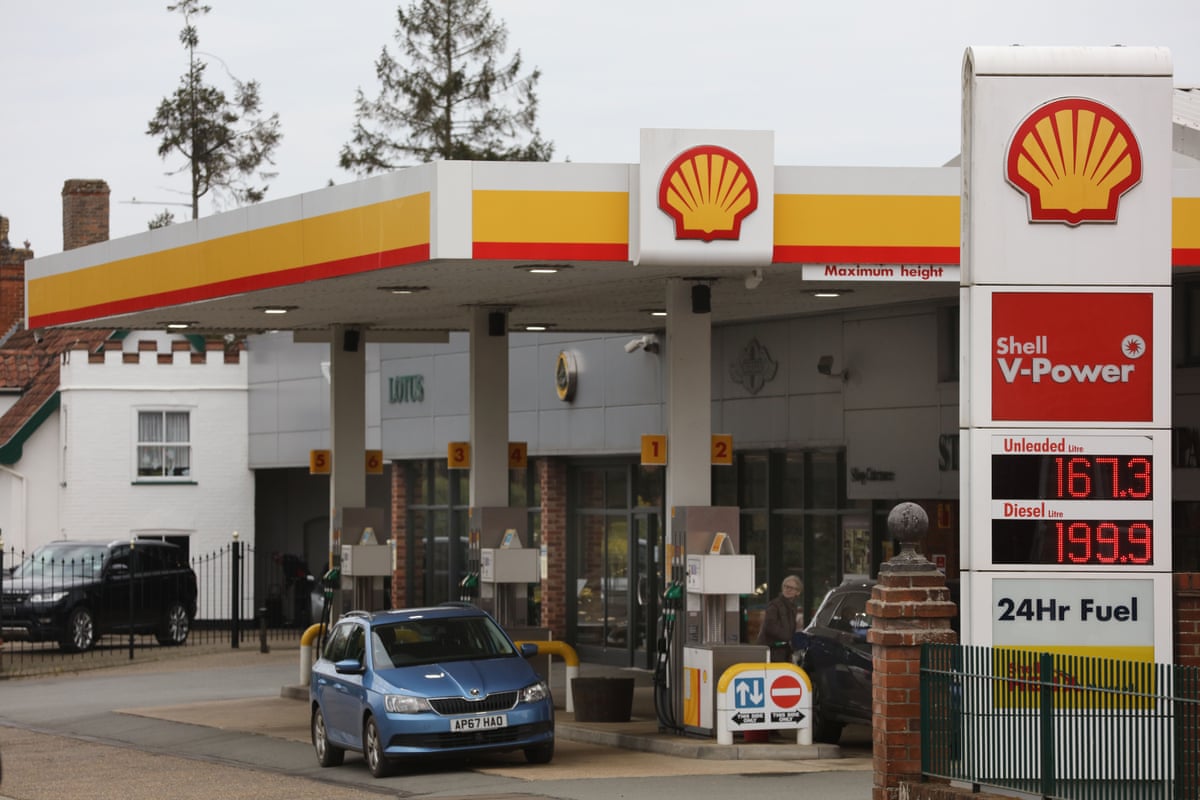
With the cost of living central to their public messaging, ministers now face the task of explaining why energy inflation is anticipated to rise once more.
Government’s Communication Strategy and Economic Concerns
No government wishes to incite panic or encourage panic buying, making the “keep calm” message understandable. Additionally, undermining fragile consumer confidence by forecasting economic difficulties is undesirable.
The government is also contending with a vocal opposition campaign criticizing Reeves’s plans to increase fuel duty in three stages from September to the following March.
While VAT income on fuel will rise due to higher prices, overall tax revenues are expected to decline amid an anticipated economic slowdown. Furthermore, the government’s borrowing costs have increased since the crisis began, putting Reeves’s fiscal targets at risk.
Concerns about tax revenues and spending have led the chancellor to emphasize that any assistance with utility bills must be “targeted,” a position supported by think tanks such as the Institute for Fiscal Studies and the Resolution Foundation.
Calls for Clearer Messaging on Energy Consumption
However, the government has been reluctant or unable to communicate the other side of the issue—that many households should prepare for higher bills and that society would benefit from reducing energy use.
Sissons advocates for a message that encourages efficiency and a transition to cleaner energy sources:
“The message from the government should be: number one, be more efficient wherever you can – where you can save energy without going cold or stopping travelling, then do; and number two, this is a great time to be switching away from oil and gas on to clean electricity, on to heat pumps and electric vehicles, which is exactly what the government wants us to be doing anyway.”
Jill Rutter, from the Institute for Government think tank and a former senior Treasury civil servant, suggests a more balanced message:
“Keep calm, but you can probably find some quite useful savings,”
she said, adding,
“There are things you can do to manage down your consumption.”
Labour is understandably cautious to avoid appearing as a “nanny state” or invoking the term “rationing.” However, as the conflict persists, the slogan “keep calm and carry on” risks seeming increasingly disconnected from the reality of the situation.


