

Photo ID Requirement for Voting in England’s Local Elections on 7 May
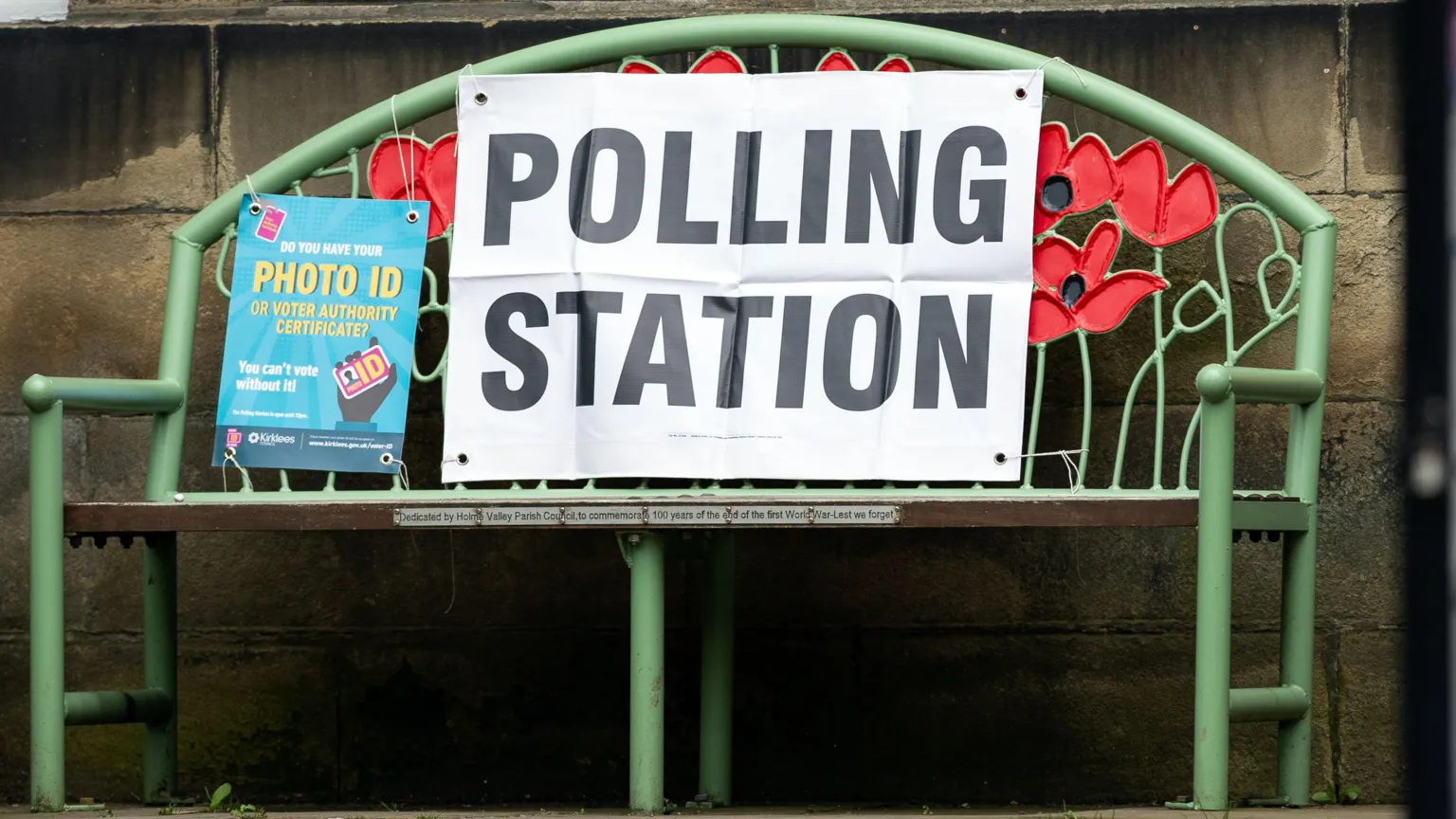
All individuals voting in person in the local elections in England on 7 May must present valid photo identification.
In contrast, voters in Scotland and Wales will not be required to show ID to participate in the Scottish Parliament or Senedd elections held on the same day.
Accepted Forms of Voter ID in England’s Local Elections
More than 20 types of photo ID will be accepted, including passports, driving licences, and other government-issued photo identification.
Out-of-date photo ID is permitted provided the voter’s appearance has not significantly changed.
If a voter wears a face covering, such as a medical mask or a religious veil, polling station staff will ask them to briefly remove it to verify that the ID matches their appearance.
The government has announced that at the next general election, voters will also be able to use a UK-issued bank card displaying their name as proof of ID. This election must occur by 2029 but could be held earlier.
Options if You Lack Acceptable ID
Voters in England who have lost or had their ID stolen may apply for an emergency proxy vote up to 17:00 on polling day.
Both the voter and their proxy—who votes on their behalf—must already be registered to vote, and the proxy must present valid ID.
For future elections, paper driving licences can be exchanged for photocard versions, and individuals aged 60 or over, disabled, or registered blind or partially sighted may apply for a photocard travel pass.
Alternatively, registered voters without the correct ID or whose appearance no longer matches their photo can apply for a free Voter Authority Certificate. However, the deadline to apply for a certificate to use on 7 May has passed.
Consequences of Not Having Valid ID at the Polling Station
Voters arriving without acceptable ID will be asked to return with valid documentation.
If a voter believes their ID has been wrongly rejected, the Electoral Commission advises notifying the presiding officer at the polling station.
If the issue remains unresolved, concerns can be escalated to the council’s returning officer.
Polling station staff record the number of voters turned away and those who return with valid ID.
The Electoral Commission reported that in the May 2025 local elections, 0.4% of voters attempting to vote in person were turned away due to voter ID requirements, with 71% of those returning later to vote.
Rationale Behind the Photo ID Requirement
Photo ID is mandatory for in-person voting in general elections and parliamentary by-elections across the UK.
In England and Northern Ireland, voters must also provide ID for all other elections. Northern Ireland has required voter ID since 2002.
In contrast, photo ID is not required for voting in Scottish Parliament and Senedd Cymru elections, nor for council elections in Scotland and Wales.
When photo ID rules were extended to the rest of the UK in May 2023, the government stated the measure aims to prevent vote theft, although such fraud is rare in the UK.
According to the Electoral Commission, no evidence of large-scale electoral fraud has been found in the past five years.
The Electoral Commission has recommended that the government allow voters to cast ballots without ID if another registered voter can vouch for their identity.

for our Politics Essential newsletter to keep up with the inner workings of Westminster and beyond.


