

Demolition Work to Begin on Fire-Damaged Glasgow Building
Demolition efforts are scheduled to commence later today on a fire-damaged building located in Glasgow city centre.
The historic Union Corner, situated at the intersection of Union Street and Gordon Street, was severely damaged by a fire on Sunday night after flames originated in a vape shop.
Glasgow City Council has described the remains of the B-listed Victorian structure as "fatally compromised" and "highly dangerous."
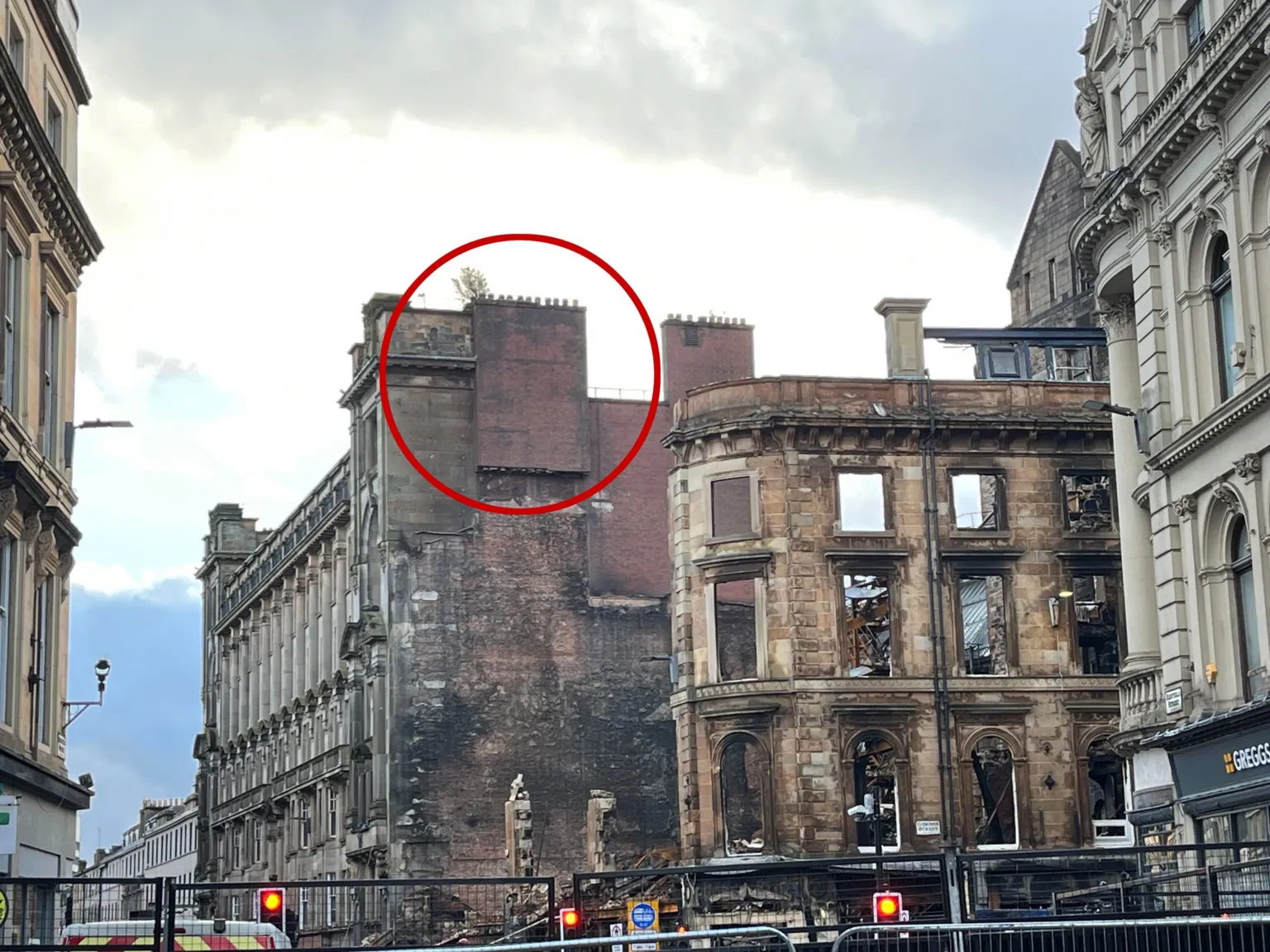
One of the initial elements to be dismantled is a 'floating' chimney stack that remains attached to the adjacent building several storeys above ground level.
A "safe zone" has been established around the site, extending to Central Station, which will remain closed for the remainder of the week.
The council assumed control of the site from the Scottish Fire and Rescue Service (SFRS) on Thursday and conducted its own structural assessment.
Raymond Barlow, representing the council's building standards team, stated that it is currently not possible to determine which parts of the building may be salvageable or the duration of the demolition process.
"You are talking a good number of weeks before we see any change to aspects around here.
We need to start work at one end of the site, take off the highest bits of danger and hopefully that will let us start to access parts of the station and get the station back up before coming to the façade."
The council indicated that crews would operate around the clock; however, the timeline is dependent on weather conditions, as cranes cannot be used during high winds.
Fire Incident on Sunday Night
The fire began in a vape shop at approximately 15:45 on Sunday afternoon, with SFRS crews responding promptly.
Within hours, the fire spread to other sections of the block, and smoke filled the surrounding streets.
An individual attempted to extinguish the fire using a small fire extinguisher but ceased efforts after a series of explosions occurred.

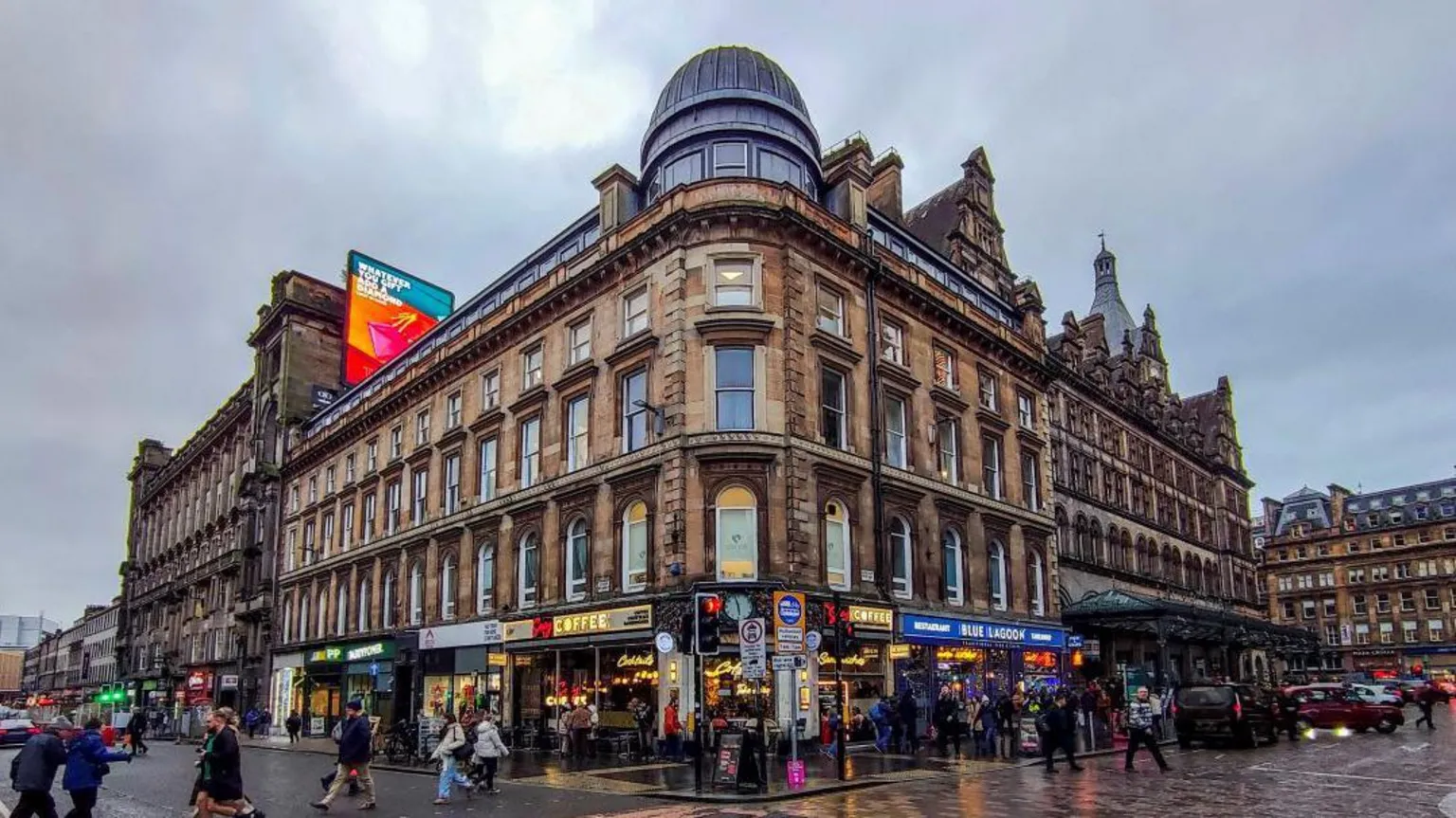
By 21:00, the building, including its distinctive dome, had collapsed.
At the peak of the emergency response, 250 firefighters, 18 fire engines, and specialized equipment, including a high-volume pump drawing water from the River Clyde, were deployed.
A nearby hotel was evacuated, and Central Station was closed, although limited services resumed earlier in the week.
Fire crews have continued working to cool remaining hotspots.
Most of the building has been reduced to rubble, with only the façade on Gordon Street still standing.
Government and Council Response
First Minister John Swinney stated that the Scottish government has engaged in discussions with Glasgow City Council regarding support for affected local businesses.
He noted that the council is collecting information from impacted businesses and that details of financial assistance will be announced shortly.
Additionally, ministers are exploring options for stricter regulation of vape shops.
Historical Significance of Union Corner
The Union Corner building was constructed in 1851, predating Glasgow Central Station, which opened in 1879.
Designed by architect James Brown of the firm Brown & Carrick, it was originally built for Francis Orr & Sons, a prominent Glaswegian stationery and publishing company.
For many years, the building featured an Irn Bru advertisement on its rooftop and a red neon Bells sign on the dome, making it a distinctive city landmark.
Prior to the fire, the ground floor housed several businesses, including the Blue Lagoon fish and chip shop and Sexy Coffee.


