Council Opposes Wind Farm Near Historic Hillforts
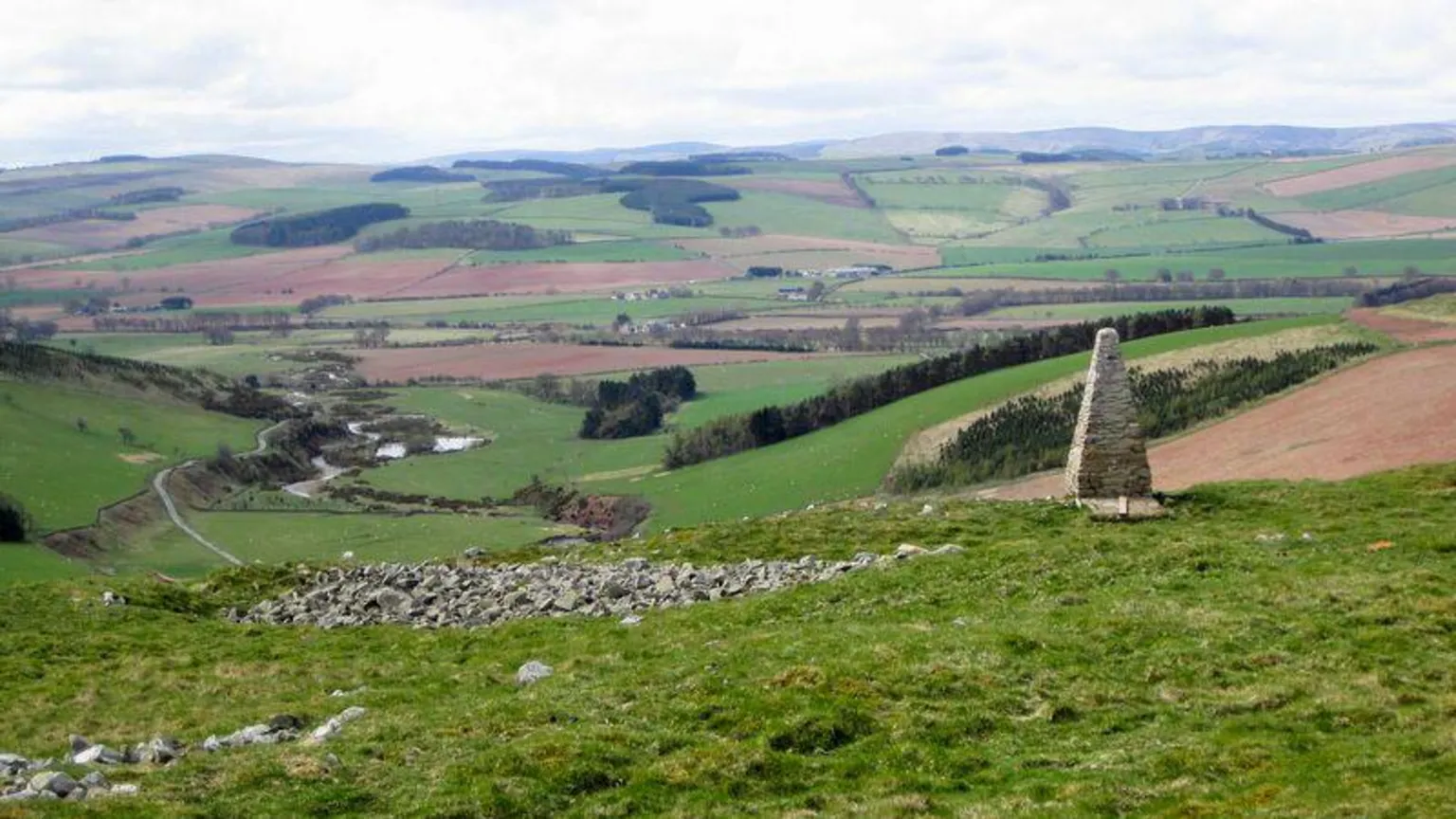
A council has decided to oppose plans for a wind farm in the Lammermuir Hills, close to the locations of three Iron Age hillforts.
Developer RES proposes to construct 12 turbines as part of its Glenburnie project near Oxton.
Hawick and Denholm councillor Neil Richards addressed Scottish Borders Council's planning committee, stating:
"It would be a scandal to develop anywhere near these hillforts."
The council agreed to object to the plans, a move that is likely to lead to a public inquiry into the proposals.
The scheme has been reduced in scale since its initial proposal, but councillors continue to express concerns regarding its potential impact.
Members of the planning committee conducted a site visit last week to gain a comprehensive understanding of the possible effects on the area.
Tweeddale West councillor Viv Thomson commented:
"When you are standing in this landscape you understand how important these hillforts are."
The original proposal consisted of 19 turbines and was known as the Longcroft wind farm.
A report presented to councillors acknowledged the project's potential contributions to climate change objectives and emission reduction targets, as well as its net economic benefits.
It also noted that the revised plans would not cause widespread significant landscape and visual effects.
However, the council's primary concern was the "significant adverse effects" on the setting of the three hillforts.
The report highlighted that the turbines, each 220 meters (720 feet) tall, would "dominate key views" which are "integral to the setting of these scheduled monuments and their cultural appreciation."
It concluded that "no exceptional circumstances" had been demonstrated to justify such impacts, nor had any mitigation measures "reduced the impacts to tolerable levels."
Developer RES stated that the project could supply energy to nearly 100,000 homes.
It added that the wind farm would generate a community benefit fund of nearly £20 million over its operational lifetime and contribute approximately £10 million in inward investment during construction.