
Proposals to End Vetoes in Power-Sharing
Sinn Féin has published proposals aimed at reforming the Stormont institutions by ending the use of "vetoes" within the power-sharing arrangement. Central to these proposals is changing the process by which the first and deputy first ministers assume their roles.
The party has previously accused its power-sharing partner, the Democratic Unionist Party (DUP), of "blocking progress" on key issues.
Launching the plan on Monday, Sinn Féin vice-president and Stormont's First Minister Michelle O'Neill stated the proposals focus on removing the "ever-present threat of collapse" and ensuring future stability.
Sinn Féin seeks to eliminate what it describes as a "veto" on the formation of the executive, specifically the nominations of parties to the positions of first and deputy first minister.
Currently, if the largest nationalist or unionist party in Northern Ireland refuses to nominate a candidate for these roles, the executive cannot be formed.
The party argues that in future, if either of these largest parties declines to nominate, the opportunity to assume the role should pass to other parties. This change, Sinn Féin contends, would allow the institutions to continue functioning while preserving the principle of power-sharing.
Both Sinn Féin and the DUP have used the veto in the past, a practice that has drawn criticism from smaller parties at Stormont.
'The Most Significant Reform Will Be Constitutional'
O'Neill emphasized that the proposals are "not an exhaustive list" and do not preclude other suggestions from different parties.
"The most significant reform will ultimately be constitutional, through the achievement of a new and united Ireland," she said.
"In the meantime, we are determined to do everything in our power to deliver better for workers, families and communities."
The Role of Assembly Speaker
Sinn Féin also proposes changes to the election process of the assembly speaker. Currently, the speaker must be elected through a cross-community vote, which allows either of the largest nationalist or unionist parties to block the assembly's functioning by refusing to support the speaker's election.
In 2022, the DUP refused to allow the election of a speaker in protest against post-Brexit rules.
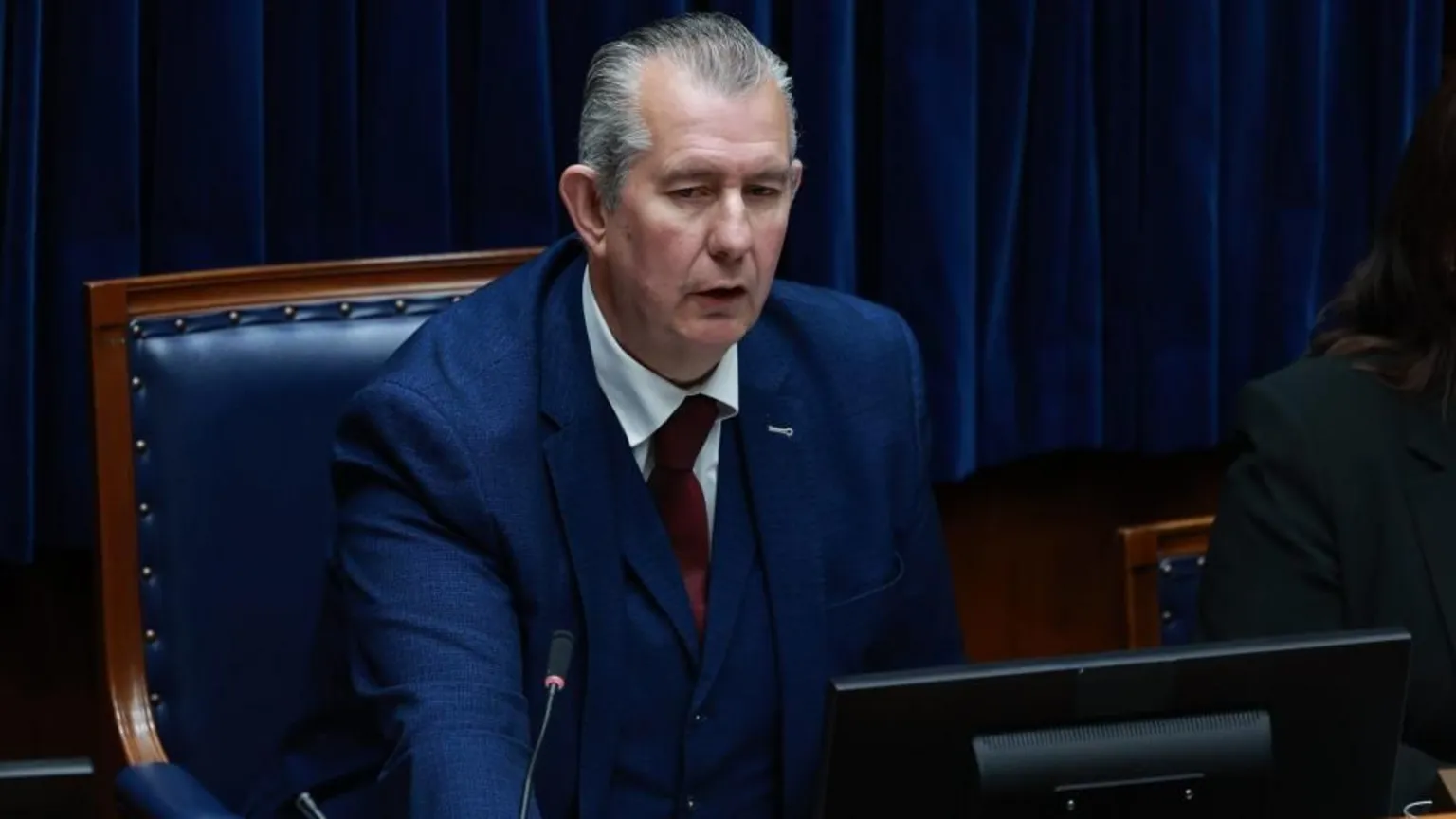
Chris Hazzard, a Sinn Féin representative, accused the current speaker, Edwin Poots of the DUP, of making decisions that favored his party's positions and of "blocking debate."
Any institutional reforms would require backing from unionist parties and legislative amendments to the Northern Ireland Act.
Parties such as Alliance and the SDLP have long advocated for similar measures.
Additional Proposals
Other suggestions in Sinn Féin's document include legislating to allow the appointment of the justice ministry through the D'Hondt method rather than a cross-community vote. The party states this would "normalise" the appointment process and permit eligible parties to nominate candidates without requiring a majority from both unionist and nationalist MLAs.
Furthermore, Sinn Féin calls for increased "transparency" regarding decisions made by the assembly speaker. This would involve measures requiring explanations for rulings, as currently the speaker's decisions on any issue are final.


