

How Are Energy Prices Set?
The cost of living has been a central theme in the Holyrood election campaign, unfolding amid the global repercussions of the ongoing conflict in Iran. Every major political party in Scotland has pledged to reduce household energy bills through various measures. These proposals range from enhancing home insulation to establishing a new energy market, with differing approaches such as expanding North Sea drilling or replacing it entirely with renewable energy sources.
However, with significant powers over energy policy residing at Westminster, and prices often determined by international markets, it is important to assess the feasibility of these pledges.
Scotland is integrated into the Great Britain-wide national grid, where electricity is generated from diverse sources including gas, nuclear, and wind. Retail electricity bills depend primarily on two factors: the generation mix at any given time and the network costs associated with transmitting electricity from generators to consumers.
Transmission costs are higher in parts of Scotland because electricity generated there must travel greater distances to reach the UK's major population centers, mainly in south-east England. This occurs despite Scotland generating more renewable electricity than its population consumes.
Official statistics indicate that in 2024, Scotland consumed approximately 26.8 terawatt hours (TWh) of electricity, while renewable generation alone totaled 38.3 TWh.
Nonetheless, gas remains the dominant source in the GB-wide electricity market, which includes Scotland. Proposals for zonal pricing, which proponents argue would provide Scottish households with the cheapest electricity bills in Europe, have been rejected by the UK government.
The "day-ahead" market operates as an auction where grid operators purchase electricity starting from the cheapest bids upwards. After bids are submitted, all providers receive the same price as the highest accepted bid, which is typically set by gas.
The Department for Energy Security and Net Zero estimates that gas sets the price about 60% of the time, with a target to reduce this to 50% by 2030. Market confidentiality prevents precise calculation of electricity costs excluding gas, but a study by the Energy and Climate Intelligence Unit suggests that in 2024, the day-ahead price was reduced by 25% due to large wind farms displacing fossil fuels, and by nearly a third in 2025.
Increasing renewable generation capacity and constructing additional high-voltage transmission infrastructure across the UK is expected to gradually displace fossil fuel generation.
The UK government has also proposed decoupling consumer electricity prices from wholesale gas costs by encouraging older wind farms to operate under the same terms as newer ones. The "contracts for difference" mechanism guarantees a fixed price for electricity, thereby reducing the extent to which generation costs are linked to natural gas prices.
Holyrood's Limited Powers Over Energy Prices
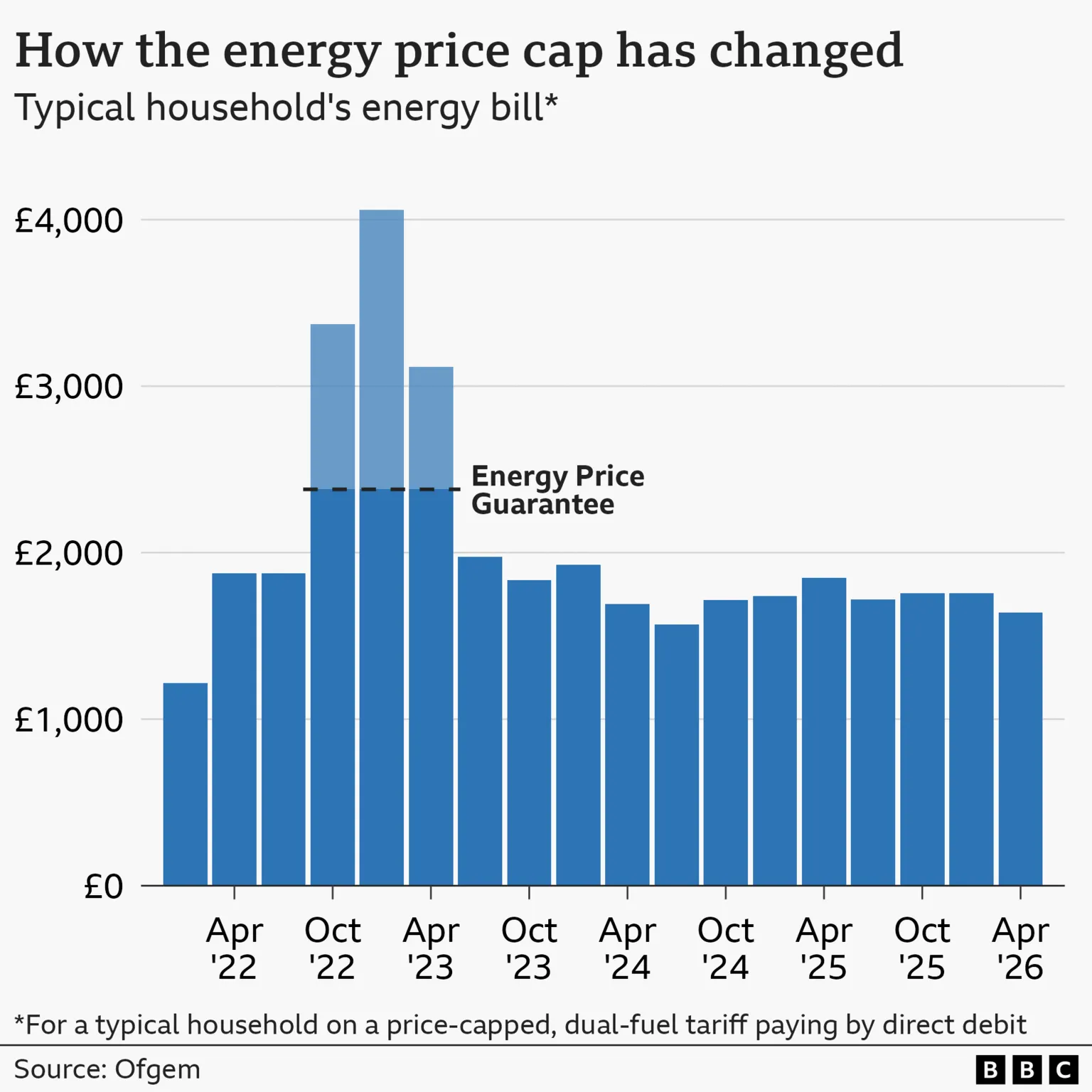
Most powers related to energy are reserved to Westminster, meaning Members of the Scottish Parliament (MSPs) elected on 7 May cannot legislate on these matters. The energy regulator Ofgem sets the "price cap" that limits how high energy bills can rise, updating it quarterly.
The cap has remained relatively stable over the past three years following a spike during the Russian invasion of Ukraine in 2022. Bills were further constrained during this period by the "energy price guarantee," which capped household bills with the UK government compensating energy providers for the difference.
Holyrood lacks the authority to implement such a program but can, in theory, use social security powers to establish welfare payments targeted at specific groups to assist with fuel costs, such as the pension age winter heating payment.
The Scottish Conservatives have proposed using funds from the ScotWind program—the leasing of seabed plots to offshore wind farm developers—to provide cash rebates to households. Although ScotWind funds were initially designated for green projects, they have often been used to address gaps in the Scottish budget. The Fraser of Allander Institute has warned that returning these funds directly to households would reduce the government's flexibility to support public services.
Other parties also have plans for these funds. Scottish Labour intends to use them to offer crisis loans to energy-intensive businesses and bulk-purchase fuel to lower petrol prices, while the Scottish Liberal Democrats propose directing funds to communities near wind farms.
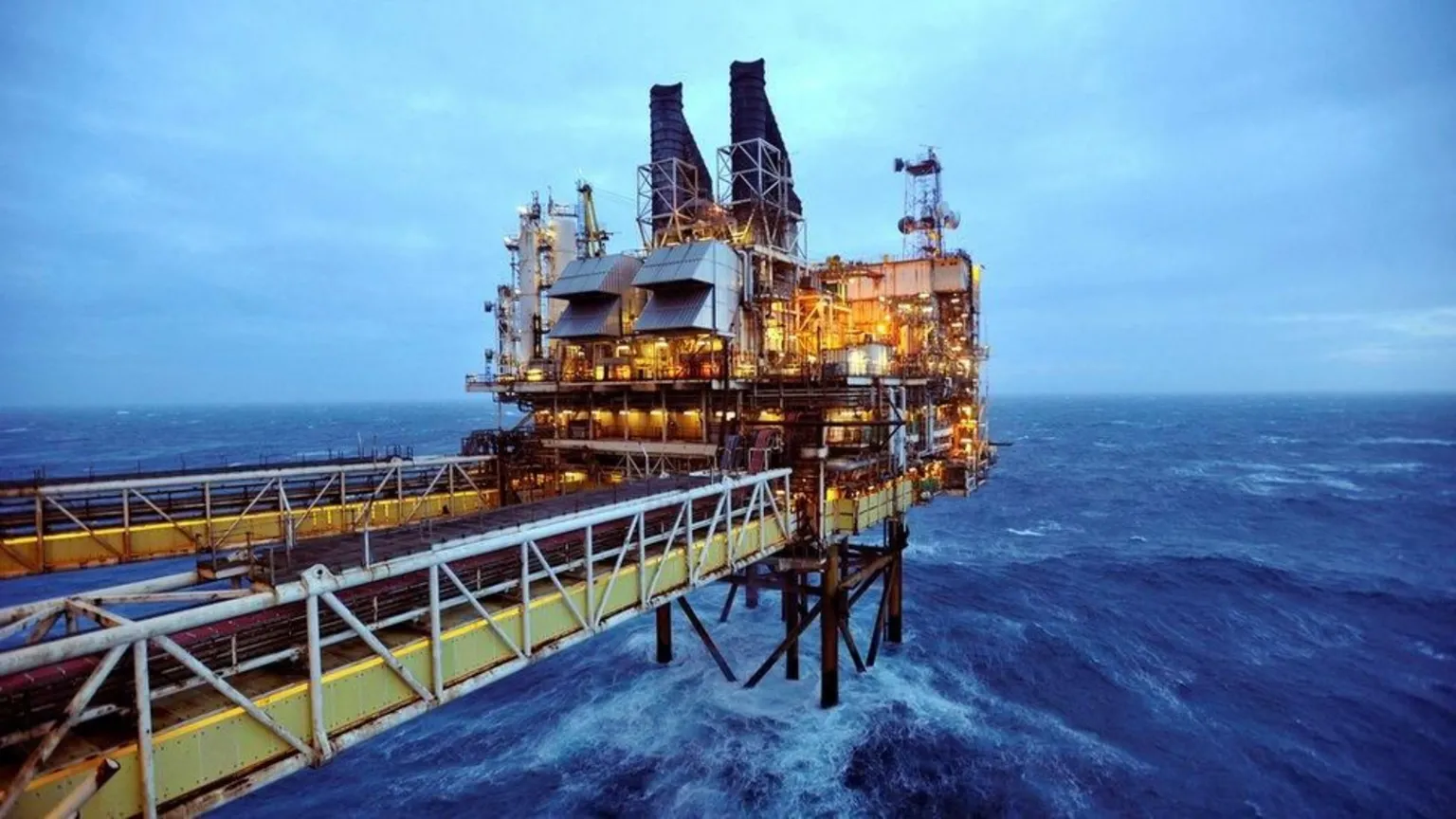
The Scottish Parliament does not control oil and gas matters, including licensing, regulation, and taxation such as the Energy Profits Levy, all managed by Westminster.
Nevertheless, several parties have centered their arguments on the North Sea. The Scottish Conservatives advocate for increased drilling as part of a package they claim could save households £200 annually. Their plan also includes abolishing VAT on energy bills—a tax controlled by Westminster—and reducing subsidies for green energy projects.
Reform UK supports prioritizing fossil fuels in the UK's energy mix and proposes cutting "net zero" projects overseen by Holyrood.
However, many analysts believe that increasing North Sea oil and gas production would have minimal impact on consumer bills.
Conversely, the Scottish Greens call for an "immediate end to new oil and gas extraction," urging the next Scottish government to "leverage all the powers available under devolution" to halt such activities.
The Scottish National Party (SNP) emphasizes that most powers are reserved to Westminster and argues that independence is necessary for Scotland to control its own energy policy. The SNP claims that bills could be reduced by a third if Scotland established its own electricity market, though this involves many hypotheticals beyond independence, making the potential savings uncertain.
The SNP also seeks changes to energy transmission charges, which are currently controlled by Westminster. Transmission costs are rising as infrastructure is developed to transport electricity from Scotland to demand centers in England. Charges are higher for developers in northern Scotland due to longer transmission distances, a practice criticized by the industry as unfair. One energy company has stated that its project west of Orkney cannot proceed without an overhaul of the system's funding.
What Can Holyrood Control When It Comes to Energy?
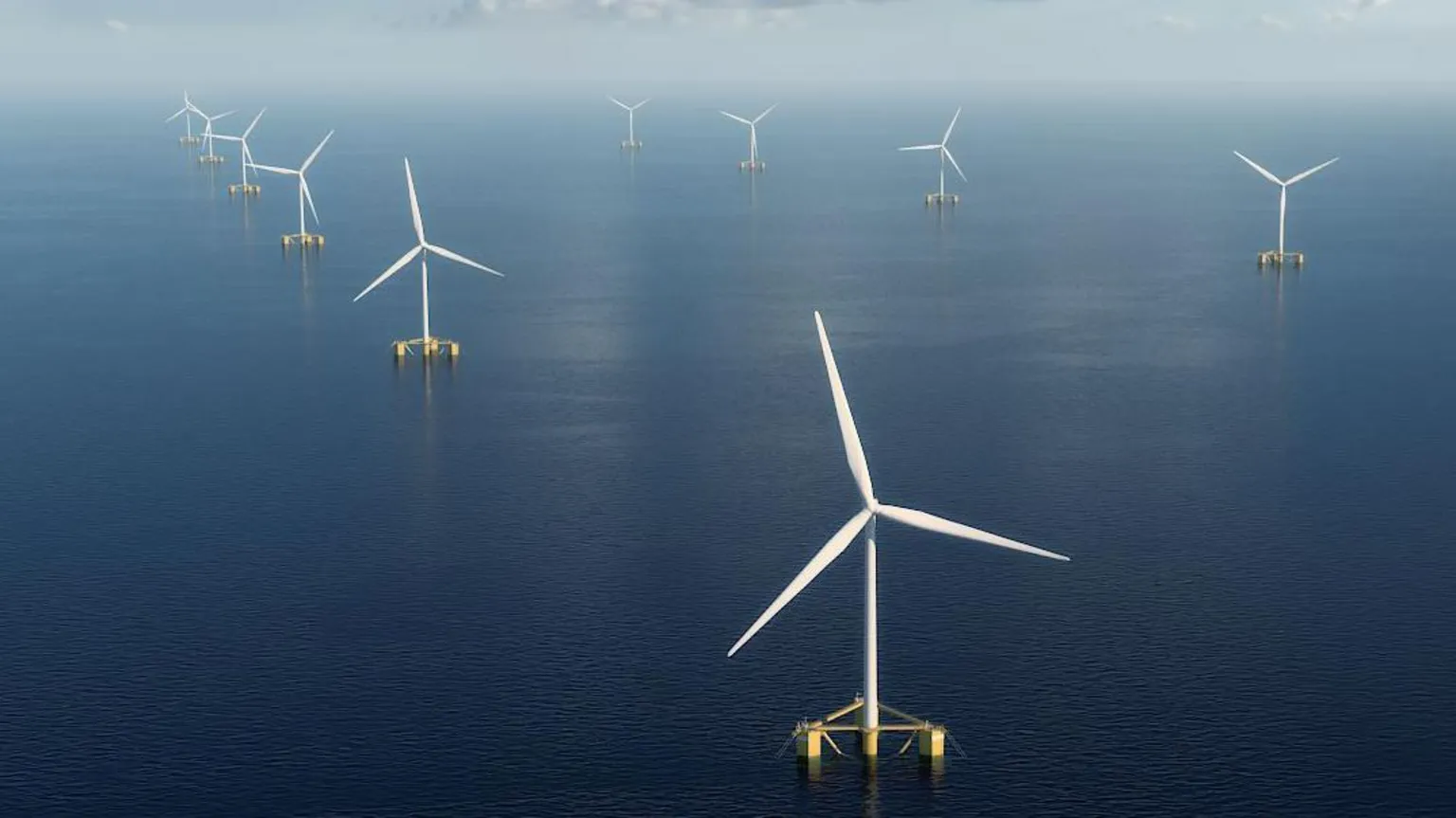
Holyrood's most significant energy-related powers lie in the renewable energy sector. The Scottish government is responsible for approving large-scale energy projects exceeding 50 megawatts (MW), such as the 307 turbines approved for installation at Berwick Bank in the North Sea. Local planning authorities handle smaller projects (50 MW or less), including household renewable installations like solar panels where permission is required.
Wind energy is the primary driver of renewable electricity in Scotland, accounting for more than three-quarters of all renewable electricity output in the country last year.
Many parties have committed to investing in renewable energy during the election. The Scottish Greens have pledged a "renewables revolution" with a £600 million investment program in onshore and offshore wind, tidal, and solar energy. The Scottish Liberal Democrats aim to quadruple solar energy generation.
The Fraser of Allander Institute describes these commitments as "ambitious," noting that they would require grid infrastructure improvements, costs not acknowledged by the parties.
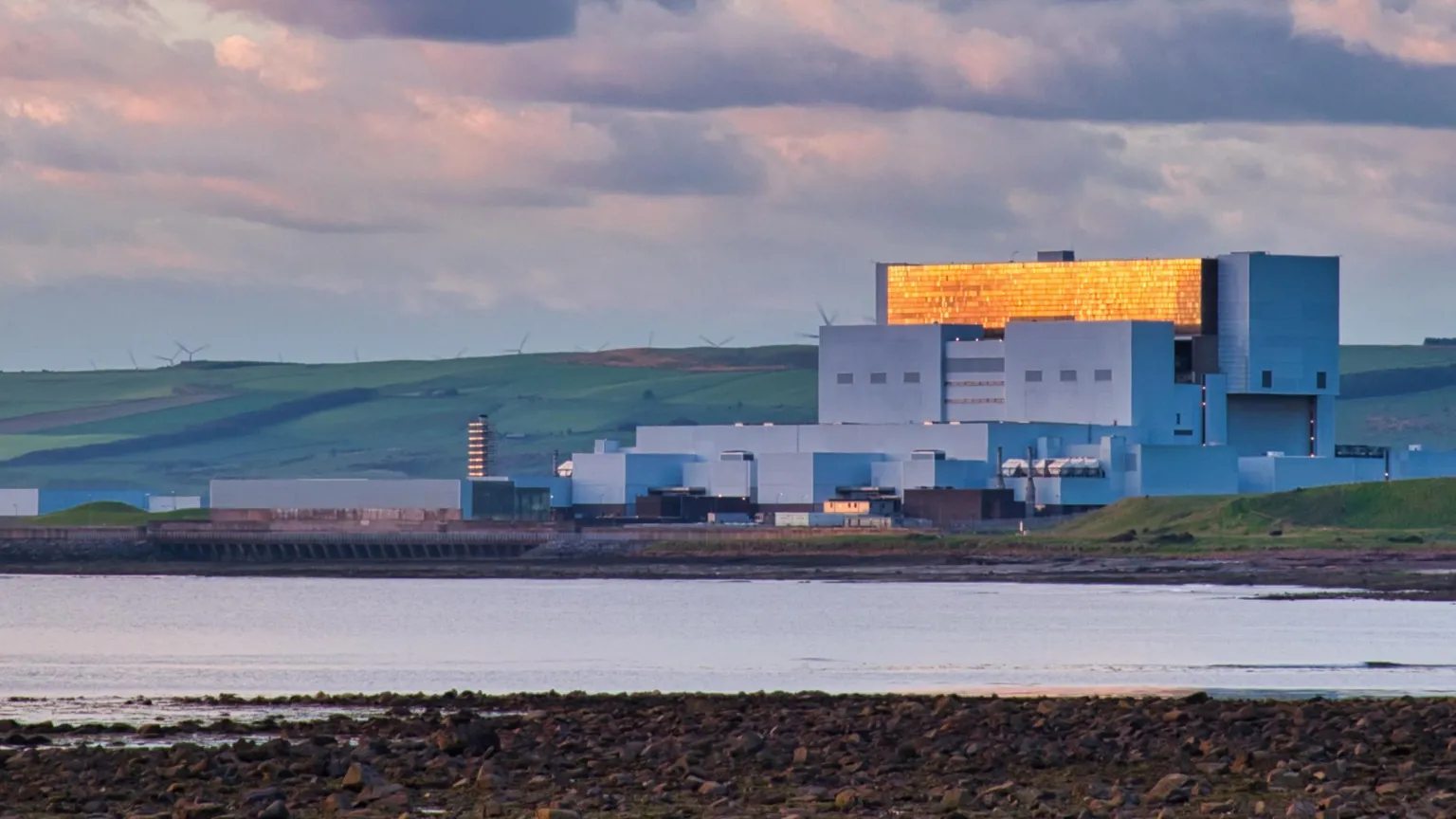
While nuclear energy policy is the responsibility of the UK government, Holyrood can effectively block new developments through its planning powers. Scottish Labour prioritizes reversing the current ban on new nuclear projects, a position also supported by Reform UK.
Holyrood can also influence energy bills by promoting home insulation and energy efficiency, reducing consumption. The Scottish Liberal Democrats propose a £100 million investment in insulation to help households lower bills, and Scottish Labour has a warm homes plan.
The Scottish House Condition Survey 2024 indicates that about one in ten homes fall into the lowest Energy Performance Certificate bands (E, F, and G), signifying poor energy efficiency and higher heating costs.
The Scottish Greens propose a "comprehensive household retrofitting programme," including funding for heat pumps and solar panels and phasing out fossil fuel boilers in most homes by 2035.
However, replacing boilers with heat pumps is challenging. In 2024, boilers accounted for 89% of primary heating sources in Scottish homes, while heat pumps represented only 2%. Similar programs were abandoned twice in the recent parliamentary term due to concerns they might "make people poorer."
How Realistic Are the Energy Bill Pledges?
Ultimately, many pledges to reduce energy bills look years ahead, contingent on new renewable or nuclear infrastructure or on a referendum leading to Scottish independence. However, as demonstrated by the conflict in Iran, forecasting energy bills even months ahead is difficult, let alone years.
Proposed changes to the UK energy market further complicate comparisons with future bills, adding uncertainty.
Financial watchdogs and think tanks have warned that Holyrood's budgets are likely to be very constrained in coming years.
While parties can act within the powers devolved to the Scottish Parliament, none of these measures are likely to be quick or straightforward to implement.



