

Countdown to Election Increases Budget Pressure
With fewer than 90 days remaining until the Holyrood election, pressure is mounting not only due to recent voting intention data but also from the need to formulate manifestos that are financially viable.
Following the finalisation of the Budget legislation for 2026-27 on Wednesday, political parties aspiring to form part of the next government aim to demonstrate their commitment by detailing how they will fund their campaign promises.
This approach has been consistent across the last seven Scottish Parliament elections and Westminster elections. However, this election cycle feels distinct due to heightened scrutiny from public finance watchdogs and experts urging transparency with voters.
This increased demand for candour partly stems from the lack of openness regarding public finances during the last Westminster election, where promises not to raise major taxes conflicted with spending commitments.
Additionally, there is growing evidence that the Holyrood budget is under exceptional pressure.
Local Government Faces Financial Strain
A recent study by the Accounts Commission, the local government watchdog, highlights a pressing need for "radical change" in how health and social care services are delivered by integration joint boards (IJBs).
The report reveals that IJBs are drawing on diminishing reserves to bridge a funding gap of nearly £450 million between demand and available resources.
Rising Costs and Demands
The report urges IJBs, alongside NHS and council partners, to urgently decide where services can be redesigned, reduced, or discontinued.
Funding to Scotland's 30 IJBs increased by over 2% in 2024-25, surpassing £12 billion.
However, this increase was insufficient to cover rising costs and demands, placing the boards at significant risk of financial unsustainability within the next 12 to 24 months.
The Scottish Government responded by emphasizing the increase to the £12 billion budget and reaffirming its commitment to reform.
Scottish Fiscal Commission Highlights Budget Realities
This forms part of a broader context underscored by the Scottish Fiscal Commission (SFC) on Wednesday, coinciding with MSPs passing next year's Budget.
The SFC called on political parties to be "realistic, open and transparent" regarding their tax and spending choices in future years, implying concerns that this may not occur.
The official budget adviser outlined existing commitments to reduce child poverty and address the housing crisis.
Simultaneously, the SFC warned of declining public service performance since the pandemic, with key indicators trending negatively.
Efforts to contain the pay bill, which accounts for 55% of day-to-day spending, are faltering two years into a three-year cap.
Additional pressures include the rising costs associated with an ageing population and climate change. Scotland's population aged over 65 is projected to approach a quarter by the early 2030s, with one million individuals receiving disability payments.
The SFC also noted that the financial burden of addressing climate change impacts will disproportionately affect devolved services compared to those reserved for Westminster.
Professor Graeme Roy, chair of the commission, explained that the situation could have been more severe if Chancellor Rachel Reeves had implemented welfare reforms through the Westminster Labour group.
Downing Street's policy reversals inadvertently resulted in increased funding to Holyrood to support welfare commitments—already £1 billion annually more generous than if Westminster rules applied. However, this additional welfare spending cannot be redirected to public services.

"The Treasury and the Department of Work and Pensions are returning to concerns about the affordability of Westminster's welfare budget, so new approaches to cuts and reduced entitlement are expected. If implemented, Holyrood will face further block grant reductions," Roy added.
Tax Revenue and Economic Performance
The SFC examined income tax revenue limitations, noting that although the number of taxpayers in the higher 42% bracket is more than doubling this decade, higher tax rates on top earners in Scotland are not generating expected revenues due to underperformance of the Scottish economy and tax base.
The commission forecasts that living standards over the next parliamentary term, measured by disposable income, will increase at less than a third of the average rate since the Scottish Parliament's establishment.
This slow growth constrains income tax revenue expansion.
Public Sector Pay Pressures and Economic Concerns
Economists at the Fraser of Allander Institute recently highlighted public sector pay pressures, issuing a report warning of a "looming crisis" deferred until after the 7 May election.
They noted that previous pay deals exceeding finance secretaries' limits have led to rapid and sometimes difficult budget revisions during the financial year.
Joao Sousa, deputy director, stated: "The Scottish government's approach to pay is symptomatic of a broader can-kicking strategy. Whoever is in power after May will have to seriously grapple with implausible settlements in areas such as health and justice."
The Institute of Chartered Accountants in Scotland (Icas) echoed concerns about economic growth following the Budget Stage 3 vote.
Icas, representing professionals closely connected to Scotland's business community, reported growing unease about ongoing uncertainty's real-world business impacts.
Its recent survey found that 80% of respondents lacked confidence in Scotland's economic health, and nearly two-thirds advocated prioritizing a long-term economic and tax strategy.
Chief financial officer Chris Barber commented: "With the Scottish elections approaching, the next government must move beyond incremental tax tinkering and set out a coherent economic vision – one that delivers tax stability, supports key growth sectors and invests in skills to strengthen Scotland's long-term competitiveness."
Council Tax System Under Scrutiny
The Joseph Rowntree Foundation, focusing on poverty issues, advises manifesto writers to pursue bold reforms of the "broken" council tax system.
Some council tax bills are increasing by as much as 10% due to decisions made this week in council chambers across Scotland.
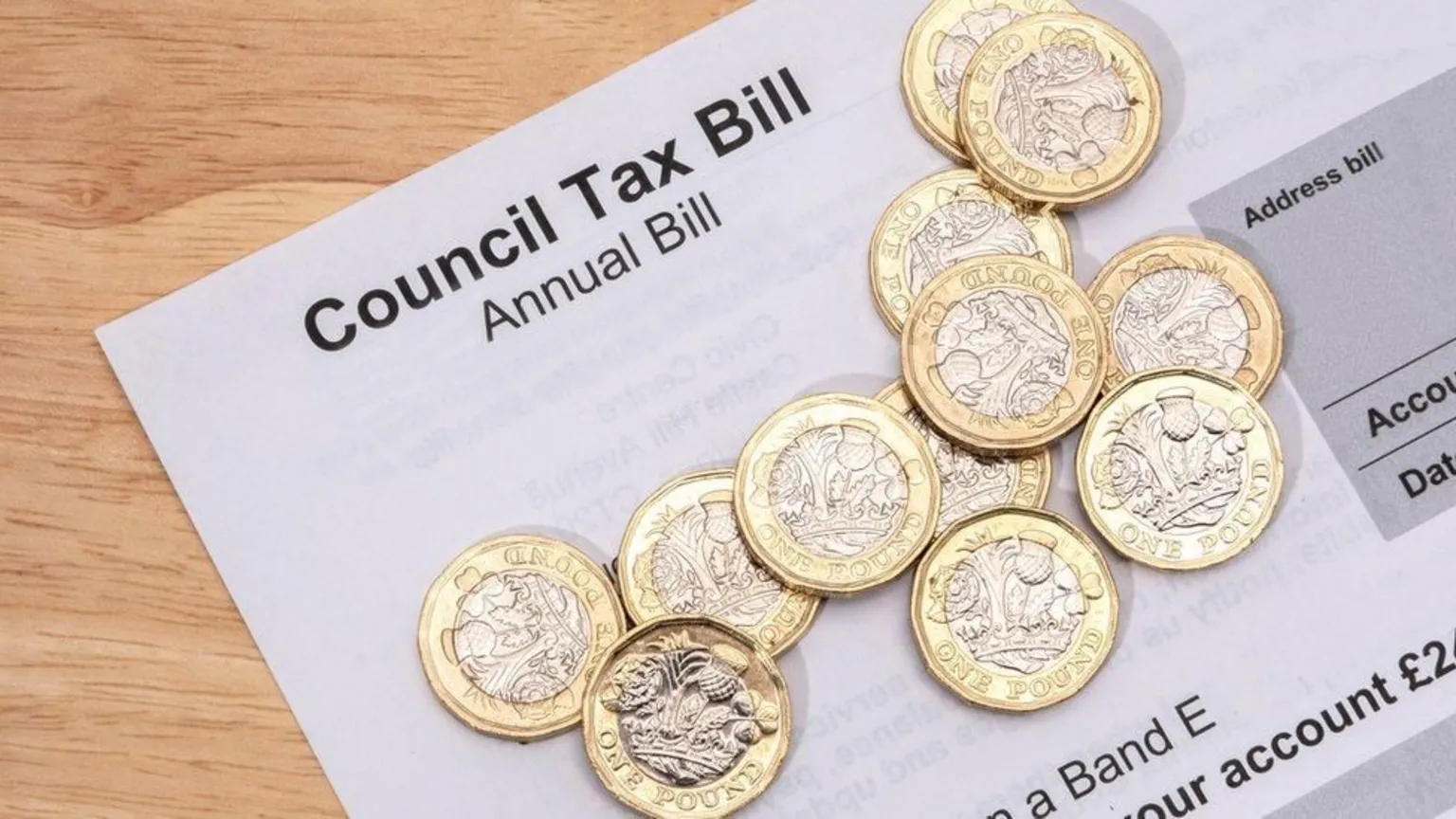
The foundation describes the system as "unfair by design," "outdated, regressive and desperately" in need of reform.
"Bold action is needed urgently to break a 30-year cycle of hoping a problem will just go away, which has sustained a deeply unpopular tax system, protected the interests of the wealthiest in society and perpetuated poverty and inequality in Scotland," the foundation stated.
Based on property valuations from 35 years ago and disproportionately burdening cheaper homes, the system's flaws are widely acknowledged by tax experts.
Despite this, during 19 years in power, the SNP has cited a lack of consensus to enact change and has ruled out even a revaluation during the next parliamentary session if it retains power.
Manifestos and Political Negotiations
This issue is significant as parties prepare their manifestos, which will underpin election campaigns and potential post-election coalitions or pacts.
Manifestos imply mandates and form the basis for negotiations, making their financial credibility crucial.
To an unusual extent, voices from watchdogs and economic experts—not only vested or commercial interests—are increasingly concerned that current party positions fail to confront the difficult fiscal choices that will arise after 7 May.


