

Historic Drone Interception by British F-35 Pilot
On Monday night, above the clear skies of Jordan, a British F-35 pilot achieved a notable milestone. Flying for four hours alongside two Typhoon jets, the pilot detected two drones on radar. The squadron tactics instructor, whose identity is withheld by , successfully engaged and destroyed the drones using two Asraam missiles.
By accomplishing this, he became the first pilot of the Royal Air Force’s stealth fighter jets to destroy a target in combat. He described the operation as extremely high stakes, emphasizing the risks involved in such scenarios where friendly targets can be mistakenly engaged.
“There’s a lot of assets from America, from Israel that are going to and from area of operations. So I’m a little bit more concerned about identifying it first before taking any shots, but we had good time to do that between me and the Typhoons that were airborne at the time, to get that done.”
Immediately after the engagement, there was no celebration. The pilot’s priority was to reposition the aircraft to monitor for any additional threats.
“You are kind of more concerned about making sure you’ve shot the right thing. Making sure you positioned the aircraft in the right places,”
“It’s not a euphoric sense of success. I just get out the way and get back on to doing the job again.”
Context of the Mission and Regional Tensions
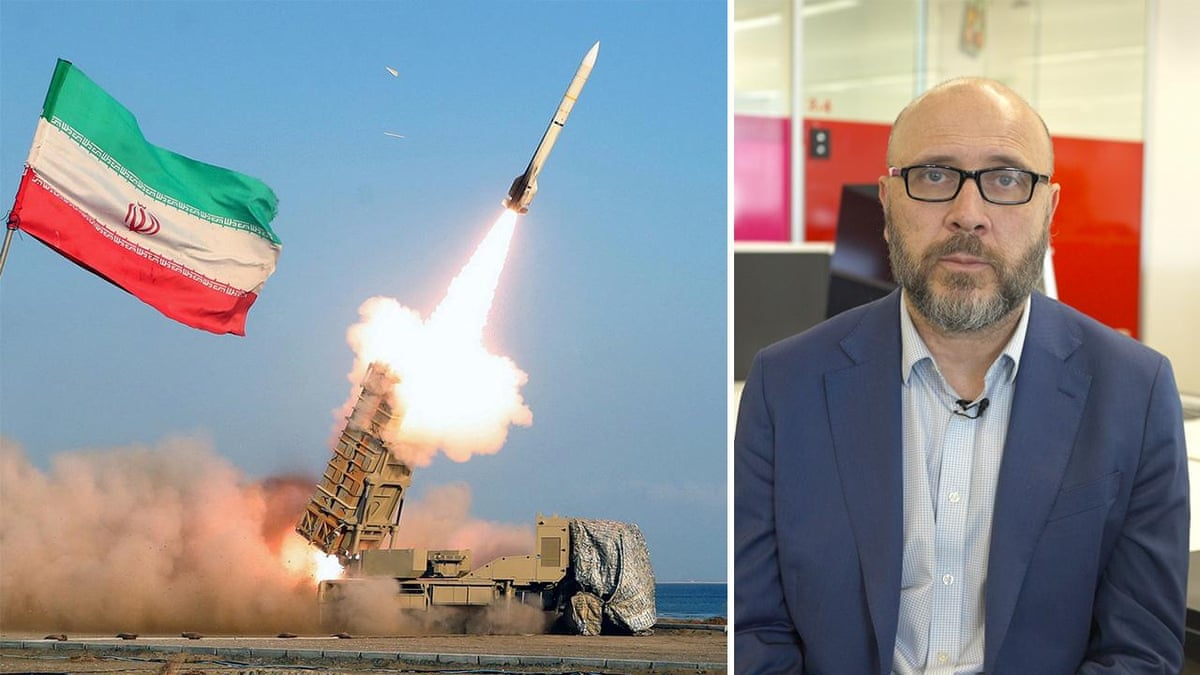
The pilot, who is technically part of the Royal Navy, was operating from RAF Akrotiri, the British base in Cyprus. This base had been targeted by a drone strike on Sunday night. Officials suspect the drone was launched by the Iranian-backed Hezbollah militia in Lebanon, likely aimed at a hangar housing US spy planes. This attack is believed to be part of broader regional retaliations following US-Israeli strikes on Iran.

The drone that struck the base had evaded its defense systems, likely due to its small size and low speed, which also made the pilot’s interception mission particularly challenging.
“Because they’re so small and difficult to detect, we don’t know if there’s any more out there and when you have to turn your aircraft around to shoot them down, what you’re not doing is turning your radar back to where they came from to try and find the next,”
He noted that the drones he engaged were markedly different from the one that hit the base 24 hours earlier, suggesting they may have been launched by a different adversary.
Heightened Alert and Operational Tempo at RAF Akrotiri
The base, which is not currently used by US forces for defensive operations against Iran’s retaliation, has experienced three potential missile alerts within the past 24 hours. Each alert has been a false alarm, but the heightened state of alert has left little time for reflection on the drone strike.
After returning home in the early hours, the pilot and his team shared a Keo, a local Cypriot beer.
“We have one beer at sunrise and then I had to go to bed because I was on duty the next day,”
“We’re kind of a pretty high operational temp at the moment. So when this is all over whenever it ends and then I’m sure we’ll celebrate appropriately.”


