

Baroness Sue Gray Expresses Concern for Stormont's Functioning
Baroness Sue Gray, former chief of staff to Sir Keir Starmer and a former civil servant in Northern Ireland, has expressed apprehension about the current state of Stormont. She highlighted that the people of Northern Ireland "deserve action and decisions," which she believes are often delayed due to bureaucratic challenges within the power-sharing institutions.
Baroness Gray departed Northern Ireland after being passed over for the top civil service position in 2020. Following this, she served as Boris Johnson's principal advisor on the union and later joined Sir Keir Starmer's government after Labour's victory in the 2024 general election. However, she resigned a few months later amid disputes regarding her salary as chief of staff.
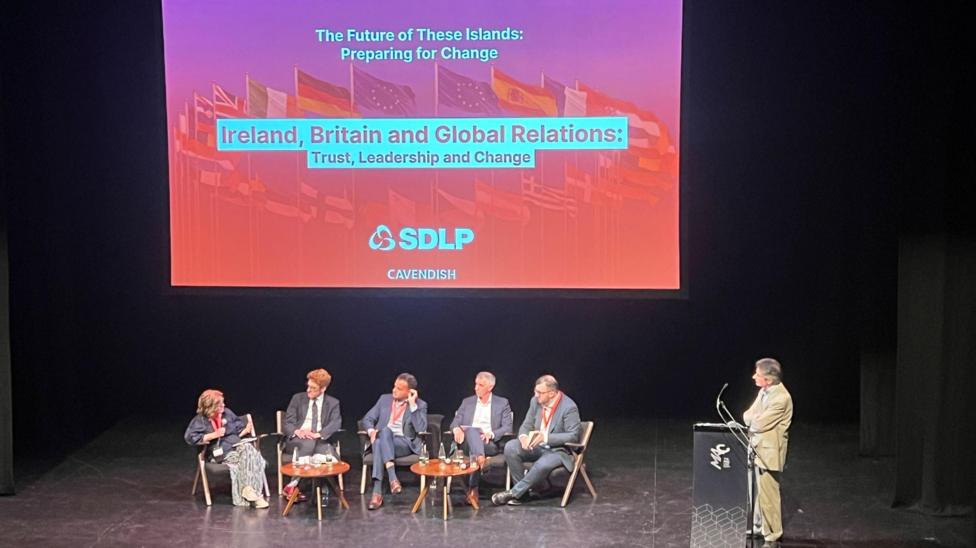
She made these remarks during a panel event organized by the Social Democratic and Labour Party (SDLP) that focused on constitutional change, coinciding with the 10-year anniversary of Brexit.
The former civil servant suggested that due to the slow pace of decision-making, Northern Ireland could benefit from having several metro mayors, similar to the system in England, who would possess greater authority to make regional decisions.
When asked about the number of metro mayors she envisioned, Baroness Gray proposed at least two, specifically for Belfast and Londonderry.

Regarding the possibility of Andy Burnham becoming the next Prime Minister if he wins the Labour leadership, she remarked on his extensive skills and experience.
"I think we've got time to the next election," she said. "People will see… actions speak louder than words. If Andy is the successor his experience, not just in working in Manchester and Whitehall, he can bring a lot of experience to it."
PSNI's Role in Potential Irish Unity Discussed
Irish Justice Minister Jim O'Callaghan also spoke at the event, stating he would have "no issue" with retaining the Police Service of Northern Ireland (PSNI) in the event of a united Ireland.
O'Callaghan had previously raised the possibility of maintaining the PSNI five years ago when he was a backbench Fianna Fáil TD. On Thursday, he reiterated the benefits of having two police forces operating on the island should unification occur following a public vote.
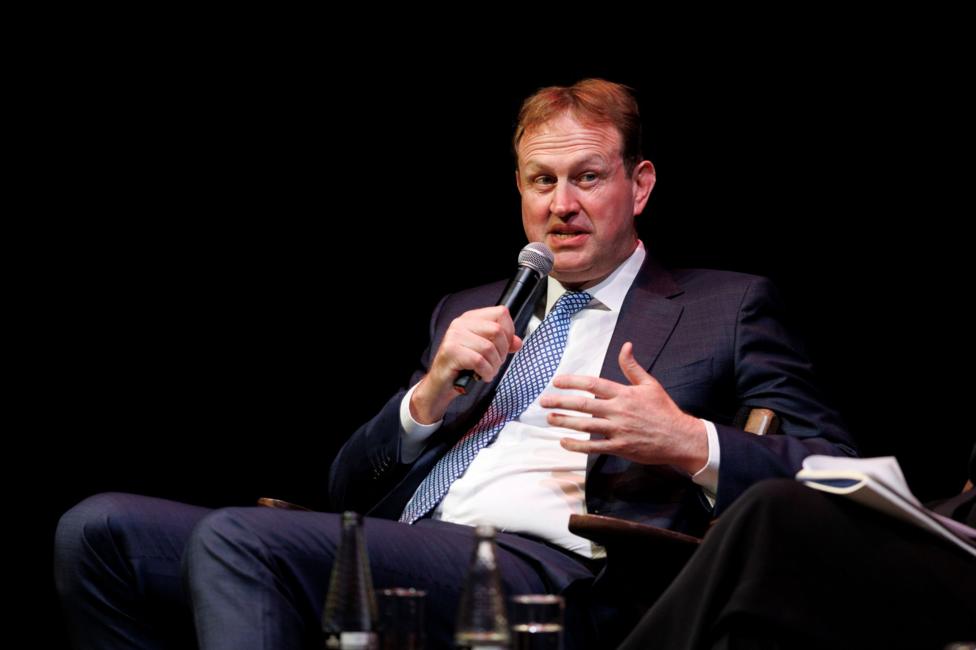
When questioned about the timing of a potential Irish unity referendum, he indicated it could happen before the end of the decade if political changes occurred in Great Britain.
"If Reform came to power, if they decided they want to get out of the European Convention on Human Rights and dispense with Northern Ireland," he said. "We can't predict the future but it's worth having conversations like this."
Views on Devolution and Future Leadership
The conference also featured former First Minister of Wales Mark Drakeford, who expressed hope that if Andy Burnham became Prime Minister, he would "abolish" the roles of secretaries of state for Northern Ireland, Scotland, and Wales.
Drakeford described these positions as "territorial" and suggested that Burnham, if successful, would be a "radical" leader in reforming the structure of devolution.


