
Bafta's Duty of Care Questioned in Racial Slur Incident
Bafta fell short in its duty of care to guests, members, and viewers during the film awards ceremony in February when a racial slur was shouted, according to a recent review. However, the review found no evidence of malicious intent behind the incident.
Tourette's campaigner John Davidson involuntarily shouted the n-word while two black actors, Michael B Jordan and Delroy Lindo, were on stage at the event.
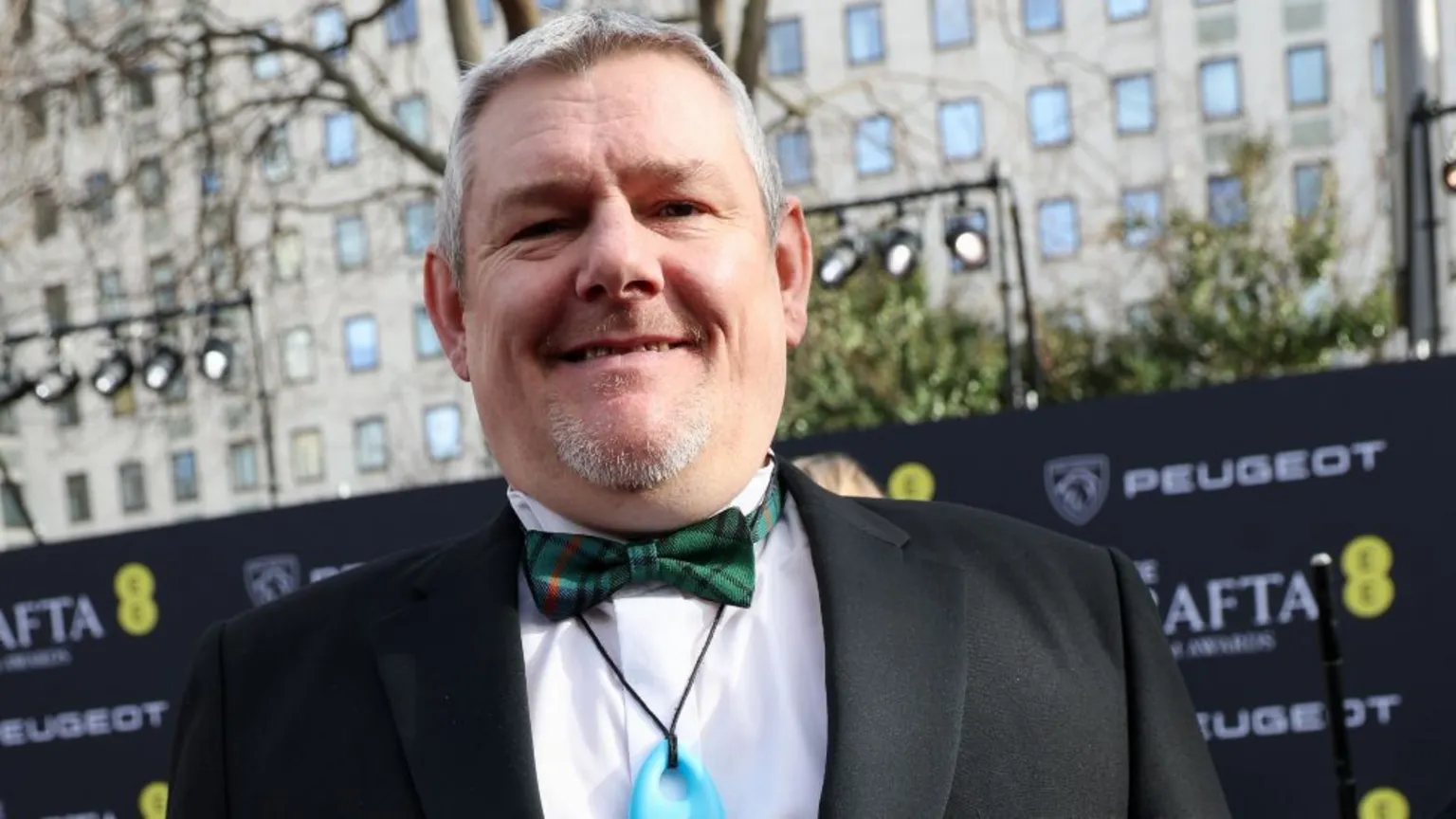
In response to the report, Bafta issued a statement acknowledging that it did not "adequately anticipate or fully prepare for the impact of such an incident in a live event environment."
"As a result, our duty of care to everyone at the ceremony and watching at home fell short,"Bafta said, adding that the organisation has written to those affected to apologise directly.
The publication of this report follows the BBC's own investigation into how the slur was broadcast, which was released earlier in the week. The BBC's complaints unit ruled that the broadcast breached editorial standards and should not have been aired, though it was not intentional.
Structural Weaknesses Identified
On Friday, Bafta issued an "unreserved apology" to the black community, the disabled community, all members, guests at the ceremony, and viewers watching at home.
"What was supposed to be a moment of celebration was diminished and overshadowed,"the organisation said.
The independent review, conducted by Rise Associates, identified multiple structural weaknesses in Bafta's planning, escalation procedures, and crisis coordination arrangements.
"However, it did not find evidence of malicious intent on the part of those involved in delivering the event. We accept its conclusions in full."
While intent was not found to be a failure, Bafta acknowledged that its planning and processes had not kept pace with its diversity and inclusion goals.
Bafta added that work is already underway to address specific areas of improvement recommended in the review to reduce the risk of a similar incident occurring in the future.
The organisation stated it would:
The independent review noted that the circumstances involved a complex intersection of disability, live broadcast risk, and the use of language with a profound and painful historical context.
The incident also highlighted a broader challenge: balancing accessibility for participants with the safety and dignity of others present and watching at home.
However, the review cautioned against describing the event as evidence of institutional racism.
"Institutional racism means that racial bias is built into systems, policies, and culture. In such systems, discriminatory outcomes appear regardless of individual intent.
The available evidence does not support that conclusion here. Instead, the evidence suggests something different. Bafta's planning and risk governance systems have not kept pace with its diversity goals."
Reactions from Bafta and Those Involved
Bafta ceremony host Alan Cumming previously apologised following the "trauma-triggering" event.
After the ceremony, Delroy Lindo told Vanity Fair that he and Michael B Jordan, who were presenting an award, "did what we had to do" by continuing with the presentation after the slur was shouted. However, Lindo also expressed a wish that "someone from Bafta spoke to us afterward."
In an interview with Variety, John Davidson said:
"I want to be really clear that the intent behind them [the tics] is zero. What you're hearing is a symptom - not my character, not my thought, not my belief."
"Tourette's can feel spiteful and searches out the most upsetting tic for me personally and for those around me,"he explained.
"What you hear me shouting is literally the last thing in the world I believe; it is the opposite of what I believe.
The most offensive word that I ticked at the ceremony, for example, is a word I would never use and would completely condemn if I did not have Tourette's."


