

Political and Legal Turmoil in Scotland
The past week has seen unprecedented developments in Scottish politics and the legal system.
Members of the Scottish Parliament (MSPs) have been debating an ongoing criminal court case within Holyrood. Controversy arose over a judge's decision to postpone a hearing, and the lord advocate has faced serious allegations of corruption.
In response, the lord advocate and senior legal professionals cautioned MSPs that their actions risk undermining the rule of law.
This raises the question: what has become of the traditional separation between the justice system and politicians—the principle of separation of powers between lawmakers and law enforcers?
How did the situation escalate to this point, and has the political interference gone too far?
The Political Case at the Centre
It may be unsurprising that a highly political court case has drawn the legal system into the contentious political arena.
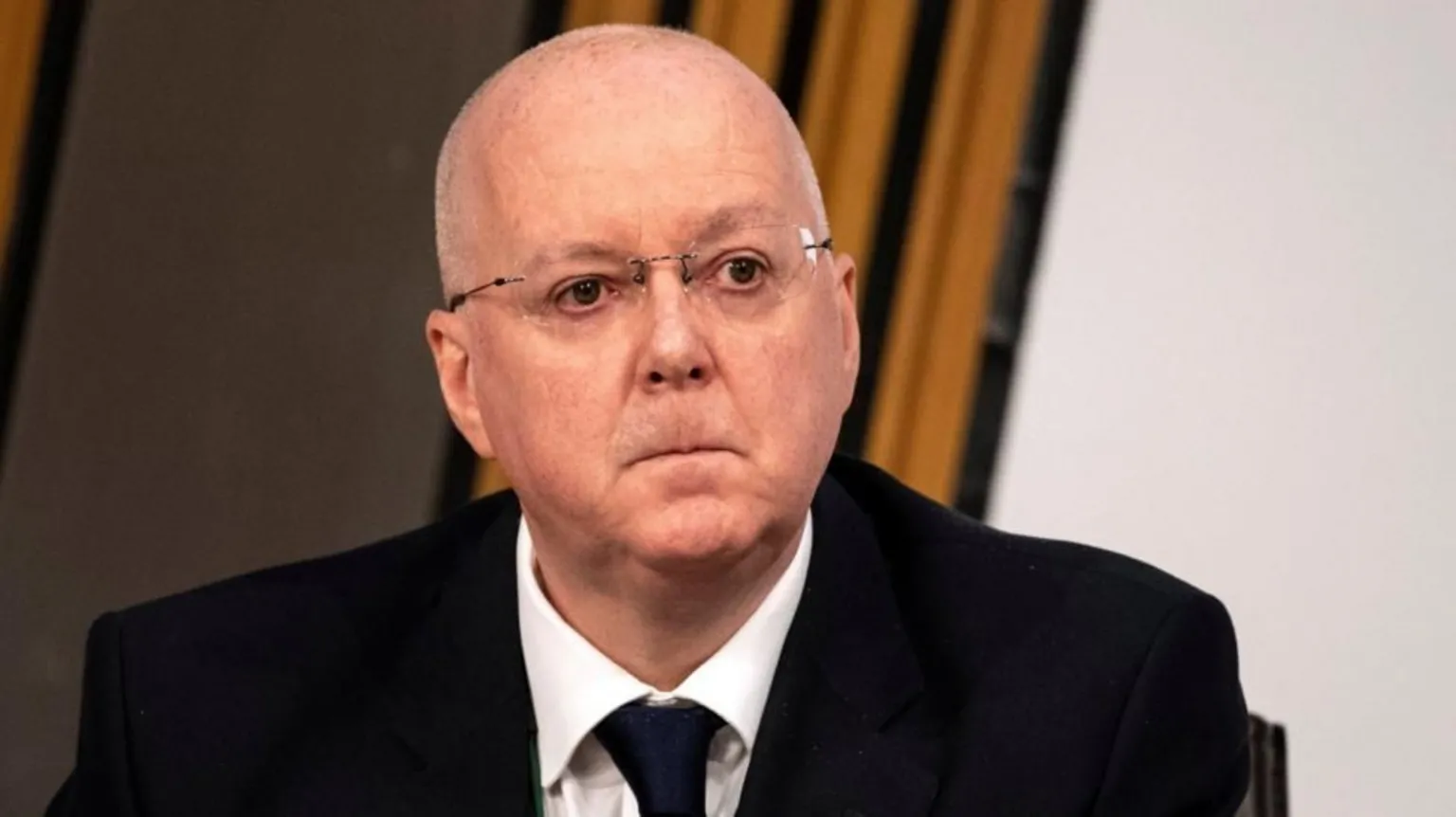
Peter Murrell, who served as the SNP’s chief executive for 22 years and is married to the party leader and First Minister Nicola Sturgeon, now faces charges of embezzling nearly £460,000 from the SNP. He has yet to enter a plea.
Given these charges, parliamentary interest was inevitable once the details became public.
Murrell was scheduled for a preliminary hearing on Friday, but the court hearing was postponed to 25 May, after the upcoming election.
Some politicians expressed concern about the timing of this delay.
Former Conservative leader Douglas Ross submitted a question at Holyrood regarding whether the government had engaged in discussions with the courts about the postponement.
The response was a clear denial, but Ross commented that
"this stinks".
The court clarified that the delay was granted by Judge Lord Young following a joint application from both prosecution and defence.
It is common for either side to request additional time, and there is a 17-month deadline for Murrell’s next court appearance.
Counting from his initial appearance in March 2025, this deadline extends through August, so a hearing before the election was never guaranteed.
Since Lord Young made the decision, politicians were cautious about directly accusing the judge, but Ross’s remarks implied governmental interference.
This appeared more as an attempt to provoke denials and generate headlines than a formal accusation.
Allegations Against the Lord Advocate
More serious developments followed on Wednesday.
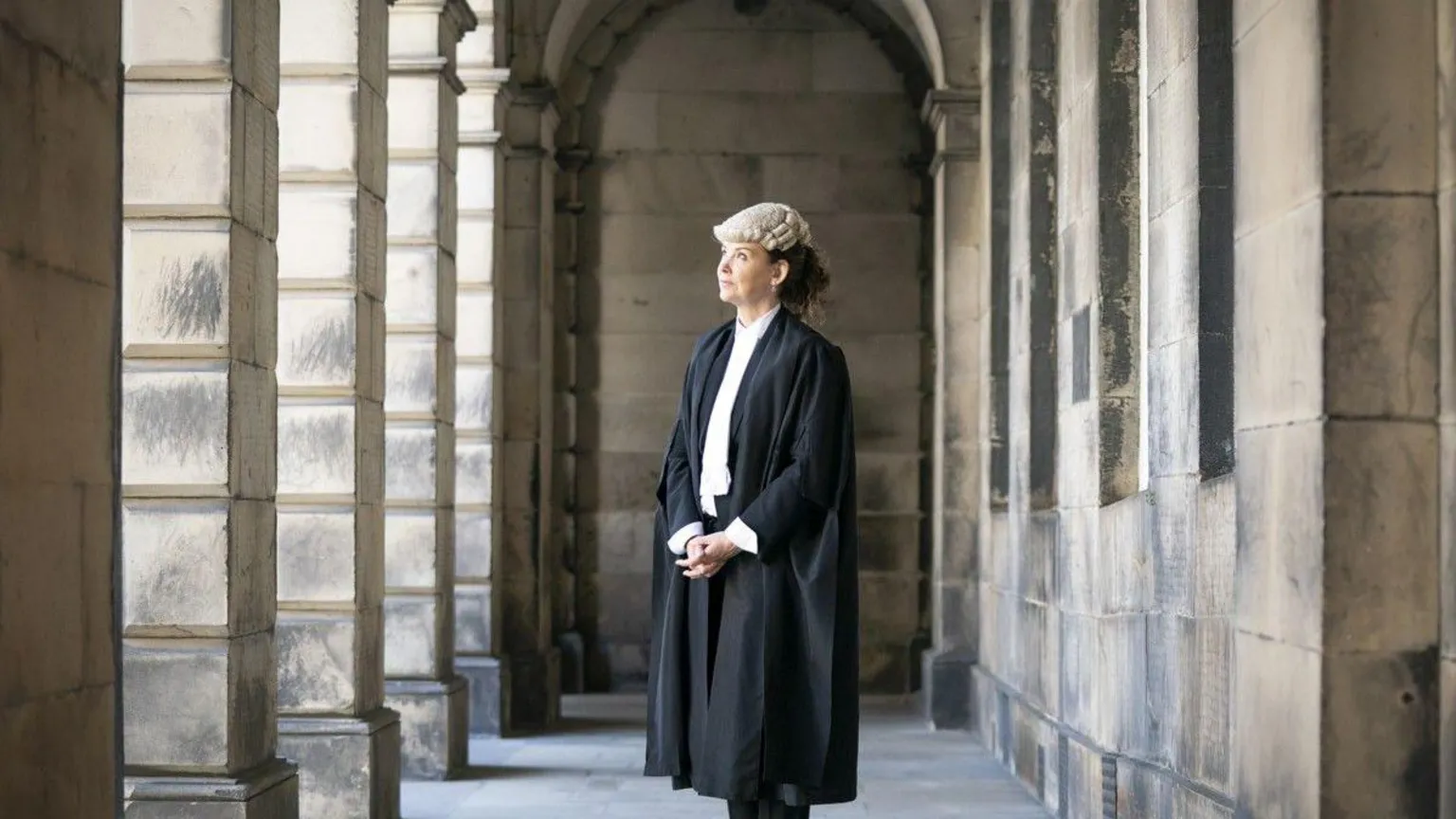
It was revealed that the lord advocate, Dorothy Bain, who heads the prosecution service and serves as a government minister and legal adviser, had sent a memo to John Swinney in January.
The memo aimed to alert ministers that Murrell had been served with an indictment, cautioning them against commenting publicly on the live case.
However, the memo also disclosed the exact amount allegedly involved and provided an approximate timeline for court proceedings.
Opposition members raised concerns about why Swinney had access to details that would not become public for over a month.
This led to extraordinary scenes at Holyrood, with the lord advocate summoned to respond to an urgent question.
Typically, law officers receive a degree of respect from MSPs, as they are not elected politicians.
Labour’s Michael Marra pressed Bain on whether Swinney had been given an unfair advantage, asking
"on what planet is it not political interference?"
Conservative leader Russell Findlay escalated the accusations, stating the action
"smacks of corruption"and urged Bain to reconsider her position.
Bain defended the memo, asserting it was standard procedure to inform the government of significant case developments to preserve the process's integrity, not to influence it.
Defending the Lord Advocate and the Rule of Law
Bain has over 30 years of legal experience, having led prosecutions in high-profile cases including murders, paedophile rings, and drug gangs.
She has argued cases before the Supreme Court and the European Court of Human Rights.
Despite her extensive experience, the personal and severe nature of the accusations was unprecedented.

The legal community rallied in her defence. Roddy Dunlop KC, Dean of the Faculty of Advocates, described the corruption allegations as
"very serious, and on the evidence available, entirely baseless"and cautioned MSPs to
"take care not to denigrate or damage the rule of law".
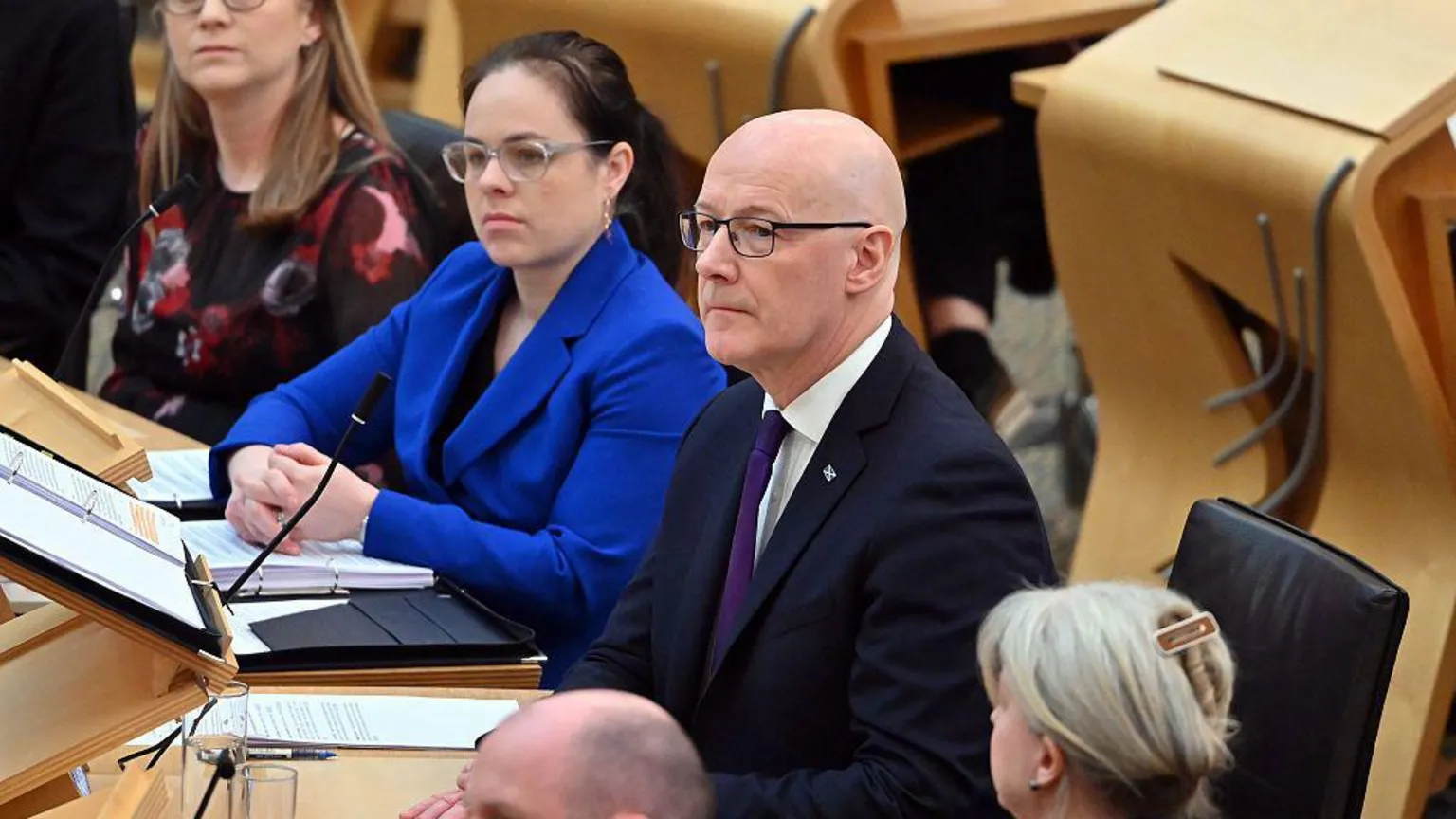
John Swinney also expressed his support, declaring his
"absolute confidence"in Bain and dismissing the accusations as
"contemptible rubbish".
Examining Political Advantage and the Lord Advocate’s Dual Role
The opposition argues that Swinney gained a political advantage by receiving early knowledge of the alleged sum and case timelines, allowing him to prepare a response before the information became public.
However, a rough estimate of the amount involved in the police investigation of SNP finances had circulated for years.
It is also reasonable to assume the SNP would have a clearer understanding of the figure, as the money was allegedly embezzled from their own funds.
Moreover, the lengthy duration of court cases is well known; a delay of over a year was not unexpected.
Where there may be agreement across parties is on the broader issue of the lord advocate’s dual role.
This is not a critique of Bain personally, especially as the current parliamentary term is nearing its end and the office has changed hands after the last three elections.
Rather, it concerns the position itself.
Does combining the head of the prosecution service with a cabinet ministerial role create potential conflicts of interest when cases have political implications?
Would it be simpler to separate these roles to ensure a clear division of powers, avoiding reliance on the lord advocate’s discretion to recuse themselves or determine when to inform ministers?
The government commissioned a report on this issue in 2024, and as of this month, the matter is under
"active ministerial consideration".
Changing this arrangement would be complex, as the office of lord advocate, established in 1478, is embedded in the devolution settlement.
Westminster’s involvement would be necessary to amend the Scotland Act.
Any reform would likely require cross-party cooperation, which appears unlikely amid current political tensions.
Political Tensions Ahead of the Election
With an election imminent, political advantage is foremost in many minds.
Swinney suggested that his opponents’ serious allegations stem from
"desperation"over their polling positions.
The First Minister expressed genuine anger at Russell Findlay’s accusations.
The lord advocate also appeared distressed, as evidenced by a letter she sent to Anas Sarwar warning that his claims risked undermining the rule of law.
This represents a precarious moment for institutions, not only in Scotland but more broadly.
Public trust is at a low point, and many believe systemic changes are necessary, if not complete overhauls.
MSPs are contributing to this charged atmosphere while blaming each other.
Labour and the Conservatives accuse the government of jeopardising the legal system’s neutrality, while the SNP counters that the opposition is damaging the rule of law itself.
Broader Implications for Scottish Politics
Is there a political gain for any party in this dispute?
This debate may primarily benefit anti-establishment movements.
It is another episode in a long-standing trend of hostility and partisanship in Scottish politics.
Distrust is not limited to the public; politicians themselves distrust each other and even the head of the prosecution service.
This raises concerns about public confidence in political and legal institutions.
Politics has always involved a harsh and sometimes unsavoury dimension alongside genuine public service aimed at improving lives.
However, as public alienation from politics grows, politicians’ eagerness to align with popular sentiment rather than challenge it perpetuates a destructive cycle.
All politicians should exercise caution when fostering distrust, as the consequences ultimately affect them all.


