US-Iran Talks in Switzerland Commence as Strait of Hormuz Remains Closed
Negotiations between Iran and the United States aimed at expanding the fragile interim agreement to end the ongoing conflict are set to begin in Switzerland. These talks face significant challenges, including Iran's decision to close the Strait of Hormuz in protest against former US President Donald Trump's failure to compel Israel to cease hostilities in Lebanon.
The US Vice-President, JD Vance, leading the American delegation, announced the inclusion of Lebanon on the agenda. Originally, discussions were intended to focus on reopening the strait, lifting US sanctions on Iranian oil exports, and unfreezing Iranian assets held abroad.
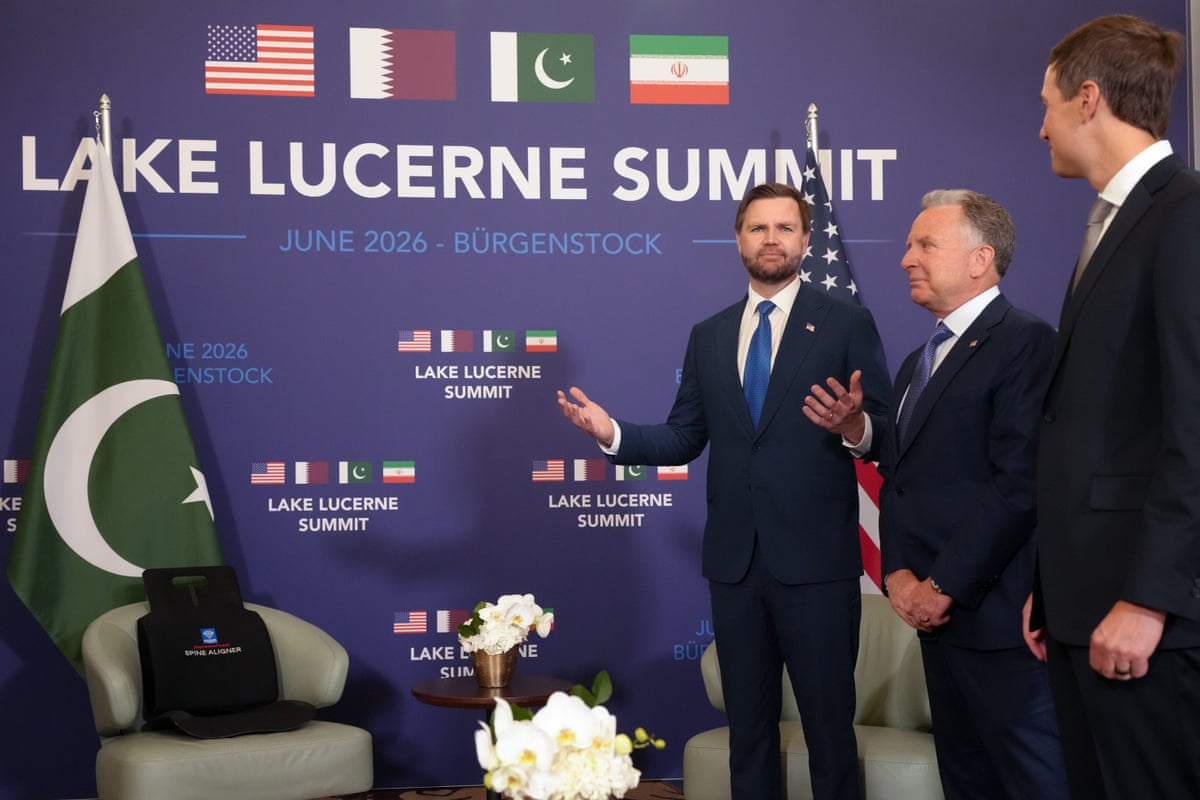
Vance arrived early Sunday at a Qatari-owned mountain resort in Bürgenstock, Switzerland, to meet Iranian negotiators for the second time since the months-long conflict began. He previously engaged in direct talks with Iranian representatives in Islamabad.
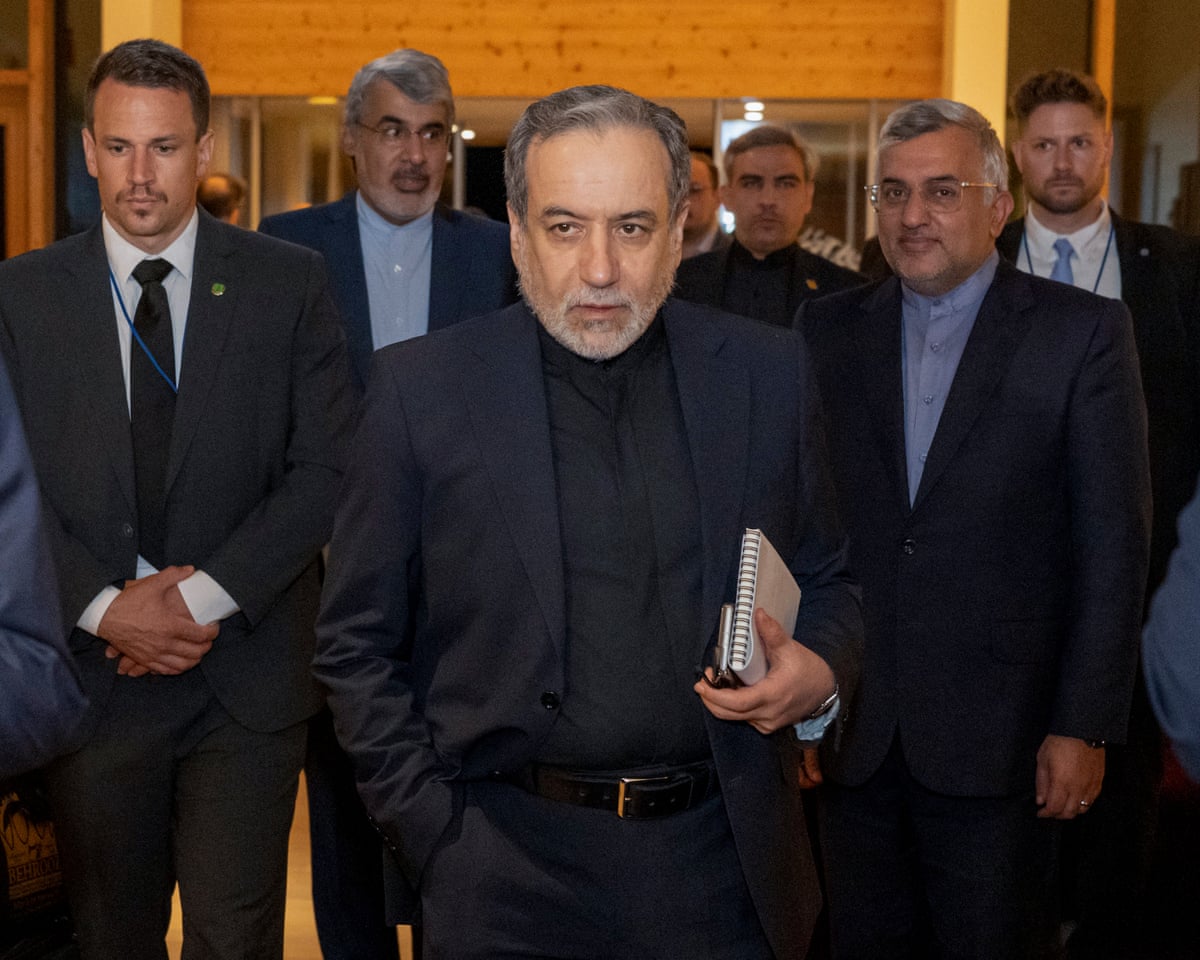
The Iranian delegation is headed by Mohammad Bagher Ghalibaf, the Speaker of the Parliament. The presence of Iran's deputy oil minister and the governor of the central bank indicates Tehran's emphasis on negotiating the terms for lifting sanctions.
The memorandum of understanding published last week includes a first clause mandating a ceasefire on all fronts, including Lebanon, where fighting has intensified between Israel and the Iranian-backed militant group Hezbollah.
Iran Affirms No Pursuit of Nuclear Weapons but Maintains Enrichment Rights
On Sunday, Iranian President Masoud Pezeshkian reiterated Tehran's willingness to provide assurances that it is not seeking to develop nuclear weapons, while firmly maintaining its right to uranium enrichment, according to AFP.
“What the United States demands is that Iran not build an atomic bomb. This is nothing new, and we can also state in writing that we have no intention of building a bomb,”
the president’s website quoted him as saying.
“However, we will not relinquish our right to enrichment, and the other side will have no choice but to accept this right,”
he added, prior to the scheduled talks between Iranian and US negotiators later on Sunday.
Lebanon Conflict a Central Topic in US-Iran Discussions
Iran stated on Sunday that the ongoing conflict in Lebanon between Israel and Hezbollah would be a primary focus in talks with the US in Switzerland. Other key issues include frozen Iranian funds and the sale of Iranian oil.
“The Zionist regime continues to violate its commitment in Lebanon, this issue will be the main topic of discussion in today’s talks,”
said Foreign Ministry spokesperson Esmaeil Baqaei in a video shared by the IRNA state news agency.
Tehran announced on Thursday that it had signed a deal with Washington to end months of hostilities that began on 28 February following US-Israeli attacks on Lebanon. The agreement also called for cessation of the Israel-Hezbollah conflict in Lebanon.
Despite reports of a renewed ceasefire, Israeli strikes on southern Lebanon on Saturday resulted in at least 16 fatalities, according to local authorities.

Lebanon’s civil defence agency reported that its personnel transported “16 dead and 12 wounded” to hospitals and had been working “since the early morning hours” in the Nabatieh district.
Iran Closes Strait of Hormuz Citing Israeli Strikes in Lebanon
Iran announced the closure of the Strait of Hormuz following a series of Israeli strikes in Lebanon, a move that threatens to undermine the fragile interim peace agreement with the US, signed only days earlier.
The Islamic Revolutionary Guard Corps (IRGC) warned vessels not to approach the strategic waterway, which prior to the conflict accounted for one-fifth of global oil and liquefied gas shipments. The IRGC cited Israeli actions in Lebanon and alleged US violations of commitments to establish a ceasefire as reasons for the closure.
It remains unclear whether the closure has been fully enforced or if it will impede the scheduled talks in Switzerland, which aim to transform the current interim agreement between the US and Iran into a more comprehensive deal concerning Iran’s nuclear program.
Donald Trump promptly declared that “NO TOLLS” would be charged on ships seeking to transit the strait during or after the 60-day interim ceasefire. However, in a social media post on Saturday, he suggested the possibility of the US imposing a toll if negotiations fail.
US-Iran Talks Begin in Switzerland Amid Rising Tensions
Welcome to our ongoing coverage of the latest developments in the Middle East and updates on the peace talks between the US and Iran.
On Sunday, delegations from the US and Iran arrived at the Swiss resort of Bürgenstock for talks. Mediators from Pakistan and Qatar are also attending, according to the Swiss Foreign Ministry. Washington and Tehran signed a memorandum of understanding earlier in June.
This follows Iran’s announcement that it has closed the Strait of Hormuz due to continued Israeli strikes in Lebanon. Iran’s Fars news agency cited a military source on Sunday stating that the strait remains closed and that the Revolutionary Guards Navy has not authorized any vessels to transit until further notice.
Israeli strikes in southern Lebanon on Saturday resulted in at least 16 deaths, according to local authorities.
US Vice-President JD Vance arrived early Sunday at the Bürgenstock resort to meet Iranian negotiators for the second time.
US Central Command reported that 55 merchant ships transited the strait on Saturday.
The Islamic Revolutionary Guard Corps warned ships to avoid the strategic waterway, which before the conflict carried one-fifth of global oil and liquefied gas supplies, citing Israeli actions in Lebanon and alleged US violations of ceasefire commitments.