

Casualties Reported Following Israeli Airstrikes in Southern Lebanon
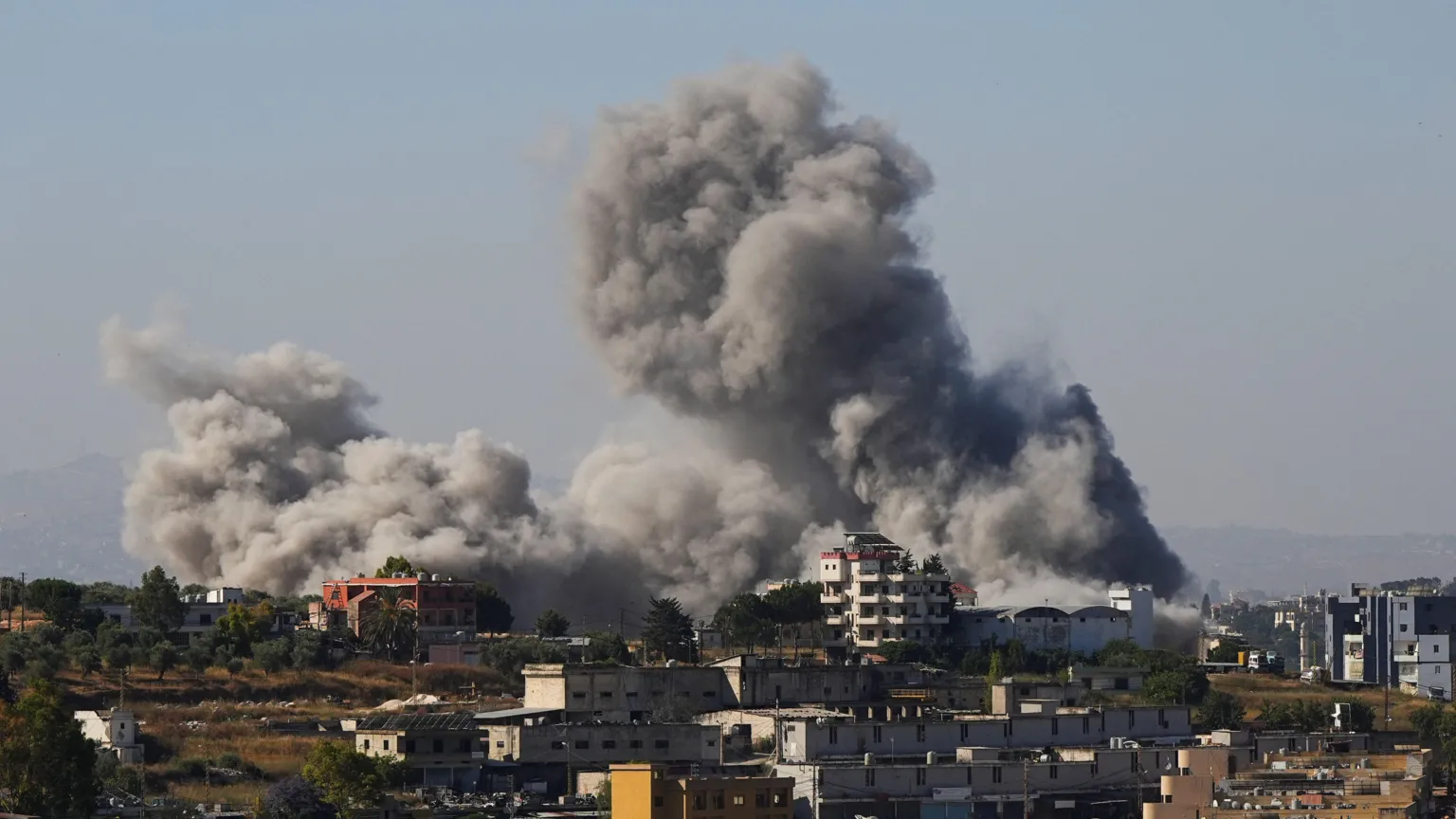
Approximately two dozen individuals have been reported killed by Israeli airstrikes in southern Lebanon, occurring less than 24 hours after a new ceasefire between Israel and Hezbollah was declared.
Local officials reported that 16 people died in the Nabatieh district and seven in the neighboring Saida area, with additional injuries sustained after Israeli warplanes, drones, and artillery targeted multiple locations.
A family of four—a father, mother, and their two children—was killed in the town of Barish in southern Lebanon, according to state media.
Israeli Military Response and US Criticism
The Israeli military stated it had struck "dozens" of Hezbollah targets following the group's launch of over 50 projectiles at Israeli forces in the region.
The United States government has criticized Israel's ongoing military operations in Lebanon, which became involved in the US-Iran conflict after Hezbollah fired rockets into Israel in retaliation for a strike that killed Iran's supreme leader.
Washington is also concerned that the continuing tensions between Israel and Lebanon could jeopardize the US peace agreement with Iran, which includes commitments to cease hostilities on "all fronts," including Lebanon.
US envoy Steve Witkoff is reportedly traveling to Switzerland for initial discussions with Iran aimed at solidifying the agreement.
While the deal may have temporarily prevented a broader regional escalation, it leaves unresolved key issues central to the conflict, such as Israel's military presence in southern Lebanon and the future status of Hezbollah's armaments.
Hezbollah's Position on the Ceasefire
A Hezbollah official informed the BBC that the group does not recognize the ceasefire announced by US officials on Friday afternoon and rejects Israel's objective to operate freely within Lebanon.
Senior Hezbollah official Hassan Fadlallah stated that the group reserves the right to respond to Israeli attacks.
"What concerns us is that the enemy fully and comprehensively respects the ceasefire, and doesn't attempt to attack our country and villages or seek to occupy any new position,"
he said, as quoted by Lebanon's state-run National News Agency (NNA).
Statements from the Israel Defense Forces
The Israel Defense Forces (IDF) reported having "struck dozens of Hezbollah terrorist infrastructure sites and terrorists in southern Lebanon."
The IDF indicated that its strikes were in retaliation to Hezbollah launching "more than 50 projectiles toward IDF soldiers in southern Lebanon."
"These attacks constitute repeated and ongoing violations of the ceasefire agreement," the IDF added in its statement.
History of Ceasefire Violations
Previous ceasefires between Israel and Hezbollah have witnessed near-daily cross-border strikes, with both parties accusing each other of breaches.

Prior to the announcement of Friday's ceasefire, Israel declared no intention to withdraw its forces from Lebanon and maintained that its conflict with Hezbollah was distinct from the war on Iran.
Casualty Figures and Ongoing Violence
Earlier on Friday, Lebanon's health ministry reported 47 fatalities and 97 injuries resulting from Israeli airstrikes, while the Israeli military confirmed the deaths of four of its soldiers.
Ali, a Red Cross first responder in Nabatieh, described the night as "the most intense night" he can recall.
These strikes followed the signing of an initial peace deal between the US and Iranian presidents aimed at ending the war, including hostilities in Lebanon, with immediate effect; however, attacks persisted.
Impact on Southern Lebanon
The ongoing conflict's consequences are evident across southern Lebanon.
Hospitals in the south are staffed by exhausted doctors treating the wounded, while emergency responders increasingly conduct recovery missions rather than rescues.
At Najdi Hospital in Nabatieh, ambulances bypass the emergency room and proceed directly to the morgue. Ali noted that there is no more space inside, and bodies in white bags are visible on the floor through the doorway.
Many residents had returned to their villages following previous ceasefires and temporary truces, believing the worst of the fighting was over.
"The problem is that we got used to it,"
Ali said.
"I have been with the Red Cross for more than 30 years, and deaths now are only a number for us."
Background of the Conflict and Ceasefire Attempts
The two countries initially agreed to a ceasefire in April, which failed to halt the fighting. Prime Minister Benjamin Netanyahu ordered the military to intensify strikes on Hezbollah and advance deeper into Lebanon after Hezbollah attacked northern Israeli communities with drones and rockets.
Ceasefire agreements have been repeatedly renewed since then but have been followed by airstrikes and attacks from both sides.
Netanyahu has faced domestic pressure to continue military operations against Hezbollah, an Iran-backed Shia Muslim political and military organization in Lebanon.
Hezbollah has pledged to continue attacks while Israel maintains its occupation of southern Lebanon.
US and Israeli Political Reactions
Earlier this week, the White House criticized Israel's military campaign in Lebanon, warning it risks undermining the peace deal. However, on Friday, during the unveiling of a new Air Force One jet, President Donald Trump praised Netanyahu, referring to him as a "warrior."
Conflict Origins and Current Situation
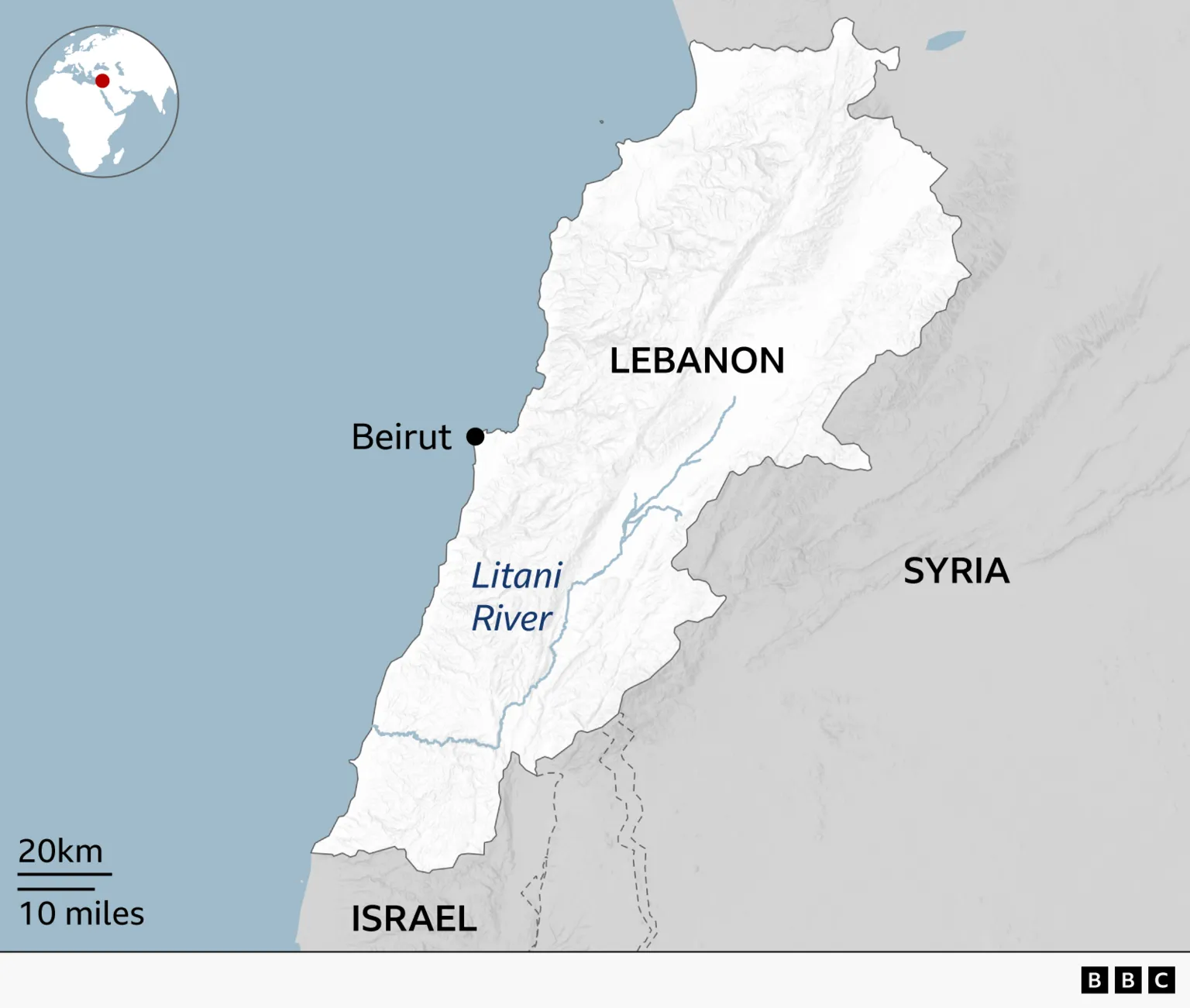
Lebanon was drawn into the conflict in early March when Hezbollah launched rockets and drones into Israel. Israel responded with a bombing campaign across Lebanon and currently occupies approximately 5% of Lebanese territory in the south, aiming to push Hezbollah fighters away from its northern border.
Approximately one million people remain displaced, and dozens of communities in southern Lebanon have been completely destroyed.


