Ceasefire and Ongoing Tensions
The United States and Iran have both indicated a preference to avoid resuming the war that has been paused since the ceasefire announcement on 8 April. Despite this, neither side has ceased the ongoing military exchanges that continue to challenge the diplomatic talks being mediated by Pakistan, Qatar, and other parties.
The US maintains significant naval and air forces within striking distance of Iran. It is reasonable to assume that the Iranian regime has kept its forces on high alert, utilizing the ceasefire period to reorganize and repair damage inflicted by US and Israeli operations.
The armed tension in the Gulf region creates a substantial risk of miscalculation and misperception for both sides. The US aims to maintain pressure on Tehran to secure concessions by demonstrating its proximity and capability to inflict substantial damage. Conversely, Iran is signaling its unwavering determination to resist, warning that it would target American bases and broader infrastructure in the Arab Gulf if necessary.
Diplomatic Challenges and Preconditions
The initial goals on what could be a prolonged and difficult path toward a broader US-Iran agreement include sustaining the ceasefire and reaching a "memorandum of understanding" outlining the agenda for further negotiations. Achieving these objectives has proven challenging.
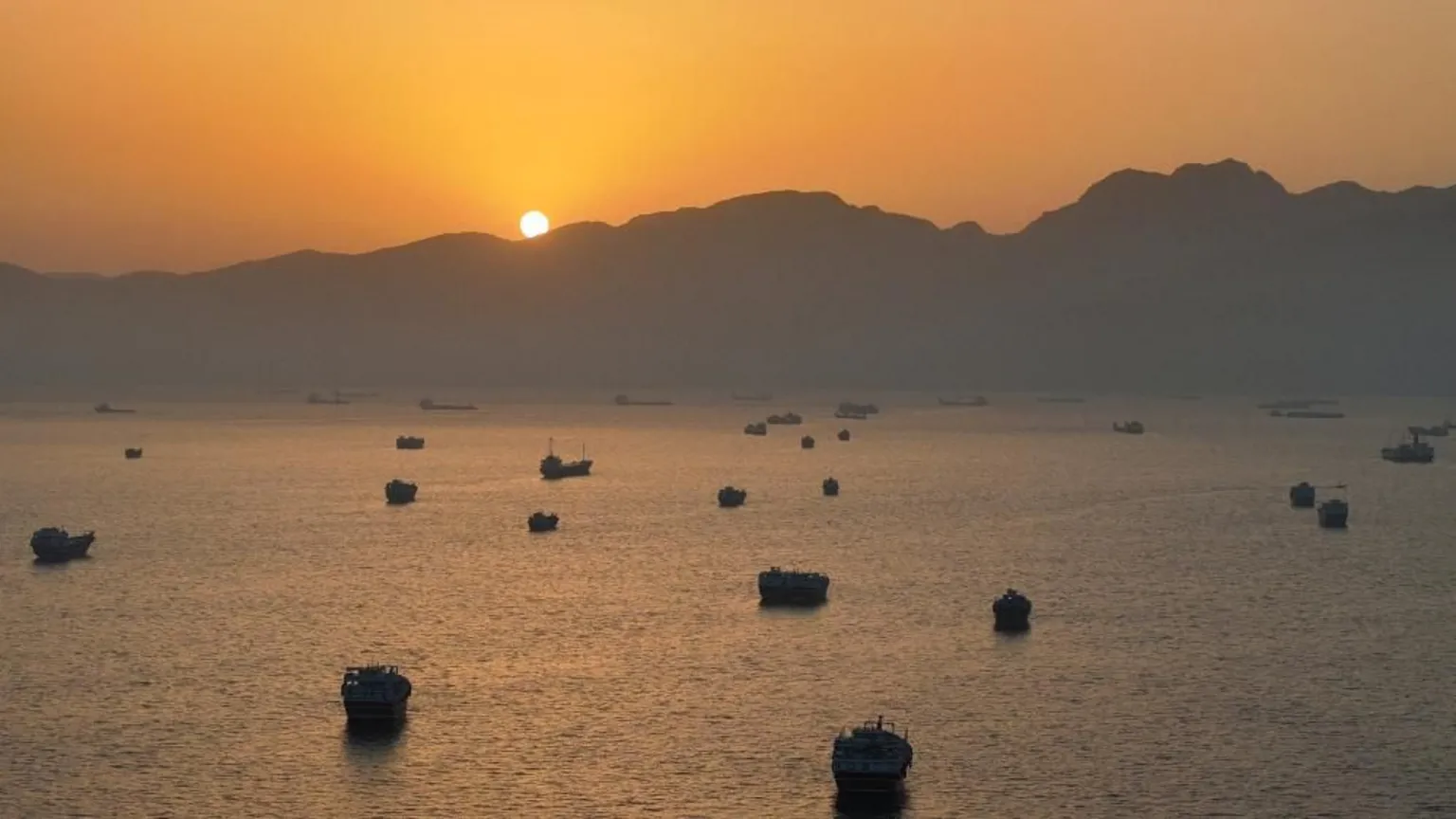
Iran is expected to demand concessions, potentially in the form of sanctions relief or the release of frozen assets, as a condition to reopen the Strait of Hormuz—a critical prerequisite for serious negotiations. The Strait, a vital and busy waterway, remains effectively closed after being targeted by US and Israeli attacks on 28 February.
Saudi Arabia has responded by rerouting some oil shipments to its Red Sea ports, and the United Arab Emirates (UAE) operates a pipeline to terminals on its small coastline facing the Gulf of Oman, beyond the Strait of Hormuz. However, globally, approximately 20% of usual oil and gas supplies, along with other essential exports, remain disrupted.
Maintaining the closure of the Strait poses a severe threat to the global economy. Although the US no longer depends on Gulf oil, American petrol prices are influenced by the global oil market.
Trump's Dilemma and Political Constraints
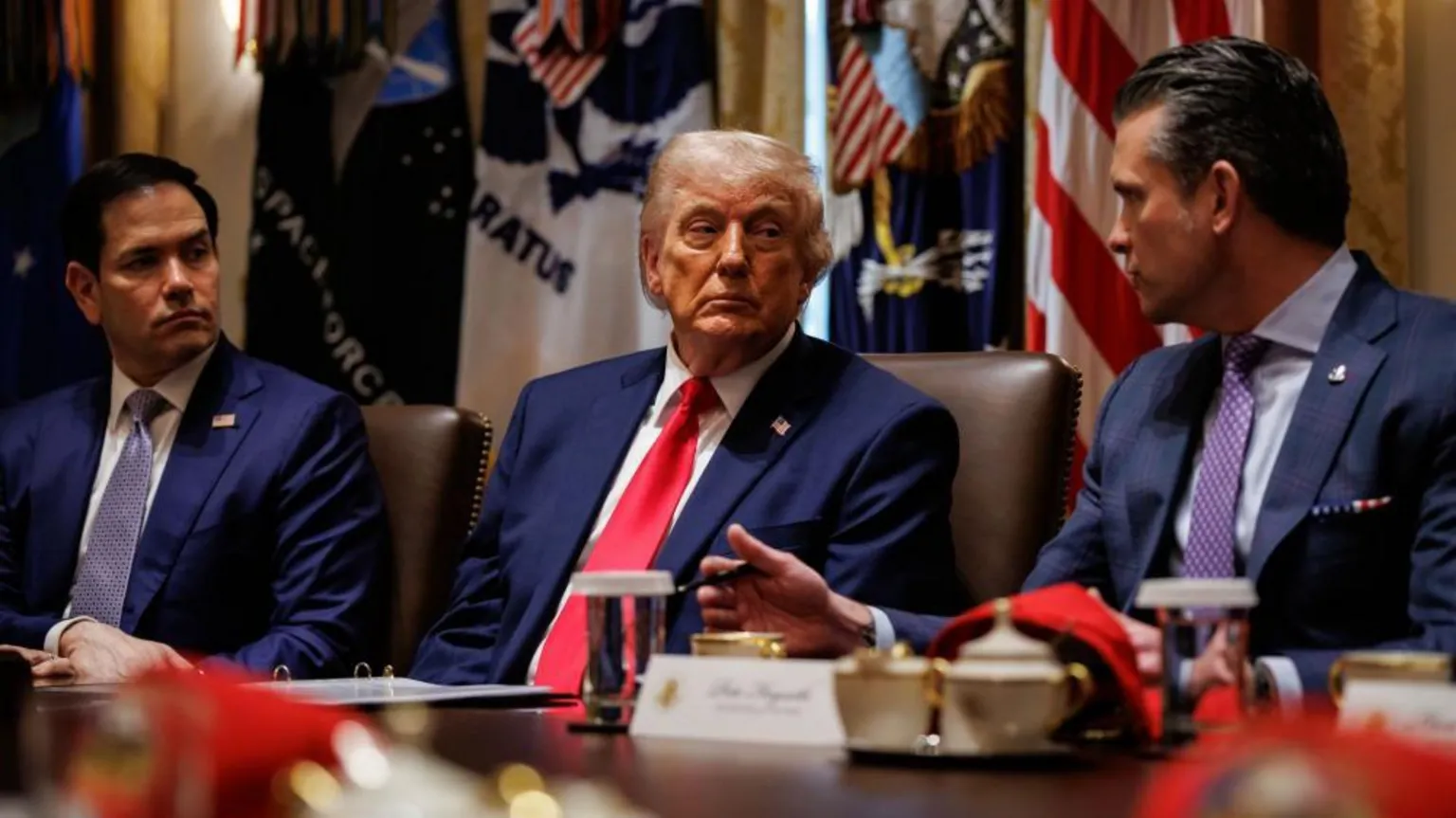
President Donald Trump faces a complex predicament, entangled in the fallout from his decision to initiate war under the assumption of an easy victory. Both Trump and his close ally, Israeli Prime Minister Benjamin Netanyahu, underestimated the Islamic regime's resolve to endure and resist their attacks.
Trump lacks a straightforward exit strategy, while the Iranian regime is intent on maintaining this stalemate. Reopening the Strait is essential, as the war with Iran is deeply unpopular in the US, and escalating it further risks increasing domestic opposition.
The concessions Iran demands to reopen the Strait face opposition from hawks within Trump's Republican Party and conflict with Trump's desire to claim victory. The president is particularly resistant to any deal with Iran that might be unfavorably compared to the 2015 nuclear agreement brokered under Barack Obama, which Trump condemned and withdrew the US from during his first term.
Iran's Position and Regional Impact
Iranian leaders, with some justification, view their struggle as a fight for the survival of their regime. It is evident that additional US or Israeli strikes are unlikely to alter their stance.
The wealthy Gulf Arab states have suffered significant economic damage and are reluctant to endure further harm. Their economic models and long-term development depend on the Gulf remaining a stable hub for the global economy and a safe environment for foreign investment. The ongoing conflict has inflicted a severe blow, and restoring stability is expected to take years.
Regional Mediation and Responses
Qatar is actively mediating alongside Pakistan in efforts to revive diplomatic talks. The UAE and Saudi Arabia have responded to Iran through different strategies.
The UAE has strengthened its strategic relationship with Israel, which has deployed the Iron Dome missile defense system to the UAE, operated by Israel Defense Forces personnel. Meanwhile, Saudi Arabia has conducted attacks against Iran, which it describes as retaliation for Iranian assaults. Importantly, senior Saudi officials have emphasized that these actions were taken independently, not as part of the US-Israel coalition.
Misjudgments and Consequences
When Trump and Netanyahu initiated the conflict on 28 February, both leaders asserted that their countries' considerable air power would suffice to dismantle the Islamic regime in Tehran. They misjudged the resilience of a regime that has endured nearly fifty years despite wars, sanctions, and isolation.
Now, the United States and Israel, along with the global community, are contending with the consequences of that miscalculation.