

US and Iran Begin Direct Talks in Switzerland
US and Iranian officials have commenced direct negotiations in Switzerland after signing an initial agreement last week aimed at ending the ongoing war.
The agreement includes a commitment to finalize a comprehensive deal within 60 days, an end to hostilities on "all fronts"—including Lebanon—and the reopening of the Strait of Hormuz.
Despite the agreement, renewed clashes between Israel and Iran-backed Hezbollah in Lebanon led Iran to announce the closure of the shipping route on Saturday. However, maritime tracking data indicates that vessels have continued to transit the strait.
Following the commencement of talks, President Donald Trump posted on social media that Iran "must immediately stop their highly paid PROXIES in Lebanon from causing trouble" and warned that he would "hit Iran very hard again" if they failed to comply.
US and Iranian Positions Ahead of Talks
Prior to the talks, US Vice-President JD Vance expressed hopes for progress on "the nuclear issue" and Lebanon, while Tehran stated it would be "demanding that the other side fulfil its commitments."
At the Swiss resort of Bürgenstock, Vance conveyed that President Trump had instructed negotiators to "turn over a new leaf." He added that if Iran's leadership was willing to abandon its role as a "driver of regional instability" and relinquish "nuclear weapons ambitions for the longer term," the US "is willing to fundamentally transform our relationship with that country."
Iran has consistently maintained that its nuclear program is peaceful.
Iranian foreign ministry spokesman Esmaeil Baqaei stated that negotiations for a final agreement depend on enforcing existing commitments, including the cessation of all military operations. He noted that Sunday's talks were focused on implementation.
Delegations and Mediation Efforts
Vice-President Vance was accompanied by President Trump's son-in-law Jared Kushner and special envoy Steve Witkoff.
For the Iranian delegation, parliamentary speaker Mohammad Bagher Ghalibaf and Foreign Minister Abbas Araghchi arrived in Switzerland late on Saturday.
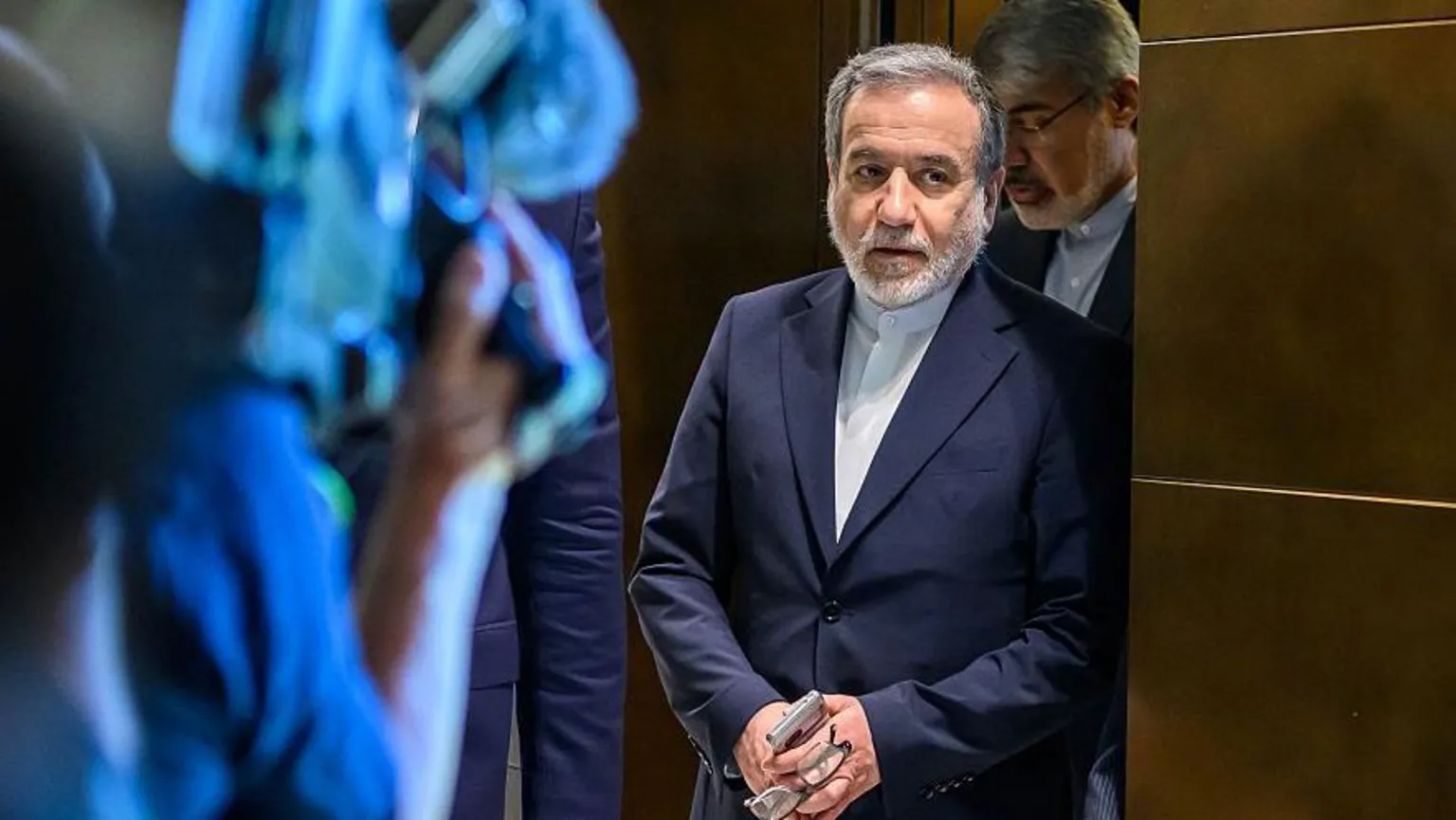
The delegations were joined by Pakistan's Prime Minister Shehbaz Sharif and the head of Pakistan's armed forces, Field Marshal Asim Munir.
Pakistan has served as a mediator throughout the conflict and hosted a previous round of negotiations between the US and Iran.
Details of the Initial Agreement
The US and Iranian presidents signed the initial agreement earlier this week, aiming to end the war immediately.

Under the deal, Iran agreed to reopen the Strait of Hormuz, a critical shipping channel through which 20% of the world's oil and natural gas is transported. Its effective closure had caused fuel prices to rise and disrupted the global economy.
The US also consented to lift a military blockade on ships traveling to and from Iranian ports.
The initial agreement included a $300 billion (£224 billion) plan for Iran's reconstruction and the US terminating "all types of sanctions" on Iran.
However, the issue of Iran's nuclear program, which the US cited as the primary reason for the conflict, remains to be negotiated. During his first term, President Trump withdrew the US from an Obama-era nuclear deal with Iran and reimposed economic sanctions.
Continued Conflict Despite Ceasefire
The agreement also stipulated a cessation of fighting on all fronts, but deadly conflict has persisted between Israel and Hezbollah, the Iran-backed group, despite the deal and a ceasefire agreed upon by the two sides on Friday.
Since the agreement was signed, Israeli airstrikes have killed at least 67 people, while Hezbollah attacks have resulted in the deaths of five Israeli soldiers.
Iran accused the US and Israel of violating the ceasefire and announced it would close the Strait of Hormuz on Saturday in response.
Nevertheless, some vessels appeared to be entering, exiting, and transiting the strait on Sunday, according to location data from the maritime tracking website MarineTraffic.
Three ships exited on the strait's eastern side in the morning, while three other vessels appeared to be heading east in the afternoon.
It is noted that tracking data may not capture all movements, as some vessels may have turned off their tracking devices.
Context of the Conflict in Lebanon
Israel has maintained that its conflict with Hezbollah is separate from the war against Iran, which it initiated alongside the US on 28 February.
Lebanon became involved shortly thereafter when Hezbollah launched rockets into Israel in retaliation for a strike that killed Iran's supreme leader.
Israel responded with a bombing campaign across Lebanon and occupied approximately 5% of the country's territory in the south, aiming to push Hezbollah fighters away from its northern border. Israel has stated it has no intention of withdrawing.
Since 2 March, Lebanon's health ministry reports that 4,057 people have been killed. Israeli authorities report at least 34 Israeli soldiers killed in Lebanon and four civilians killed in northern Israel.


