

Saudi Arabia Blocks US Military Escort Operation Through Strait of Hormuz
Saudi Arabia informed the White House that it would deny access to its bases and airspace for a US operation intended to provide military escort for oil tankers passing through the strait of Hormuz. This refusal was a key factor behind former President Donald Trump’s decision to shelve the plan, known as Project Freedom, just days after its announcement.
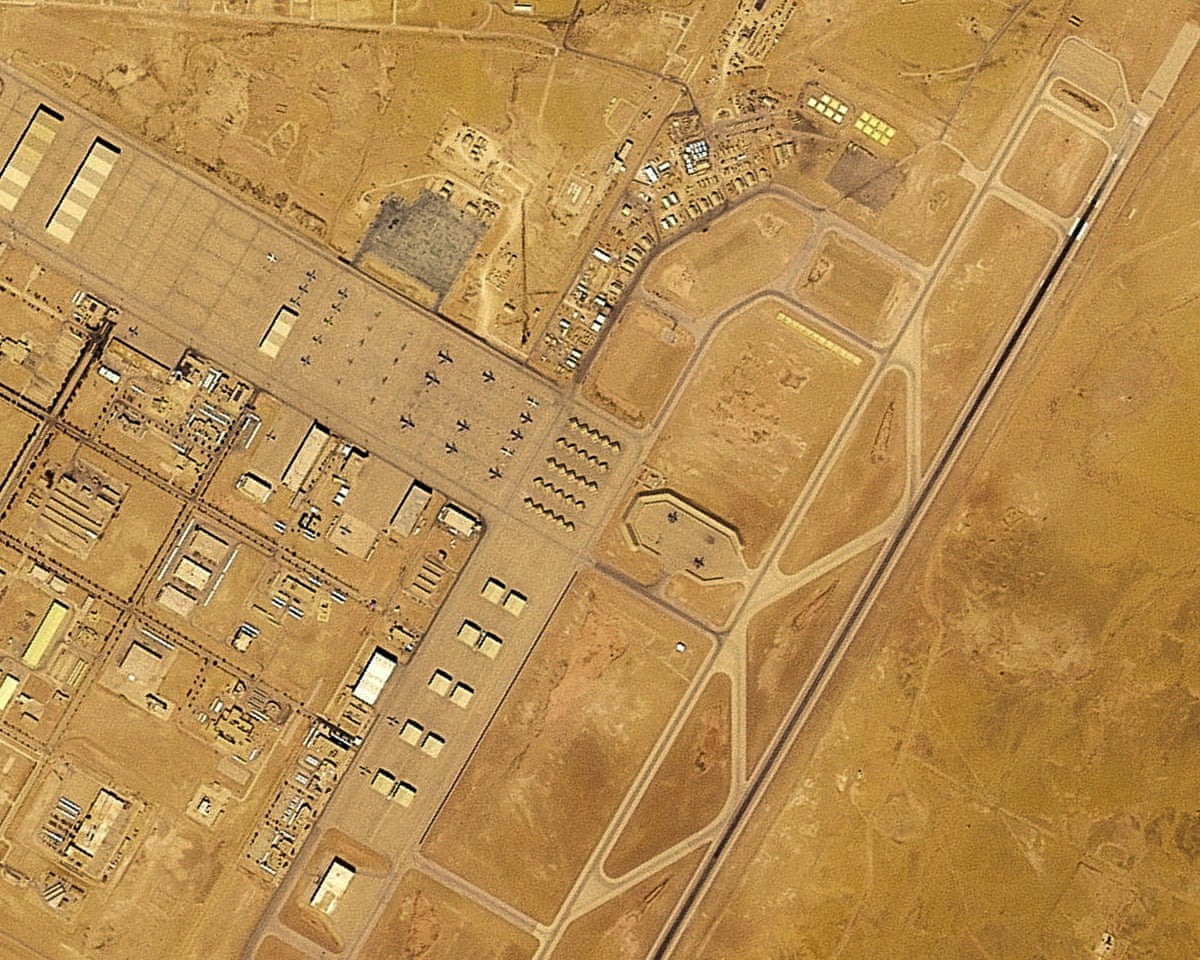
Riyadh specifically declined to permit the use of the Prince Sultan airbase to support the operation, which the US had positioned as the successor to the bombing campaign named Operation Epic Fury.
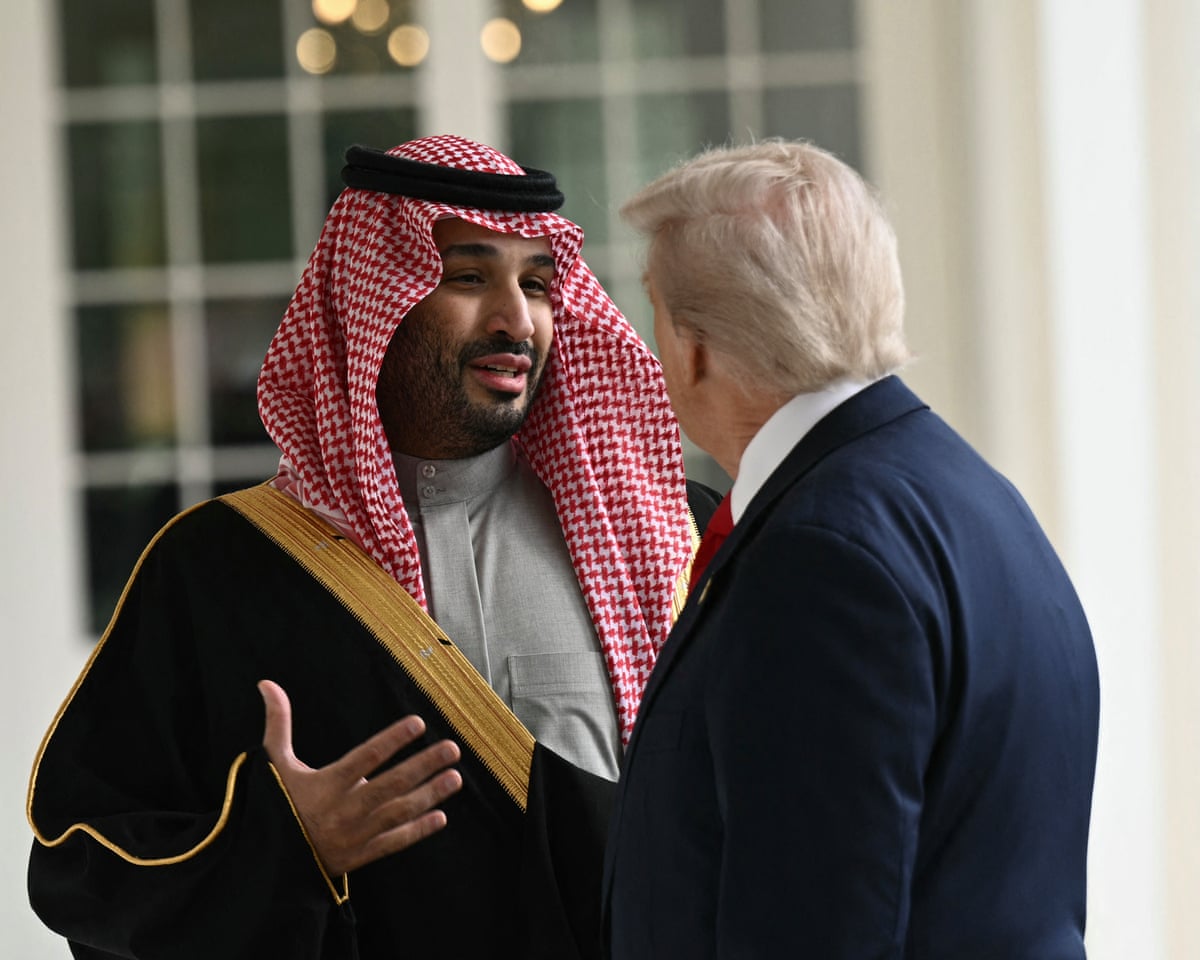
Despite a direct phone call between Crown Prince Mohammed bin Salman and Trump, Saudi Arabia maintained its objections, according to NBC. Riyadh’s stance highlights its preference for a permanent cessation of hostilities on almost any terms, contrasting with the more assertive posture of its Gulf neighbor, the United Arab Emirates.
Gulf Tensions and Diverging Strategies
The United Arab Emirates, frustrated by Saudi caution, has already withdrawn from the Saudi-led oil producers’ group OPEC and is considering leaving the Arab League. The UAE has historically maintained closer ties to Israel, and the ongoing conflict has exacerbated divisions within the Gulf Cooperation Council, damaging regional economies and international reputations.
The Emirates have been the primary target of Iran’s attacks and perceive insufficient Gulf solidarity in response. Saudi Arabia, meanwhile, was concerned that Project Freedom lacked clear engagement rules and risked escalating into a naval confrontation between Iran and the US, effectively ending a partial ceasefire in place since 7 April.
Iran had explicitly warned that it would consider any escort of oil tankers or attacks on Iranian shipping as violations of the ceasefire, potentially provoking further attacks on Gulf states.
Risks of Renewed Conflict and Regional Implications
An end to the ceasefire could trigger naval conflict in the strait and prompt Tehran to resume drone and missile attacks on US bases and energy infrastructure in the Gulf. These attacks have likely caused more extensive damage to Gulf infrastructure than previously disclosed.
Saudi Arabia’s refusal to support Project Freedom also reflects its dissatisfaction with Trump’s handling of the conflict. Riyadh often appeared as a powerless victim in a war it did not seek, unimpressed by the level of US protection against Iranian attacks or the coherence of White House strategy.
“It was obvious for a long time the US had landed itself in a conflict which it could neither escalate or exit,” a Saudi diplomat said.
Trump’s Sudden Reversal on Project Freedom
On Tuesday, after emphasizing Project Freedom’s importance for two days, Trump unexpectedly announced a suspension of the operation. He stated the halt was temporary and mutually agreed upon due to significant progress toward a deal with Iran, partly facilitated by China’s intervention. Trump indicated the pause would allow time to assess whether an agreement could be reached.
Trump’s statement omitted any mention of Saudi objections or the denial of airspace access. His decision contradicted messaging from US officials, including Secretary of State Marco Rubio, Defense Secretary Pete Hegseth, and Joint Chiefs of Staff Chair Gen Dan Caine, who had asserted that Project Freedom would guarantee freedom of navigation for hundreds of ships stranded in the strait. The plan included continuing the US blockade of Iranian ports.
Concerns Over Houthi Involvement and Regional Security
Saudi Arabia may also have feared that Project Freedom could provoke the Houthis in Yemen to intervene. Riyadh has worked to keep the armed political and religious group out of the conflict. Any closure of the Red Sea route due to Houthi actions would exacerbate threats to global oil supplies. Saudi Arabia has secured an agreement with Iran to protect its Yanbu pipeline, enabling export of up to 50% of its oil output via the Red Sea.
The UAE, in contrast, has taken bolder steps to bypass the Iranian blockade, including turning off transponders on its oil tankers to avoid detection.
Impact on Saudi-Emirati Relations and Regional Alliances
Saudi Arabia’s intervention, which limits Trump’s options to break the blockade, is expected to further strain relations with the UAE. Riyadh is also wary of the deepening UAE-Israel ties, particularly concerns that Israeli troops might operate on Emirati soil. Saudi Arabia, with a larger population, must approach Israel cautiously and has led efforts with France to revive the two-state solution concept, advocating for international recognition of a Palestinian state.
Saudi Arabia and the UAE also have separate disputes involving Yemen, Somalia, and Sudan. These issues are unlikely to be resolved if the US reaches a settlement with Iran that the UAE and Israel view as insufficiently stringent.


