

Attacks on Cargo Vessels in the Strait of Hormuz
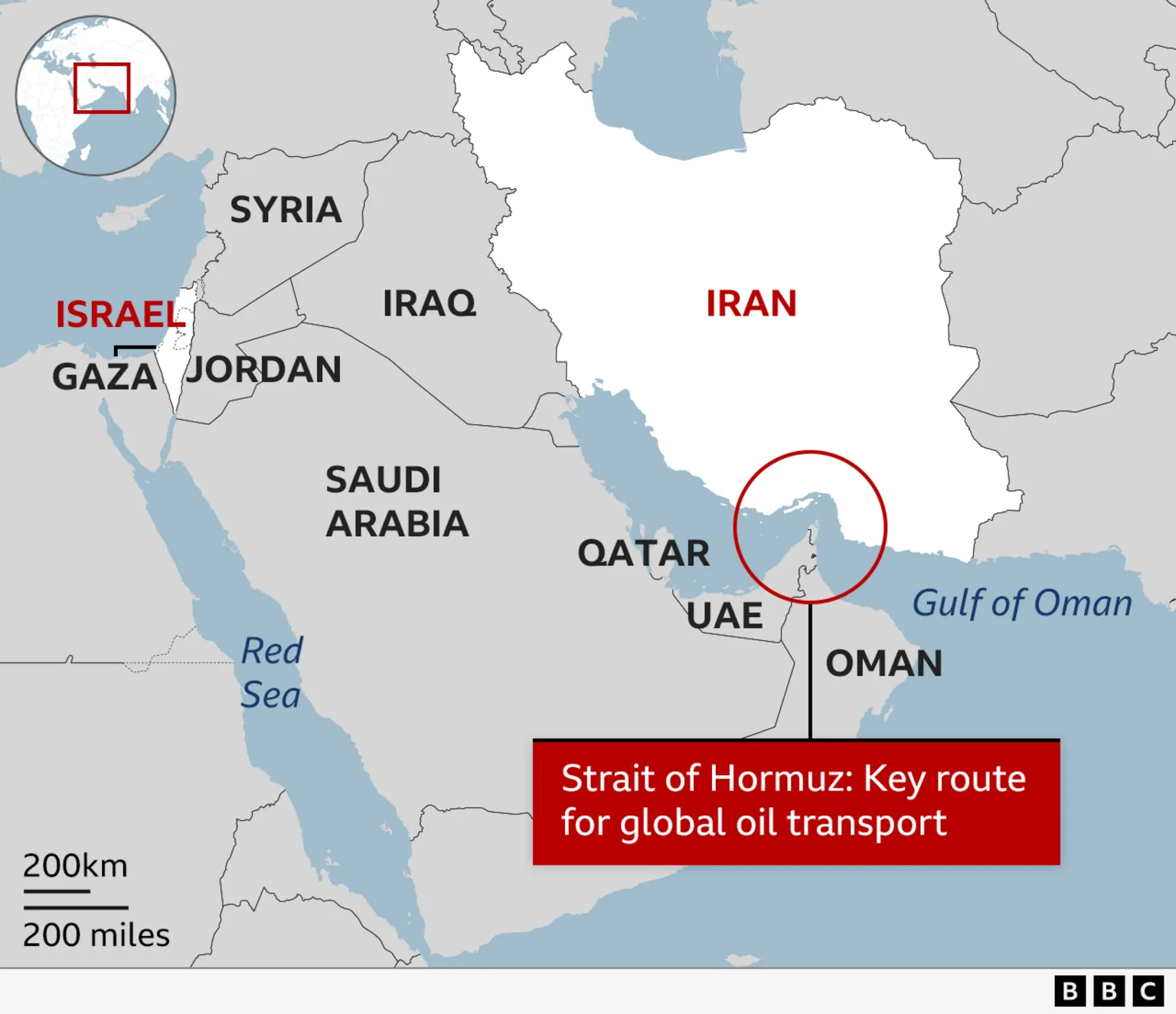
Three cargo vessels have been struck by "unknown projectiles" in the Strait of Hormuz, according to maritime authorities, marking the latest incidents targeting this crucial oil passage.
The attacks coincided with a unanimous decision by 32 countries to release 400 million barrels of oil in response to the "unprecedented" situation, as announced by the International Energy Agency (IEA).
Pressure on the Strait of Hormuz, one of the world's most significant shipping lanes, has escalated since Israel and the United States conducted attacks on Iran late last month. These events have led to a decline in maritime traffic and a surge in global energy prices.
Iran has declared it will "not allow even a single litre of oil" destined for the US, Israel, and their allies to transit the strait.
Regional Military Actions and Responses
In a related development, Israel launched a new series of strikes on Hezbollah targets in Lebanon on Wednesday night, responding to rocket attacks on Israeli territory. Earlier the same day, Iran executed further retaliatory attacks across the Gulf.
Speaking outside the White House, US President Donald Trump stated, when asked about the prospects for ending the conflict with Iran,
"we're not finished yet".
Details of the Attacked Vessels
Among the three cargo ships hit was a Thai-flagged vessel located 11 nautical miles north of Oman. A fire erupted onboard, and the Royal Thai Navy confirmed the rescue of all 23 crew members.
Iran claimed responsibility for this attack, asserting that the ship's crew ignored warnings.
The second vessel was a Japanese-flagged container ship, struck 25 nautical miles off the coast of the United Arab Emirates, sustaining minor damage.
The third cargo ship was hit approximately 50 nautical miles northwest of Dubai, as reported by UK Maritime Trade Operations (UKMTO).
Following these incidents, Tehran's spokesman, Ebrahim Zolfaqari, warned:
"Get ready for the oil barrel to be at $200 because the oil price depends on the regional stability which you have destabalised".
Since the onset of the conflict, there have been 13 suspected Iranian attacks on vessels operating in the Gulf.
International and Military Reactions
G7 leaders issued a statement on Wednesday indicating their intention to "explore the possibility of escorting ships when the right security conditions are in place".
The US Central Command advised civilians to avoid Iranian ports along the Strait of Hormuz, citing Tehran's use of these sites for military operations.

Oil prices have remained volatile, trading around $92 per barrel on Wednesday after peaking near $120 on Monday and subsequently dropping to $87 the same day.
President Trump described these price fluctuations as a
"matter of war"and later commented,
"oil prices are already coming back down".
He has previously warned Iran of unprecedented military consequences should it attempt to mine the strait to obstruct Gulf oil shipments, noting that the US military could provide escort services for vessels.
International Energy Agency's Oil Reserve Release
The IEA's decision to release 400 million barrels of oil aims to mitigate the "effective closure" of the shipping channel, which typically handles about 20% of the world's oil supply, according to the agency's executive director, Fatih Birol.
Further Retaliatory Attacks and Regional Impact
Iran announced another series of retaliatory strikes across the Gulf on Wednesday, targeting a major oilfield in Saudi Arabia and Dubai International Airport.
Officials reported the interception of two drones near Dubai International Airport, resulting in injuries to four individuals.
The Islamic Revolutionary Guard Corps (IRGC) described the operation as its "most devastating and heaviest," including attacks on US bases located in Qatar, Kuwait, and Iraq.
Saudi Arabia stated it intercepted seven ballistic missiles, most aimed at the Prince Sultan Air Base, and also intercepted two drones targeting an oil field.
In Oman, drone strikes reportedly hit several fuel storage tanks at the port of Salalah, according to state media. British maritime security firm Ambrey confirmed no damage to merchant vessels, as reported by .
Israeli Strikes in Lebanon and Casualties
The Israeli Defence Force reported striking multiple Hezbollah command centers and weapon storage facilities in the Dahieh suburb of Beirut on Wednesday morning.
Lebanon's health ministry confirmed that seven people were killed and 23 injured following strikes on villages in the Bekaa Valley in eastern Lebanon.
Reports on Iran's Supreme Leader's Condition
On Wednesday, Masoud Pezeshkian, son of Iran's President, posted on Telegram that the country's new Supreme Leader, Mojtaba Khamenei, was "safe" following reports of injury.
A senior Israeli official told that their assessment indicated Khamenei was lightly wounded during US and Israeli attacks, while Iran's ambassador to Cyprus informed that the Supreme Leader was injured.
Since his appointment on Sunday, Khamenei has neither issued statements nor appeared publicly.


