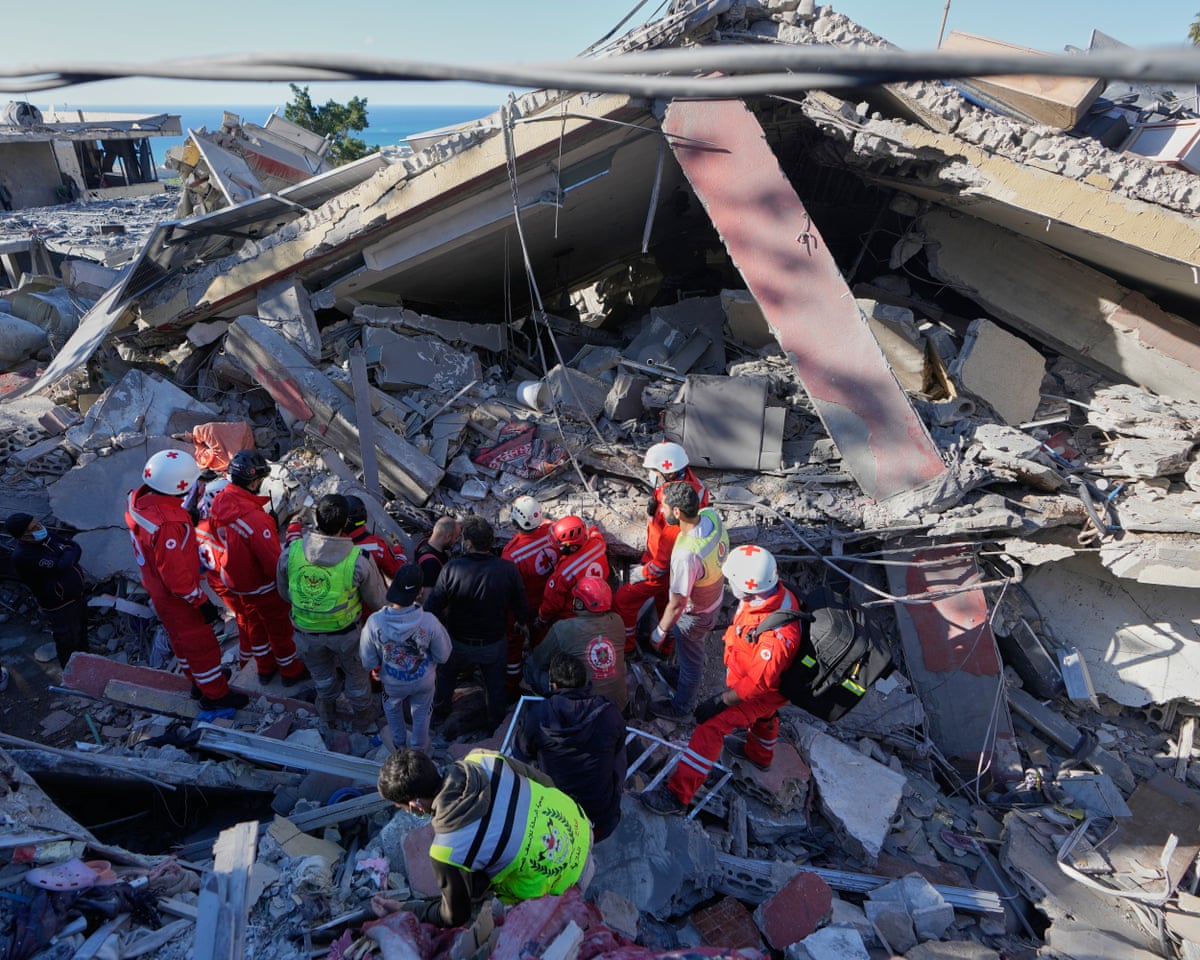
Iranian Attack Injures 32 in Bahrain Amid Renewed Gulf Strikes
Bahrain reported on Monday that an Iranian drone attack on the island of Sitra injured 32 people overnight, as Gulf countries experienced fresh assaults amid Tehran's ongoing retaliatory operations across the region.
According to a statement from Bahrain's health ministry, carried by the state news agency, all injured were Bahraini citizens, including four serious cases involving children.
The ministry detailed that among the wounded were a 17-year-old girl with severe head and eye injuries and a two-month-old infant.
Agence-France Presse reported that several explosions were heard in Doha, Qatar, on Monday, while Qatar, Saudi Arabia, and Kuwait each reported new attacks.
Qatar’s defence ministry stated that its forces intercepted a missile attack.
Saudi Arabia’s defence ministry confirmed the interception and destruction of two drones targeting the Shaybah oil field in the country's southeast.
Kuwait’s defence ministry indicated that its air defences were actively working to intercept missile and drone attacks on Monday.
Additionally, rocket and drone attacks targeted a US diplomatic facility near Baghdad International Airport, with defence systems reportedly intercepting the assaults, according to police sources.
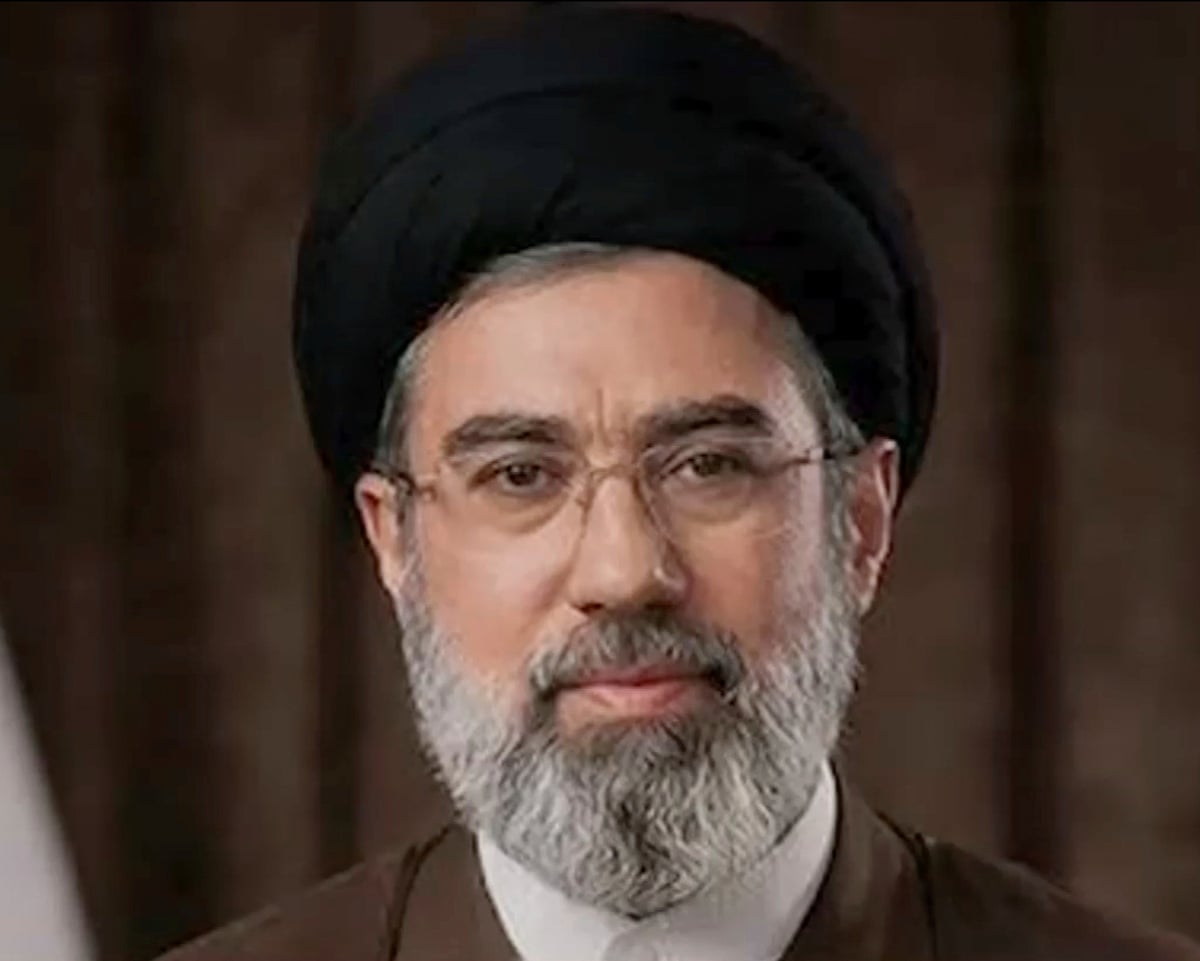
Who Is Iran’s New Supreme Leader Mojtaba Khamenei?
Mojtaba Khamenei, aged 56, has been selected as Iran’s new supreme leader following the death of his father, Ayatollah Ali Khamenei. He has not previously held elected office or senior government positions.
Khamenei has spent much of his life close to the center of Iranian power while largely remaining out of the public eye.
He is the second son of the late supreme leader, and Iran’s Assembly of Experts, an 88-member clerical body responsible for selecting the supreme leader, announced his appointment on Sunday, urging Iranians to unite behind him.
Former US President Donald Trump described Khamenei’s selection as "unacceptable" and warned that Iran’s next supreme leader would require US approval to maintain legitimacy.
Mojtaba Khamenei was born in 1969 in Mashhad, northeastern Iran, and was raised within the political and clerical environment established after the 1979 revolution.

He studied theology in Qom seminaries and reportedly participated in the final stages of the Iran-Iraq war.
Unlike many Iranian leaders, Khamenei has not pursued elected office or prominent government roles. Instead, he became an influential figure within his father’s office, managing political access to the supreme leader.
He has cultivated close ties with conservative clerics and the Islamic Revolutionary Guards Corps.
Khamenei’s name emerged publicly during the disputed 2009 presidential election, when reformist figures accused him of supporting the security crackdown following mass protests, though he has not publicly addressed succession issues.
An Iranian drone attack targeting Bahrain’s Sitra island overnight wounded 32 civilians, all Bahraini citizens, with four serious cases including children, according to Bahrain’s health ministry.
Australian Share Market Plummets Amid Oil Price Surge and Inflation Concerns
On Monday, Australian shares fell sharply, erasing approximately $130 billion from the ASX’s value by midday, as rising oil prices driven by the Middle East conflict raised fears of escalating global inflation.
The benchmark S&P/ASX 200 index dropped 4% during lunchtime trading, falling below the 8,500-point threshold, marking its largest single-day decline since a previous significant event.
This selloff is attributed to disruptions in oil supply, a key driver of global inflation, which increases costs across goods and services including fuel, groceries, utilities, and travel.
Global oil prices surged shortly before the Australian market opened for the week, unsettling investors.
Explosion Heard in Beirut’s Southern Suburbs
A loud explosion was reported in Beirut’s southern suburbs recently, with plumes of smoke observed rising from the area, according to an Agence-France Presse journalist.
The southern suburbs, a stronghold whose residents were ordered to evacuate by the Israeli military, have been heavily targeted by Israeli strikes over the past week but had not been hit since Saturday.
Reports indicate that the Israeli military has initiated a series of attacks in central Iran and has also targeted locations in Beirut.
Opening Summary
Welcome to our ongoing live coverage of the conflict in the Middle East.
Key developments include:
- Iran has appointed Mojtaba Khamenei as its new supreme leader following the death of Ayatollah Ali Khamenei in US-Israeli strikes, as announced by state media. The Assembly of Experts, comprising 88 senior clerics, selected him.
- Donald Trump warned that Iran’s new leader "is not going to last long" without US approval, stating in an ABC News interview:
"He’s going to have to get approval from us. If he doesn’t get approval from us he’s not going to last long. We want to make sure that we don’t have to go back every 10 years, when you don’t have a president like me that’s not going to do it."
- The conflict has pushed crude oil prices above $100 per barrel for the first time since 2022.
- Trump commented on the oil price surge caused by US-Israeli airstrikes on Iran, stating:
"Short term oil prices, which will drop rapidly when the destruction of the nuclear threat is over, is a very small price to pay for U.S.A., and World, Safety and Peace."
He added in capitals: "ONLY FOOLS WOULD THINK DIFFERENTLY."
- A US military service member has died from wounds sustained during Iran’s initial counter-attack a week ago, raising the total US military fatalities in the conflict to seven, according to the US military on Sunday.
- Lebanon’s health ministry reported that Israeli airstrikes in the past week have resulted in 394 deaths, including many women and children.
- The Iranian army stated on Sunday that at least 104 people were killed and 32 wounded in a US attack on an Iranian warship off Sri Lanka’s coast last week.
- The Israeli Defense Forces commenced extensive strikes targeting Iranian regime infrastructure in Tehran and other locations. Despite claims of targeting military or terror sites, many civilians have been killed.
- Overnight US and Israeli strikes hit five oil facilities near Tehran, which were damaged but fires were controlled, according to an Iranian official.
- An Iranian Revolutionary Guards spokesperson remarked on Sunday:
"If you can tolerate oil at more than $200 per barrel, continue this game."
- Iranian foreign ministry spokesperson Esmaeil Baghaei condemned the US-Israeli aerial bombardment of Iranian energy infrastructure as a "dangerous new phase" and a war crime.