
Ongoing Conflict in Lebanon Despite De-escalation Claims
Welcome to ’s ongoing coverage of the Middle East crisis.
Donald Trump has praised an agreement aimed at de-escalating the conflict in Lebanon, a war that has resulted in thousands of casualties and heightened tensions in the broader US-Israeli confrontation with Iran.
Trump stated that Hezbollah, through intermediaries, had committed to refraining from attacks on Israel, while Israeli Prime Minister Benjamin Netanyahu agreed to withdraw troops preparing to assault Beirut.
“Let’s see how long that lasts – Hopefully it will be for ETERNITY!” Trump wrote on his Truth Social platform.
According to Lebanon’s embassy in Washington, the agreement does not mark an end to the conflict within Lebanon. However, it stipulates that Israel will cease strikes on Beirut and its suburbs controlled by Hezbollah, while the Iran-aligned group would halt attacks on Israel.
Despite this agreement, hostilities in southern Lebanon—invaded by Israel in March—appear to continue. Early this morning, the Israeli military reported intercepting two projectiles that crossed from Lebanon into northern Israel, with no injuries reported.
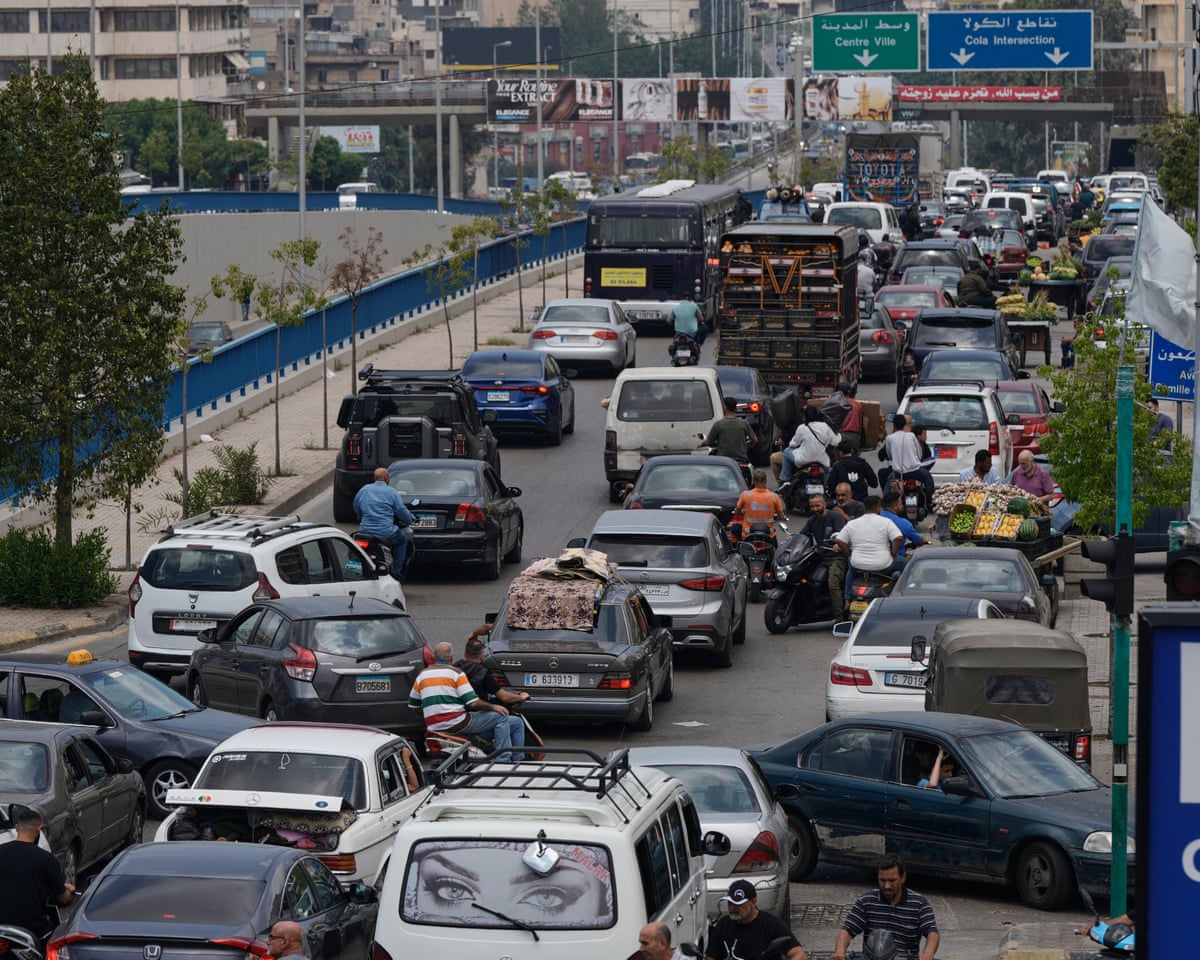
Following Trump’s announcement, Netanyahu declared that Israeli forces would continue military operations in southern Lebanon, where ground troops are advancing toward the Zahrani River, marking the deepest incursion into Lebanon in 25 years. His statement did not mention any new ceasefire.
Hezbollah lawmaker Hassan Fadlallah expressed support for a full ceasefire across all of Lebanon as a prerequisite for Israeli troop withdrawal but did not specify whether Hezbollah would cease its attacks on Israeli territory.
Lebanon announced plans to seek expansion of the ceasefire during talks with Israel in Washington scheduled for tomorrow. This could pave the way for renewed efforts to end the three-month-old war, which began with US and Israeli attacks on Hezbollah. Negotiations have been stalled for weeks under a fragile ceasefire, as parties have been unable to agree on a framework for peace talks.
Iran’s Revolutionary Guards (IRGC) issued a warning of opening “new fronts” and maintaining closure of the Strait of Hormuz in response to Israel’s offensive in Lebanon, according to state media. State television quoted the IRGC’s intelligence organization as saying,
“Iran considers crossing the red lines in Lebanon and Gaza to mean direct war.”
The existing ceasefire between Iran and the US is comprehensive, covering all fronts including Lebanon, Iran’s top diplomat stated yesterday after Netanyahu ordered attacks on Hezbollah-controlled southern suburbs of Beirut.
“Violation on one front is a violation of the ceasefire on all fronts. The US and Israel are responsible for the consequences of any violation,” foreign minister Abbas Araghchi wrote on X.
US Secretary of State Marco Rubio is scheduled to testify before House and Senate committees today for the first time since the Iran war began. He will address the State Department’s 2027 budget request and is expected to face questions regarding Trump’s war efforts and evolving diplomatic objectives.
Oil prices surged and stock markets declined as Middle East peace talks faltered and tensions escalated between Iran and the US. Crude futures rose more than 5% yesterday following an announcement by an Iranian news agency that Tehran had suspended negotiations with the US via mediators, AFP reported.
The US military reported intercepting two Iranian ballistic missiles targeting American forces stationed in Kuwait late Sunday. No American personnel were harmed.
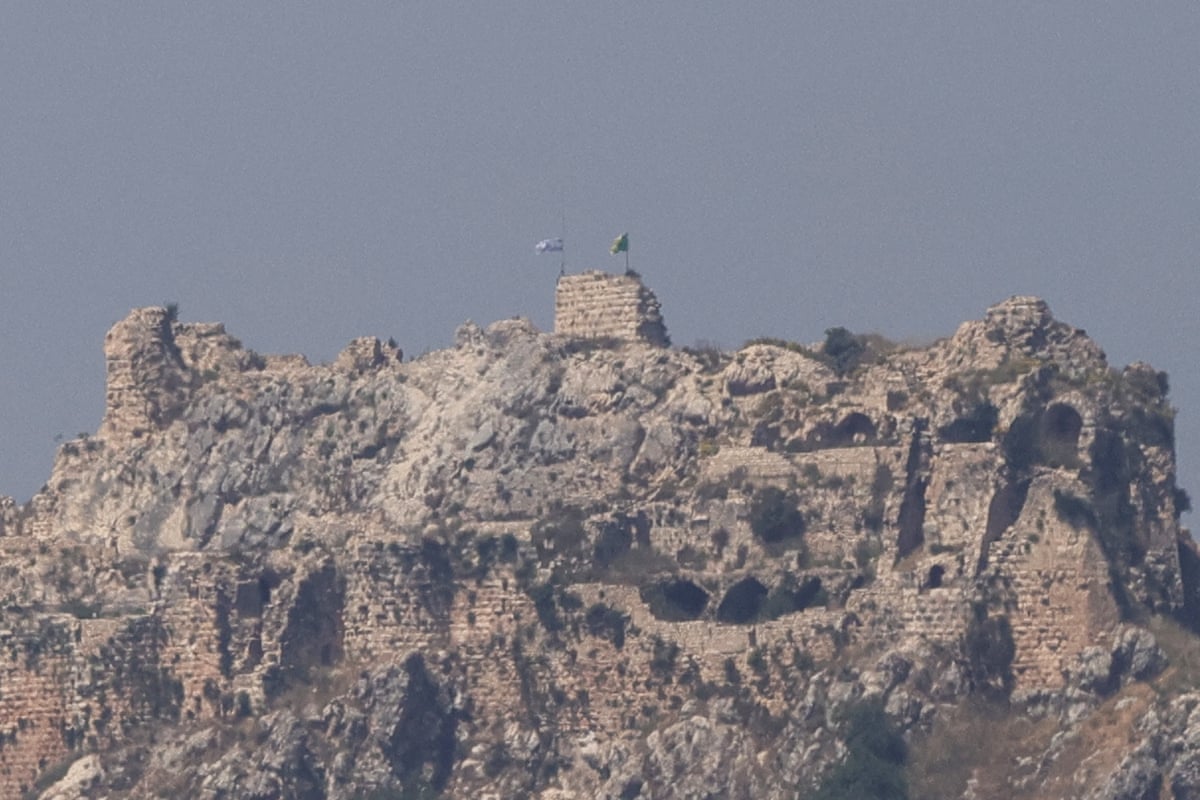
French Foreign Minister Jean-Noël Barrot condemned Israel’s occupation of parts of Lebanon, including a Crusades-era castle in southern Lebanon.
“Nothing can justify the continuation of military operations and Israel’s prolonged occupation deep inside Lebanese territory,” he told France TV.
“That is why we have, of course, called for a ceasefire: that Hezbollah cease attacking Israel, that Israel cease attacking Lebanon, and that this dialogue, which has begun for the first time in so long between the Israeli and Lebanese governments, can continue.”
A fourth round of US-hosted direct negotiations between Israel and Lebanon is scheduled to commence today.


