
Opening summary: Israeli troops capture strategic castle in Lebanon in deepest incursion into country in 26 years
Israeli forces have taken control of a mountain crowned by a Crusader-era castle in southern Lebanon, marking their deepest military penetration into the country in over 26 years.
The capture of Beaufort Castle, located near the city of Nabatiyeh, followed several days of intense combat and airstrikes in nearby villages, where Israeli troops engaged Hezbollah fighters in the rugged terrain.
The Israeli army’s Arabic spokesperson shared footage showing Israeli soldiers outside the castle, while Defense Minister Israel Katz confirmed that the Israeli flag had been raised over the fortress. Israeli forces had previously captured Beaufort Castle in 1982 and maintained control until their withdrawal from Lebanon in 2000.
“Forty-four years after the heroic Battle of Beaufort, and on this day commemorating the soldiers who fell in the First Lebanon War (1982), our troops have returned to the summit of Beaufort and once again raised the Israeli flag there,”
Katz stated on his Telegram channel.
The Israeli advance occurred despite a nominal ceasefire in effect since April and just days before the next round of talks scheduled at the US State Department on June 2 and 3.
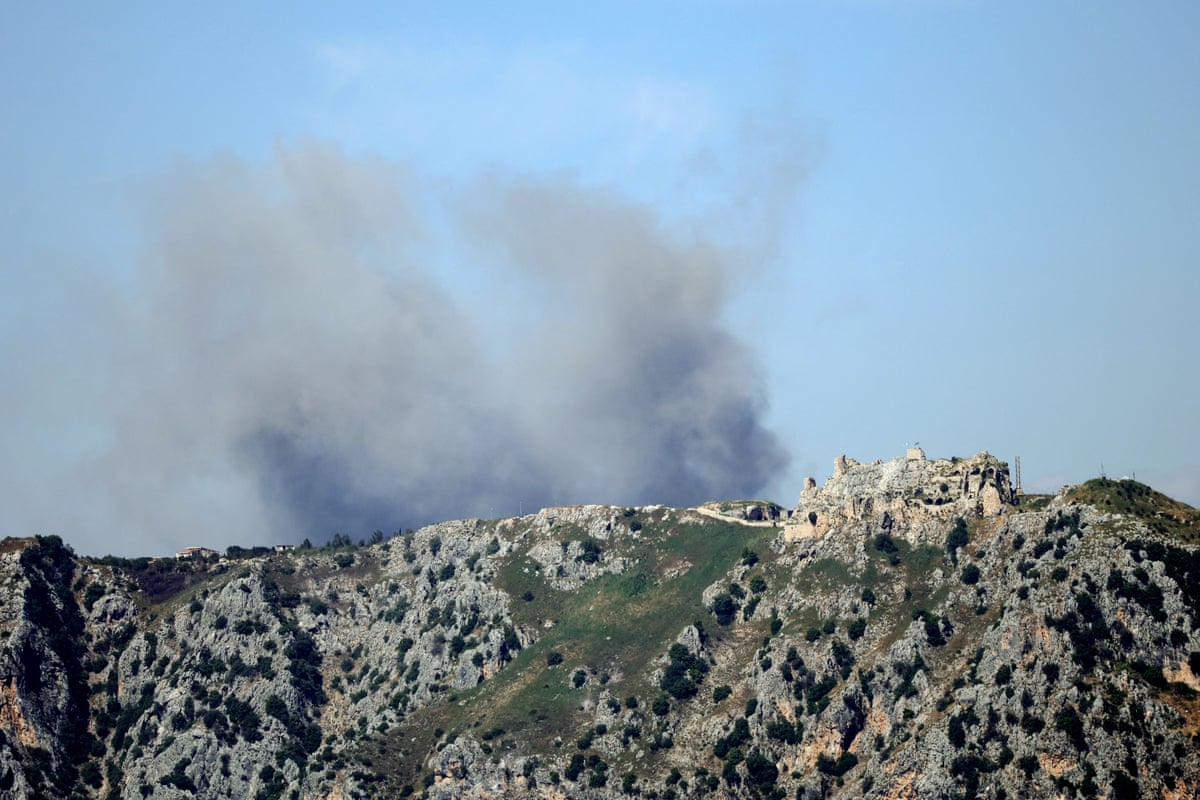
Recent developments in the Middle East crisis
Israel has broadened its military operations in Lebanon by deploying troops across the Litani River, which had previously functioned as a de facto boundary. The Israeli government has declared the area between the Litani and Zahrani Rivers a combat zone. While some residents have evacuated due to heavy strikes in recent days, many towns in the region remain inhabited.
Hezbollah reported two attacks overnight targeting Israeli forces and a Merkava tank in Bayada, a southwestern town near the border. In recent days, the group has engaged Israeli troops in multiple towns north of the Litani River near Nabatiyeh and Beaufort Castle.
The Lebanese Health Ministry reported that since March, 3,371 people have died in the country, including both civilians and combatants. On Sunday, the Israeli army announced that one soldier was killed the previous day by a Hezbollah explosive drone in southern Lebanon, raising Israeli military fatalities to 25 since early March.
US President Donald Trump stated that he secured assurances from Iran that it would not develop nuclear weapons, amid reports that he had submitted a tougher peace proposal to Tehran. Trump emphasized that his priorities for any agreement include preventing Iran’s nuclear weapons development and reopening the blockaded Strait of Hormuz.
Israeli Prime Minister Benjamin Netanyahu announced orders for the Israeli army to seize control of 70% of the Gaza Strip, a move that threatens to undermine an already fragile ceasefire and could create catastrophic humanitarian conditions in the territory.
Lebanon’s Prime Minister Nawaf Salam accused Israel on Saturday of implementing a “scorched-earth policy and collective punishment” in southern Lebanon, calling for an end to hostilities and warning that Israel was “destroying towns and villages, and forcing their inhabitants into exile,” according to AFP reports.
Military delegations from Israel and Lebanon conducted security talks in Washington on Friday, with additional US-mediated negotiations planned for the following week. Hezbollah strongly opposes direct negotiations.
Salam acknowledged that the outcome of the talks was “not guaranteed,” but described them as “the least costly path for our country and our people.”
A ceasefire between Israel and Hezbollah, initiated on April 17, has not been upheld. Both parties accuse each other daily of violations and justify their respective attacks based on alleged breaches.
A US statement following Friday’s Israel-Lebanon talks did not mention the ceasefire but described the “productive military-to-military discussions” as informing the upcoming political meeting.
Historical and strategic significance of Beaufort Castle
Following the 2024 conflict between Israel and Hezbollah, Beaufort Castle and other sites were designated to receive the highest level of immunity against attack and military use, according to a press release issued at the time. Non-compliance with these protections would constitute serious violations of the 1954 Hague Convention and could lead to prosecution.
Recent footage and images have shown military activity in and around the approximately 900-year-old castle.
Israel has previously faced criticism for military strikes near Baalbek’s UNESCO-designated Roman ruins in eastern Lebanon, as well as near archaeological sites in Tyre, located in the south.
Israeli leadership visits and military escalation
Israeli Prime Minister Benjamin Netanyahu visited troops stationed along Israel’s northern border, accompanied by Defense Minister Israel Katz, as Israel escalates its offensive in southern Lebanon.
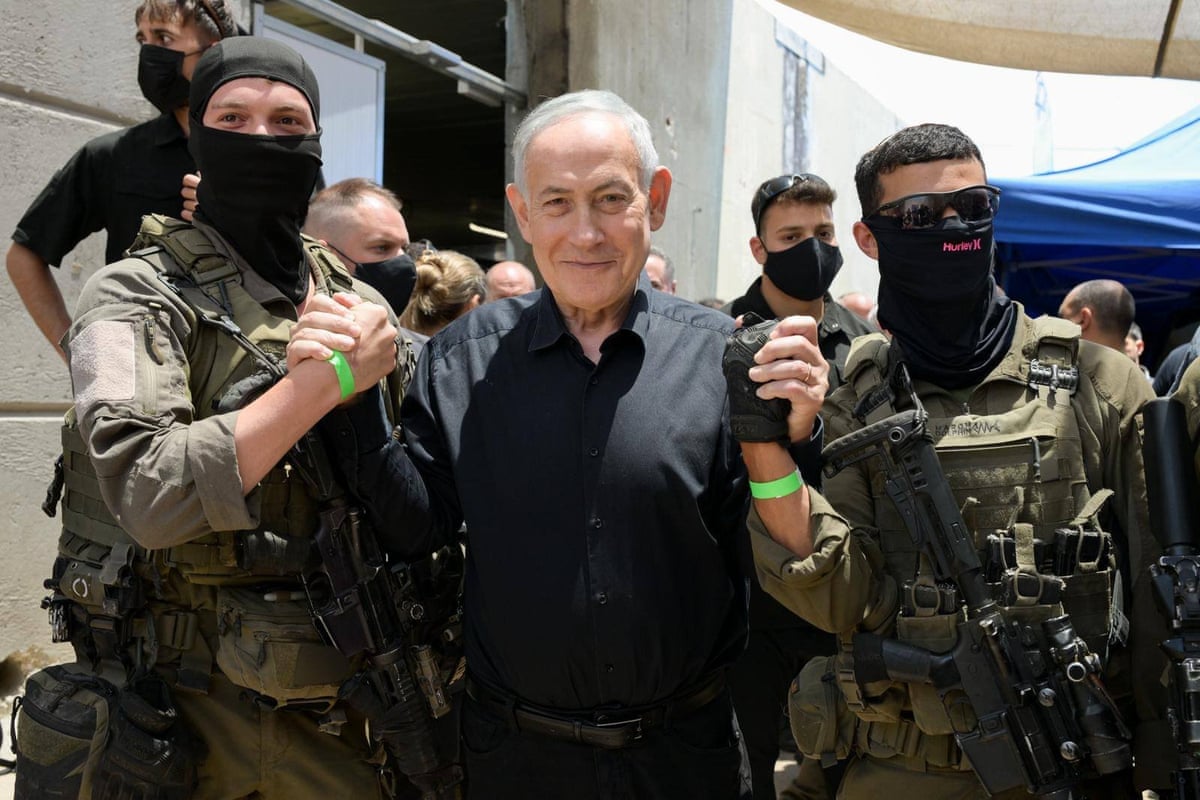
During the visit on Friday, Netanyahu and Katz received briefings on military operations and met with field brigade commanders.
The capture of Beaufort Castle follows one of the heaviest days of Hezbollah rocket fire toward northern Israel since the April ceasefire, prompting school closures and restrictions on Saturday, reported.
The advance has provided Israeli forces with a vantage point overlooking much of southern Lebanon and northern Israel, from which attacks have been launched toward Israeli residential areas.
The Israeli military stated that Hezbollah “carried out numerous attacks” from the ridge, and that Israeli troops are targeting launch infrastructure in the area, from which “hundreds of projectiles were launched toward Israeli civilians and IDF soldiers.”
Israeli forces are also operating near Nabatiyeh, a major Hezbollah stronghold in southern Lebanon, the military added.
Footage showed the Israeli flag flying above the Beaufort Castle citadel, with audible shelling and smoke rising from the surrounding region.
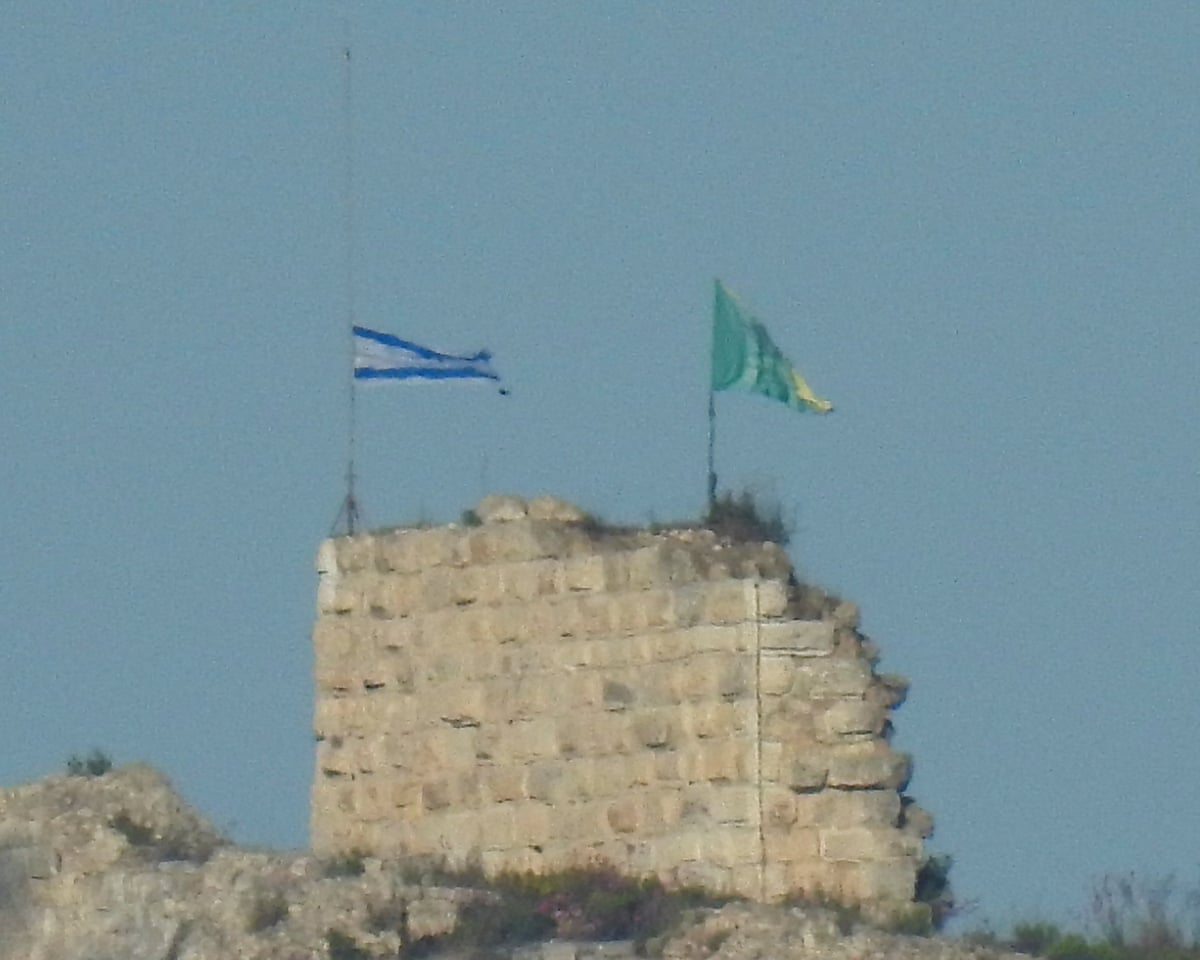
The fortress commands extensive views of southern Lebanon, making it a position of considerable strategic importance. The Crusader fortress dates back to the 1100s and changed hands multiple times between Crusaders and Islamic forces before being captured by Sultan Baibars in 1268. It has played a significant role in previous conflicts between Israel and Lebanon, making it one of the few medieval fortresses to retain military value in modern warfare.
Israeli forces originally captured the castle, also known as Qalaat al-Shakif, in 1982 and used it as a base during their nearly two-decade occupation of southern Lebanon, which ended in 2000.


