Iran Attributes Ceasefire Breaches to US Influence
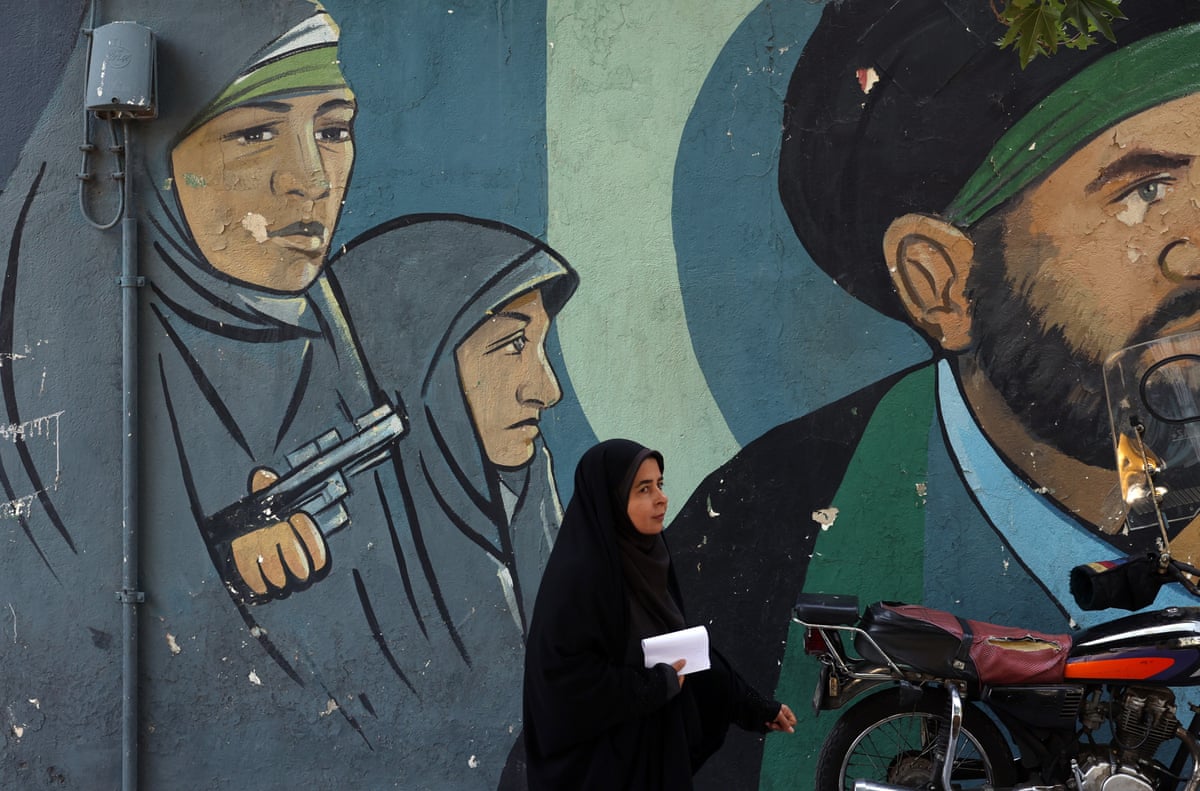
Iran’s foreign ministry spokesperson, Esmail Baghaei, stated that the United States bears direct responsibility for recent violations of the ceasefire, emphasizing that Israel’s military actions cannot be separated from US policies.
“The actions of the Zionist entity within the region cannot be looked at in isolation from the United States,” Baghaei said at a press conference.
“No one believes that the Israeli regime would take any action without coordination with the United States,” he added. “The United States bears responsibility for the Israeli regime’s aggression, and it will also be responsible for the consequences of any escalation in tensions.”
On Sunday, Israel launched strikes on Beirut’s southern suburbs, which Tehran considered a violation of the US-Iran ceasefire. Israel stated that it targeted infrastructure following rocket fire from the Iranian-backed Lebanese militant group into northern Israel. Lebanon’s state news agency reported that the Israeli attack struck two apartments in separate buildings, resulting in two fatalities.
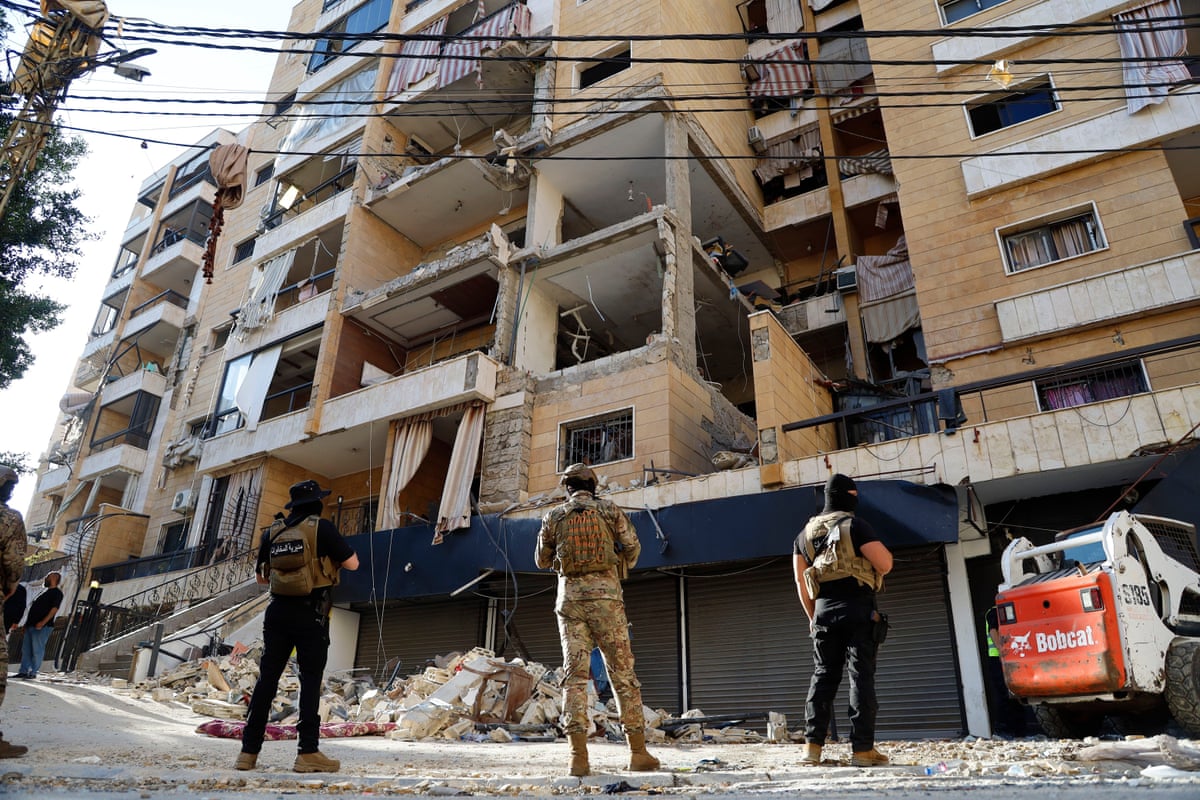
In response, Iran launched missiles at Israel on Sunday, leading to renewed exchanges of fire between the two countries on Monday.
This escalation occurred despite reports that US President Donald Trump advised Israeli Prime Minister Benjamin Netanyahu to avoid attacks on Iran. Netanyahu has shown no indication of ceasing military actions in Lebanon, complicating US efforts to negotiate an end to the conflict with Tehran, which insists that hostilities must cease on all fronts.
Explosions Reported in Tehran Amid Military Actions
Reports emerged of explosions in Tehran, though details remain limited. Updates will follow as more information becomes available.
The Israel Defense Forces (IDF) announced on X that dozens of fighter jets conducted an extensive strike on strategic defense systems. Iran has not officially commented on this claim.
Diplomatic efforts continue amid growing regional concern over the deteriorating US-Iran ceasefire. Qatar’s Prime Minister and Foreign Minister, Sheikh Mohammed bin Abdulrahman bin Jassim al-Thani, spoke with Iranian Foreign Minister Abbas Araghchi to discuss US-Iran mediation and recent developments.
Iranian media reported no immediate casualties following apparent Israeli strikes on the Karun petrochemical plant in Mahshahr, located in Iran’s southwestern Khuzestan province.
The Fars news agency cited Iran’s Revolutionary Guards as stating they retaliated against what they described as an American-Israeli strike on the petrochemical site by launching a missile attack on a similar facility in Haifa, northern Israel.
“We warn you; by taking action against civilian targets and targeting oil industries, the Zionist enemy has started a dangerous game, the scope of which will encompass all energy targets in the region, and its consequences for the global economy are the responsibility of the main arsonist in this field, the United States,” the IRGC said.
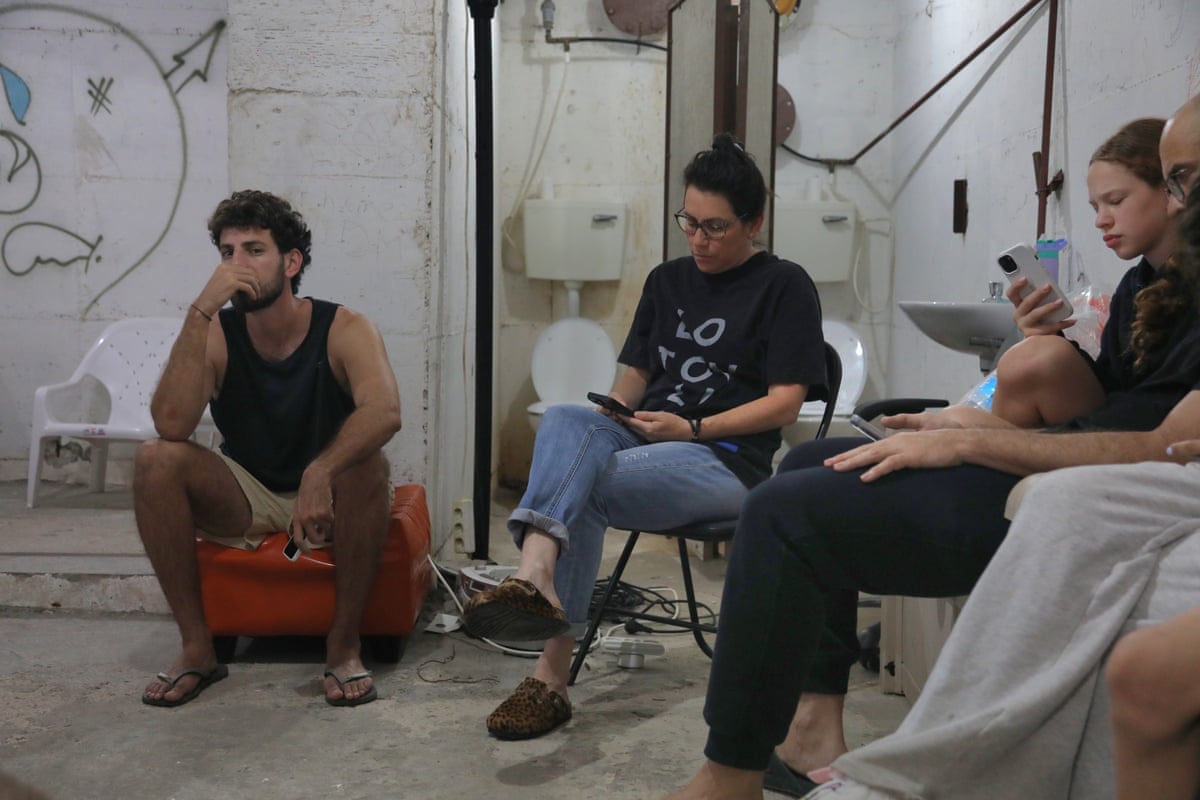
Israel’s ambulance service, Magen David Adom, reported no known casualties from the latest Iranian missile attacks after sirens sounded across northern and central Israel.
“At this stage, no casualties are known. MDA medics and paramedics went out to scan the scene where a report was received. Update later if necessary,” an MDA spokesperson said.
Following the missile exchanges, oil prices rose, with Brent crude increasing by over 3%. The business live blog tracks market reactions to the strikes.
Israeli Military Detects New Missile Barrage from Iran
On Monday, the Israeli military reported detecting a new missile barrage launched from Iran, marking the sixth salvo since the recent escalation began.
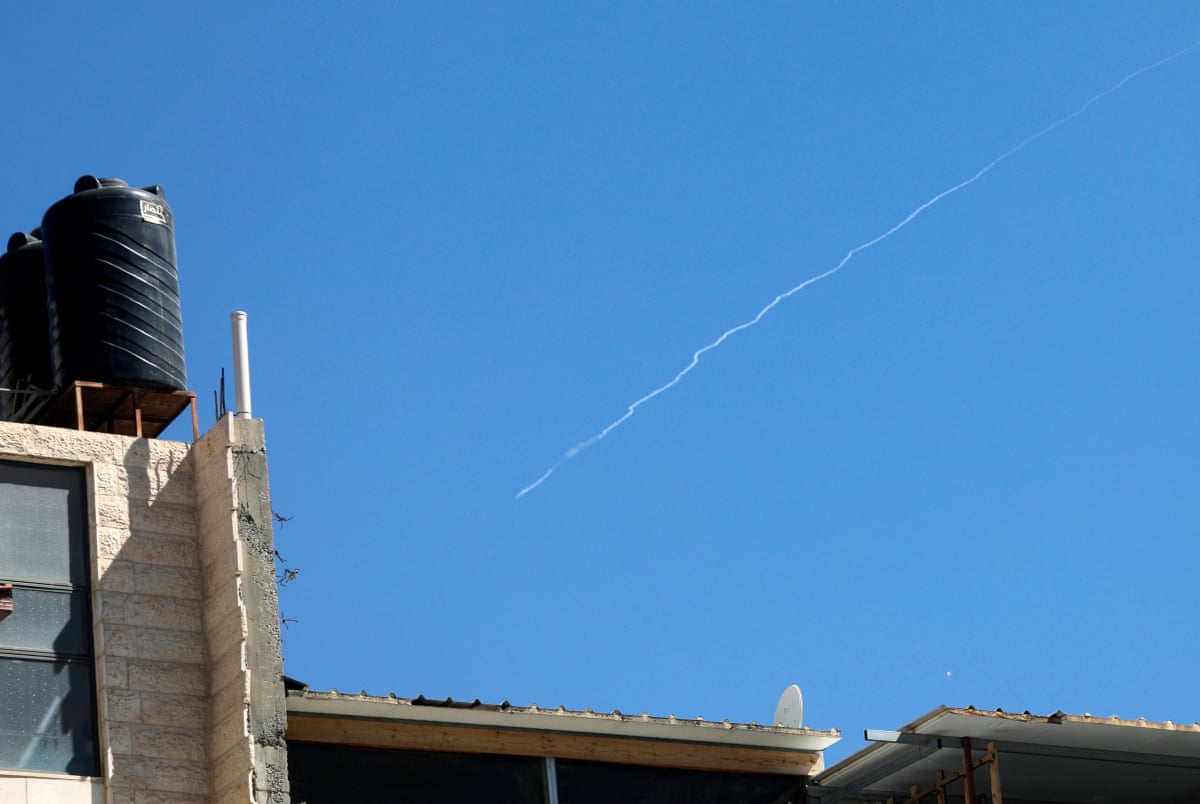
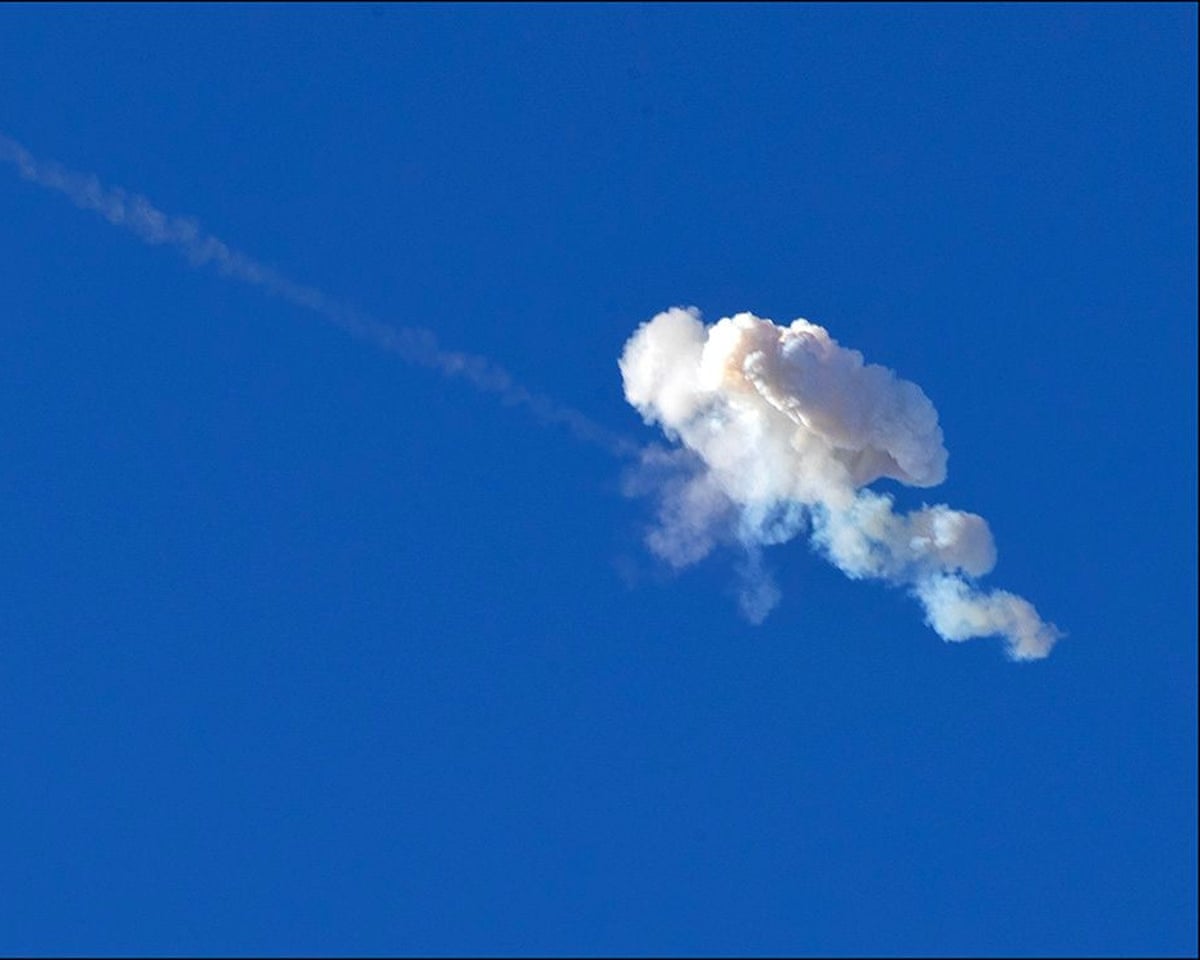
“A short while ago, the IDF identified missiles launched from towards the territory of the State of Israel. Defensive systems are operating to intercept the threat,” the military stated.
Houthis Confirm Attack on Israel and Ban Israeli Shipping in Red Sea
The Houthi movement in Yemen announced its entry into the conflict for the first time since the April 8 ceasefire. The group fired missiles towards Jaffa, Israel, and declared a ban on Israeli-affiliated commercial shipping in the Red Sea, a move likely to unsettle maritime traffic.
Iranian officials had earlier indicated that the Houthi leadership was considering reinstating a blockade of the Bab al-Mandab strait against Israeli shipping.
In a statement, Yemen’s Houthi leadership, also known as Ansar Allah, declared:
“We declare a complete and absolute ban on maritime navigation for the Israeli enemy in the Red Sea and believe that any enemy movement from the moment this statement is announced will be a military target for our armed forces.
We will respond to escalation with escalation, and our military operations will be increasingly coordinated with events, battles, and participation in the axis of jihad and resistance.”
The Houthis have previously been reluctant to engage directly in the US-Iran conflict, preferring negotiations with Saudi Arabia aimed at Yemeni reunification.
Aliakbar Velayati, adviser to Iran’s Supreme Leader Mojtaba Khamenei, warned:
“Today’s security of the Ban al-Mandab strait should not cause the enemy to make a miscalculation; the resistance rings have the power to close both waterways.
The choice is yours; stop the folly or enter into a regulated balance of the two straits.”
The joint closure of the Strait of Hormuz and Bab al-Mandab could disrupt the flow of East-West commercial naval traffic.
Iranian officials confirmed that Israeli strikes hit the Karun Petrochemical Company in the Petrochemical Special Economic Zone but reported no casualties. The extent of damage and potential injuries remain under investigation.
Throughout the night, Iranian Foreign Minister Abbas Araghchi engaged with international counterparts, including UK Foreign Minister Yvette Cooper, Turkish Foreign Minister Hakan Fidan, and Saudi Foreign Minister, to explain Iran’s decision to resume attacks on Israel.
Iranian state media reported that Tehran’s Mehrabad airport suspended all flights until further notice.

Israel and Iran continued exchanging fire on Monday, with a missile reportedly targeting a Saudi Arabian site housing a US military base. This represents the most serious escalation since the ceasefire began two months ago, raising concerns about a broader regional conflict.
Yemen's Houthis Claim Missile Attack on Israel
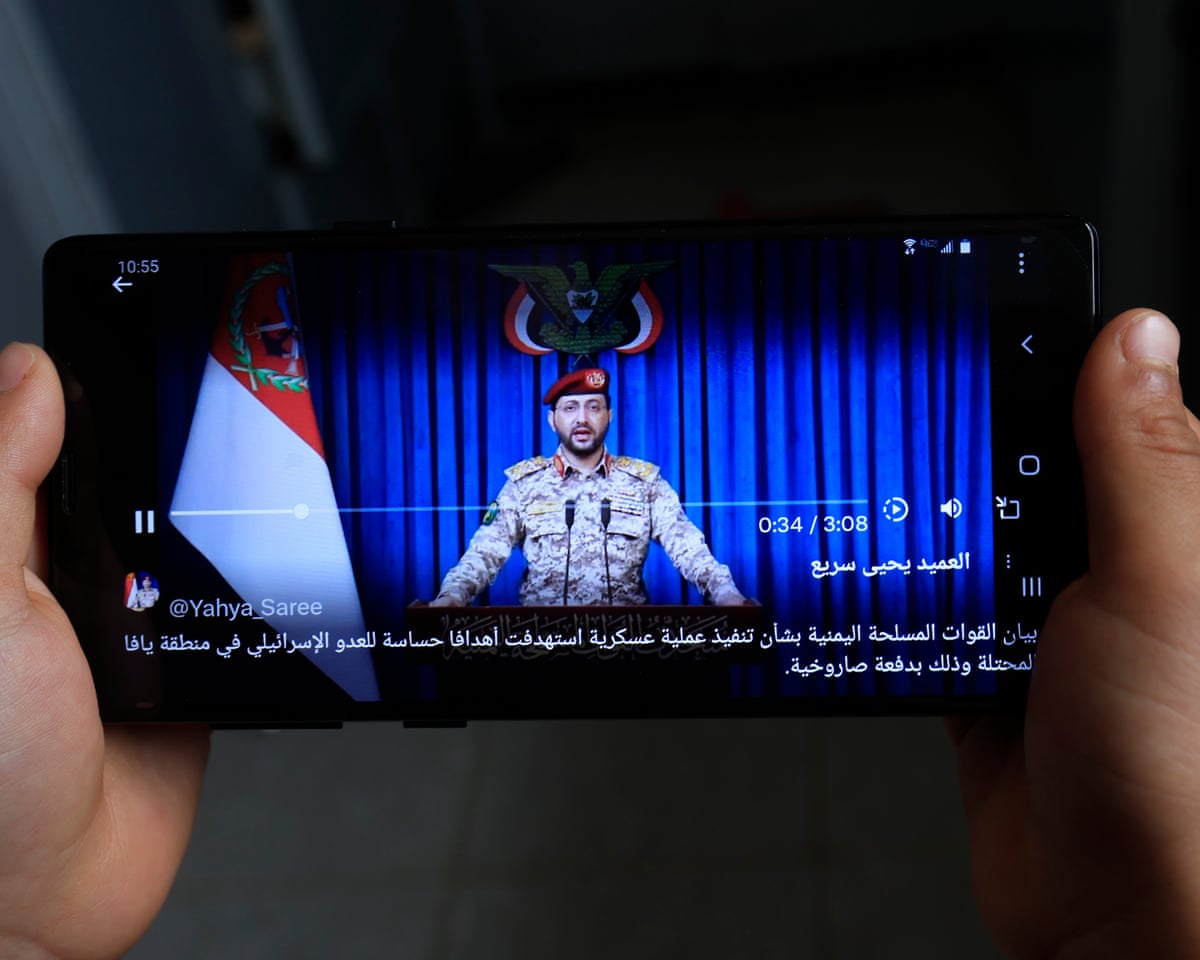
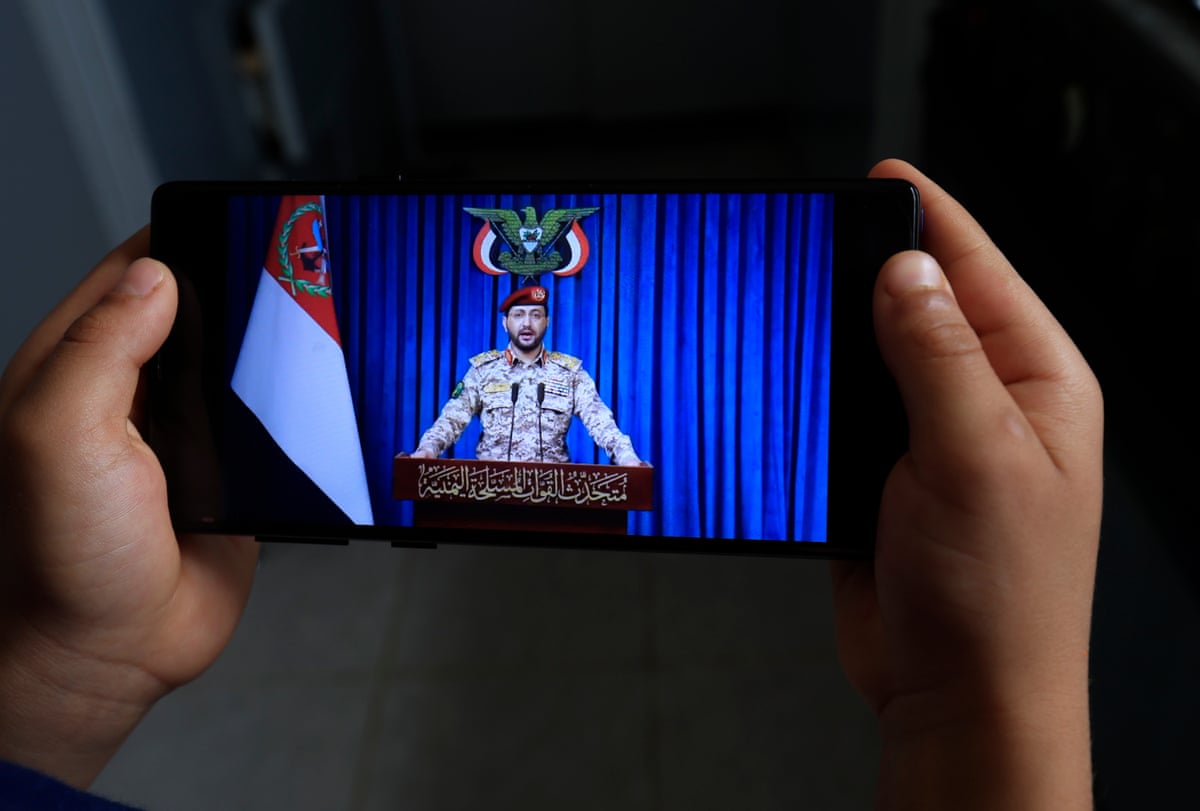
Yemen’s Iran-aligned Houthi rebels claimed responsibility for a missile attack on Israel and reiterated that Israel-affiliated vessels would be targeted in the Red Sea, according to the Associated Press.
The statement from Brigadier General Yahya Saree was broadcast on the Houthis’ al-Masirah satellite news channel on Monday.
This development marks a new escalation as the nominal ceasefire in the region faces challenges from crossfire between Israel and Iran.
The Houthi threat to target vessels again endangers the Red Sea, Gulf of Aden, and the Bab el-Mandeb Strait, critical maritime routes.
During the Israel-Hamas conflict in Gaza, the Houthis killed at least nine mariners and sank four ships in over 100 attacks, severely disrupting shipping in the Red Sea, through which approximately $1 trillion of goods passed annually before the war.
The European Union’s top diplomat called for calm following the exchange of strikes between Iran and Israel, warning that the fragile truce is at risk of collapse and the region could be drawn back into war.
“Overnight, we have seen escalation again,” Kaja Kallas said on Monday.
“I think the region does not need an escalation, but actually that parties sit down to a negotiation table and agree.”
Opening Summary
Welcome to our live coverage of the Middle East crisis.
Israel launched airstrikes early Monday targeting central and western Iran in response to missile fire from Tehran, threatening to escalate the conflict into a wider regional war.
Iranian state television reported explosions in Isfahan, Karaj, Tabriz, and Tehran. A witness in Tehran described hearing a large blast west of the capital.
Following the Israeli attack, Iran closed airspace around Tehran’s Imam Khomeini International Airport, the country’s main airfield.
Later on Monday, multiple explosions were heard over Jerusalem as Israel announced a new wave of incoming Iranian missiles. The Israeli military confirmed missile launches from Iran and said defensive systems were intercepting the threats.
Iran’s paramilitary Revolutionary Guards stated that Israel used air-launched ballistic missiles in its attack.
At dawn, the Israeli military issued a brief statement confirming strikes on military targets belonging to the Iranian regime in western and central Iran without providing further details.
US officials reported that President Donald Trump spoke with Prime Minister Netanyahu, urging restraint in retaliation for Iran’s missile launches, which disrupted the ceasefire established in April.
Iran’s missile attacks appeared to be retaliation for Israeli strikes on Beirut’s Dahiyeh southern suburb targeting infrastructure despite the truce with Lebanon. The Lebanon health ministry reported two deaths and 20 injuries in Beirut.
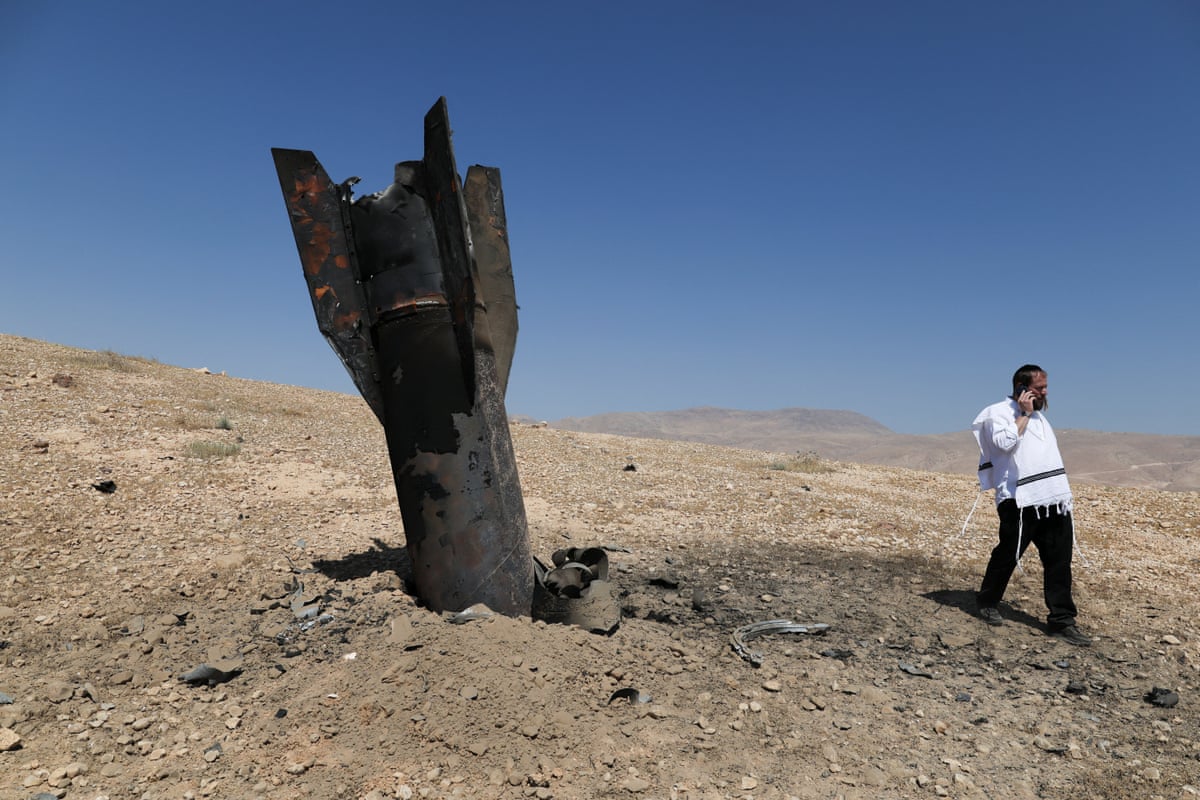
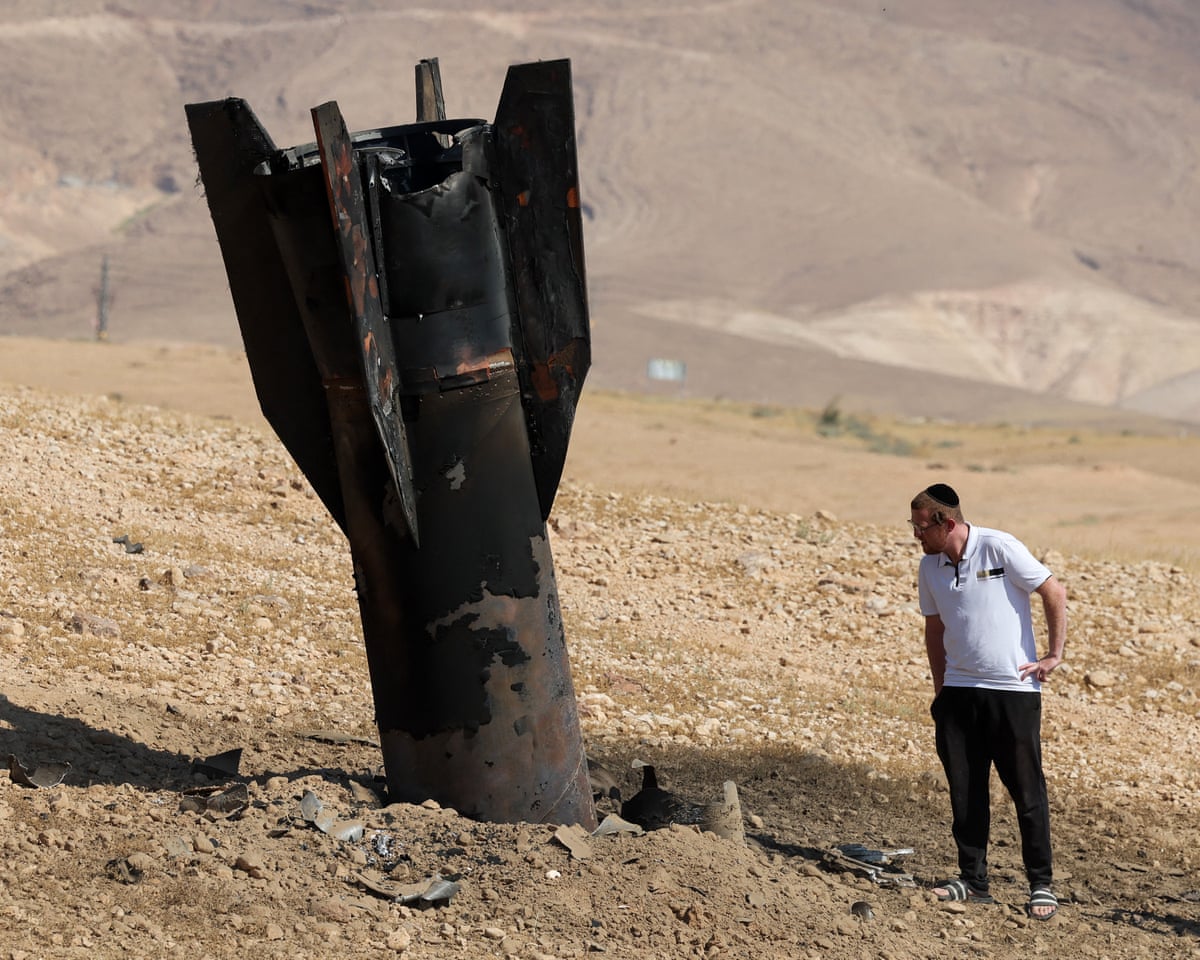
The Israeli military said a missile launched from Yemen towards Israeli territory on Monday was intercepted by aerial defense systems. Israeli rescue services reported no casualties or damage.
Oil prices surged more than 3% after Iran’s missile strikes, with Brent crude rising to $96.15 per barrel in early trading on Monday.
This barrage marked Iran’s first missile attack since the ceasefire took effect in early April. Iran’s parliament speaker, Mohammad-Bagher Ghalibaf, declared US bases and assets in the region as “legitimate targets.”
Iran’s ambassador to Moscow, Kazem Jalali, told Russian media that the Strait of Hormuz would remain open under new conditions set by Iran and Oman, including a transit fee—a position opposed by President Trump.
According to the Financial Times, Trump stated that Netanyahu would have no choice but to accept any deal the US negotiates with Iran, asserting,
“He won’t have any choice. I call the shots. I call all the shots. He [Netanyahu] doesn’t call the shots.”