Ceasefire Declared After First Exchange of Fire Since April
Iran and Israel have announced a halt to attacks against each other following their first exchange of fire since the truce established in April.
The Iranian armed forces stated they ceased operations after delivering a "painful response" to Israel and cautioned that any further attacks, including those in Lebanon where Israeli forces are engaged with the Iran-backed Hezbollah, would provoke a harsher retaliation.
Israeli Prime Minister Benjamin Netanyahu indicated that Israel was holding fire "at the moment" but would respond forcefully to any future aggression.
Sequence of Attacks and Retaliations
Iran launched approximately 30 missiles targeting Israel in retaliation for an Israeli strike in Beirut on Sunday. In response, Israel conducted two waves of air strikes against targets in Iran.
An Israeli official revealed that Israel halted its strikes following a request from US President Donald Trump, who had contacted Netanyahu to discuss the escalating crisis. The White House confirmed the call.
"Israel and Iran... are looking to do an immediate CEASEFIRE! Final negotiations on 'Peace' are proceeding, subject to ignorance or stupidity getting in its way," Trump wrote on Truth Social.
Trump publicly urged both nations to "immediately stop 'shooting'" to avoid jeopardizing ongoing negotiations between Washington and Tehran aimed at ending the regional conflict.
Background of the Conflict
The war began on 28 February when Israel and the US launched a joint attack on Iran, killing Supreme Leader Ayatollah Ali Khamenei and several senior officials. Hostilities quickly spread across the Middle East, with Iran retaliating by launching missiles and drones at Israel and Gulf Arab states hosting US military facilities. Iran also effectively blocked the strategic Strait of Hormuz, causing oil prices to surge.
Pakistan brokered a ceasefire that commenced on 7 April to facilitate negotiations on a comprehensive peace deal. Despite this, sporadic US air strikes on Iran and Iranian drone and missile attacks on neighboring states have continued.
Lebanon's Involvement and Hezbollah's Role
Lebanon became involved in the conflict on 2 March when Hezbollah launched rockets into Israel in retaliation for Khamenei's assassination. Israel responded with air strikes across Lebanon and a ground invasion of a significant portion of southern Lebanon.
The fighting persisted even after a US-brokered ceasefire agreement between Israel and Lebanon on 16 April. Recently, the US has urged Israel to scale back its campaign to allow for a broader deal with Iran, which has insisted that any agreement also address the conflict in Lebanon.
Although Israel maintains that its war against Hezbollah is separate, it has limited its strikes in Beirut's southern suburbs, known as Dahieh, a Hezbollah stronghold.
Last Wednesday, Israel and Lebanon agreed to renew their ceasefire and establish several "pilot" security zones within Lebanon where Hezbollah operatives would be banned. However, Hezbollah rejected the agreement, demanding a full Israeli withdrawal. Israel stated it would continue military operations in southern Lebanon and threatened to strike Beirut if Hezbollah persisted in attacking northern Israeli communities.
Recent Hostilities and Military Actions
On Sunday morning, the Israel Defense Forces (IDF) reported intercepting two projectiles launched from Lebanon into Israeli territory. Hezbollah claimed these targeted Israeli artillery and troops near the border.
Hours later, the IDF announced it had struck a Hezbollah command center in Dahieh. Lebanon's health ministry reported two fatalities and 20 injuries from the strike.
Late Sunday, Iran's top military commander accused Israel of "crossing all red lines" with the Beirut strike and warned of a "devastating" response. Shortly after, the Islamic Revolution Guard Corps (IRGC) launched ballistic missiles at northern Israel, including the Ramat David airbase near Nazareth.
"Tonight's operation was a warning. If aggressions are repeated, the responses will be broader," the IRGC warned.
The IDF stated that two barrages of missiles were detected and intercepted.
Iran's parliamentary speaker and chief negotiator, Mohammad Bagher Ghalibaf, wrote on X that Israeli and US assets were "legitimate targets" due to hostile acts, including "violation of agreements over Lebanon."
Israeli Retaliation and US Involvement
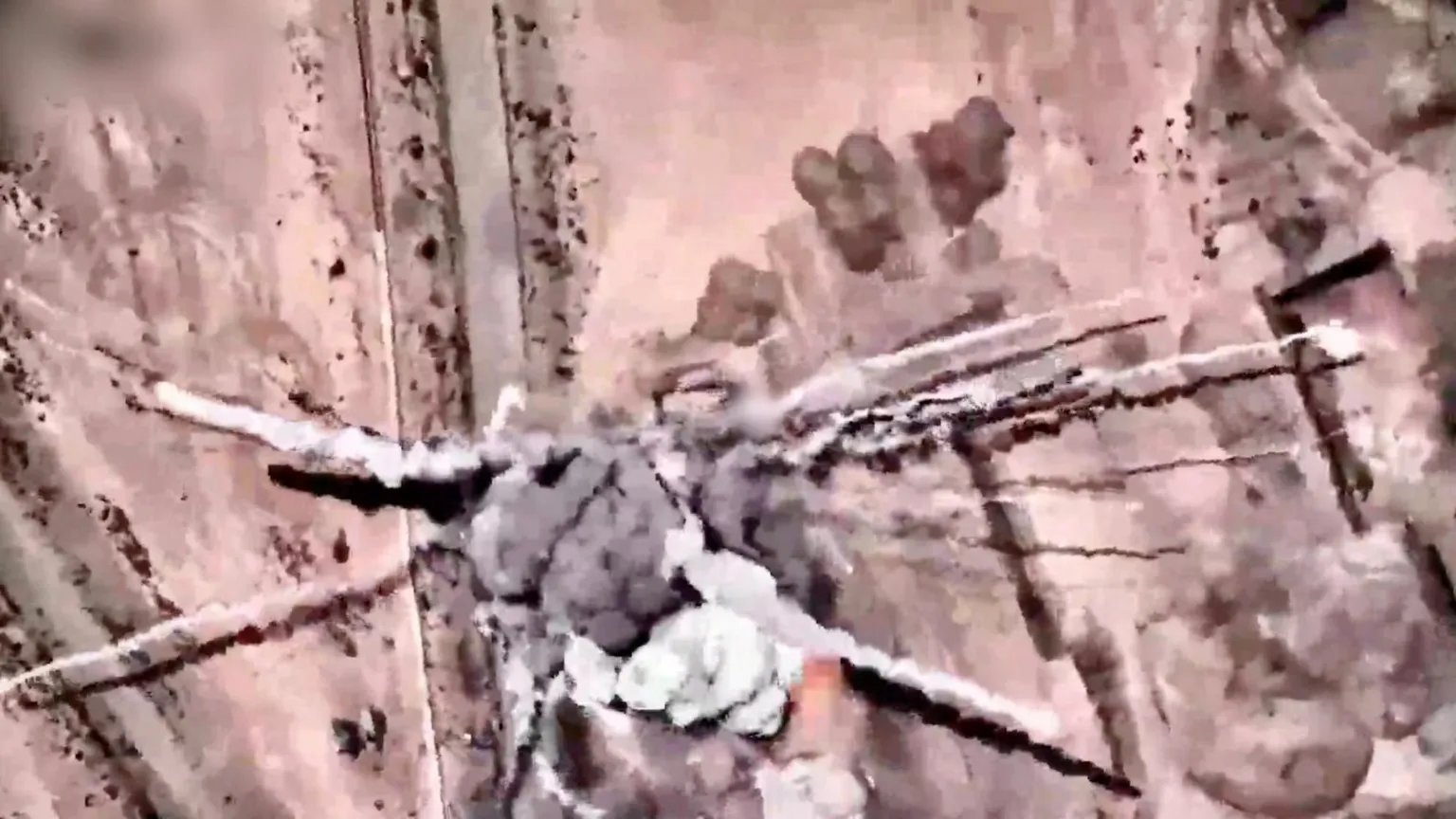
In the early hours of Monday, the IDF reported that dozens of its aircraft struck military targets in western and central Iran in retaliation. The targets were identified as aerial defense systems deployed since the ceasefire began.
Iranian state media reported explosions in Tehran, Isfahan, Najafabad, and Tabriz.

"The Iranian terror regime once again chose terrorism and is attempting to create a new equation," IDF spokesman Brig Gen Effie Defrin said on Monday.
According to the US news outlet Axios, the Israeli strikes were carried out despite Prime Minister Netanyahu being advised not to retaliate by President Trump, who was reportedly frustrated that his warnings against attacking Beirut had been ignored.
Axios cited a senior US official stating that Trump told Netanyahu to hold off striking Iran because "we are close to doing something good in terms of a deal." Earlier, Trump told the Financial Times that Netanyahu would have to accept any deal the US secures with Iran, asserting, "I call all the shots. He doesn't call the shots."
The Israeli ambassador to the US, Yechiel Leiter, wrote on X:
"No self-respecting country in the world would tolerate such an attack, and neither will Israel."
Further Missile Launches and Damage
On Monday morning, Iran launched additional missiles targeting Jerusalem and central and southern Israel, according to Israeli authorities.
Israeli media reported damage to four buildings in an outpost near the Israeli settlement of Itamar in the northern occupied West Bank due to missile interceptions. No casualties were reported.
The IDF announced a second wave of air strikes targeting a petrochemical complex in the southwestern Iranian city of Mahshahr. An Israeli military official stated that the complex produced chemicals used for ballistic missiles.
Iranian media reported damage to parts of the Karun Petrochemical Company's plant.
Iran's Emergency Organisation chief, Jafar Miadfar, told Tasnim news agency that the strikes injured 14 people in Mahshahr and one in Tehran.
Yemen's Houthis, allies of Iran, announced a missile attack on Israel on Monday and declared a "total ban on Israeli maritime navigation" in the Red Sea.
An Israeli military official said two launches from Yemen were detected, with one missile falling short before reaching Israel. The Houthis joined the regional conflict in support of Iran in March but had not claimed missile attacks on Israel since the ceasefire began.
Ceasefire Announced by Iran and Israel
On Monday afternoon, Iran's armed forces declared a halt to military operations against Israel after delivering what they described as a "painful response" to the Beirut strike.
The Khatam ol-Anbiya Central Headquarters warned Israel that if its "aggression and malice" continued in Lebanon, including in the south, Iran's response would be "much harsher and more destructive" than before.
After several hours, Israeli Prime Minister Netanyahu confirmed that Israel was also halting its attacks on Iran.
"At the moment, we are holding our fire, because after we struck the terror regime in Tehran, it ceased attacking us," Netanyahu said in a televised statement.
He emphasized that the struggle against Iran and Hezbollah was "not finished" and vowed that they would not be allowed to attack Israel without consequences.
"In the event that the terror regime in Iran makes the mistake of resuming attacks on us, we will respond with overwhelming force."
Casualties and Impact of the Conflict
According to Iran's Martyrs Foundation, at least 3,468 people have been killed in Iran during the war. The Iran Human Rights Activists News Agency (HRANA) estimates the death toll from US and Israeli attacks at 3,636, including 1,701 civilians.
Lebanon's health ministry reports that 3,613 people have been killed in Israeli attacks on Lebanon, though the figures do not distinguish between combatants and civilians.
Israeli authorities state that 20 civilians have been killed in Iranian missile attacks in Israel, while four Palestinians have died in the occupied West Bank. Thirty Israeli soldiers and four civilians have been killed on both sides of the Israel-Lebanon border during fighting with Hezbollah.
Additionally, 29 people have died in Iranian attacks on Bahrain, Kuwait, Qatar, Saudi Arabia, and the United Arab Emirates, according to local authorities.
Thirteen US service members have been killed, seven of them in Iranian attacks in the Gulf.