

Cluster Bomb Strike in Central Israel Kills Elderly Couple
Late at night, an Iranian cluster bomb penetrated the ceiling of an elderly couple's apartment in central Israel, detonating in their small living room and killing both occupants.
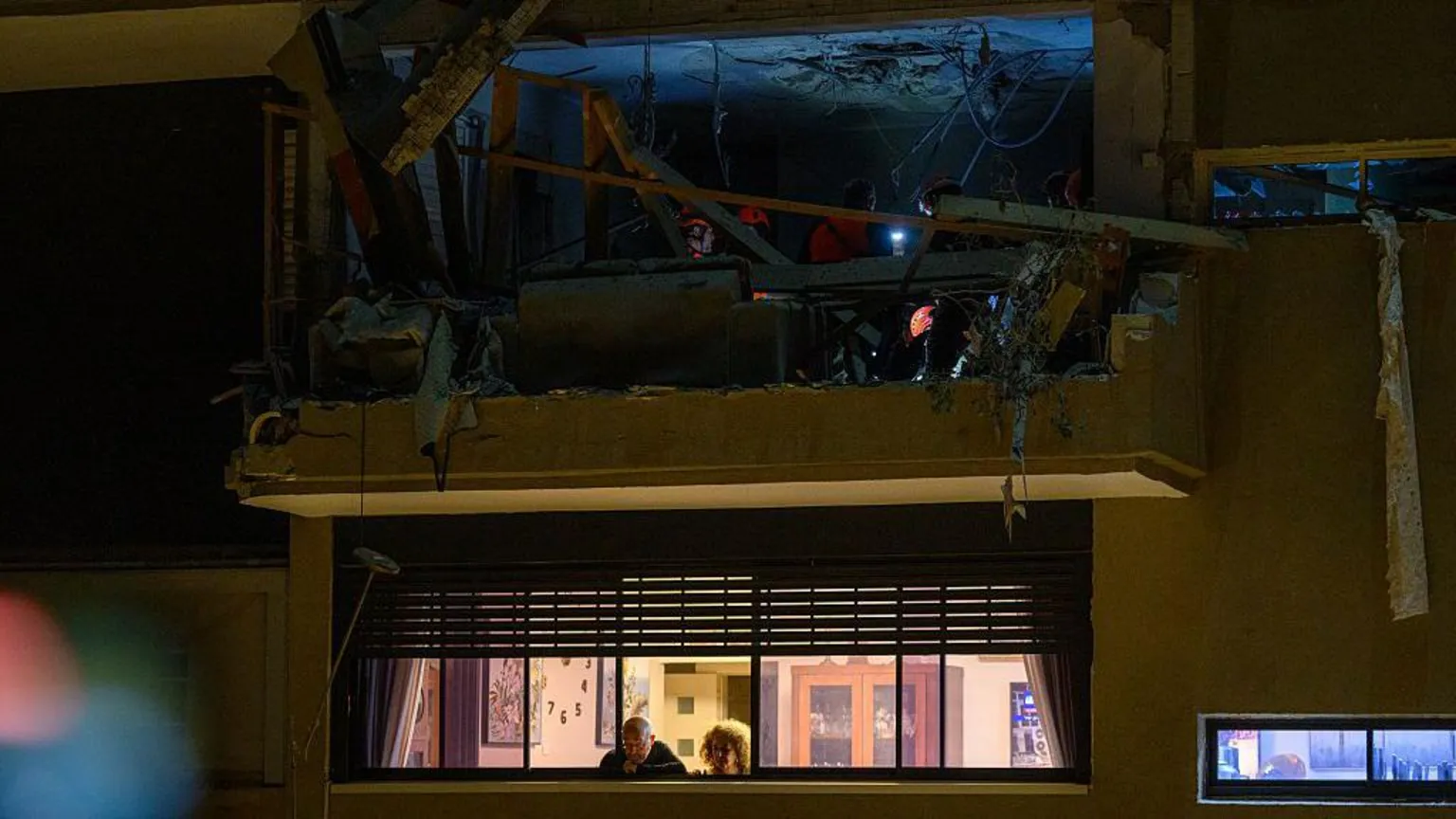
The bomb's trajectory was evident in the ash-covered debris. A large hole in the ceiling of their top-floor apartment indicated where the bomb entered, pushing broken concrete and metal rods inward.
Shrapnel holes marked the back walls, demonstrating the explosion's force, which destroyed the apartment's front, exposing it to the street.
Inside, a walking frame lay overturned beneath ash-covered furniture and rubble.
"We heard three noisy interceptions, but on the fourth one, we knew it was our house," said Sigal Amir, a neighbor sheltering in her safe room when the explosion occurred.
"There was a massive boom and I felt a pain in my ear from the blast," she added. "The neighbours live five metres from us – their door was blown off and their house was full of dust like snow."
Sigal noted that the couple had not been in their shelter at the time due to one having mobility issues.
Challenges of Defending Against Cluster Bombs
Deaths from Iran's daily missile attacks in Israel have been rare, as air defenses intercept most missiles. However, cluster bombs disperse over wide areas and are significantly harder to defend against, even when the missile carrying them is shot down.
Iran has increasingly employed cluster bombs as the conflict continues.
"You can see the entry point of the rocket that flew all the way from Iran in a huge missile, and broke into dozens of pieces," said Israeli military spokesman Lt Col Nadav Shoshani during a site visit. "We had dozens of impact points like this in central Israel."
He explained that although Israel intercepted missiles carrying cluster bombs, each missile contained 20 to 80 munitions, which are "very difficult to stop."
During the visit, another alarm sounded warning of incoming missiles, prompting Sigal to invite the visitors into her safe room.
Casualties and Military Campaign Overview
Iranian missile strikes have caused relatively few casualties in Israel, with 14 people killed directly by strikes so far, nine of whom died in a single attack in Bet Shemesh early in the war.

The joint US-Israel campaign against Iran, now in its 19th day, has targeted military sites, oil facilities, and other infrastructure across Iran. According to the US-based Human Rights Activists News Agency (Hrana), at least 1,354 civilians and 1,138 military personnel have been killed since the conflict began.
Israel's military reports having destroyed more than 70% of Iran's ballistic missile launchers and states that Iran's attacks against Israel are weakening.
Impact on Israeli Population and Public Sentiment
Despite the ongoing conflict, Israel's population remains resilient, with strong support for the war. However, the frequent alarms sending citizens to shelters and the increased use of cluster munitions have led some to question when and how the conflict will conclude.
"To be honest, in the last days I'm losing hope a little bit," said Sigal while sheltering in her safe room. "I feel there's no end to it, there's no direction, we can't see the light at the end of the tunnel. We must endure this, but I'm not sure how long it will take, [or] where we are going from here."
Political Context and Regional Dynamics
Israeli Prime Minister Benjamin Netanyahu has framed the war as the culmination of a prolonged struggle against Israel's regional adversaries.
He has emphasized Israel's military superiority, asserting that the conflict has already transformed the Middle East and elevated Israel to a regional and, in some respects, a global power.
This conflict is asymmetric, with Iran exerting pressure on US concerns such as oil prices, casualties, and the vulnerability of Gulf allies to push for an end to hostilities.
Israel's anticipated timeline for the conflict is believed to be longer than Washington's. Additionally, Israel is engaged on a second front against Hezbollah, a well-armed Iranian proxy on Israel's northern border, which joined the war following the assassination of Iran's former Supreme Leader Ayatollah Ali Khamanei.
Hundreds of thousands of Lebanese have been displaced, and 912 have been killed in Israeli operations, according to Lebanon's health ministry.
This week, Israeli ground forces expanded operations in southern Lebanon after ordering large areas to evacuate.
Meanwhile, the US is reportedly exploring a deal with the Lebanese government to stabilize the situation.
Outlook and Challenges Ahead
Netanyahu views this period as a prime opportunity to strike significant blows against Iran's regional network, fighting "shoulder to shoulder" with the US.
He has promised that the war will yield lasting change. However, pressures on the US as a superpower ally are increasing, and each fatal missile strike complicates the ability to declare victory domestically.


